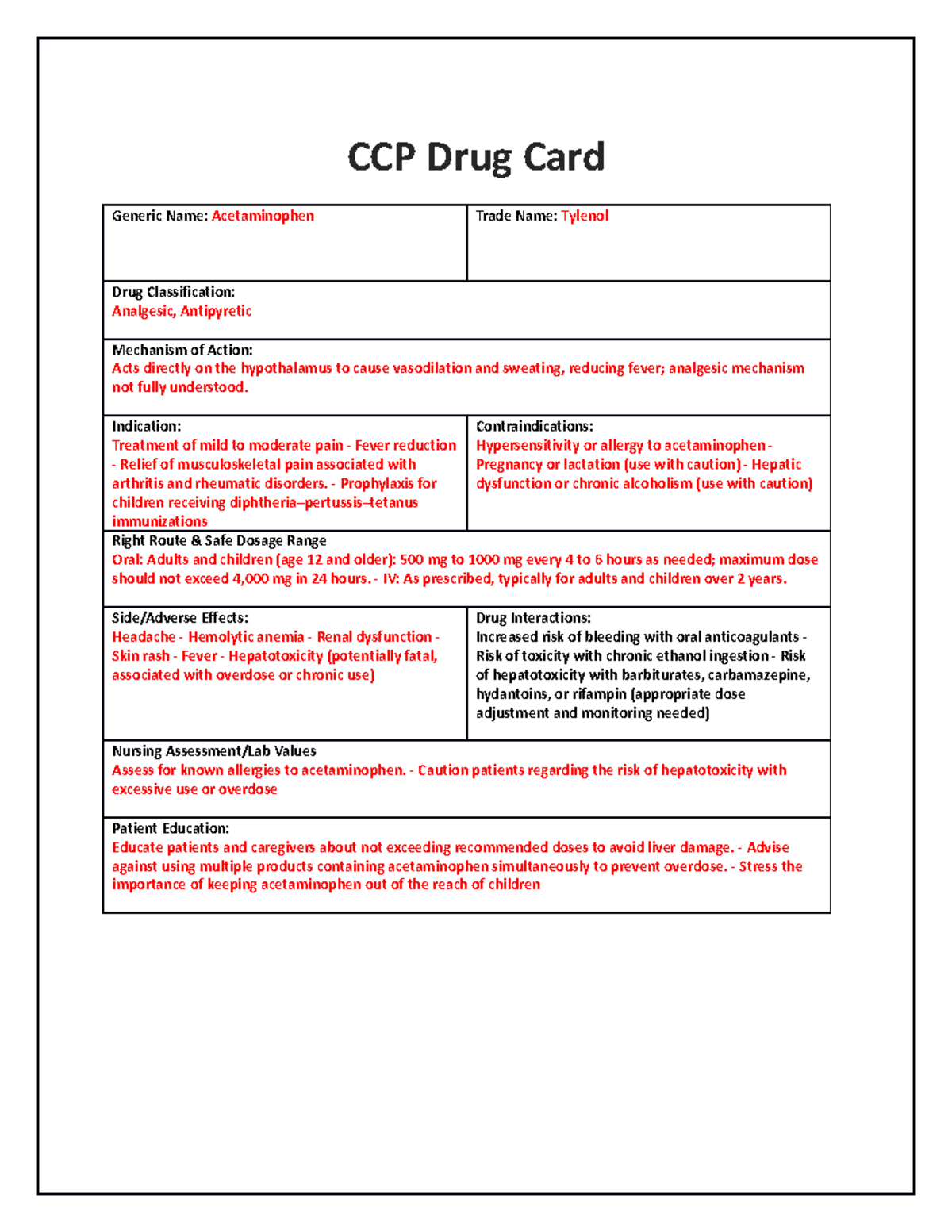
Acetaminophen remains the primary recommended medication for managing pain and fever during pregnancy when non-pharmacological options are insufficient. While generally considered safe at the lowest effective dose for short durations, evolving clinical evidence suggests a cautious approach to minimize potential long-term neurodevelopmental or urogenital risks to the developing fetus.
Understanding Acetaminophen’s Role as a First-Line Treatment
Acetaminophen, known internationally as paracetamol, has been the cornerstone of obstetric pain management for decades. It functions primarily as an analgesic (pain reliever) and antipyretic (fever reducer). Unlike Non-Steroidal Anti-Inflammatory Drugs (NSAIDs) such as ibuprofen or naproxen, acetaminophen does not significantly inhibit cyclooxygenase (COX) enzymes in peripheral tissues, which is why it lacks potent anti-inflammatory properties but also avoids many of the cardiovascular and gastrointestinal side effects associated with NSAIDs.
In the context of pregnancy, acetaminophen is uniquely positioned. Approximately 50% to 65% of pregnant individuals in North America and Europe report using the medication at least once during their gestation. Its popularity stems from its ability to cross the placental barrier without causing the immediate structural malformations (teratogenicity) associated with other classes of drugs. As of 2026, the clinical consensus continues to recognize acetaminophen as the safest pharmacological option for acute pain and febrile episodes, provided it is used within strict parameters.
The primary mechanism involves the elevation of the overall pain threshold by acting on the central nervous system. For an expectant mother, managing pain is not merely a matter of comfort; chronic or severe pain can lead to increased maternal stress, hypertension, and sleep deprivation, all of which can indirectly affect fetal well-being. Therefore, the "safety" of acetaminophen is always weighed against the physiological risks of untreated maternal conditions.
The Safety Profile: Evaluating Risks and Clinical Consensus
The safety profile of acetaminophen in pregnancy underwent a significant shift in perspective following the 2021 Consensus Statement published in Nature Reviews Endocrinology. This statement, supported by an international group of scientists and clinicians, urged for increased caution based on epidemiological and animal studies suggesting that prenatal exposure might be linked to neurodevelopmental, reproductive, and urogenital disorders.
Neurodevelopmental Observations
Several large-scale longitudinal studies have investigated the potential link between prolonged acetaminophen use during pregnancy and the subsequent development of Attention Deficit Hyperactivity Disorder (ADHD) and Autism Spectrum Disorder (ASD) in children. These studies often point toward a "duration-response" relationship, meaning the risk appears more pronounced when the medication is taken for more than 20 to 29 days cumulatively throughout the pregnancy. However, it is essential to note that these are observational findings; they show correlation rather than direct causation, and many confounding factors—such as the underlying reason for taking the medication—remain difficult to isolate.
Urogenital and Reproductive Health
There is evidence suggesting that prenatal exposure to acetaminophen, particularly during the first and second trimesters, may interfere with fetal hormonal signaling. In male infants, this has been linked to a slightly increased risk of cryptorchidism (undescended testes). In females, some researchers have explored potential impacts on early ovarian development, though human data in this area is less robust than animal models.
Regulatory Stance in 2026
Despite these concerns, major regulatory bodies like the U.S. Food and Drug Administration (FDA) and the European Medicines Agency (EMA) maintain that acetaminophen remains the treatment of choice. The official guidance emphasizes that the evidence regarding long-term developmental issues is currently inconclusive. However, the 2026 guidelines reinforce a "precautionary principle": use the drug only when medically necessary, at the lowest possible dose, for the shortest possible time.
Recommended Dosing Guidelines and Administration
Proper dosing is critical to maintaining the safety margin of acetaminophen. Because the drug is metabolized by the liver, exceeding recommended limits can lead to hepatotoxicity in the mother and potential toxicity in the fetus.
Standard Dosage Limits
For most pregnant adults, the standard dose is 325 mg to 500 mg every 4 to 6 hours as needed. In 2026, many obstetricians recommend a conservative maximum of 3,000 mg per 24-hour period for pregnant patients, which is lower than the 4,000 mg limit often cited for the general healthy adult population. This lower ceiling accounts for the physiological changes in pregnancy, including altered hepatic metabolism and increased blood volume.
Dosing Frequency and Duration
- Acute Use: For a tension headache or a minor injury, a single dose of 500 mg to 1,000 mg is usually sufficient.
- Chronic Use: If pain persists for more than 48 to 72 hours, consultation with a healthcare provider is mandatory. Long-term use (exceeding 7-10 days) is where the majority of epidemiological concerns regarding fetal development are concentrated.
- The "Lowest Effective Dose": Patients should always start with the lowest available dose (325 mg) to see if it provides adequate relief before escalating to a higher dose.
Hidden Acetaminophen
One of the most significant risks for overdose is the presence of acetaminophen in multi-symptom cold and flu medications. Expectant parents must carefully read labels for "APAP," "Acetam," or "Paracetamol" in other OTC products to avoid accidentally doubling their dosage.
Comparative Analysis: Acetaminophen vs. Other Analgesics
Choosing an analgesic during pregnancy requires a careful risk-benefit analysis. The following table compares common options available in 2026.
| Medication | Trimester Preference | Primary Risks in Pregnancy | Recommendation Status |
|---|---|---|---|
| Acetaminophen | 1st, 2nd, & 3rd | Potential long-term neurodevelopmental links (prolonged use). | First-line choice for pain/fever. |
| Ibuprofen (NSAID) | Avoid (esp. 3rd) | Premature closure of ductus arteriosus; oligohydramnios (low amniotic fluid). | Avoid after 20 weeks unless directed by a specialist. |
| Aspirin | Avoid (High Dose) | Maternal/fetal bleeding; gastroschisis risk in 1st trimester. | Only used in low-dose (81mg) for preeclampsia prevention. |
| Naproxen | Avoid | Similar to Ibuprofen; kidney function issues in the fetus. | Generally avoided throughout pregnancy. |
While NSAIDs like ibuprofen are highly effective for inflammation, their use after 20 weeks of gestation is strictly regulated due to the risk of fetal kidney problems and low amniotic fluid. Acetaminophen remains the only systemic analgesic with a consistently "green" status across all three trimesters for general use.
Clinical Scenarios Requiring Urgent Acetaminophen Use
There are specific instances where withholding acetaminophen may be more dangerous than taking it. The most prominent example is the management of maternal fever.
Fever as a Teratogen
A high maternal core temperature (hyperthermia), particularly in the first trimester, is a known teratogen. Fever exceeding 102°F (38.9°C) has been linked to an increased risk of neural tube defects (such as spina bifida), heart defects, and oral clefts. In these cases, the antipyretic effect of acetaminophen is vital for protecting the fetus. Medical professionals in 2026 prioritize the immediate reduction of fever using acetaminophen alongside other cooling measures.
Infection and Inflammation
In cases of viral infections like influenza or COVID-19, acetaminophen helps manage systemic aches and reduces the metabolic stress on both the mother and the fetus. While it does not treat the underlying infection, symptom management is a key component of preventing complications like preterm labor, which can be triggered by severe systemic illness and inflammation.
Practical Best Practices for Expectant Parents
Navigating medication safety can be stressful. Following a structured approach to pain management can help mitigate risks while ensuring maternal comfort.
- Prioritize Non-Pharmacological Interventions: For headaches, try hydration, rest in a dark room, or magnesium supplements (if approved by a doctor). For back pain, consider prenatal massage, pelvic tilts, or maternity support belts.
- Consult Before You Medicate: Always inform your OB-GYN or midwife before starting any new medication, even if you have taken it previously in the pregnancy.
- Track Your Usage: Keep a simple log of the date, time, and dosage. This helps identify if you are relying on the medication too frequently and provides clear data for your healthcare provider.
- Avoid Multi-Symptom Formulas: Stick to "single-ingredient" acetaminophen. This prevents the unnecessary intake of decongestants or antihistamines that may not be required for your specific symptom.
- Quality Control: Ensure the medication is from a reputable source and has not expired. Store it in a cool, dry place to maintain chemical stability.
When to Contact a Healthcare Provider
If pain is accompanied by any of the following, do not rely on acetaminophen; seek medical advice immediately:
- Visual disturbances or severe swelling (possible signs of preeclampsia).
- Abdominal pain that feels different from standard "round ligament" pain.
- Fever that does not respond to acetaminophen.
- Decreased fetal movement.
Long-Term Management of Chronic Conditions
For patients with pre-existing chronic pain conditions (e.g., fibromyalgia or chronic migraines), a multidisciplinary approach is required. This often involves a "step-up" program where acetaminophen is used as the base, supplemented by physical therapy, acupuncture, or, in rare cases, category-safe prescription alternatives managed by a maternal-fetal medicine specialist.
Next Steps for Safe Management
If you are currently pregnant or planning to become pregnant, your next action should be to discuss your personal "pain management plan" with your provider during your next prenatal visit. Determine which brands and dosages they prefer and establish a clear threshold for when your pain or fever necessitates a phone call to the clinic. By establishing these boundaries early, you can use acetaminophen with confidence, knowing you are balancing your health with the safety of your developing child.
Frequently Asked Questions
Does taking acetaminophen cause ADHD in children?
Current research shows a correlation between prolonged use (more than 20 days) and an increased risk of ADHD symptoms, but it does not prove that acetaminophen is the cause. Many factors, including genetics and the severity of the mother's illness, play a role. Short-term use for acute pain has not shown a significant link to neurodevelopmental issues.
Can I take acetaminophen while breastfeeding?
Yes, acetaminophen is considered compatible with breastfeeding. Very small amounts are excreted into breast milk—much less than the dose a healthcare provider would prescribe directly to an infant for pain or fever. It is generally the preferred analgesic for postpartum recovery.
What is the maximum daily dose of acetaminophen in pregnancy?
While the general adult limit is 4,000 mg, in 2026 most providers recommend not exceeding 3,000 mg per day during pregnancy. Always aim for the lowest dose that provides relief, such as 325 mg or 500 mg, before considering a higher amount.
Are there any natural alternatives to acetaminophen for pain?
Natural alternatives depend on the type of pain. For headaches, increased water intake and peppermint oil (topical) may help. For muscle pain, warm (not hot) baths and prenatal yoga are effective. However, for reducing a fever, there are no "natural" alternatives that are as safe and effective as acetaminophen.
Is it safer to take acetaminophen in the third trimester than the first?
Acetaminophen is considered the safest analgesic option in all three trimesters. However, the concerns are different: the first trimester is a critical window for organ development (urogenital risks), while the third trimester is a sensitive period for brain development. Regardless of the trimester, the rule remains "lowest dose for the shortest time."