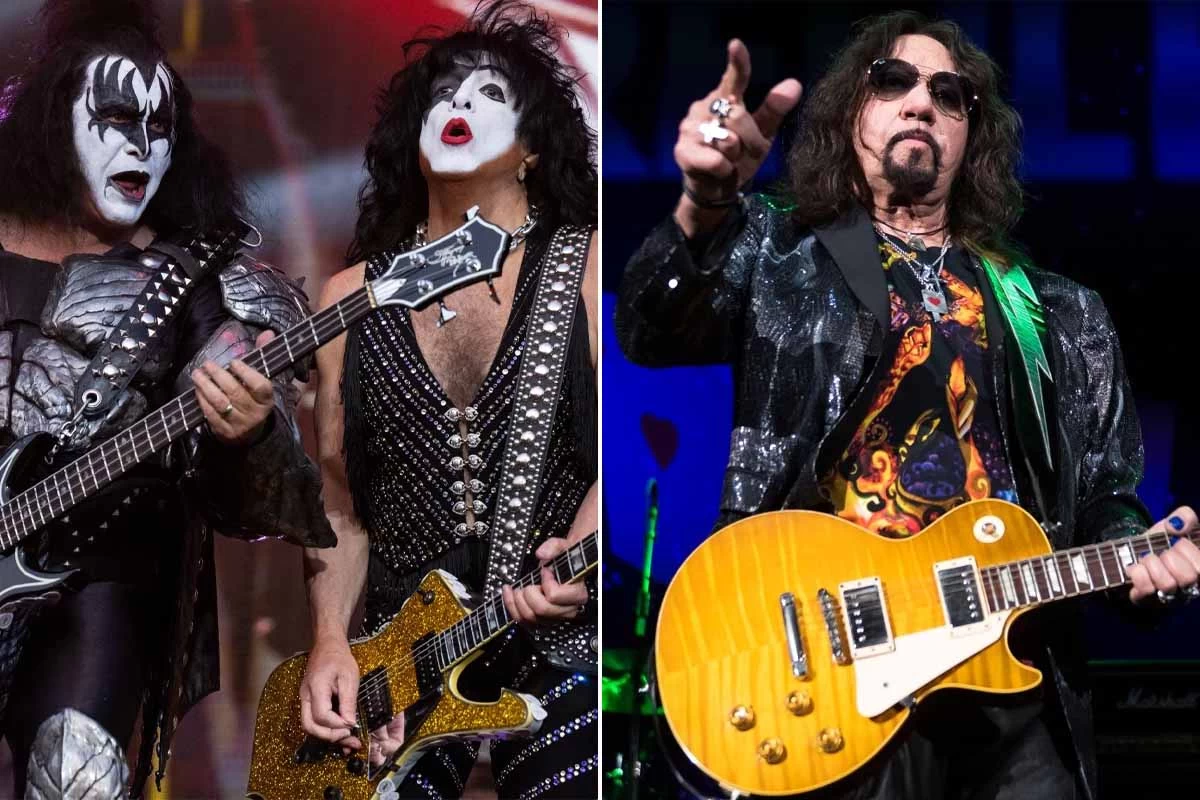
Ace Frehley is a foundational figure in hard rock, best known as the original lead guitarist and a founding member of the legendary band KISS. Through his "Spaceman" persona and blues-driven technical innovation, he defined the 1970s arena rock sound. His career spans over five decades, encompassing massive multi-platinum success with KISS and a resilient, chart-topping solo career.
The Early Life and Musical Origins of Paul Daniel Frehley
Born Paul Daniel Frehley on April 27, 1951, in The Bronx, New York, the future rock icon grew up in a household where musical aptitude was encouraged. Both his parents, Karl and Esther, were musical, and his older siblings played guitar and piano. However, Frehley was largely self-taught, developing an ear for the burgeoning British Invasion sound. He was particularly influenced by the blues-rock mastery of Eric Clapton, the showmanship of Jimi Hendrix, and the raw power of Jimmy Page and Jeff Beck.
Frehley’s early teens were spent in various local New York bands, including The Millers and Cathedral. It was during this period that he acquired his signature instrument—the Gibson Les Paul. His approach to the guitar was visceral rather than academic; he focused on vibrato, sustain, and pentatonic scales that would later become his trademark. By the early 1970s, Frehley was searching for a musical vehicle that matched his ambition, eventually leading him to a fateful audition in late 1972.
The audition for what would become KISS is now a matter of rock lore. Frehley showed up wearing one red sneaker and one orange sneaker, initially drawing skepticism from Paul Stanley, Gene Simmons, and Peter Criss. However, the moment he plugged in his guitar, his chemistry with the group was undeniable. He provided the necessary "edge" that balanced the band's theatrical aspirations with legitimate hard-rock credibility.
The Spaceman Persona and the Golden Era of KISS (1973–1982)
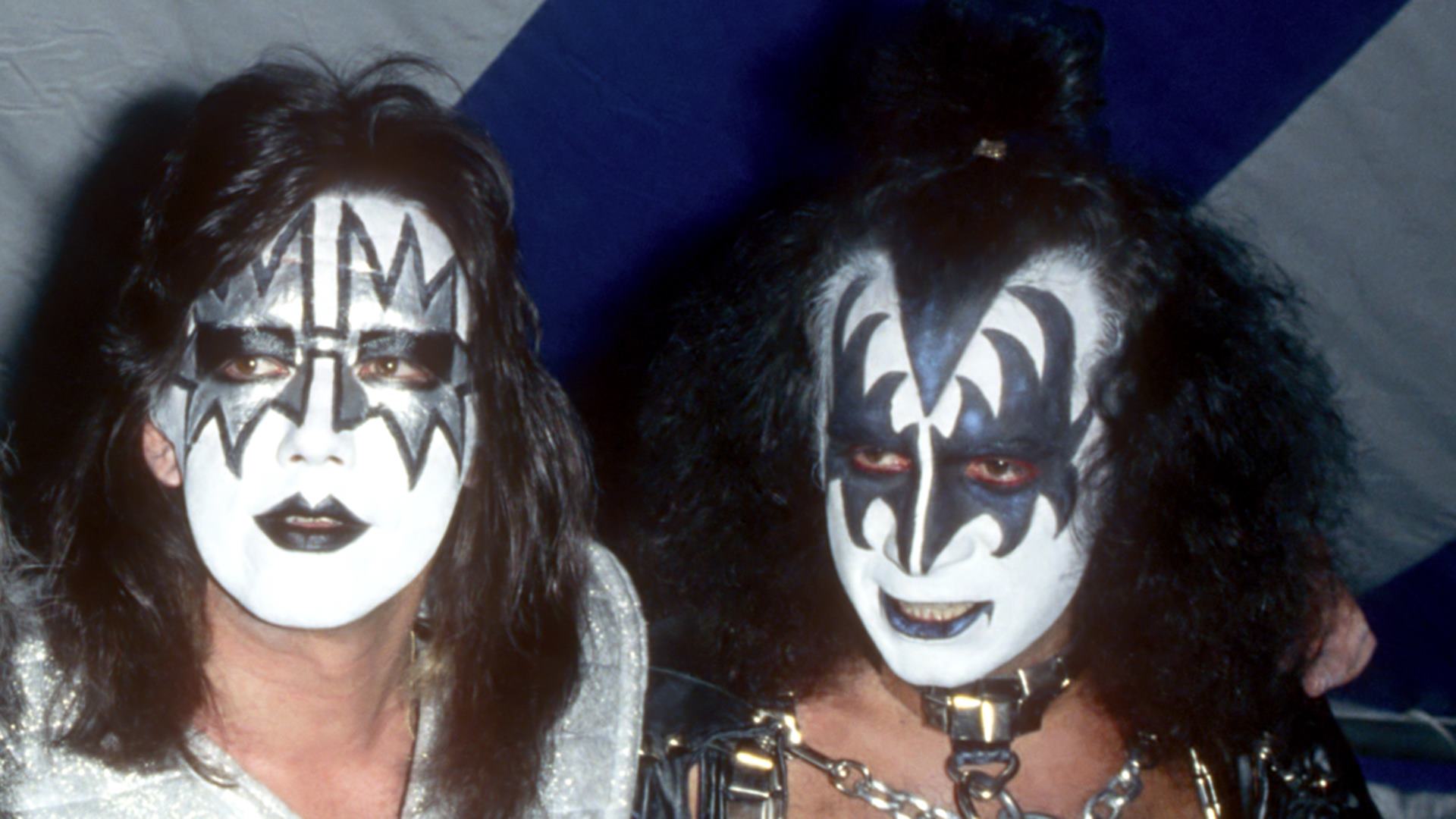
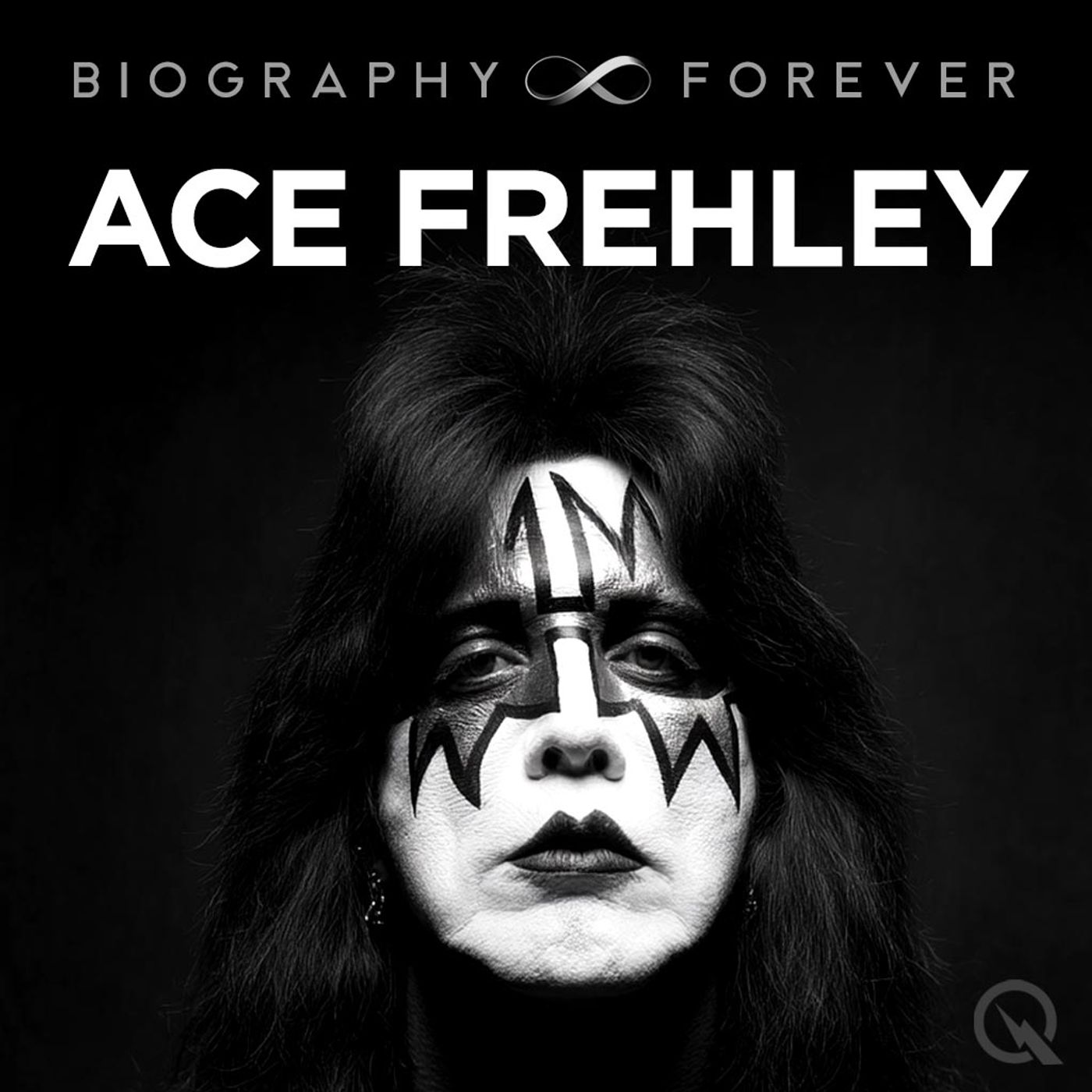
When KISS decided to adopt kabuki-inspired makeup and individual personas, Frehley became "The Spaceman" (or "Space Ace"). This identity perfectly complemented his personality—eccentric, aloof, and seemingly from another world. Between 1973 and 1978, KISS rose from New York clubs to become the biggest band in the world, and Frehley was the architect of their sonic identity.
While Stanley and Simmons handled the majority of songwriting and lead vocals, Frehley’s contributions were critical. His song "Cold Gin" (from the 1974 debut album) became an enduring anthem, though he was initially too shy to sing it, handing vocal duties to Simmons. It wasn't until the 1977 track "Shock Me"—inspired by an actual event where he was nearly electrocuted during a concert in Lakeland, Florida—that Frehley finally took the lead microphone.
The 1978 Solo Album Milestone
In 1978, at the height of "KISS-mania," all four members released simultaneous solo albums. Historically and critically, Frehley’s album was the most successful. Produced by Eddie Kramer, the record showcased Frehley’s ability to craft catchy, guitar-heavy rock outside the constraints of the band. It featured the hit "New York Groove," which reached the Top 20 on the Billboard Hot 100. This success proved that Frehley was a formidable artist in his own right, though it also sowed the seeds of creative tension within the main group.
Technical Innovations and the "Smoking Guitar"
Frehley’s impact on the guitar community extended beyond his playing. He was a pioneer in using the guitar as a theatrical prop. Working with roadies and engineers, he developed several iconic special effects:
- The Smoking Guitar: By hiding a smoke bomb (and later, modified lighting and heating elements) inside the pickup cavity of a Les Paul, Frehley created the illusion that his guitar was melting down during his solo.
- The Light-Up Guitar: He frequently used a custom-made guitar with internal light-emitting diodes (LEDs) that flashed in sync with his playing.
- The Rocket Guitar: During "Shock Me," Frehley would "fire" rockets from the headstock of his guitar into the lighting rig.
These innovations were not merely gimmicks; they were integrated into a playing style characterized by wide, aggressive vibrato and rapid-fire "hammer-on" techniques that influenced a generation of guitarists, including Dimebag Darrell of Pantera and Mike McCready of Pearl Jam. According to the Rock and Roll Hall of Fame, these elements were essential to the band’s induction in 2014.
The Departure from KISS and the Formation of Frehley’s Comet
By 1982, creative differences and personal struggles began to take their toll. Frehley was increasingly dissatisfied with the band’s musical direction, particularly the disco-influenced Dynasty and the experimental concept album Music from "The Elder". Following a serious car accident and a period of escalating substance abuse, Frehley officially left the group in 1982, though he remained a silent partner in the band's business entities for several years afterward.
After a brief hiatus, he formed Frehley's Comet. The band signed with Megaforce Records and released their self-titled debut in 1987. The album was a commercial success, reaching #43 on the Billboard 200 and producing the hit "Into the Night." This era saw Frehley embracing a more polished, 80s-inflected hard rock sound, collaborating with musicians like Anton Fig and Tod Howarth. Despite the success, internal lineup changes led to the eventual dissolution of the group in the early 1990s as Frehley transitioned back into a solo performer.
The Reunion Era and Subsequent Departure (1996–2002)
In 1995, the original lineup of KISS performed together for an MTV Unplugged session, which triggered an immense wave of nostalgia. This led to the 1996-1997 "Alive/Worldwide" reunion tour, which became the top-grossing tour of the year. Frehley donned the Spaceman makeup once again, reclaiming his spot on the stage for several years.
However, the reunion was fraught with the same interpersonal dynamics that had plagued the band in the early 80s. While they recorded the album Psycho Circus in 1998, Frehley and Criss’s actual contributions to the tracks were minimal, with session musicians often filling in. Following the "Farewell Tour" in 2000-2001, Frehley decided to leave the band permanently in 2002. He later stated that he believed the "Farewell Tour" should have been the end, and he was not interested in continuing a never-ending cycle of tours.
Solo Career Renaissance and "10,000 Volts"
Entering the 21st century, Frehley achieved a major personal milestone by attaining sobriety in September 2006. This clarity fueled a prolific period of creative output. His 2009 album Anomaly was his first solo effort in 20 years and debuted at #27 on the Billboard 200, proving his enduring relevance to the rock community.
His subsequent releases—Space Invader (2014), Origins Vol. 1 (2016), Spaceman (2018), and Origins Vol. 2 (2020)—solidified his status as a solo powerhouse. These albums often featured collaborations with his former bandmate Paul Stanley and other rock legends like Slash and Lita Ford.
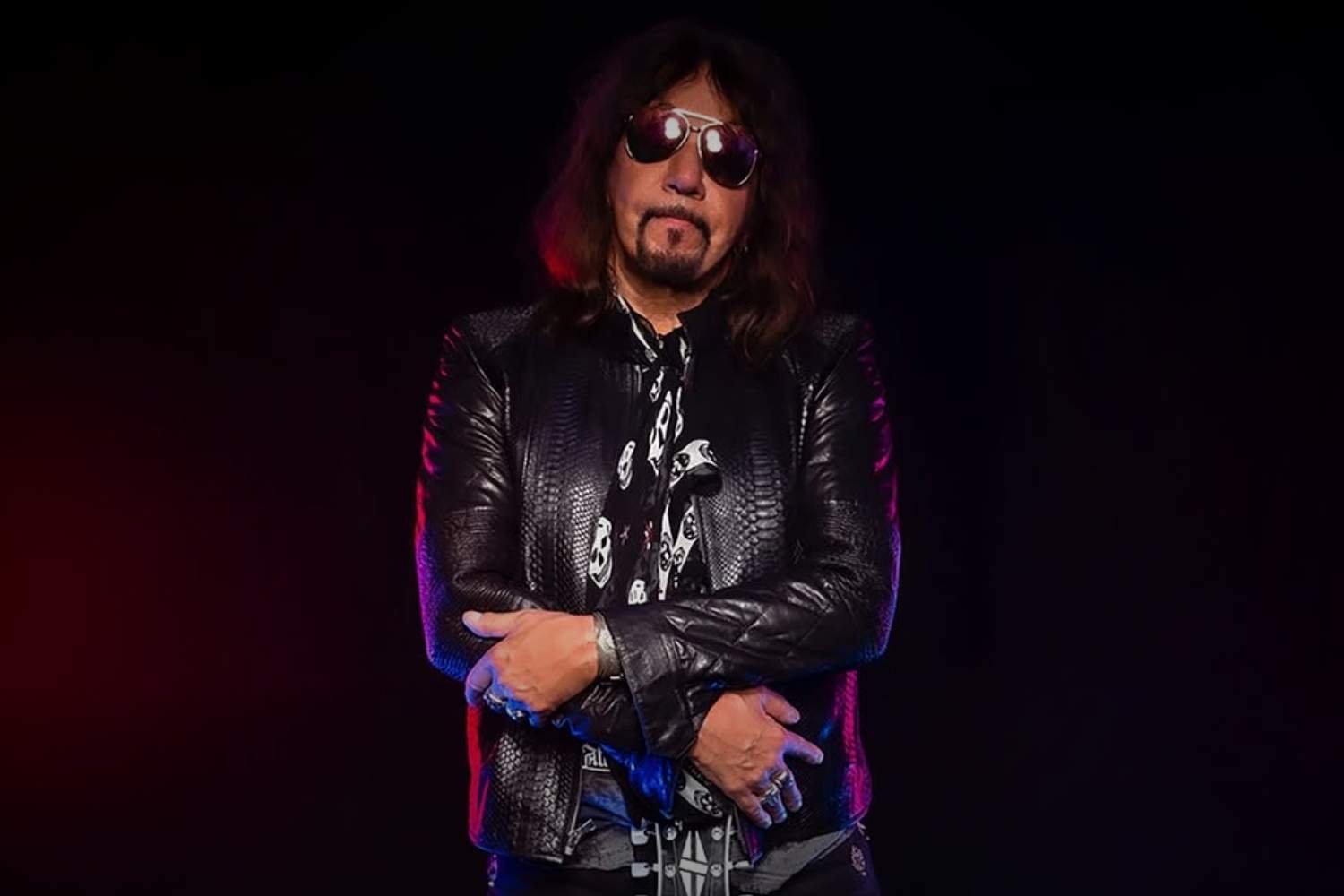
As of 2024 and moving into 2026, Frehley has continued to tour and record. His most recent major studio effort, 10,000 Volts (released in early 2024), was produced by Steve Brown of Trixter. The album received critical acclaim for its energetic production and "classic Ace" guitar hooks, peaking high on the Independent Albums and Top Rock Albums charts. Even into 2026, Frehley remains a fixture on the festival circuit, performing for multi-generational audiences.
Verified Career Milestones and Discography
The following table outlines the key eras and accomplishments throughout Ace Frehley's career.
| Era | Primary Entity | Notable Achievements & Releases |
|---|---|---|
| 1973–1982 | KISS (Founding) | Alive! (1975), Destroyer (1976), 1978 Solo Album (Platinum) |
| 1984–1988 | Frehley's Comet | Frehley's Comet (1987), Second Sighting (1988) |
| 1996–2002 | KISS (Reunion) | Alive/Worldwide Tour (Record-breaking), Psycho Circus |
| 2009–2015 | Solo Revival | Anomaly (2009), Space Invader (2014), Rock Hall Induction |
| 2016–Present | Modern Era | Origins Series, 10,000 Volts (2024), Ongoing Global Touring |
Frequently Asked Questions
Why did Ace Frehley leave KISS in 1982?
The primary reasons were creative dissatisfaction and health issues. Frehley was frustrated by the band's shift away from hard rock toward disco and concept-driven music. Additionally, his lifestyle at the time—involving heavy drug and alcohol use—made it difficult for him to participate in the band's rigorous schedule. His departure became inevitable after he refused to participate in the recording of Creatures of the Night.
Is Ace Frehley still performing in 2026?
Yes, Ace Frehley remains active as a solo artist. Throughout 2024, 2025, and into 2026, he has maintained a consistent touring schedule, often performing a mix of his solo hits and KISS classics. He continues to engage with fans through high-profile appearances at rock conventions and solo headlining tours.
Which Ace Frehley solo album is the most successful?
In terms of chart performance and historical impact, his 1978 self-titled solo album remains his most successful. It was the only one of the four KISS solo albums to produce a significant hit single ("New York Groove") and has been certified Platinum by the RIAA. However, his 2014 album Space Invader achieved his highest-ever Billboard chart debut at #9.
What kind of guitar does Ace Frehley use?
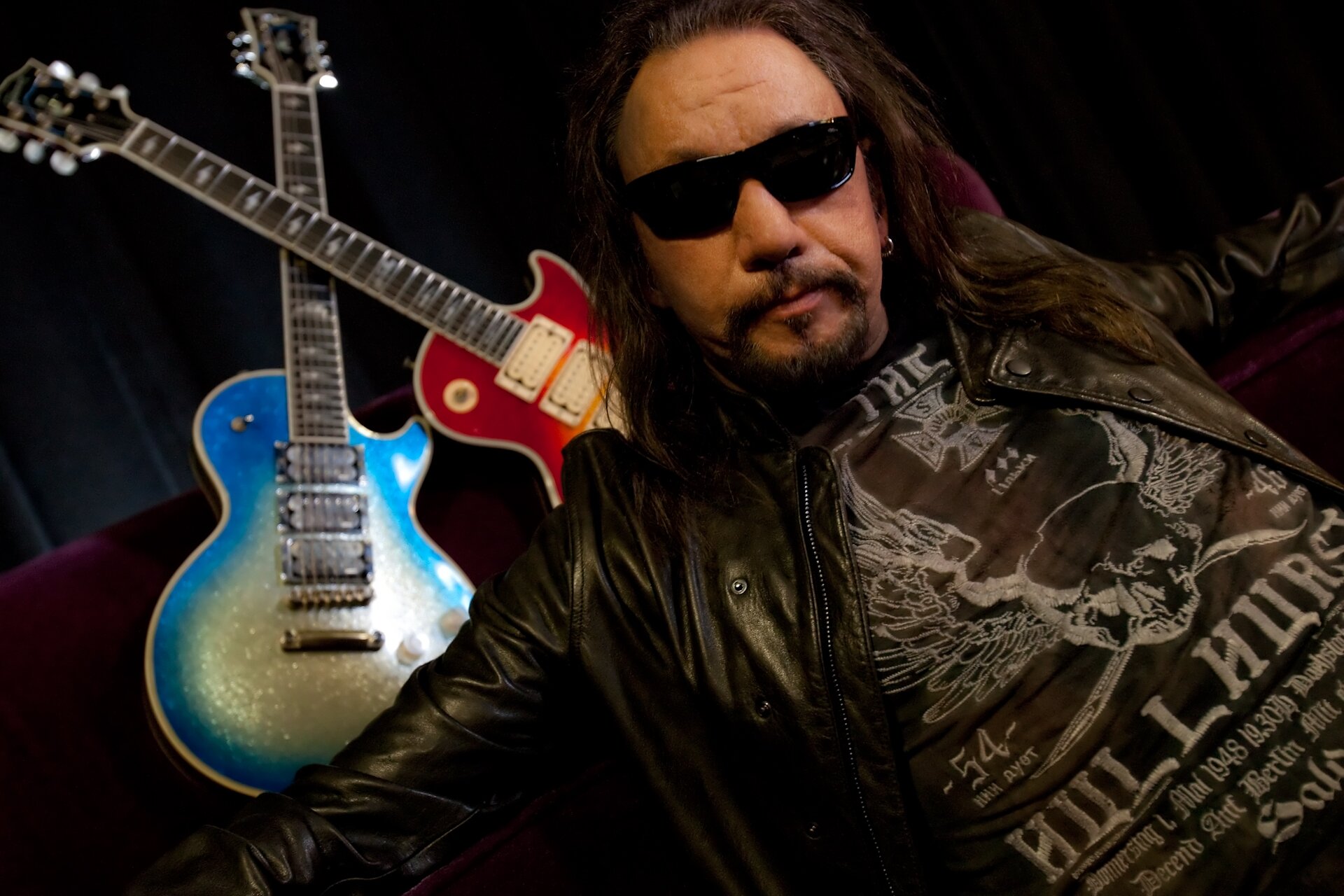
Frehley is synonymous with the Gibson Les Paul Custom. His signature models usually feature three humbucking pickups and a Cherry Sunburst finish. Over the years, Gibson has released several "Ace Frehley Signature" models that replicate his 1970s touring guitars, including the distinctive "Budokan" Les Paul.
Did Ace Frehley contribute to the final KISS concert in 2023?
No. Despite heavy rumors and invitations from fans, Ace Frehley did not perform at the final KISS shows at Madison Square Garden in December 2023. He cited various reasons in interviews, including disagreements over the terms of the appearance and his focus on his then-upcoming album, 10,000 Volts.
How to Explore Ace Frehley’s Legacy Today
For those looking to understand Frehley’s impact, the best starting point is the 1978 solo album, which remains a masterclass in hard-rock guitar production. From there, his work on KISS Alive! captures the energy that made him a superstar. To see his modern evolution, the 10,000 Volts album and the Origins series provide a comprehensive look at his current technical proficiency and the influences that shaped him.
Collectors and enthusiasts should also look toward his autobiography, No Regrets, published in 2011. The book offers a firsthand account of the rise of KISS and his personal journey through fame and recovery. As we look ahead through 2026, Frehley stands as one of the few remaining "guitar heroes" of the 1970s who continues to release new material and maintain a rigorous live presence, ensuring his "Spaceman" legacy remains firmly grounded in the present.