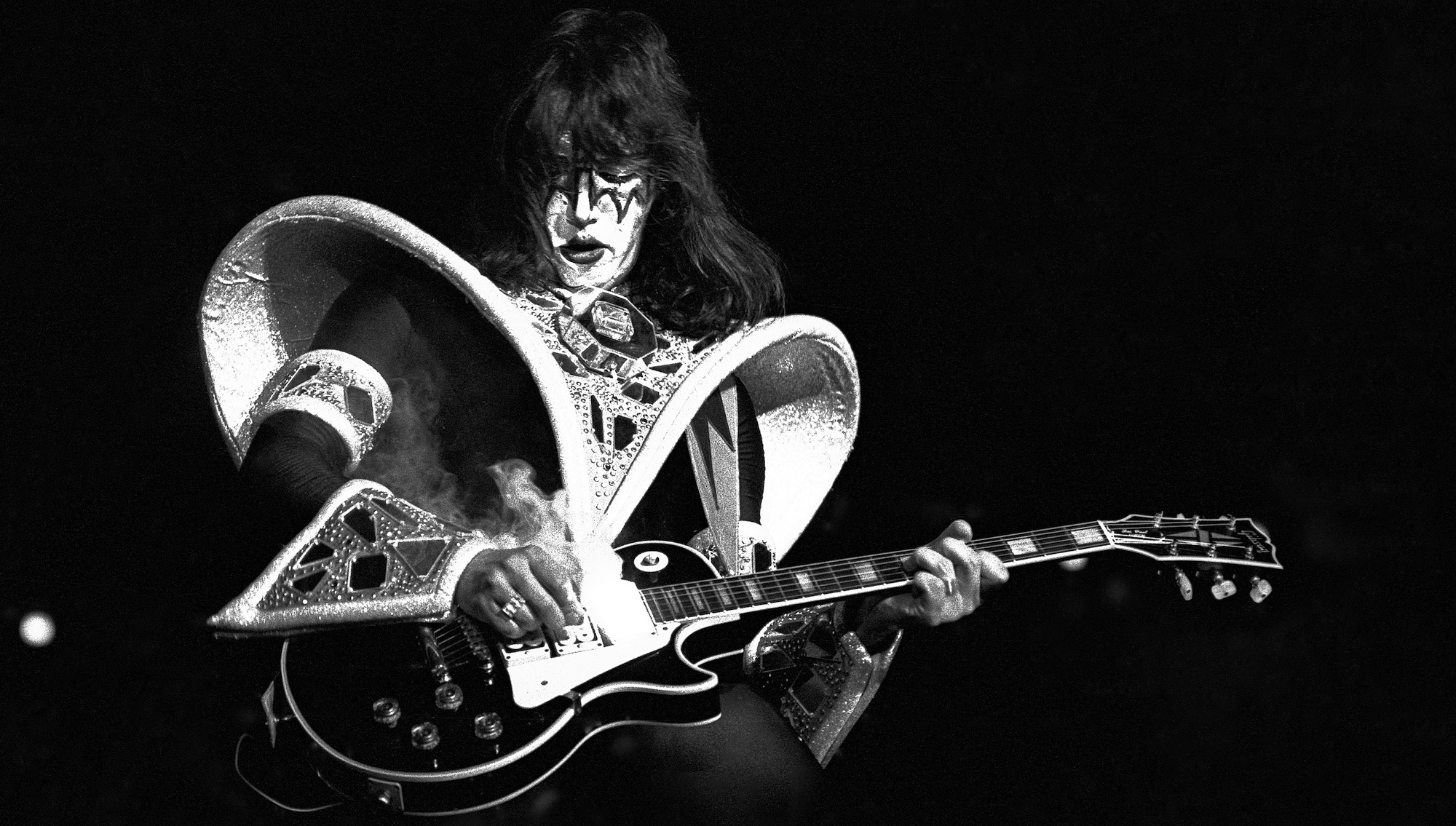
In 1978, Ace Frehley’s solo album emerged as the unexpected champion of the four simultaneous KISS solo releases, outperforming his bandmates in both critical acclaim and commercial longevity. This success fundamentally altered Frehley’s perspective on his role within KISS, revealing a "shocking truth": the "Space Ace" possessed the most potent individual creative identity in the group, a realization that eventually fueled his departure from the band.
The 1978 Gamble: Four Albums, One Undisputed Winner
The simultaneous release of four solo albums by the members of KISS on September 18, 1978, remains one of the most ambitious and risky marketing maneuvers in rock history. At the time, internal tensions were reaching a breaking point. To prevent a total breakup, the band’s management and Casablanca Records decided to allow each member to express their individual musical visions. While Paul Stanley and Gene Simmons were the primary architects of the KISS brand, the "shocking truth" that emerged from the sales figures and radio play was that Ace Frehley had delivered the superior product.
Frehley’s album was the only one of the four to spawn a significant hit single. His cover of Hello’s "New York Groove" reached the Top 20 on the Billboard Hot 100, peaking at number 13. While the other three albums were certified Platinum (largely due to initial shipping quantities), Frehley’s record possessed "legs"—it continued to sell and receive airplay long after the novelty of the four-album release had faded. For Frehley, the reaction from fans and critics was a validation of his musicianship, which he felt had often been overshadowed by the theatrical dominance of Simmons and Stanley.
Why the "Space Ace" Outperformed the "Big Two"
The disparity in quality between Frehley's album and those of his bandmates can be attributed to several technical and creative factors. Unlike Gene Simmons, who filled his solo effort with an eclectic mix of styles and a staggering list of guest stars (including Cher and Joe Perry), Frehley focused on a cohesive, hard-hitting rock sound.
The Eddie Kramer Factor
A primary reason for the album's success was the involvement of legendary producer Eddie Kramer. Kramer, known for his work with Jimi Hendrix and Led Zeppelin, understood how to capture Frehley’s raw guitar tone without over-polishing it. The production allowed Frehley’s signature "sloppy but soulful" pentatonic riffs to breathe. This stood in stark contrast to the more experimental and sometimes disjointed production found on the other members' records.
Creative Autonomy and Multi-Instrumentalism
The "shocking truth" behind the recording sessions was just how much of the heavy lifting Frehley did himself. While he utilized Anton Fig on drums, Frehley played almost all the guitars and bass parts on the album. This gave the record a unified sonic fingerprint. In 2026, music historians still point to this album as the blueprint for "street-level" hard rock, influencing a generation of guitarists who found Gene Simmons’ grandiosity or Paul Stanley’s pop-sensibilities less relatable than Ace’s gritty, alcohol-fueled rock and roll.
The Internal Fallout: How Success Created Friction
The reaction within the KISS camp to Frehley's success was far from celebratory. For Paul Stanley and Gene Simmons, who viewed themselves as the leaders and primary hitmakers, Frehley’s dominance was a blow to the established hierarchy. Frehley has frequently reflected on this period, noting that his success created an uncomfortable shift in power dynamics.
Before 1978, Frehley was often viewed as the "unreliable" member due to his struggles with substance abuse. However, the solo album proved he was a formidable commercial force. This "truth" emboldened Frehley to demand more creative input on subsequent KISS albums like Dynasty and Unmasked. When his suggestions were sidelined in favor of a more disco-influenced sound, the friction became untenable. The solo success of 1978 didn't save the band; it provided Frehley with the "exit ramp" he needed to realize he could survive—and thrive—outside the KISS machine.
Technical Analysis of the 1978 Solo Album Performances
To understand why the reaction to Frehley's solo work remains so positive even decades later, one must look at the data. The following table compares the four 1978 solo albums based on their peak chart performance and enduring fan reception as of current 2026 retrospective metrics.
| Attribute | Ace Frehley | Paul Stanley | Gene Simmons | Peter Criss |
|---|---|---|---|---|
| Highest Single | "New York Groove" (#13) | "Hold Me, Touch Me" (#46) | "Radioactive" (#47) | "Don't You Let Me Down" (N/A) |
| Critical Consensus | Highly Favorable | Favorable | Mixed | Poor |
| Key Style | Hard Rock / Power Pop | Melodic Rock / Anthem | Eclectic / Pop / Rock | R&B / Soul / Ballad |
| Primary Producer | Eddie Kramer | Paul Stanley / Jeff Glixman | Gene Simmons / Sean Delaney | Vini Poncia |
| Legacy Impact | High (Influenced 80s Metal) | Moderate (Standard KISS sound) | Low (Seen as over-indulgent) | Low (Alienated rock fans) |
The "Shocking Truth" of the Songwriting Credits
One of the most persistent rumors regarding the KISS solo albums is that Frehley had a backlog of superior material because he was rarely allowed to contribute more than one or two songs per KISS album. The 1978 solo record featured tracks like "Snow Blind," "Ozone," and "Fractured Mirror"—songs that demonstrated a depth and psychedelic complexity that Gene and Paul rarely explored.
"Fractured Mirror," an instrumental closing track, remains a technical marvel. It features layered 12-string guitars and a haunting, bell-like quality achieved through careful arrangement rather than digital effects. In interviews leading into 2026, Frehley has noted that the "shocking truth" was that he was more of a "closet perfectionist" than his "Space Ace" persona suggested. While he projected an image of a party-loving rock star, he spent hundreds of hours in his home studio, "Ace in the Hole," perfecting the textures of that album.
Ace Frehley's Reaction in 2026: Looking Back
As we look at the legacy of KISS from the vantage point of 2026, Frehley’s reaction to his status as the "solo star" has mellowed but remains proud. In recent retrospectives, Frehley has stated that he never intended to "beat" his bandmates, but the public’s preference for his record was a clear signal that the fans valued the "no-nonsense" rock he represented.
The enduring success of his solo career—including his recent 2024 album 10,000 Volts—stems directly from the foundation laid in 1978. Frehley has often joked that he is the "only member of KISS who actually became a solo star," referencing the fact that while Gene and Paul continued the KISS brand, Ace was the only one to establish a distinct, lasting identity as a solo artist that fans supported independently of the makeup.
Common Misconceptions About the Solo Success
Many believe that the solo albums were a sign of the band's strength, but the truth is they were a "divorce settlement" in progress. The reaction from the label was also telling; Casablanca Records reportedly spent millions on a marketing campaign that ultimately led to massive returns of the Peter Criss and Gene Simmons albums. Only Frehley’s album avoided the "cut-out bin" fate for a significant period.
Was "New York Groove" an Original?
A common point of confusion is the origin of Ace's biggest hit. "New York Groove" was actually written by Russ Ballard and originally recorded by the band Hello in 1975. Frehley’s reaction to the suggestion of covering the song was initially hesitant, but Eddie Kramer convinced him. The "shocking truth" is that the song most associated with Ace Frehley’s solo identity isn't even one he wrote, yet he rearranged it so thoroughly with his signature "stomp" that it became his definitive anthem.
Essential Listening and Legacy Requirements
For those looking to understand the "Ace Frehley reaction" and the truth of his 1978 triumph, there are specific prerequisites for appreciation:
- The 1978 Solo Album (Remastered): Essential for hearing the separation of the guitar layers in "Fractured Mirror."
- Eddie Kramer’s Production Notes: Available in various rock biographies, these provide insight into how Ace’s "limited" technical skills were transformed into a masterclass in tone.
- The 1979 "Tomorrow" Show Interview: One of Ace's most famous (and erratic) public appearances, which highlights the personality that both fueled his creativity and frustrated his bandmates.
Frehley’s legacy is not just about being the "lead guitarist of KISS." The truth revealed by his solo success is that he was the soul of the band's original sound. When he left, that specific "groove"—a mixture of British blues-rock influence and New York attitude—left with him.
Frequently Asked Questions
Did Ace Frehley's solo album sell more than Gene Simmons'?
Initially, all four albums shipped in similar quantities, but Ace Frehley’s album was the most successful in terms of consistent sales and chart performance for its single. Over time, it has become the most respected of the four by critics and fans alike.
What was Gene and Paul's reaction to Ace's success?
While they publicly supported the project, internal accounts suggest there was significant jealousy. Paul Stanley has admitted in his autobiography that Ace's album was very good, while Gene Simmons has been more guarded, often focusing on the collective branding of the four albums rather than Ace's individual achievement.
Why is the 1978 solo album considered "shocking"?
It was shocking because, at the time, Ace was considered the least likely to succeed. He was not a primary songwriter for the band and struggled with personal issues. The fact that he produced the most "KISS-like" and commercially viable record stunned both the industry and his bandmates.
Did Ace play all the instruments on his solo album?
Almost. He played all the rhythm and lead guitars, as well as the bass guitar for most tracks. Anton Fig played the drums. This high level of personal involvement is why the album sounds more focused than Gene Simmons', which featured dozens of guest musicians.
How did "New York Groove" change Ace's career?
It gave him the leverage to realize he didn't need the "KISS" umbrella to have a hit. This confidence eventually led to him forming Frehley's Comet after leaving the band in the early 80s.
Exploring the Legacy in the Modern Era
If you are a fan or a student of rock history in 2026, the best way to understand the impact of the "Space Ace" is to compare his 1978 work with the output of KISS during the late 70s. You will find that the riffs and "swagger" that defined the band's peak were largely concentrated in Frehley's solo contributions. To truly appreciate the "shocking truth," one must listen to the albums back-to-back; the difference in energy and authenticity is palpable. Collectors should look for original 1978 pressings which included a piece of a four-part poster—a physical representation of a band that was already pulling apart at the seams.