Ace Frehley has not experienced a singular "fall" but rather a complex transition from stadium-level dominance to the challenging life of an independent solo artist. As of 2026, the perceived decline stems from a combination of natural vocal aging, public disputes with former KISS bandmates, and the logistical hurdles of maintaining a high-production legacy brand without the financial backing of a major corporate machine.
The Spaceman’s Legacy and the Evolution of a Rock Icon
To understand the trajectory of Ace Frehley, one must first acknowledge the astronomical heights he reached during the 1970s. As the original lead guitarist for KISS, Frehley wasn't just a musician; he was a cultural phenomenon. His "Spaceman" persona, complete with smoking guitars and gravity-defying solos, inspired a generation of guitarists, including the likes of Dimebag Darrell and Mike McCready. The 1978 solo album, which was part of a simultaneous release by all four KISS members, remains the most critically and commercially successful of the quartet, peaking at #13 on the Billboard 200.
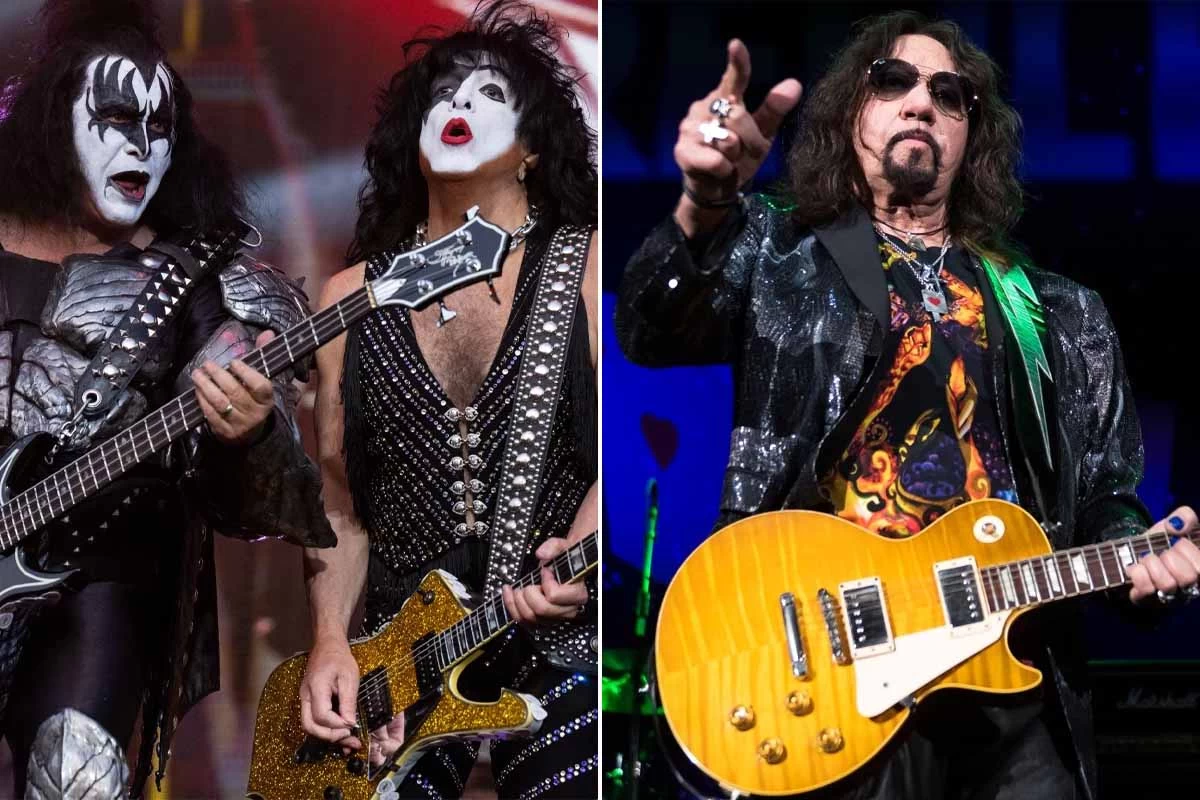
However, the very elements that made him a star—his rebellious nature and "wild card" energy—became the catalysts for his initial departure from the group in 1982. While the 1996 Reunion Tour briefly restored him to the pinnacle of the music industry, the subsequent years revealed a growing rift between Frehley’s lifestyle and the rigid, business-first architecture maintained by Gene Simmons and Paul Stanley. By the time the "End of the Road" tour concluded in late 2023, the absence of Frehley at the final Madison Square Garden show signaled to many fans that the "Space Ace" had finally drifted away from the mothership for good.
Analyzing the “Decline”: Perception vs. Reality in 2026
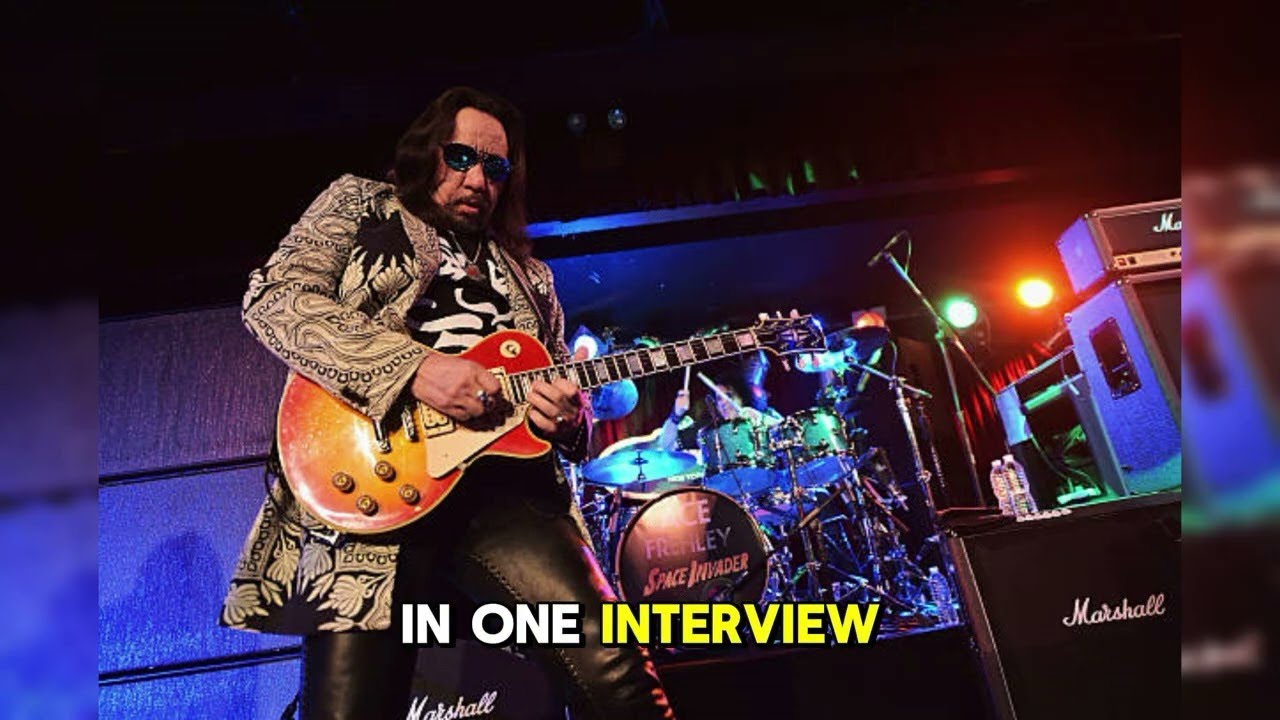
In 2026, the narrative of a "sudden decline" is often fueled by the contrast between Frehley's legendary status and his current operational scale. In the late 70s, Frehley performed for 20,000 people a night; today, he primarily frequents the theater and club circuit. This shift is frequently misinterpreted as a failure, yet it reflects the standard career arc for legacy rock stars who choose independence over corporate branding.
The "shocking truth" often cited by tabloids usually points to his intermittent performance inconsistencies. Critics frequently point to viral videos of missed notes or vocal struggles as evidence of a "fall." However, these critiques often ignore the physical toll of a career spanning five decades. At over 70 years old, Frehley is grappling with the same biological limitations as his peers. The decline isn't necessarily one of talent, but of the physical stamina required to execute the high-energy "Spaceman" persona that fans have frozen in their memories from 1977.
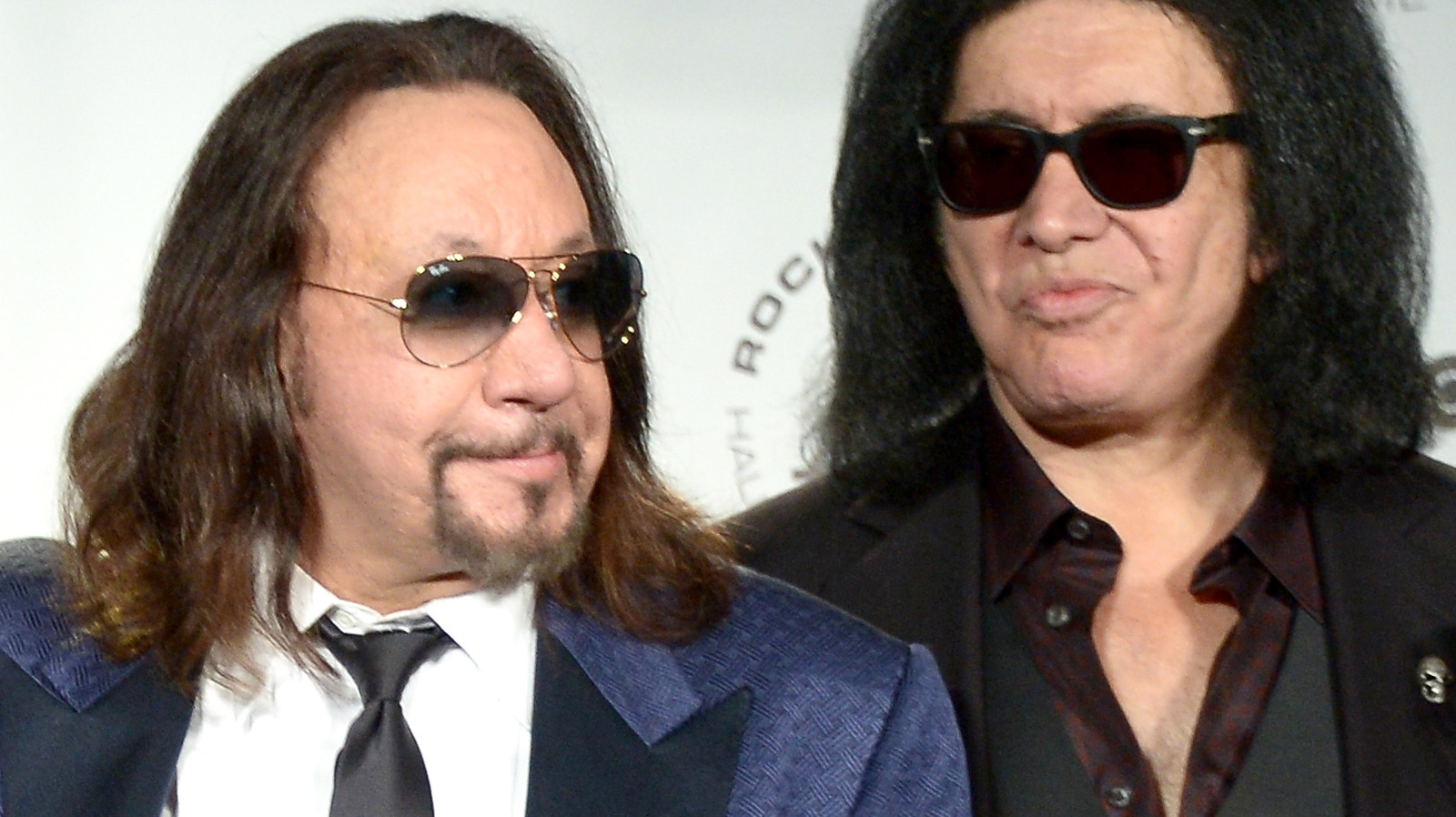
Furthermore, his public image has been impacted by the long-standing "war of words" with Simmons and Stanley. When Paul Stanley famously suggested in 2023 that playing with Ace again might "soil" the band's legacy, it created a permanent stain on Frehley's public perception, leading some casual observers to believe he was no longer capable of performing at a professional level.
The Performance Factor: Age, Vocal Health, and Touring Realities
One of the most discussed aspects of Frehley's modern career is his vocal health. Ace was never the primary "singer" in KISS, though his hits like "Shock Me" and "Rocket Ride" are fan favorites. In his solo career, he has had to carry the entire vocal load, which has become increasingly difficult.
The 2024 Comeback Attempt and its Aftermath
The release of the album 10,000 Volts in February 2024 was intended to be a major turning point. Produced by Steve Brown of Trixter, the album was a commercial success in the "Independent Albums" category and showed that Frehley still had the ability to write catchy, riff-heavy rock. However, the subsequent tour highlighted the difficulty of replicating studio perfection on stage.
Fans in 2025 and 2026 have noted a significant reliance on backing tracks for some of the more demanding vocal harmonies, a practice that has become common but controversial in the classic rock community. For Frehley, this transition has been particularly scrutinized because his brand was built on a "raw and dangerous" rock-and-roll attitude. The tension between needing technological help and maintaining his "Space Ace" authenticity is a central theme in the modern discussion of his career decline.
Comparison: Ace Frehley Solo Projects vs. KISS Commercial Dominance
The following table illustrates the disparity between Frehley's output as a solo artist and the commercial peak of the KISS era, highlighting why the "decline" narrative persists.
| Feature | KISS Peak (1976-1979) | Solo Independence (2020-2026) |
|---|---|---|
| Typical Venue Size | 15,000 - 25,000 (Arenas) | 1,000 - 3,000 (Theaters/Clubs) |
| Album Charting | Top 10 Billboard | Top 100 Billboard / Top 5 Independent |
| Production Value | Pyrotechnics, Hydraulics, Lasers | Basic Lighting, Smoking Guitar (limited) |
| Band Dynamic | Corporate Partnership | Hired Musicians / Contract Players |
| Financial Support | Major Labels (Casablanca/Mercury) | Independent Labels (MNRK Heavy/eOne) |
| Publicity Reach | Global Prime Time TV | Niche Rock Podcasts / Social Media |
The Financial and Personal Realities of Independence
Maintaining a solo career in 2026 is a vastly different financial prospect than it was in the 20th century. While Frehley is reportedly worth several million dollars, the overhead costs of touring—buses, fuel, crew salaries, and insurance—have skyrocketed. For a solo artist without the "KISS" brand name on the marquee, the margins are razor-thin.
This financial reality often leads to "unforced errors" that contribute to the perception of a decline. For instance, Frehley has occasionally been criticized for his involvement in paid meet-and-greets or memorabilia sales that some fans find overpriced. In reality, these are necessary revenue streams for a legacy artist in an era where streaming royalties provide negligible income. The "shocking truth" is that the Spaceman must work significantly harder for a fraction of the payout he received forty years ago.
Despite these pressures, Frehley has maintained his sobriety for nearly two decades. This is a crucial, yet often overlooked, part of his story. Many who talk of his "fall" forget that during the 80s and 90s, his "decline" was literal—fueled by substance abuse. In 2026, he is healthier than he was during the "peak" years, even if his guitar playing isn't as fluid as it once was.
Internal Friction and the Finality of the KISS Brand
The definitive end of KISS as a touring entity in December 2023 left a void that many expected Frehley to fill. However, the decision by KISS to move forward with digital avatars rather than a reunion with original members was a significant blow to Frehley's "legacy value."
The "shocking truth" about the decline often involves the psychological impact of being excluded from the final chapter of the band he helped build. Frehley spent much of 2024 and 2025 defending his legacy in interviews, which sometimes made him appear bitter to the general public. This defensive posture, while understandable, has contributed to a narrative of a "fading star" struggling to let go of the past.
Frequently Asked Questions
What is Ace Frehley’s current health status in 2026?
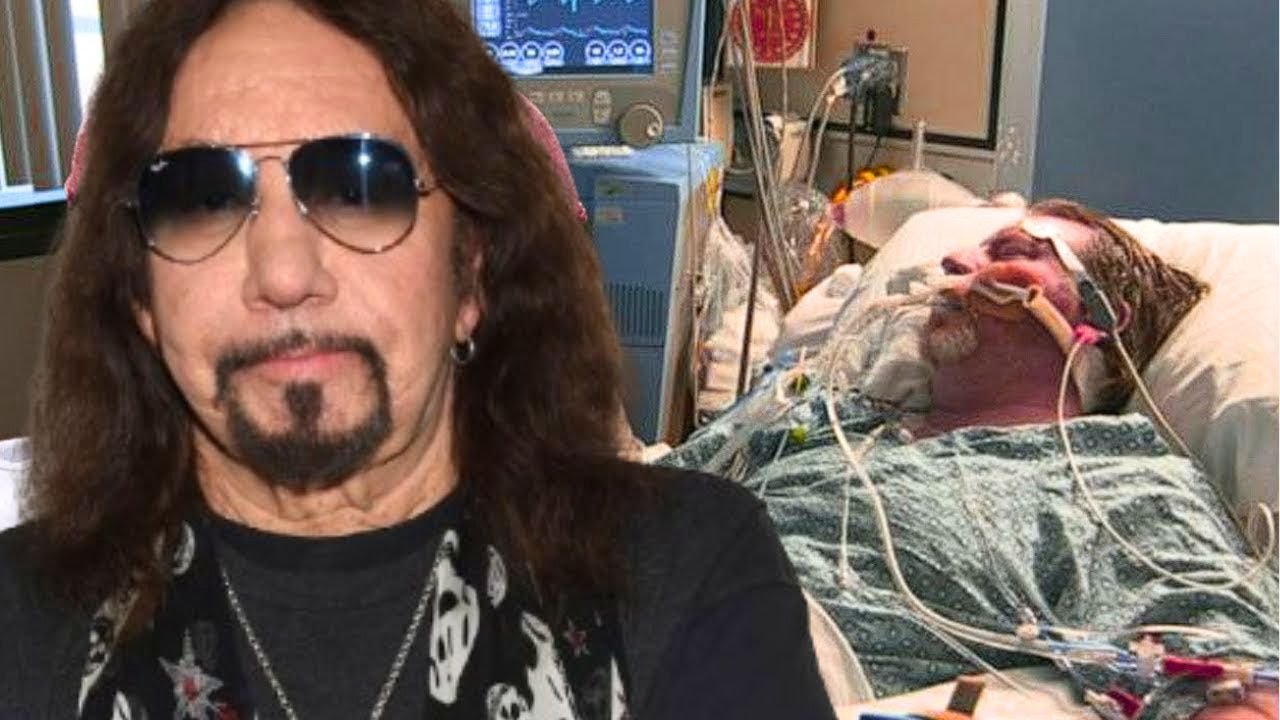
Ace Frehley is reportedly in stable health for a man in his mid-70s. While he has dealt with minor age-related issues that have occasionally affected his tour schedule, he remains active and sober. His primary physical challenge is the stamina required for long live performances, which has led to shorter setlists in recent years.
Did Ace Frehley perform at the final KISS show?
No, Ace Frehley did not perform at the final KISS show at Madison Square Garden in December 2023. Despite significant fan anticipation and public back-and-forth between Frehley and Paul Stanley, an agreement was never reached. The band opted to debut their digital avatars instead of inviting original members on stage.
Why do some critics say Ace Frehley's guitar playing has declined?
Critiques of his playing usually center on "sloppiness" and tempo issues during live shows. Frehley was always known for a loose, blues-based style, but as he has aged, some fans feel his precision has decreased. However, supporters argue that his "feel" and iconic tone remain intact on studio recordings like 10,000 Volts.
How does "10,000 Volts" compare to his early solo work?
10,000 Volts (2024) was seen as a modern return to form, featuring tighter songwriting and better production than his early 2010s output. While it lacks the raw, historical impact of his 1978 solo album, it outperformed expectations on the independent charts and proved he still has a dedicated audience.
Is Ace Frehley still in a dispute with Gene Simmons and Paul Stanley?
The relationship remains "cold." While Gene Simmons has made more conciliatory remarks in 2025 regarding Ace’s contributions to the band, Paul Stanley has remained more distant. The disputes are largely centered on the "professionalism" of the 1996-2002 reunion era and the rights to use the Spaceman makeup.
Preservation of the Spaceman: The Next Steps
The future of Ace Frehley lies not in trying to recapture the 1970s, but in embracing his role as a "statesman of rock." To mitigate the perception of a decline, many industry analysts suggest that Frehley should move toward a "storytellers" format or residency-style shows. By reducing the physical toll of constant travel and focusing on the stories behind the songs, he could preserve his legacy while acknowledging his current physical limits.
Ultimately, the "shocking truth" is that Ace Frehley is an aging survivor in a genre that wasn't designed for longevity. His "fall" is only a decline when compared to the myth of the 1970s Spaceman—a myth that was always a mix of genuine talent and incredible marketing. In 2026, Ace Frehley remains an essential figure in rock history, a man who survived the excesses of the industry to continue playing the music he loves on his own terms. Fans should appreciate the Spaceman while he is still in orbit, recognizing that the "decline" is simply the natural sunset of a legendary career.