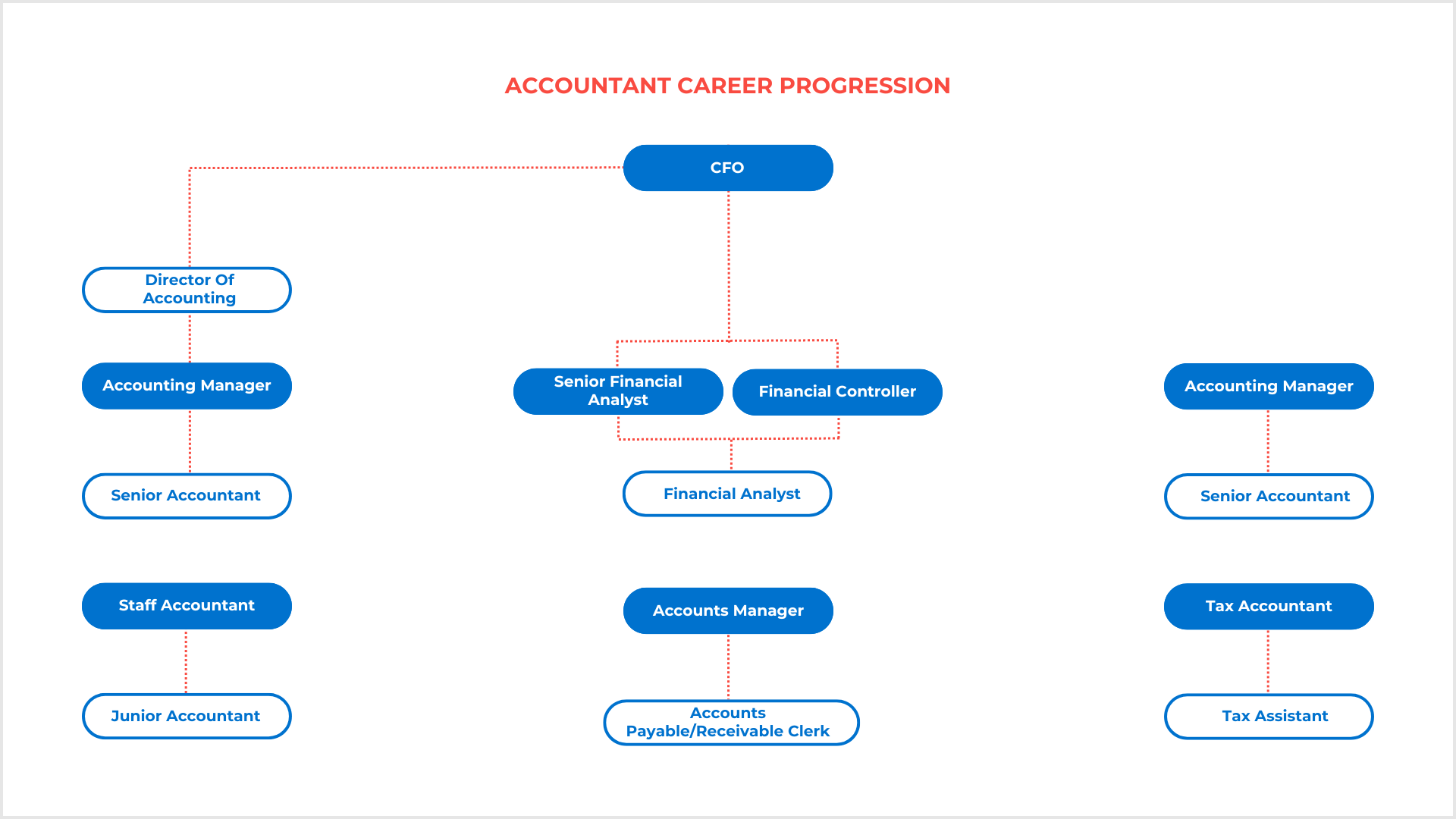
An accounting career in 2026 serves as the analytical backbone of global commerce, moving beyond traditional bookkeeping into strategic financial leadership. Professionals in this field manage financial records, ensure regulatory compliance, and provide the critical data insights necessary for organizational growth, risk mitigation, and long-term sustainability in an automated economy.
The landscape of the accounting profession has undergone a significant transformation. While the core principles of accuracy and ethics remain unchanged, the role of the modern accountant now integrates advanced data analytics, ESG (Environmental, Social, and Governance) reporting, and strategic advisory services. For those entering the field or seeking to advance, understanding the distinct sectors, required certifications, and the impact of automation is essential for long-term success.
Core Sectors of the Accounting Profession
Choosing an accounting career path involves identifying which sector aligns with your professional goals and preferred work environment. In 2026, the profession is primarily divided into four major categories, each offering unique challenges and compensation structures.
Public Accounting
Public accounting firms provide services to a variety of clients, ranging from individuals to multinational corporations. This sector is famous for its "Big Four" (Deloitte, PwC, EY, and KPMG) and numerous mid-tier and boutique firms. Working in public accounting typically involves auditing, tax services, and management consulting. It is often considered the most rigorous path due to "busy seasons," but it provides unparalleled exposure to different industries and rapid promotion cycles.
Corporate (Private) Accounting
Corporate accountants work internally for a single company. Their responsibilities include financial reporting, internal auditing, cost accounting, and budgeting. Unlike public accounting, where you see many clients, corporate accounting allows for a deep dive into the financial health of one specific organization. Roles in this sector often offer a more predictable schedule and the opportunity to influence the strategic direction of the business from the inside.
Government and Non-Profit Accounting
This sector focuses on accountability and the stewardship of public or donor funds rather than profit maximization. Government accountants work at federal, state, or local levels (such as the GAO or IRS) to ensure tax revenues are spent according to the law. Non-profit accountants manage grants, donor restrictions, and tax-exempt status compliance. These roles often offer excellent benefits and a strong sense of public service.
Forensic and Specialized Accounting
As financial crimes and cyber-threats have become more sophisticated by 2026, forensic accounting has grown significantly. These specialists investigate white-collar crimes, money laundering, and embezzlement. They often work with law enforcement or as expert witnesses in legal proceedings. Other specialties include ESG accounting, where professionals measure and report a company’s carbon footprint and social impact to meet new global transparency standards.
Educational Requirements and the 150-Hour Rule
Entering the accounting profession requires a solid academic foundation. While a Bachelor’s degree in Accounting or Finance is the minimum requirement for entry-level positions, the path to becoming a Certified Public Accountant (CPA) requires additional commitment.
Most jurisdictions in 2026 maintain the 150-credit hour requirement for CPA licensure. Since a standard bachelor's degree is usually 120 credit hours, aspiring CPAs must complete an additional 30 hours. This is frequently achieved through a Master’s in Accounting (MAcc) or an MBA with an accounting concentration. These advanced programs focus on complex topics such as:
- Advanced Auditing: Utilizing AI-driven sampling and continuous auditing techniques.
- International Accounting Standards: Navigating the convergence between US GAAP (Generally Accepted Accounting Principles) and IFRS (International Financial Reporting Standards).
- Financial Theory: Understanding the economic principles that underpin market valuations and capital structures.
For those not pursuing the CPA, specialized master's programs in Data Analytics or Financial Technology (FinTech) are becoming increasingly popular alternatives to bridge the gap between traditional accounting and the modern tech-driven landscape.
Professional Certifications: The Gold Standards
In 2026, certifications are more than just letters after a name; they are verified proof of specialized expertise that dictates salary ceilings and leadership potential.
| Certification | Focus Area | Best For | Key Requirements |
|---|---|---|---|
| CPA (Certified Public Accountant) | Taxation, Auditing, Regulation | Public Accounting & Executive Roles | 150 credit hours, 4-part exam, 1-2 years experience |
| CMA (Certified Management Accountant) | Decision analysis, Internal control | Corporate Leadership & Finance | Bachelor’s degree, 2-part exam, 2 years experience |
| CIA (Certified Internal Auditor) | Risk management, Governance | Internal Audit & Compliance | Degree, 3-part exam, character reference |
| CISA (Certified Information Systems Auditor) | IT Auditing, Cybersecurity | Tech-focused Audit & Risk | 5 years experience (waivers available), 1-part exam |
| ESG Certification | Sustainability reporting, Carbon accounting | Corporate Social Responsibility | Specialized training modules and assessment |
The CPA Evolution model, fully implemented by 2026, requires candidates to demonstrate core competency in accounting, auditing, and tax, while also choosing a "discipline" for deeper testing, such as Business Analysis and Reporting (BAR), Information Systems and Controls (ISC), or Tax Compliance and Planning (TCP).
The Impact of Technology and AI in 2026
The most significant shift in the accounting career over the last decade has been the integration of Artificial Intelligence (AI) and Robotic Process Automation (RPA). By 2026, the "entry-level" work of manual data entry, bank reconciliations, and basic categorization has been almost entirely automated.
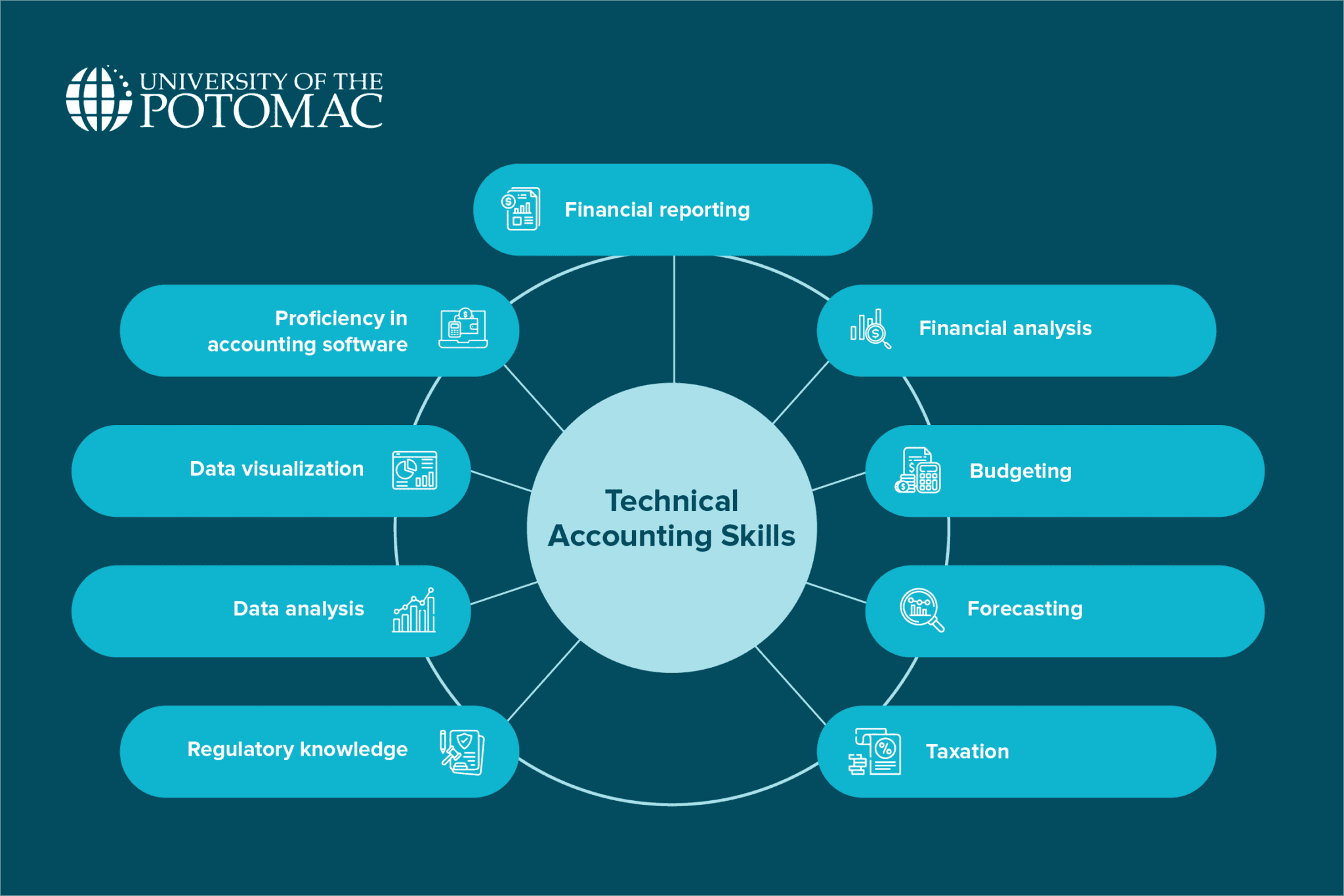
This shift has changed the nature of early-career roles. Junior accountants are no longer expected to spend 40 hours a week in spreadsheets; instead, they act as data validators and analysts. They must understand how the automation "black box" works to identify errors or anomalies that the AI might miss. Proficiency in tools like Python, SQL, and advanced visualization software (e.g., Tableau or Power BI) is now as fundamental as knowing how to use a calculator was thirty years ago.
Furthermore, blockchain technology has revolutionized the "audit trail." In sectors utilizing distributed ledgers, transactions are verified in real-time, moving the profession toward continuous auditing. This reduces the year-end crunch and allows accountants to provide real-time financial insights to business owners.
Salary Expectations and Market Demand
The demand for skilled accountants remains high in 2026, driven by an aging workforce of retiring Baby Boomers and the increasing complexity of global financial regulations. Compensation varies based on geography, specialization, and years of experience.
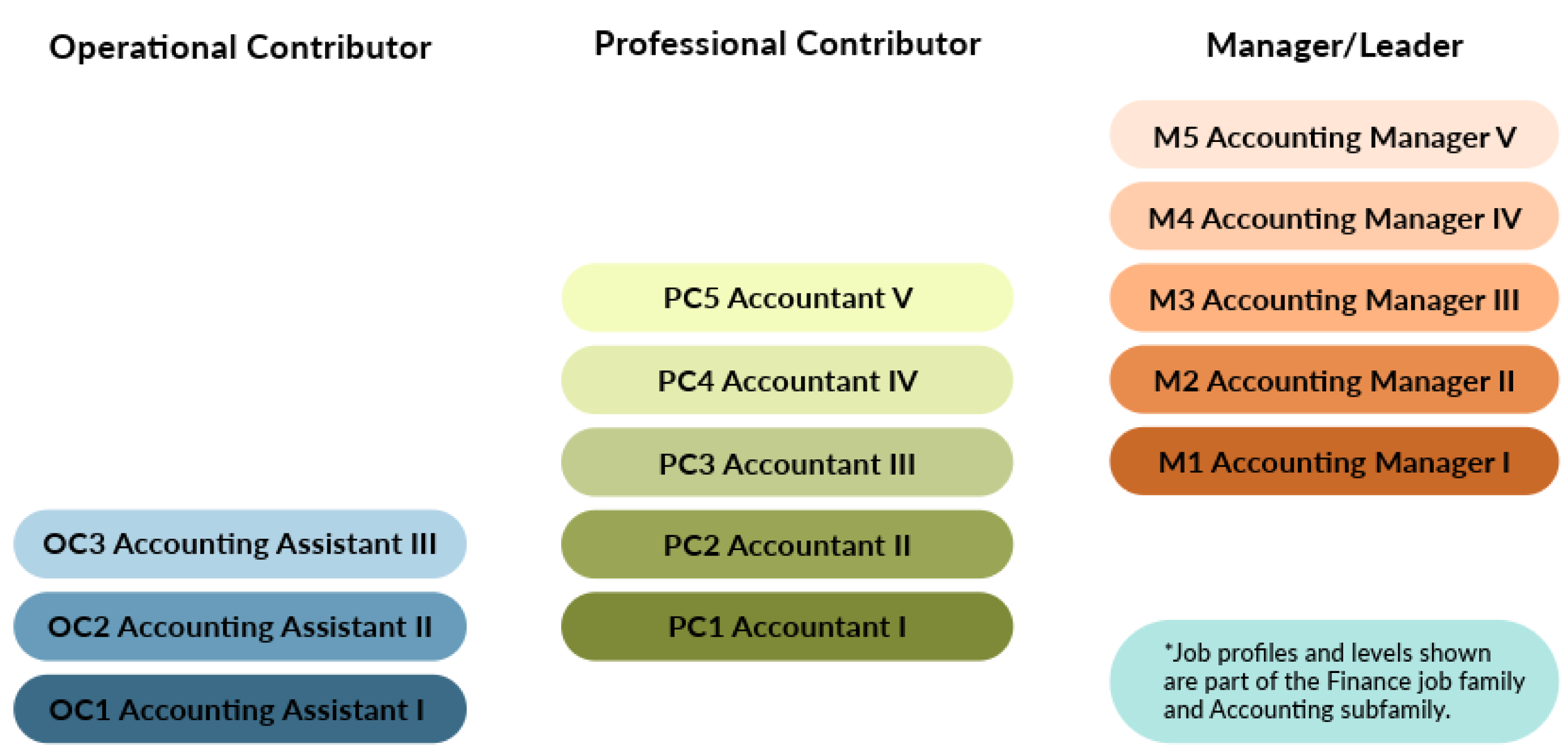
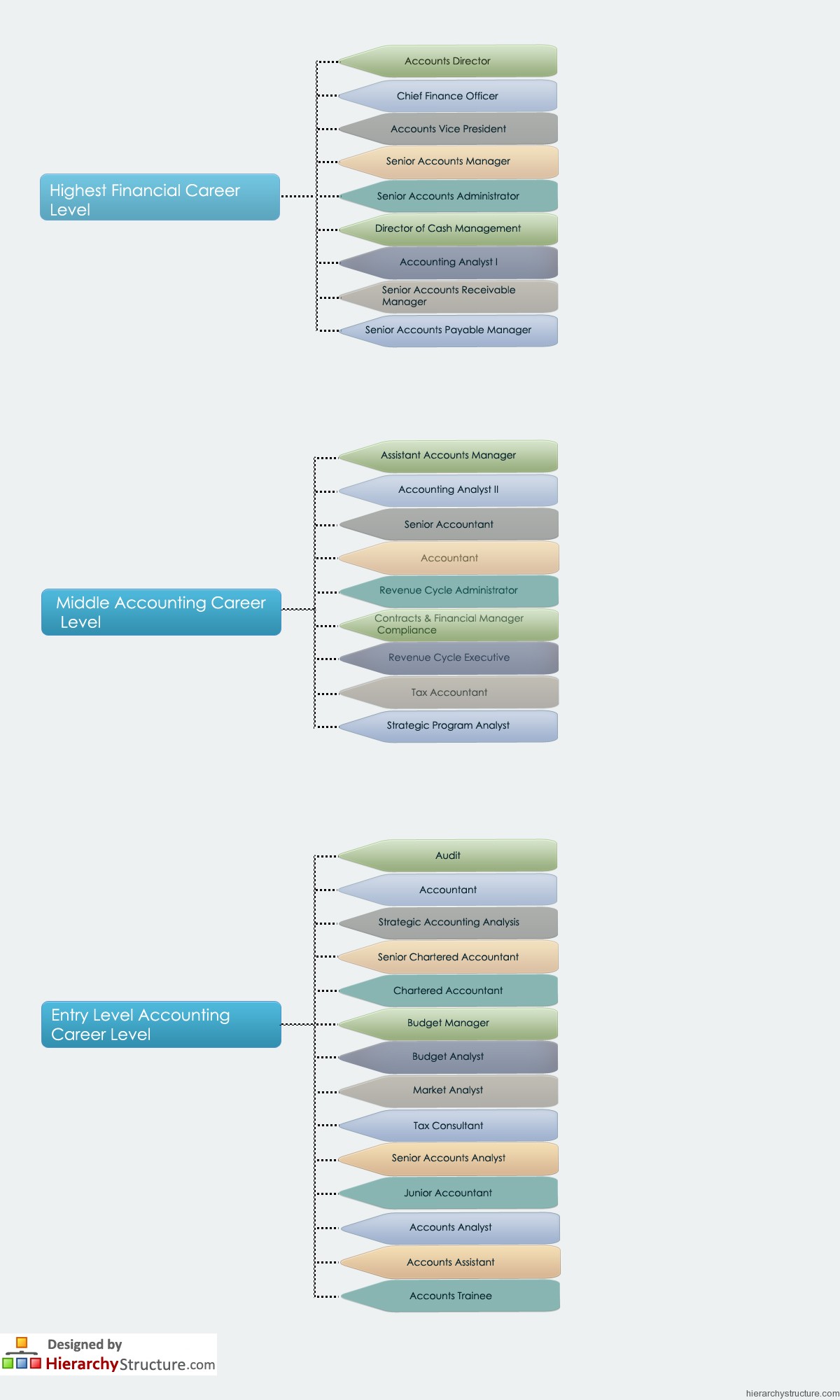
Entry-level associates in public accounting can expect starting salaries ranging from $65,000 to $85,000, depending on the size of the firm and the cost of living in the region. Senior managers and directors in specialized fields like international tax or forensic accounting often see base salaries exceeding $180,000, with significant performance bonuses.
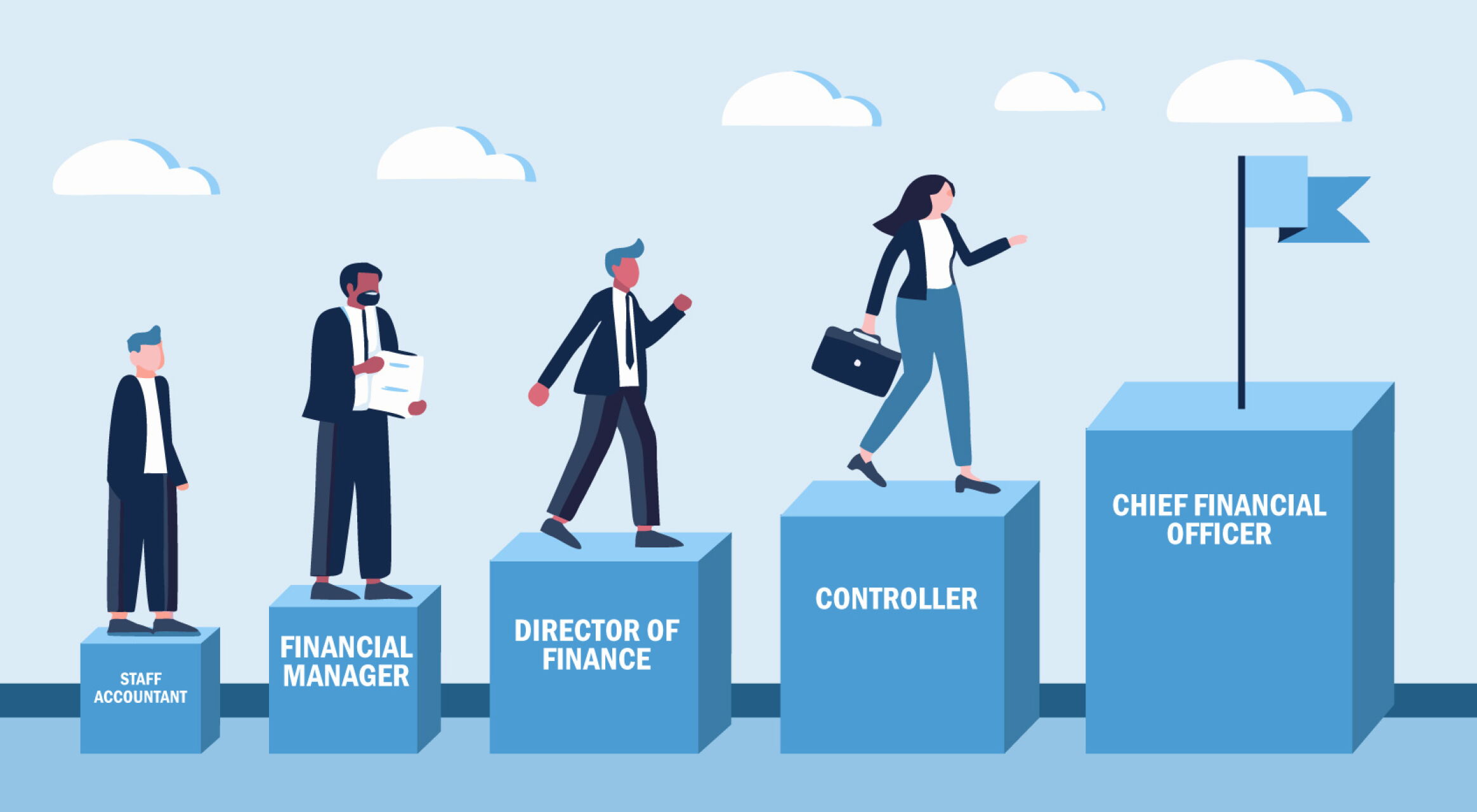
In the corporate world, the path to Controller or Chief Financial Officer (CFO) remains one of the most lucrative career trajectories. A CFO of a mid-sized corporation in 2026 often earns a total compensation package (including equity) well into the mid-six figures.
Essential Soft Skills for Modern Accountants
Technical proficiency is no longer enough to sustain a high-level accounting career. As AI handles the quantitative "heavy lifting," the value of an accountant increasingly lies in their qualitative judgment and communication skills.
- Strategic Advisory: Being able to look at a balance sheet and tell a story. What does the data say about where the company should invest next year?
- Ethics and Skepticism: In an era of automated data, the ability to maintain professional skepticism and ethical standards is the profession’s primary safeguard against fraud.
- Cross-Functional Collaboration: Accountants must work closely with IT, Marketing, and Operations to ensure that financial goals are aligned with company-wide initiatives.
- Adaptability: With tax laws and technology changing annually, a "growth mindset" is required to remain relevant over a 40-year career.
Is an accounting career still worth it in 2026?
Yes, it remains one of the most stable and high-earning career paths. While automation has changed the "how" of accounting, the "why"—providing trust and clarity in financial markets—is more critical than ever. Professionals who embrace technology rather than fear it find themselves in higher demand as strategic advisors.
Do I need to be a math genius to be an accountant?
No. Accounting is more about logic, organizational skills, and understanding rules (law) than it is about complex calculus. Most of the arithmetic is handled by software; the accountant’s job is to ensure the logic applied to that arithmetic is correct according to regulatory standards.
How has the "Busy Season" changed with remote work?
By 2026, the traditional 80-hour work week in a physical office has largely evolved. Many firms have moved to "asynchronous" work models or implemented four-day work weeks during the off-season. However, periods of high intensity still exist around tax deadlines and fiscal year-ends, though remote flexibility has improved work-life balance for many.
What is the difference between a Bookkeeper and an Accountant?
A bookkeeper focuses on the daily recording of transactions—the administrative side of finance. An accountant analyzes those transactions, ensures they comply with legal standards, performs tax planning, and provides financial advice. In 2026, most bookkeeping tasks are automated, while accounting requires human judgment.
Can I work internationally with a US CPA?
The US CPA is one of the most respected financial credentials globally. Through "Mutual Recognition Agreements" (MRAs), CPAs can often practice in countries like Canada, Australia, and Ireland with minimal additional testing. However, you must stay informed about the specific regulations of the local jurisdiction.
What are the biggest risks to an accounting career?
The primary risks are stagnation and obsolescence. Professionals who fail to learn data analytics or who ignore the shift toward ESG reporting may find their skills devalued. Additionally, the high-pressure environment of certain sectors can lead to burnout if not managed with proper boundaries.
Next Steps: Building Your Path
To begin or advance your accounting career, start by identifying your "North Star" sector—whether it’s the fast-paced world of public audit or the strategic environment of corporate finance.
- Audit Your Education: Ensure you are on track for the 150-hour requirement early in your college career to avoid last-minute scrambling.
- Target a Discipline: Under the new CPA Evolution rules, choose a specialty (like ISC for technology lovers) that matches market trends.
- Master the Stack: Beyond Excel, learn at least one data visualization tool and familiarize yourself with ERP (Enterprise Resource Planning) systems like SAP or Oracle.
- Network Early: Internship recruiting for major firms often happens two years before graduation. Engage with professional organizations like the AICPA or IMA (Institute of Management Accountants) to build connections.
By treating your accounting career as a journey of continuous learning and strategic adaptation, you can ensure a position of influence and stability in the global economy of 2026 and beyond.