An accountability corporate response is a formal framework used by organizations to acknowledge failures, accept responsibility for specific outcomes, and outline transparent corrective actions. Unlike traditional crisis communications, this approach prioritizes ethical rectification and systemic reform over simple reputation management, ensuring that stakeholders receive a verifiable commitment to change and measurable progress toward restoration.
The Evolution of Corporate Accountability and Response Frameworks
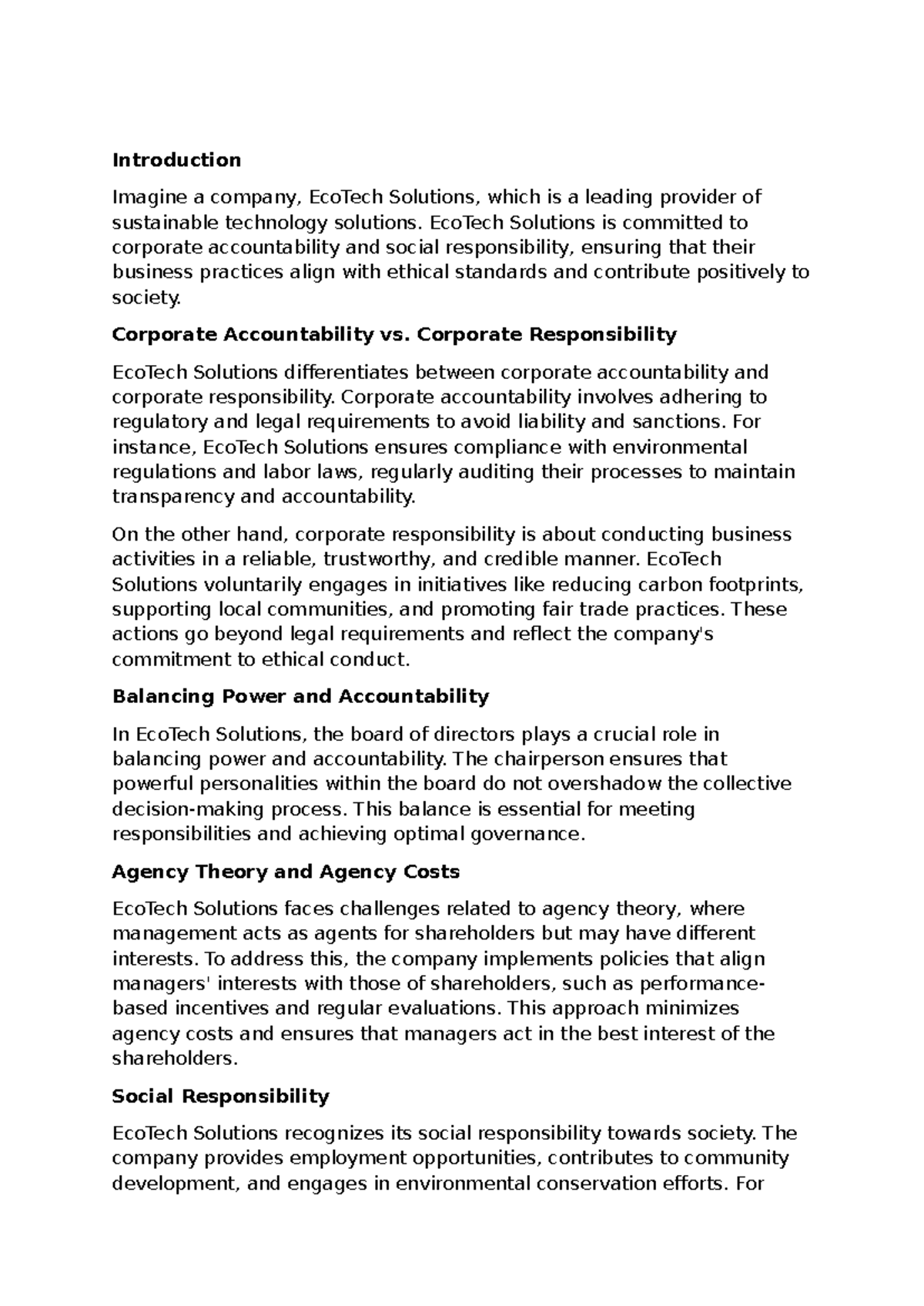
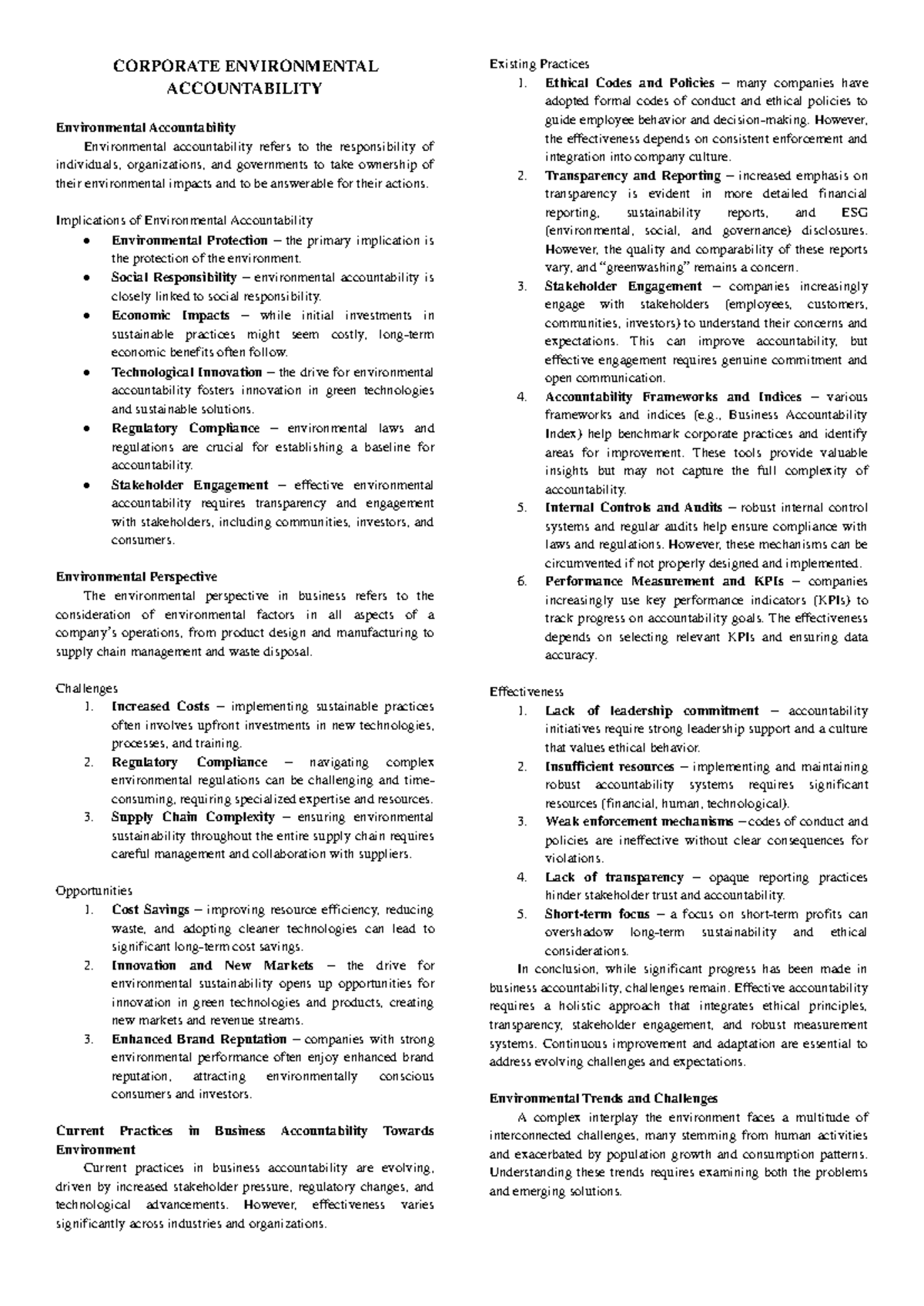
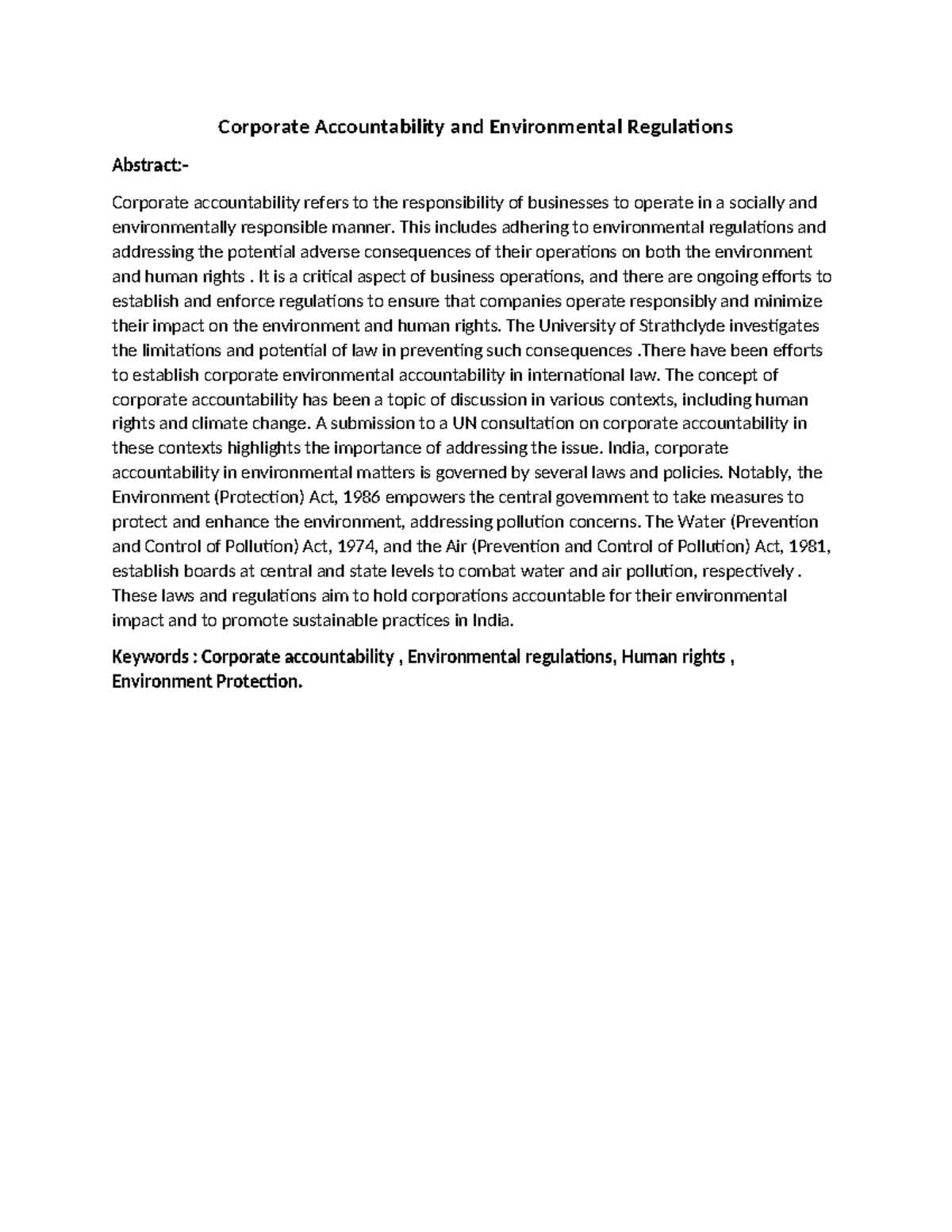
The landscape of corporate responsibility has shifted dramatically leading into 2026. Historically, businesses often viewed a "response" as a defensive measure—a way to mitigate legal risk and pacify the media. However, the maturation of the Corporate Sustainability Reporting Directive (CSRD) in Europe and evolving SEC disclosure requirements in the United States have codified the need for genuine accountability. Modern stakeholders, ranging from institutional investors to Gen Z consumers, now demand more than an "apology." They require a documented trail of how a failure occurred and exactly what is being done to prevent its recurrence.
In the current environment, an accountability corporate response serves as a bridge between a localized failure and the organization’s long-term ESG (Environmental, Social, and Governance) goals. This evolution has moved from "damage control" to "integrity restoration." Organizations are now judged not just by the mistake itself, but by the speed, depth, and honesty of their response. This shift reflects a broader societal movement toward radical transparency, where data-driven evidence of reform carries more weight than polished press releases.
Furthermore, the integration of real-time digital monitoring means that silence is no longer an option. In 2026, the window for an effective response has shrunk from days to hours. An organization that fails to take immediate ownership often finds that the narrative is seized by external actors, leading to a loss of brand equity that can take years to recover. Understanding this evolution is the first step in building a resilient corporate structure that views accountability as a competitive advantage rather than a burden.
Core Pillars of a High-Integrity Corporate Response
To be effective, an accountability corporate response must be built on three foundational pillars: Admission, Rectification, and Reform. Without all three, a response is likely to be perceived as performative or insincere.
Admission involves more than just a public statement. It requires a clear, unambiguous acknowledgement of the facts. This includes identifying the specific policies, personnel, or cultural factors that led to the issue. In 2026, leading firms employ "Fact-First" communications, where they release a detailed timeline of events simultaneously with their executive statement. This limits the spread of misinformation and demonstrates that the company is not hiding behind legal jargon.
Rectification focuses on the immediate victims of the corporate failure. Whether the issue is a data breach, an environmental spill, or a labor dispute, the response must outline how those harmed will be made whole. This might involve financial compensation, restoration of services, or direct community investment. The key here is proportionality; the remedy must match the scale of the grievance.
Reform is the most critical pillar for long-term viability. It addresses the systemic "Why" behind the problem. A robust corporate response will detail the structural changes being implemented—such as board-level reshuffling, new compliance software, or revised ethical guidelines. By 2026 standards, reform must be auditable. Companies often commit to a third-party oversight committee to verify that the promised changes are actually taking place.
The Intersection of Legal Strategy and Ethical Responsibility
One of the most complex challenges in crafting an accountability corporate response is the tension between legal liability and ethical transparency. Historically, legal counsel often advised companies to remain silent or "deny everything" to minimize evidence for future litigation. However, the rise of "Apology Acts" in several jurisdictions and a more nuanced understanding of the "Litigation of Reputation" have changed this calculus.
In 2026, legal strategies have largely aligned with the reality that public opinion often precedes a courtroom verdict. A company that denies an obvious failure may win the legal battle but lose its market cap as customers and partners exit. Consequently, modern legal teams work closely with ethics officers to craft statements that express regret and responsibility without necessarily admitting to statutory violations that could trigger catastrophic class-action lawsuits.
This balance is maintained through "Qualified Transparency." This involves being fully transparent about the actions taken and the commitment to change, while leaving specific determinations of legal fault to the appropriate regulatory bodies. By focusing the response on remediation rather than culpability, companies can often satisfy the public's need for accountability while maintaining a defensible legal position. This sophisticated approach requires a high degree of internal alignment between the CEO, the General Counsel, and the Chief Sustainability Officer.
Implementation: A Step-by-Step Response Protocol
When a crisis occurs, the execution of the response determines its success. A fragmented or delayed response can be more damaging than the original incident. Organizations should follow a structured protocol to ensure consistency and thoroughness.
- Immediate Internal Audit: Before speaking publicly, the organization must establish a "Single Version of Truth." This involves an rapid internal investigation to determine what happened, who was affected, and the current status of the situation.
- Stakeholder Mapping: Different stakeholders require different information. Investors need to know about fiscal impact; employees need to know about job security and culture; customers need to know about product safety or service integrity.
- The "Gold Hour" Statement: The first public acknowledgement should occur as soon as the basic facts are verified. This statement should acknowledge the situation, express concern, and commit to a full investigation. It should not speculate on outcomes.
- The Comprehensive Accountability Plan: Within a short timeframe (usually 24–72 hours), the company should release its detailed plan for rectification and reform. This document serves as the roadmap for the following months.
- Verified Reporting Intervals: Accountability is a process, not a moment. The response protocol must include scheduled updates—monthly or quarterly—where the company reports on its progress against the initial promises made in the accountability plan.
Comparative Framework: Accountability vs. Traditional PR
| Feature | Traditional PR Response | Modern Accountability Response |
|---|---|---|
| Primary Goal | Reputation protection and "spin" | Systematic restoration and trust-building |
| Tone | Defensive, cautious, and legalistic | Transparent, empathetic, and evidence-based |
| Information Flow | Controlled and reactive | Open and proactive |
| Responsibility | Often shifted to external factors | Owned internally at the executive level |
| Verification | Self-reported success | Third-party audits and stakeholder verification |
| Legal Stance | Admission-averse | Fact-forward with focus on remediation |
| Long-term Focus | Ending the news cycle | Institutionalizing cultural and structural reform |
Measuring the Success of Accountability Initiatives
In 2026, the success of a corporate response is no longer measured solely by a return to pre-crisis stock prices. Instead, organizations use a multi-dimensional set of Key Performance Indicators (KPIs) to evaluate the effectiveness of their accountability measures.
One primary metric is the Trust Restoration Index, which uses sentiment analysis across social media, news outlets, and employee internal surveys to gauge if stakeholders believe the company has truly changed. Another critical KPI is the Recidivism Rate—the frequency of similar incidents occurring after reforms have been implemented. A successful accountability response should result in a near-zero rate for the specific failure addressed.
Additionally, companies track Retention Rates among both customers and employees. A well-handled response can actually increase loyalty; when an organization handles a mistake with grace and integrity, it demonstrates a level of reliability that may have been previously unproven. Finally, the Cost of Capital remains a vital indicator. In the 2026 financial market, banks and institutional investors frequently tie interest rates and investment tranches to an organization’s "Accountability Score," making ethical responses a direct financial necessity.
Frequently Asked Questions
How does an accountability response differ from a public relations statement?
A public relations statement focuses on managing the perception of an event to protect the brand's image. An accountability response, however, focuses on the reality of the event. It involves admitting specific failures, providing tangible redress to those affected, and implementing verifiable structural changes to ensure the event does not happen again. PR is about how things look; accountability is about how things are.
Can admitting fault in a corporate response lead to increased legal liability?
While there is always a risk, modern legal frameworks often differentiate between "statements of regret" and "admissions of legal negligence." In many cases, a swift and honest response can actually reduce liability by demonstrating that the company took immediate action to mitigate damages. Many jurisdictions now have laws that prevent certain types of apologies from being used as evidence of fault in civil court.
What role does the Board of Directors play in an accountability response?
The Board of Directors is the ultimate steward of corporate accountability. They are responsible for overseeing the executive team's response, ensuring it aligns with the company’s ethical standards, and holding leadership accountable for the implementation of promised reforms. In 2026, it is common for the Board to appoint a special committee to oversee the response to significant crises.
How should a company handle internal accountability with employees?
Internal accountability is just as important as external statements. Employees need to know that the company's values are being upheld. This involves transparent communication from leadership, a "no-retaliation" policy for whistleblowers, and clear consequences for those responsible for the failure. Internal trust is the foundation upon which external trust is built.
What is the 'Gold Hour' in corporate crisis response?
The 'Gold Hour' refers to the first 60 minutes after a crisis becomes public. During this time, the narrative is most malleable. An effective accountability response during this window—even if it is just to acknowledge the situation and promise an update—prevents a vacuum of information that is typically filled by speculation, anger, and misinformation.
Establishing a Culture of "Pre-emptive Accountability"
The most effective way to manage a corporate response is to have a culture where accountability is institutionalized before a crisis occurs. This "Pre-emptive Accountability" involves regular ethical audits, transparent reporting even when things are going well, and a reward system that prioritizes long-term integrity over short-term gains.
For organizations operating in 2026, the recommendation is to move beyond reactive planning. Companies should conduct "Pre-Mortems"—simulated failures where the team practices crafting and executing an accountability-driven response. By stress-testing the organization’s ability to be honest and transparent under pressure, leadership can identify gaps in their communication flow and legal strategy. Ultimately, the goal is to reach a state where the corporate response is not a desperate attempt to save the company, but a natural extension of its core values.