Account rules are the governing frameworks—comprising statutory regulations, internal bank policies, and international standards—that dictate how financial accounts are opened, managed, and closed. Whether you are an individual consumer managing a personal checking account or a corporate treasurer overseeing complex liquidity structures, these rules define your rights, liabilities, and the operational boundaries of your financial relationship with an institution.
In 2026, the landscape of account rules is shaped by a blend of long-standing consumer protection laws and newer, technology-driven protocols designed to combat sophisticated financial crimes. Understanding these rules is essential for avoiding unnecessary fees, maintaining access to capital, and ensuring that your financial data remains secure within the global banking system.
The Regulatory Foundation of Account Rules
Account rules do not exist in a vacuum; they are built upon a foundation of national and international law. In the United States, for example, the Federal Reserve and the Consumer Financial Protection Bureau (CFPB) set the "rules of the road" that all depository institutions must follow. These regulations are designed to ensure transparency and fairness in the financial system.
One of the most significant pillars is Regulation DD, also known as the Truth in Savings Act. This rule requires banks to provide clear disclosures regarding interest rates (Annual Percentage Yield) and fee structures before an account is even opened. It prevents institutions from using misleading advertising and ensures that consumers can make "apples-to-apples" comparisons between different products.
Similarly, Regulation E governs electronic fund transfers. In an era where digital wallets and instant payment systems are the norm, Regulation E provides the critical rules for resolving errors and limiting consumer liability for unauthorized transactions. If a debit card is stolen or a digital transfer is made without permission, the specific timelines and procedures for reporting the incident are dictated by these account rules.
Core Rules for Personal Bank Accounts
When an individual opens a personal account, they agree to a "Deposit Account Agreement." This document is the primary source of internal account rules. While these documents can be lengthy, they generally focus on several key areas that impact daily financial life.
Minimum Balance and Maintenance Fees
Most traditional banking institutions enforce rules regarding minimum balances. If the "average daily balance" or the "minimum daily balance" falls below a specified threshold, the bank may trigger a monthly maintenance fee. In 2026, many "neo-banks" and digital-first institutions have eliminated these specific rules to attract younger demographics, but they remain a standard feature of premium and traditional retail accounts.
Funds Availability Policies
Regulated under Regulation CC, funds availability rules determine how quickly you can access money after depositing a check. These rules distinguish between "local" checks, government checks, and electronic transfers. Banks are required to make a certain portion of a deposit available within one business day, while the remainder may be held for several days to ensure the check clears. Understanding these rules is vital for managing cash flow and avoiding bounced payments.
Overdraft and Nonsufficient Funds (NSF)
The rules governing overdrafts have undergone significant scrutiny and reform leading up to 2026. Current rules typically require consumers to "opt-in" to overdraft protection for ATM and one-time debit card transactions. Without this opt-in, the bank’s rule is usually to decline the transaction if funds are insufficient. If a consumer does opt-in, they must adhere to the bank’s fee schedule, which often limits the total number of overdraft fees that can be charged in a single business day.
Business Account Rules and Corporate Governance
Business accounts operate under a more complex set of rules than personal accounts. Because businesses are legal entities separate from their owners, the rules focus heavily on authorization and documentation.
Corporate Resolutions and Signing Authority
A business cannot simply "open" an account; it must provide a corporate resolution. This is a formal document, approved by the company’s board or owners, that specifies exactly who has the "signing authority" to move money, open lines of credit, or close the account. Account rules for businesses often require multiple signatures for transactions above a certain dollar amount to prevent internal fraud.
Beneficial Ownership and KYC Rules
Under the Corporate Transparency Act and associated "Know Your Customer" (KYC) regulations, banks must follow strict rules to identify the "beneficial owners" of any business account. This means that anyone with 25% or more ownership in a company must provide personal identification and address verification. These rules are non-negotiable and are designed to prevent the banking system from being used for money laundering or the financing of illegal activities.
Separation of Funds (Commingling)
One of the most important rules for business account holders is the prohibition against commingling personal and business funds. While the bank may not physically prevent you from buying groceries with a business debit card, doing so violates the "corporate veil." If a business owner ignores these rules, they may lose the limited liability protection that their business structure (like an LLC or Corp) provides, making their personal assets vulnerable to business creditors.
Comparison of Common Account Types and Rules
The specific rules applicable to an account often depend on its classification. The following table compares the typical constraints found in common account types as of 2026.
| Account Type | Primary Purpose | Common Withdrawal Rules | Interest/Yield Rules |
|---|---|---|---|
| Checking Account | Daily Transactions | Unlimited via debit/ATM | Typically low or zero |
| Savings Account | Capital Preservation | Often limited by internal policy | Variable, based on market |
| Money Market (MMA) | Higher Yield Liquidity | May have check-writing limits | Tiered rates based on balance |
| Certificate of Deposit | Fixed-Term Investment | Penalties for early withdrawal | Fixed rate for a set term |
| Trust Account | Fiduciary Management | Restricted to trust terms | Varies by asset type |
Digital Security and Fraud Prevention Rules
In 2026, account rules have evolved to place a greater emphasis on the partnership between the bank and the user regarding security. Modern account agreements often include "Customer Due Diligence" clauses that require users to follow specific security protocols.
Multi-Factor Authentication (MFA)
Many institutions now make MFA a mandatory rule for account access. Failure to utilize provided security features (like biometric login or hardware tokens) can sometimes impact a user’s ability to claim full reimbursement for fraud. The rule is simple: the bank provides the security tools, and the customer is responsible for using them.
Activity Monitoring and Freezes
Banks use AI-driven rules to monitor account activity for "anomalous behavior." If a transaction occurs in a foreign country or for an unusually high amount, the bank’s internal rules may trigger an automatic account freeze. While frustrating, these rules are a primary defense mechanism against unauthorized access. Users are generally required to keep their contact information updated so the bank can verify these transactions in real-time.
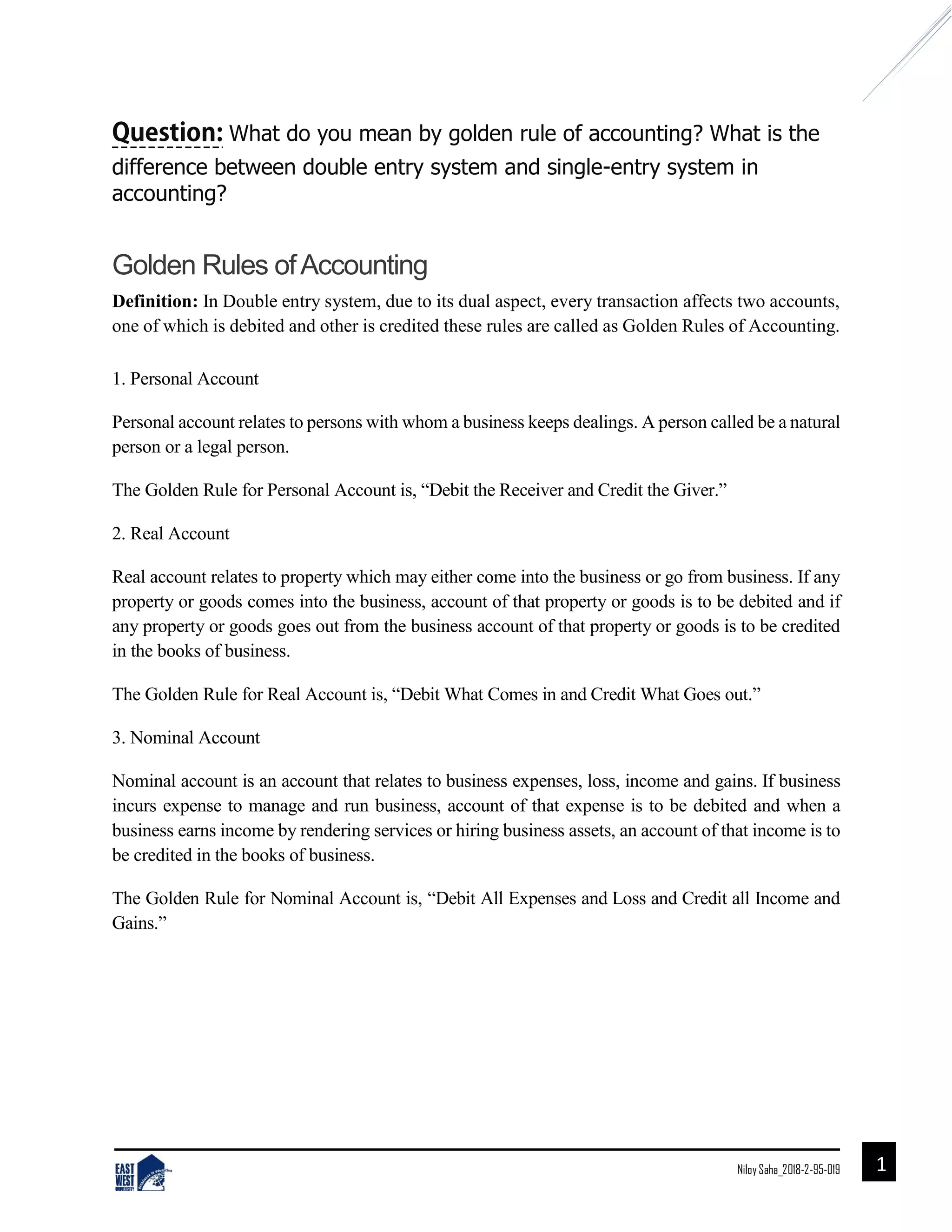
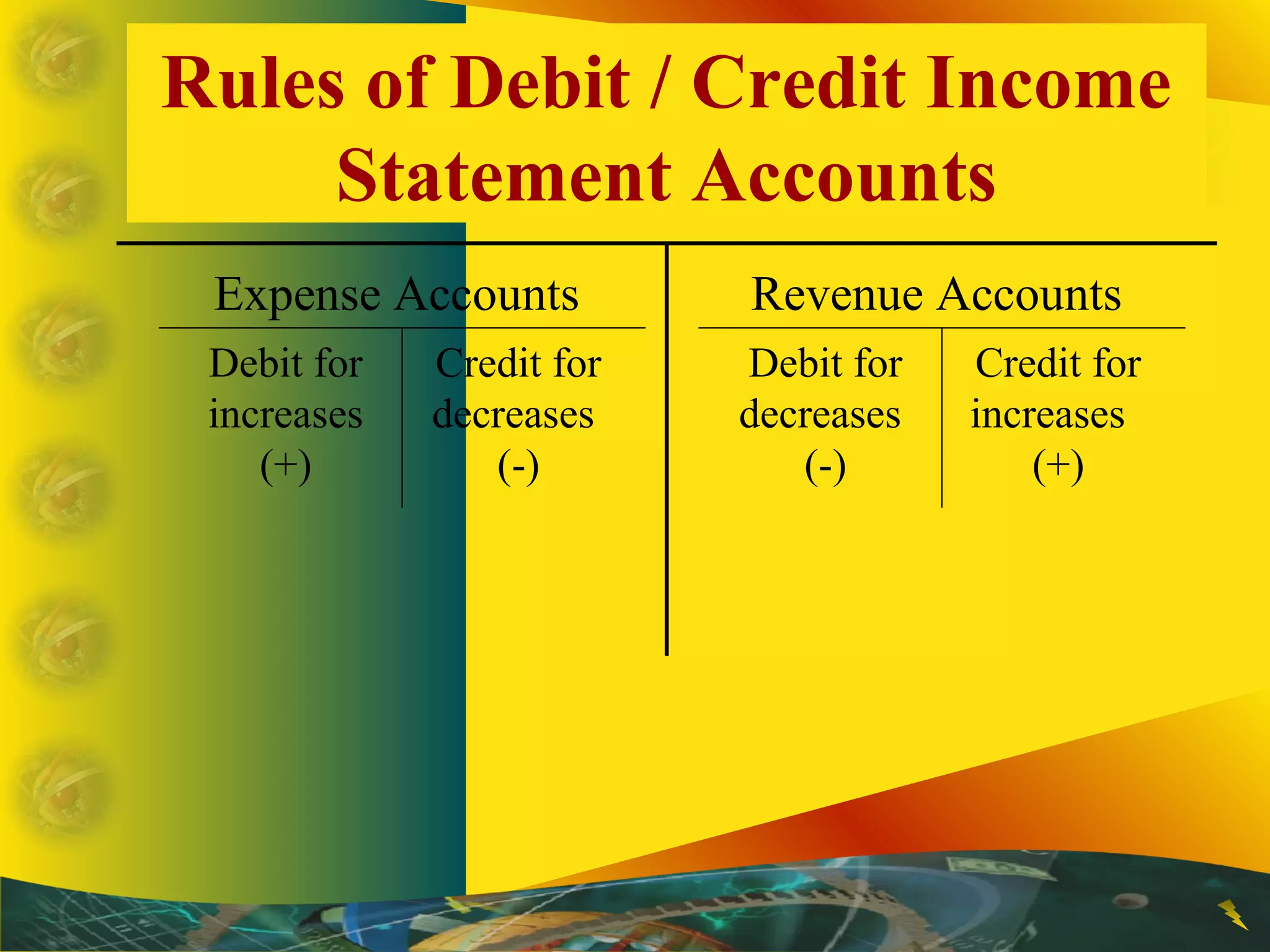
Accounting Rules: GAAP vs. IFRS
While "account rules" often refers to banking, it is also a term used in the professional accounting world to describe the standards for financial reporting. If you are managing accounts for a corporation, you must follow either Generally Accepted Accounting Principles (GAAP) or International Financial Reporting Standards (IFRS).
These "rules for accounts" ensure that financial statements are consistent, transparent, and comparable. For example, the rules dictate:
- Revenue Recognition: When exactly a sale can be recorded as "income."
- Asset Valuation: How to calculate the value of property or equipment over time (depreciation).
- Liability Disclosure: How and when a company must report debts or potential legal losses.
For businesses operating in the United States, GAAP is the standard rule set governed by the Financial Accounting Standards Board (FASB). For those operating internationally, IFRS is often the requirement.
Troubleshooting Rule Violations and Disputes
What happens when an account rule is broken or applied incorrectly? The process for resolution is itself governed by specific rules.
- Notice of Error: If you believe a rule has been misapplied (e.g., an incorrect fee), you must provide a formal notice to the institution. Under Regulation E, for electronic errors, you generally have 60 days from the date the statement was sent to report the issue.
- Investigation Period: Once notified, the bank typically has 10 to 45 business days to investigate. If the investigation takes longer, they are often required to "provisionally credit" your account for the disputed amount.
- Arbitration vs. Litigation: Most modern account agreements include a "mandatory arbitration" clause. This rule prevents customers from suing the bank in open court, requiring instead that disputes be settled by a neutral third-party arbitrator.
Common Mistakes to Avoid
- Ignoring the Fee Schedule: Many users assume account rules are the same everywhere. Always check the "Schedule of Fees" specifically, as these are updated annually.
- Neglecting Dormant Accounts: Most states have "escheatment" rules. If an account is inactive for several years (usually 3 to 5), the bank is legally required to turn the funds over to the state government as abandoned property.
- Incorrect Beneficiary Designations: Account rules regarding "Payable on Death" (POD) designations override instructions left in a will. Failing to update these can lead to significant legal hurdles for heirs.
Frequently Asked Questions
What are the "Regulation D" rules in 2026?
Regulation D originally limited savings account withdrawals to six per month. While the Federal Reserve removed the federal penalty for exceeding this limit in 2020, many banks in 2026 still maintain internal "account rules" that mirror the old Regulation D. They may charge an "excessive activity fee" or convert a savings account to a checking account if the six-withdrawal threshold is consistently crossed.
Can a bank change my account rules without my permission?
Yes, but they must follow specific notification rules. Generally, banks are required to provide at least a 30-day notice before making "adverse" changes to your account terms, such as increasing fees or lowering interest rates. This notice is usually sent via email or included in your monthly paper statement.
Do account rules apply to cryptocurrency wallets?
It depends on the type of wallet. "Custodial" wallets (where an exchange like Coinbase holds your keys) are governed by the exchange's Terms of Service and increasingly by state and federal "Money Transmitter" rules. "Non-custodial" wallets (where you hold the keys) are not governed by traditional banking account rules, meaning there is no Regulation E protection if you lose your password or are scammed.
What is the rule for "Joint Account" ownership?
In a "Joint Tenancy with Right of Survivorship" (the most common rule for joint accounts), both parties have 100% access to the funds. This means either person can withdraw the entire balance without the other’s consent. If one person dies, the funds automatically belong to the survivor, bypassing the probate process.
How do "Know Your Customer" (KYC) rules affect me?
KYC rules require you to provide periodically updated identification. If your ID expires or if your "nature of business" changes significantly, the bank may freeze your account until new documentation is provided. This is a regulatory requirement designed to stop money laundering, not a discretionary choice by the bank.
Practical Recommendations for Account Management
To navigate account rules effectively, you should adopt a proactive approach to financial governance. Start by requesting a current "Summary of Terms" or "Fee Schedule" from your bank every January; these documents are often updated at the start of the year and contain the most relevant rule changes. If you manage a business, ensure that your corporate resolutions are updated whenever there is a change in leadership to avoid "frozen" funds during a transition.
Finally, consider the use of account aggregation tools that monitor for fee triggers. Many modern financial apps can alert you if your balance is approaching a "minimum balance" threshold or if an "excessive transaction" rule is about to be breached. By staying informed of the specific rules governing your accounts, you can ensure that your capital remains protected, accessible, and compliant with the standards of the 2026 financial ecosystem.