Accommodation research is the systematic process of identifying, verifying, and evaluating potential lodging—ranging from short-term holiday rentals to long-term residential leases. It involves analyzing location data, financial transparency, safety standards, and contract terms to ensure a property meets specific personal or professional requirements while minimizing financial and logistical risks.
Establishing a Research Framework: Defining Core Requirements
Before beginning the digital search process, effective accommodation research requires a structured framework. In 2026, the sheer volume of data available through AI-driven travel assistants and global rental platforms can lead to "choice paralysis." To avoid this, researchers must establish non-negotiable criteria across three primary pillars: utility, finance, and logistics.
Identifying Utility and Amenities
Utility refers to how well a space supports your daily activities. For a digital nomad, this might mean verified Wi-Fi speeds exceeding 100 Mbps and ergonomic workstations. For a family, it may involve proximity to parks or childcare facilities. Research should distinguish between "listed" amenities and "verified" amenities. Many modern platforms now offer third-party inspections or IoT-verified listings that confirm the presence of high-speed internet or climate control systems.
Financial Modeling and Total Cost of Occupancy (TCO)
The sticker price of a hotel room or apartment is rarely the final cost. Comprehensive accommodation research involves calculating the Total Cost of Occupancy. This includes:
- Service fees and taxes: Platform fees (like those on Airbnb or VRBO) and local tourism taxes.
- Utility overheads: For medium-term stays, determine if electricity, water, and heating are capped or billed separately.
- Commuter costs: A cheaper peripheral apartment may become more expensive than a central one once transit fares and time-costs are factored in.
Geographic and Environmental Factors
Location research has evolved beyond simple proximity to a city center. Researchers now use "isochrone maps"—tools that show how far one can travel from a specific point within a set timeframe using various modes of transport. Environmental factors, such as noise pollution from nearby construction or flight paths, should be cross-referenced using satellite imagery and local urban planning portals to ensure the environment aligns with the intended stay.
Utilizing Advanced Digital Tools and Verification Methods
In 2026, accommodation research relies heavily on a mix of centralized platforms and decentralized verification methods. While aggregators provide breadth, manual verification provides depth.
Leveraging AI-Enhanced Meta-Search Engines
Modern search engines like Google Travel or specialized aggregators use machine learning to predict price fluctuations. Effective research involves monitoring "price corridors"—the historical high and low for a specific neighborhood during your stay dates. If the current price sits significantly above the historical median without a corresponding local event (like a festival or conference), it may be worth delaying the booking.
Sentiment Analysis of Reviews
Standard "star ratings" are increasingly viewed as unreliable due to review inflation and bot activity. Advanced researchers look for "consensus patterns" across multiple platforms (e.g., comparing TripAdvisor, Booking.com, and Trustpilot). Pay specific attention to reviews from the last three to six months; a property that was excellent in 2024 may have declined by 2026 due to management changes or physical wear. Look for specific recurring keywords regarding cleanliness, noise, or host responsiveness, as these are harder to fabricate than generic praise.
Digital Forensics and Scam Prevention
To avoid "phantom listings," researchers should employ digital forensics:
- Reverse Image Search: Use tools like TinEye to see if the property photos appear on multiple sites under different names or in different cities.
- Street View Correlation: Use Google Street View to confirm the exterior of the building matches the listing and that the surrounding area is consistent with the host's description.
- Official Registry Checks: In many jurisdictions, short-term rentals must be registered with the local government. Verifying a registration number on a municipal portal is a definitive way to confirm legitimacy.
Safety, Security, and Risk Assessment
Safety is a critical component of accommodation research that extends beyond the physical property to the digital and legal spheres.
Physical and Neighborhood Safety
Consulting official crime statistics is an essential step for unfamiliar locations. For example, the UK Police Data portal or the FBI’s Crime Data Explorer provides neighborhood-level insights. Beyond crime, consider structural safety. In 2026, climate-related risks—such as flood zones or wildfire susceptibility—are increasingly relevant for long-term accommodation research. Tools like the First Street Foundation’s Risk Factor can provide localized environmental risk scores for properties in North America and parts of Europe.
Health and Hygiene Standards
Post-pandemic, hygiene transparency remains a priority. Research should identify properties that adhere to recognized international standards, such as the World Health Organization (WHO) guidelines for indoor air quality and sanitation. Many premium listings now include certifications for HEPA filtration systems or professional-grade cleaning protocols, which should be verified through the certifying body's database if possible.
Digital Security for Remote Work
For those researching accommodation for professional purposes, cybersecurity is paramount. Shared Wi-Fi networks in hotels or "co-living" spaces represent a significant risk. Research should confirm if the property offers private VLANs or if you will need to implement a dedicated hardware VPN. Understanding the physical security of the premises—such as the presence of smart locks, 24/7 security personnel, or secure mailrooms—is equally vital for those traveling with expensive equipment.
Legal Considerations and Contractual Analysis
Whether booking a three-night stay or a twelve-month lease, the legal agreement is the ultimate safeguard. Accommodation research must include a meticulous review of terms and conditions.
Cancellation Policies and Force Majeure
The volatility of global travel in the mid-2020s has made flexible cancellation policies a primary research filter. Evaluate "Force Majeure" clauses to understand what happens in the event of regional instability, natural disasters, or health emergencies. A "non-refundable" rate might save 15% upfront but represents a 100% loss if travel becomes impossible.
Understanding Tenant and Guest Rights
Jurisdictional laws vary significantly. In some regions, a "short-term guest" gains "tenant rights" after 30 days, which can change the legal recourse available to both parties. Research the local laws via official government housing portals. For example, understanding the U.S. Department of Housing and Urban Development (HUD) guidelines or local European "Rent Control" ordinances can prevent illegal overcharging or unfair eviction practices.
Deposit Protection and Dispute Resolution
For longer stays, verify how the security deposit is handled. In the UK, for instance, deposits must be held in a government-approved "Tenancy Deposit Scheme" (TDS). In the context of short-term rentals, research the platform's dispute resolution track record. Does the platform hold the funds in escrow until check-in, or is the money released immediately to the host? Escrow-based systems provide a much higher level of protection for the researcher.
Comparative Analysis of Accommodation Research Methods
To determine the best approach for your needs, compare the primary research channels available in 2026.
| Research Channel | Best For | Verification Level | Cost Implication |
|---|---|---|---|
| Global Aggregators | Rapid price comparison | Moderate (platform-dependent) | Includes service fees |
| Direct Booking Sites | Loyalty points & upgrades | High (brand accountability) | Usually lowest (member rates) |
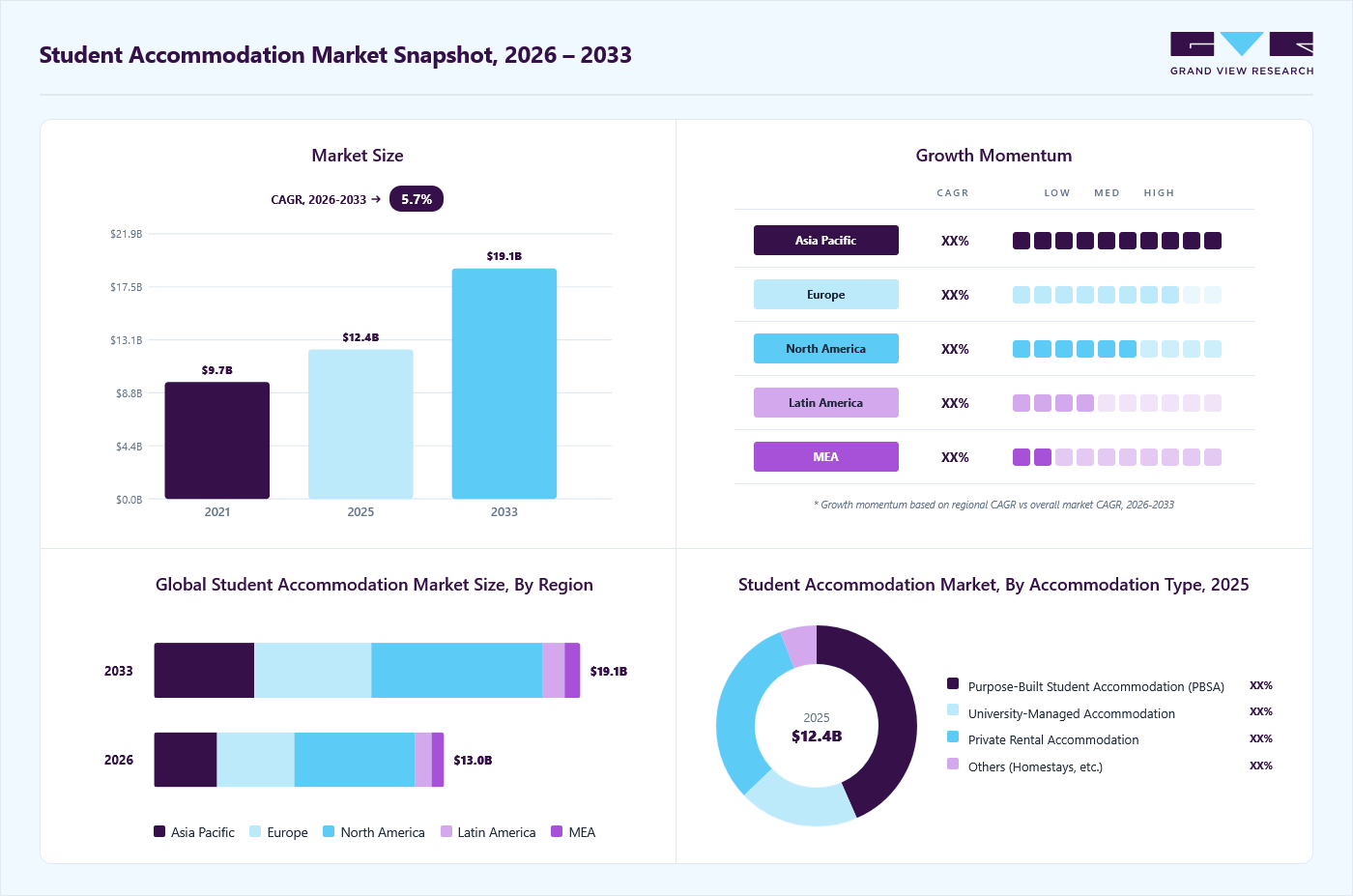
| Specialized Student Housing | Long-term academic stays | High (institution-vetted) | Transparent, all-inclusive |
| Peer-to-Peer (P2P) | Unique, local experiences | Variable (requires manual vetting) | Highly variable |
| Corporate Housing | Business & relocation | Very High (professional standards) | Premium pricing |
Managing the Research Workflow
Efficient accommodation research follows a chronological sequence to ensure no detail is overlooked.
- Phase 1: Broad Scouting. Use meta-search engines to identify 5-10 properties that fit the basic budget and location filters.
- Phase 2: Deep Vetting. Perform reverse image searches, read the most recent reviews, and check "Street View" for all shortlisted options.
- Phase 3: Direct Querying. Contact the top three hosts or managers with specific questions not answered in the listing (e.g., "Can you provide a screenshot of a speed test?").
- Phase 4: Contract Review. Read the fine print regarding deposits, cancellations, and house rules.
- Phase 5: Final Selection. Choose the property that offers the best balance of TCO, safety, and verified utility.
Common Pitfalls to Avoid
A frequent mistake in accommodation research is over-reliance on "professional" photos. These are often taken with wide-angle lenses that make rooms appear 30-50% larger than they are. Always check the listed square footage (or square meters) and compare it to a familiar space. Additionally, avoid "off-platform" payments. If a host asks you to pay via wire transfer or a third-party app to "avoid fees," it is almost certainly a scam.
The Role of Community Forums
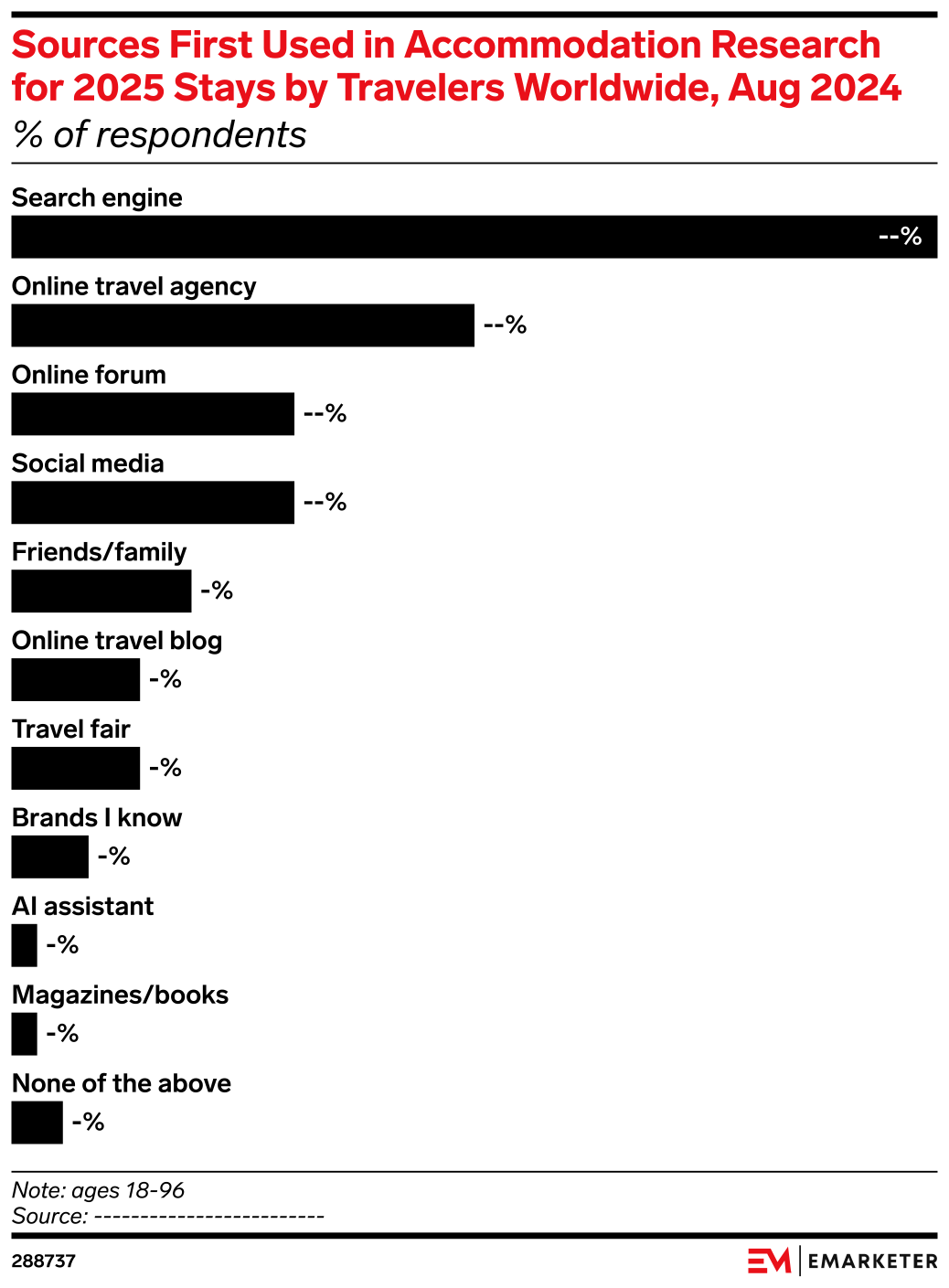
For authentic insights, supplement official research with community-driven data. Subreddits like r/digitalnomad or r/travel, and localized Facebook groups, often provide "boots on the ground" information about specific neighborhoods or even specific apartment buildings that no official listing will disclose.
H3: What is the most reliable way to spot a fake accommodation listing?
The most reliable method is cross-referencing through multiple independent data points. Use a reverse image search to see if the photos are stolen from other listings, check if the location exists on a map in "Street View" mode, and look for a lack of "historical consistency" in reviews (e.g., a five-year-old account with 50 reviews appearing in a single month).
H3: How does 2026 technology impact accommodation research?
By 2026, AI-driven personalization allows researchers to input complex "lifestyle prompts" to find properties. However, it also requires more vigilance against AI-generated "perfect" reviews and deepfake property images. Blockchain-based verification is becoming more common to prove property ownership and past transaction history.
H3: Should I prioritize price or location when researching?
Location usually dictates the total value of the stay. A cheaper property in a remote or high-crime area often incurs "hidden costs" in the form of expensive ride-shares, lost time, and increased stress. Prioritize a location that reduces transit time, as time is a non-refundable resource.
H3: Is it better to use a global platform or book directly with a property?
Research both. Use global platforms for the initial discovery and for the security of their dispute resolution systems. However, once you have identified a property, check their direct website. Direct bookings often offer better cancellation terms, free breakfast, or room upgrades that are not available through third-party aggregators.
H3: What legal documents should I look for during the research phase?
For long-term stays, look for a draft of the lease agreement, evidence of deposit protection compliance, and an Energy Performance Certificate (EPC) or equivalent. For short-term stays, check for a local business license or tourism registration number to ensure the rental is operating legally in its jurisdiction.
Next Action: Implementing Your Research Strategy
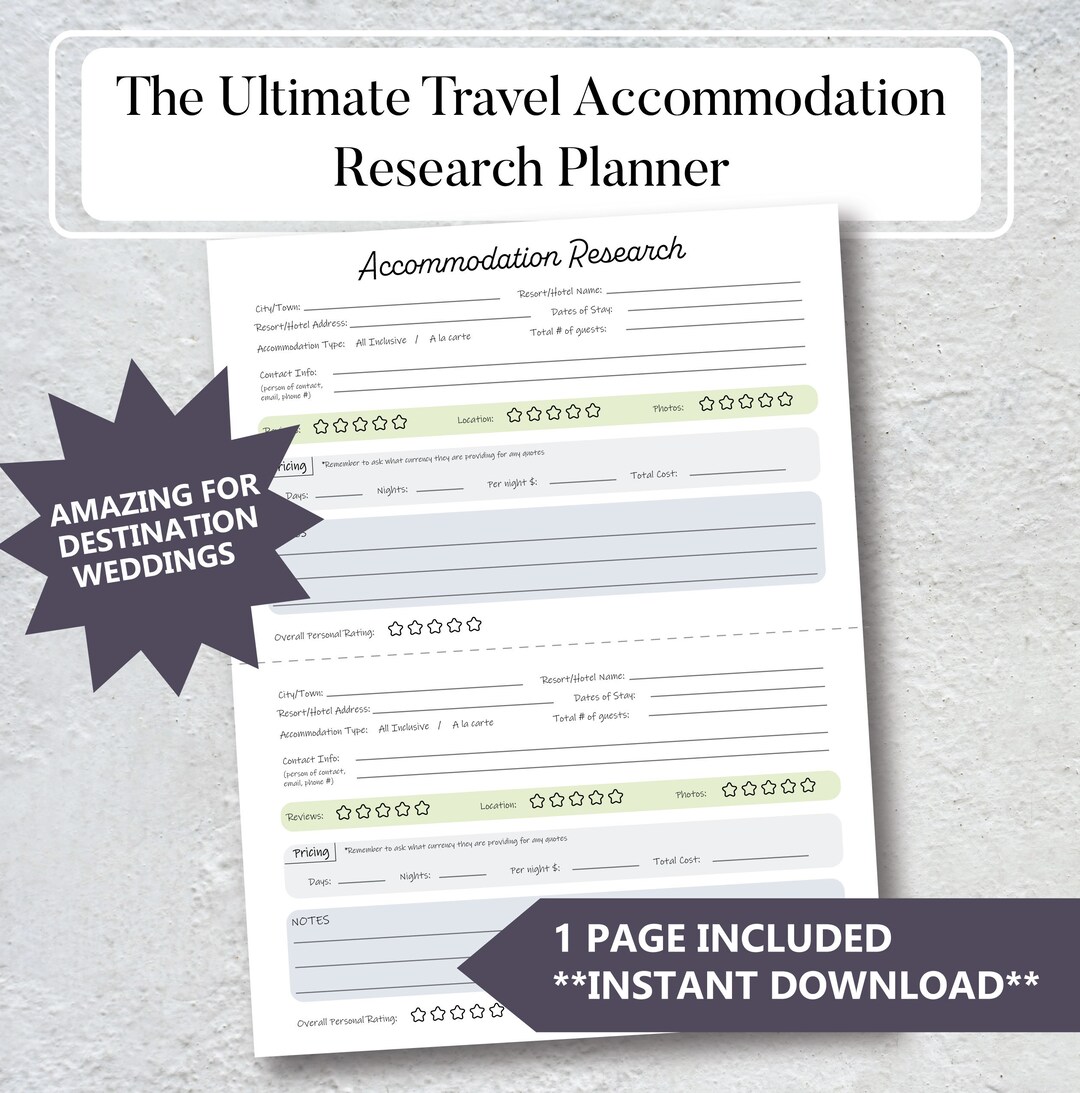
To achieve the best results, start your accommodation research at least three to six months in advance for long-term stays, and four to eight weeks for short-term travel. Begin by creating a "Criteria Matrix" that ranks features like Wi-Fi speed, kitchen access, and proximity to transport on a scale of 1 to 10. Once your priorities are clear, use the multi-phase vetting process outlined above, ensuring that every claim made by a host is backed by a secondary, independent source of information. Finalize your decision by choosing the option that offers the highest "Safety and Utility Score" rather than just the lowest price.