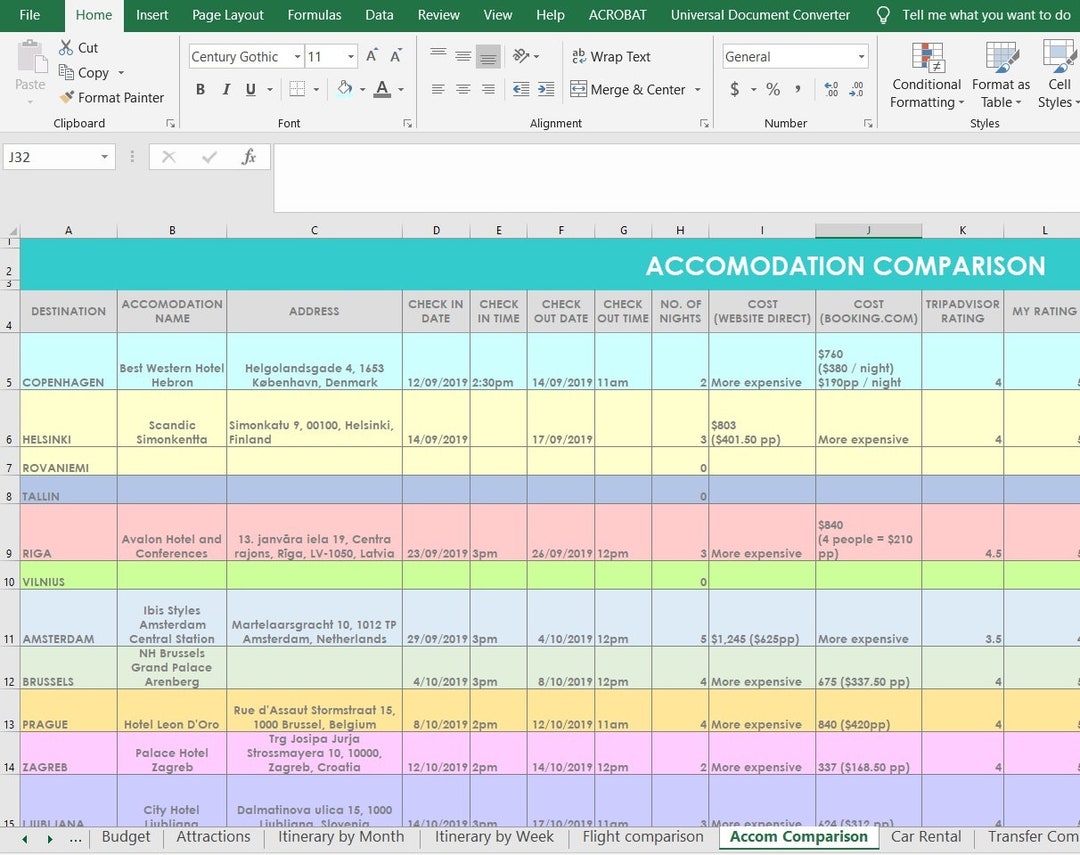
Effective accommodation comparison involves evaluating lodging options based on total cost, location, guest reviews, and specific amenities across diverse platforms. In 2026, travelers must weigh traditional hotels against short-term rentals and hybrid "aparthotels," utilizing AI-driven search tools and loyalty programs to ensure the best value for their specific travel itinerary and personal preferences.
Understanding the Modern Accommodation Landscape in 2026
The global travel market in 2026 is defined by a sophisticated "experience economy" where travelers no longer view a bed as just a place to sleep. Accommodation comparison has evolved from a simple price-matching exercise into a complex analysis of value, sustainability, and technological integration. With the rise of remote work and digital nomadism, the lines between residential living and hospitality have blurred, creating new categories of stays that cater to varying lengths of time and professional needs.
Today’s market is dominated by three primary pillars: traditional hospitality (hotels and resorts), the sharing economy (peer-to-peer rentals), and the emerging hybrid sector (serviced apartments and branded residential stays). Comparing these requires looking beyond the nightly rate. One must consider "hidden" factors such as high-speed internet reliability, proximity to coworking hubs, and the environmental footprint of the property. Furthermore, regulatory shifts in major metropolitan areas have significantly altered the availability and pricing of short-term rentals, making a thorough comparison essential for both budget-conscious and luxury travelers.
Comparing Core Accommodation Types
To conduct a meaningful comparison, it is first necessary to categorize the types of stays available. Each serves a distinct purpose, and what constitutes "value" varies significantly between a business trip and a family vacation.
Traditional Hotels and Resorts
Hotels remain the gold standard for service consistency and security. In 2026, the hotel industry has doubled down on personalized guest experiences through integrated apps and contactless service. The primary advantage of a hotel is the "frictionless" experience—daily housekeeping, on-site dining, and 24/7 staffing. When comparing hotels, look for loyalty program benefits which, in 2026, often include high-value perks like late check-outs and localized "insider" experiences that are not available to the general public.
Short-Term Rentals (STRs)
Platforms like Airbnb and Vrbo continue to offer unique, localized stays. However, the STR market in 2026 is more professionalized than in previous decades. Most high-performing rentals are now managed by property management firms rather than individual homeowners. This has increased reliability but also led to standardized pricing that often rivals hotels. The main comparison point here is the "utility-to-cost" ratio: a rental with a full kitchen can save a family hundreds of dollars in dining costs, even if the nightly rate is higher than a hotel room.
Hostels and "Poshtels"
The hostel segment has undergone a significant transformation. Modern "poshtels" offer high-end design, private "pod" beds, and social atmospheres at a fraction of hotel prices. For solo travelers or budget-conscious groups, hostels are compared primarily on social infrastructure—communal kitchens, organized tours, and shared workspaces. Safety protocols and locker technology are the technical metrics used for verification in this category.
Serviced Apartments and Aparthotels
This hybrid model has seen the fastest growth leading into 2026. Serviced apartments provide the space and kitchen facilities of a rental with the security and front-desk services of a hotel. They are the preferred choice for stays exceeding five nights. When comparing these, the focus should be on the "long-stay discount" structures and the quality of the residential amenities, such as in-unit laundry and fitness center access.
Platform Comparison: Where to Book in 2026
Choosing where to book is as important as choosing where to stay. The digital landscape for accommodation comparison is split between Online Travel Agencies (OTAs), Metasearch engines, and Direct Booking channels.
| Platform Type | Key Examples | Primary Advantage | Best For |
|---|---|---|---|
| OTAs | Booking.com, Expedia, Agoda | Massive inventory & "Genius" style loyalty tiers | Quick comparisons across multiple brands |
| Metasearch | Google Travel, Kayak, Trivago | Aggregates prices from dozens of sites | Finding the absolute lowest price for a specific property |
| Niche Rentals | Airbnb, Plum Guide | Unique architecture and local neighborhoods | Large groups and immersive cultural stays |
| Direct Booking | Marriott Bonvoy, Hilton Honors | Best loyalty points and flexible cancellation | Business travelers and brand loyalists |
| AI Concierges | Roam.ai, Hopper | Predictive pricing and automated re-booking | Catching price drops after the initial booking |
The Power of Metasearch and AI
In 2026, AI-integrated metasearch engines like Google Travel have become the first stop for comparison. These platforms don't just show price; they use machine learning to predict if a price is likely to drop or rise based on historical data and local events (like festivals or conferences). They also aggregate verified "trust scores" that combine reviews from multiple platforms to prevent "review stuffing" or fake testimonials.
Why Direct Booking is Winning
Despite the convenience of OTAs, direct booking has reclaimed significant market share in 2026. Hotels now offer "Direct-Only" rates that are guaranteed to be lower than any third-party site. Additionally, the most flexible cancellation policies—a crucial factor in modern travel—are often reserved exclusively for those who book via the brand’s own website or app.
Key Metrics for Effective Comparison
To perform a professional-grade comparison, travelers should utilize a weighted scoring system based on the following metrics:
- The "All-In" Cost: Many platforms still utilize "drip pricing," where the initial search result excludes cleaning fees, resort fees, and local occupancy taxes. In 2026, savvy users toggle the "Total Price" filter immediately to compare apples-to-apples.
- Cancellation Flexibility: In an era where travel plans remain fluid, the difference between a "Non-Refundable" rate and a "Cancel up to 24 Hours Before" rate can be worth a 10-15% premium.
- Sustainable Travel Ratings: Most major comparison sites now include a carbon-footprint score or a "Green Leaf" certification. For many 2026 travelers, this is a non-negotiable metric.
- Connectivity Quality: For "workations," verified Wi-Fi speeds are a critical comparison point. Platforms like SpeedCheck-Verified have begun integrating their data directly into accommodation listings.
- Hyper-Local Proximity: Distance to a city center is a blunt instrument. Better comparison looks at "Walk Scores" and proximity to specific transit lines or venues relevant to the trip.
Advanced Comparison Strategies for the Savvy Traveler
Beyond the basics, several advanced techniques can uncover significantly better value. One such strategy is "Loyalty Stacking." This involves using a credit card that earns travel rewards, booking through a portal that offers cashback (like Rakuten), and ensuring the stay is credited to the hotel's own loyalty program. By 2026, integrated digital wallets make this process almost automatic, but the user must still initiate the chain correctly.
Another strategy is the "Geo-Pricing" check. Prices for the same room can fluctuate based on the user's IP address and perceived purchasing power. While some sites have moved away from this, using a VPN to check prices from different regions can occasionally reveal substantial discrepancies, particularly for international luxury chains.
Finally, the "Re-Booking" tactic is essential. Many modern booking tools offer a service that monitors your reservation. If the price for your specific room drops on any platform before your arrival, the tool will notify you to cancel and re-book at the lower rate, provided you chose a flexible cancellation policy.
Common Pitfalls and How to Avoid Them
Even with sophisticated tools, errors in accommodation comparison are common. One major pitfall is the "Photo Mirage." Wide-angle lenses and professional staging can make a cramped, dark room look like a palatial suite. To counter this, always cross-reference official photos with user-uploaded images on independent review sites or social media "location tags" from 2025 and 2026.
Another risk is the "Ghost Listing" in the rental market. These are properties that appear available but are actually double-booked or no longer managed. Verification is key: check for "Recent Stay" badges and avoid any property that hasn't had a review in the last three months.
Lastly, do not overlook "Local Holiday Surges." A price that looks like a great deal might actually be inflated due to a local public holiday or event you weren't aware of. Always check a three-day window around your intended dates to see if the price is stable or an anomaly.
Frequently Asked Questions
Is it better to book via an app or a desktop website in 2026?
Many OTAs offer "Mobile-Only" discounts that can save between 10% and 20%. While desktop sites are better for deep research and comparing multiple tabs, the final booking should often be executed via the mobile app to capture these exclusive rates. Always check both before confirming.
How do I verify if an accommodation’s "sustainable" claim is legitimate?
Look for third-party certifications such as EarthCheck, Green Key, or LEED. In 2026, most legitimate platforms link directly to the certification body's database. Be wary of generic terms like "Eco-Friendly" that are not backed by a specific, auditable standard or badge.
Do hotel loyalty programs still matter if I only travel twice a year?
Yes. In 2026, many programs have moved to "spend-based" rather than "night-based" rewards. Even infrequent travelers can benefit from member-only rates, which are usually 5-10% lower than public rates. Additionally, "soft perks" like free high-speed Wi-Fi are often granted to all members, regardless of tier.
What is the most reliable way to compare guest reviews?
Focus on the "Recent" filter and look for "Verified Stay" markers. Pay less attention to the overall star rating and more to specific recurring complaints. If five different people in the last month mentioned "street noise" or "poor water pressure," it is likely a factual issue regardless of the property's response.
Are there hidden costs in "Free Cancellation" policies?
Sometimes. While the cancellation itself is free, the "Flexible Rate" is usually higher than the "Prepaid Rate." You are essentially paying an insurance premium for the right to change your mind. If you are 100% certain of your dates, the non-refundable rate is the better financial choice.
Your Next Steps for a Perfect Stay
To begin your accommodation comparison, start by defining your "Non-Negotiables." Is it a central location, a full kitchen, or a desk with an ergonomic chair? Once your criteria are set, use a metasearch engine to get a broad view of the pricing landscape. Before you click "Book," always check the property’s direct website to see if they offer a better rate or a specific "Direct Booking" perk. Finally, ensure your chosen rate has the level of flexibility required for your peace of mind in the current travel climate.