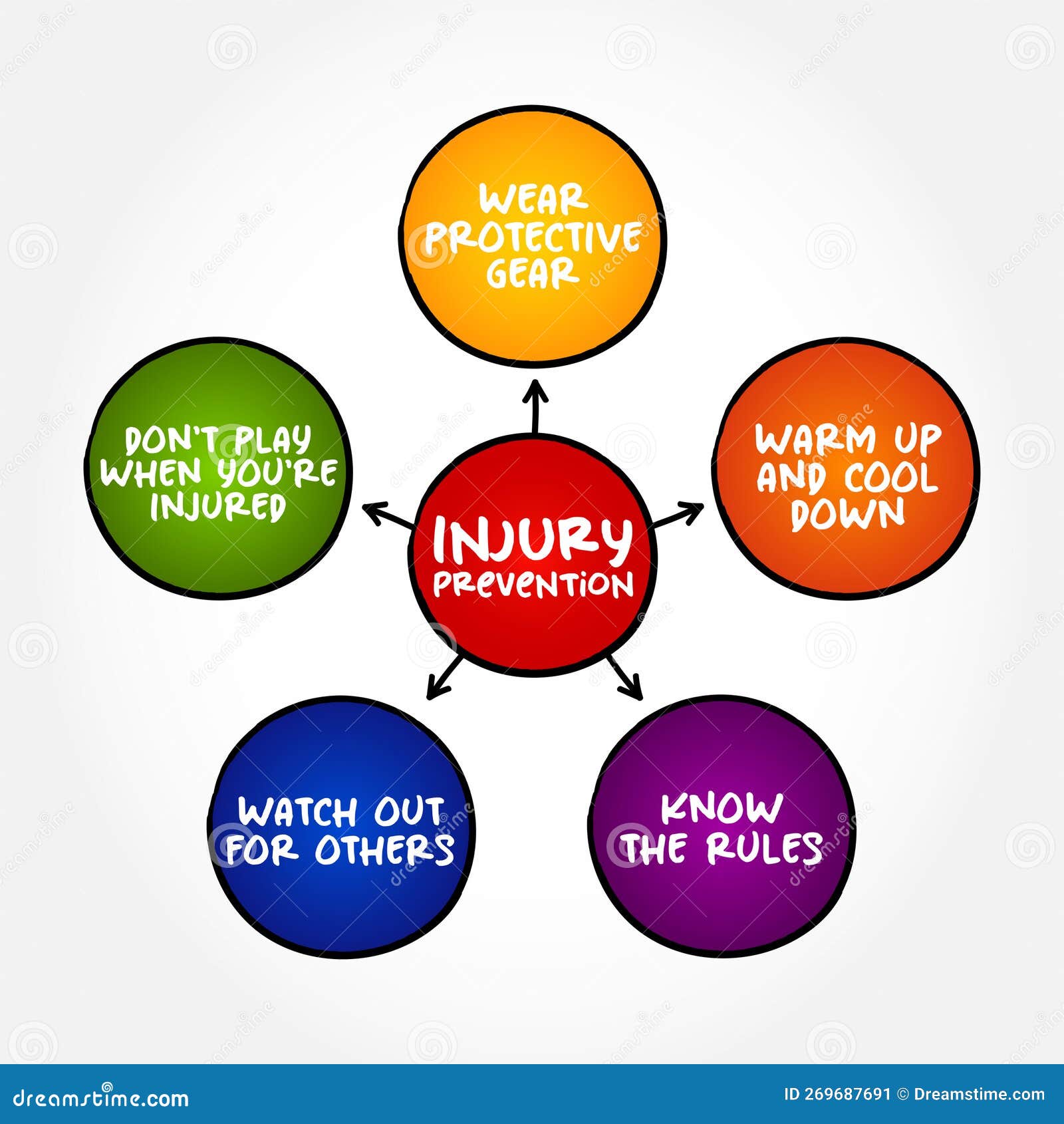
Accidental injury prevention is a systematic approach to reducing the occurrence and severity of unintentional injuries through environmental modifications, behavioral changes, and the implementation of safety technologies. By focusing on evidence-based strategies such as Haddon’s Matrix, individuals and organizations can identify high-risk scenarios and deploy targeted interventions to ensure long-term physical well-being.
The Evolution of Injury Prevention Science
In 2026, the field of safety science has moved definitively away from the term "accident," which implies an unavoidable act of fate, toward "unintentional injury." This shift is not merely semantic; it represents a fundamental change in how we approach public health. Unintentional injuries—ranging from falls and poisonings to motor vehicle crashes—are now understood as predictable and preventable events.
The core of modern prevention lies in understanding the interaction between the host (the person injured), the agent (the source of energy, such as kinetic energy in a fall), and the environment. By analyzing these factors, safety professionals can intervene before, during, and after an event. For instance, the widespread adoption of "passive" interventions—safety features that require no action from the individual, such as automatic fire sprinklers or lane-departure warnings—has proven far more effective than "active" interventions, which rely on consistent human compliance.
As we navigate the complexities of 2026, the integration of Artificial Intelligence (AI) and the Internet of Things (IoT) has provided new layers of protection. Smart homes can now detect gait changes in the elderly to predict falls before they occur, and wearable workplace technology monitors fatigue levels in high-risk industries. However, the foundational principles of physical safety remain the bedrock of any effective prevention strategy.
Environmental Design and Home Safety
The home is the most common site for unintentional injuries, particularly for young children and older adults. Effective accidental injury prevention in a residential context requires a dual focus on structural integrity and the removal of environmental hazards.
Preventing Falls in the Aging Population
Falls remain the leading cause of injury-related hospitalizations for those over 65. Prevention in 2026 emphasizes the "Universal Design" philosophy, which makes spaces accessible and safe for people of all ages and abilities. Key modifications include:
- Lighting Optimization: Installing motion-activated LED lighting in hallways and stairwells reduces the risk of tripping during the night.
- Surface Consistency: Removing throw rugs and ensuring a transition-free floor surface prevents catching a foot on uneven edges.
- Bathroom Modifications: Beyond standard grab bars, modern homes utilize non-slip floor coatings with high coefficients of friction, even when wet.
Childproofing and Poison Control
For children, the primary risks involve ingestion and falls from heights. While traditional cabinet locks remain essential, 2026 safety standards emphasize the storage of lithium-ion "button" batteries and high-potency cleaning pods, which represent significant chemical and internal burn risks. Proper prevention involves "active supervision" coupled with environmental barriers like anchored furniture to prevent tip-overs—a leading cause of pediatric trauma.
Occupational Health and Workplace Safety Standards
Workplace safety has evolved to address both the physical and cognitive factors that lead to injuries. Under modern frameworks like ISO 45001, organizations are required to move beyond simple compliance and foster a "Culture of Safety."
Ergonomics and Musculoskeletal Health
Preventing accidental injury at work often starts with ergonomics. In 2026, the prevalence of remote and hybrid work has shifted the focus toward home-office safety. Poorly configured workstations lead to repetitive strain injuries which, while not always sudden, are classified as accidental harm over time. Organizations now provide digital ergonomic assessments to ensure that monitor heights, chair lumbar support, and keyboard placement minimize physiological stress.
High-Risk Environments and Fatigue Management
In industrial and construction sectors, the "Hierarchy of Controls" remains the gold standard for prevention. This hierarchy prioritizes the elimination of the hazard first, followed by substitution, engineering controls, administrative controls, and finally, Personal Protective Equipment (PPE).
- Engineering Controls: Implementing physical guards on machinery or using drones for high-altitude inspections.
- Administrative Controls: Limiting shift lengths to prevent cognitive fatigue, which is a primary driver of heavy machinery accidents.
- PPE: The use of smart helmets and exoskeletons that reduce the physical load on workers, preventing both acute injuries and chronic degradation.
Road and Transportation Safety in 2026
The landscape of road safety has been transformed by Advanced Driver-Assistance Systems (ADAS). However, human behavior remains a critical variable in accidental injury prevention on the road.
Distracted Driving and Pedestrian Safety
Despite the proliferation of semi-autonomous vehicles, distracted driving—particularly involving mobile devices—continues to be a major hazard. Prevention strategies now include "external" safety measures, such as redesigned urban intersections with "pedestrian scrambles" and narrowed lanes that naturally encourage lower speeds. The concept of "Vision Zero," which aims for a highway system with no fatalities or serious injuries, relies heavily on these infrastructure changes rather than just driver education.
Micro-mobility Hazards
The rise of electric scooters and e-bikes has introduced new injury patterns. Prevention in this sector focuses on two areas: helmet efficacy and dedicated lane separation. Studies in 2026 show that the majority of severe micro-mobility injuries occur when users are forced to share lanes with heavy vehicular traffic. Therefore, urban planning that prioritizes physical barriers between cars and smaller transit modes is the most effective prevention tool for this demographic.
Comparative Analysis of Prevention Interventions
The following table compares different types of safety interventions and their relative effectiveness based on the level of human effort required.
| Intervention Type | Examples | Effectiveness Level | Human Effort Required |
|---|---|---|---|
| Passive (Engineering) | Airbags, smoke detectors, non-slip flooring | High | Low (Install and forget) |
| Administrative | Safety training, warning signs, speed limits | Moderate | Moderate (Requires monitoring) |
| Behavioral (Active) | Wearing a seatbelt, using safety goggles | Variable | High (Must be repeated daily) |
| Environmental | Improved street lighting, rounded furniture corners | High | Low (Built-in safety) |
| Technological | AI fatigue monitoring, smart brake assist | High | Low (Automated response) |
The 3 E’s of Injury Prevention
To build a comprehensive safety plan, experts recommend utilizing the "3 E’s" framework: Engineering, Education, and Enforcement.
- Engineering: This is the most effective "E." It involves designing products or environments to be inherently safe. For example, a medication bottle with a child-resistant cap is an engineering solution that prevents poisoning without needing a parent to be present every second.
- Education: This involves informing the public about risks and how to avoid them. While education is necessary for building awareness, it is often the least effective on its own because it relies on people changing their ingrained habits.
- Enforcement: This involves the use of laws and regulations to ensure safety. Building codes, workplace safety inspections (OSHA), and traffic laws create a legal requirement for safety that reinforces the other two pillars.
Frequently Asked Questions
Why is the term "unintentional injury" preferred over "accident"?
The term "accident" suggests that an event happened by chance or was an "act of God" that could not be avoided. In contrast, "unintentional injury" acknowledges that while the harm was not intended, the events leading up to it are often predictable and manageable through safety interventions. Using this terminology helps researchers and the public focus on what can be changed to prevent future occurrences.
What are the most common causes of accidental injury in 2026?
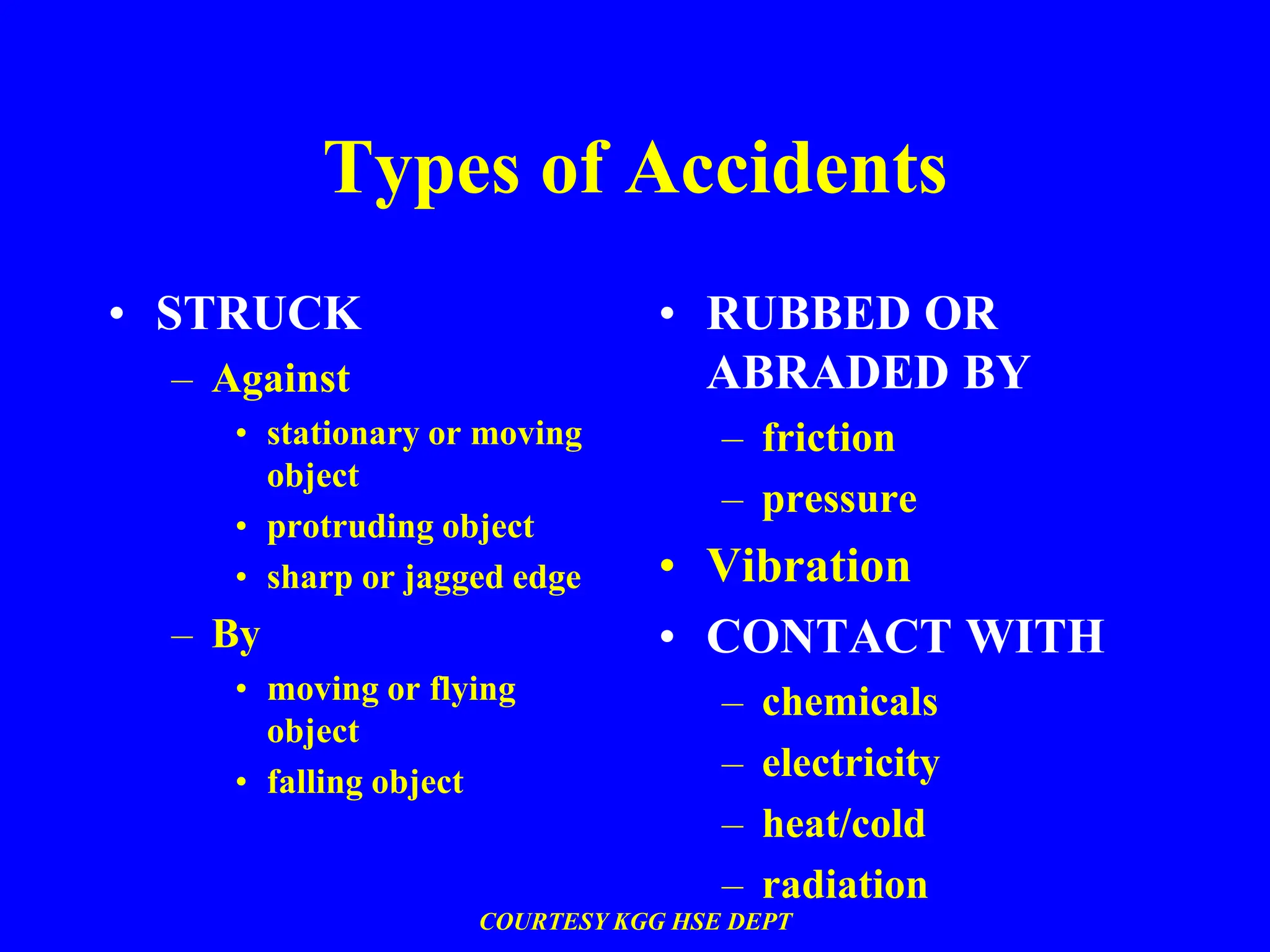
Falls remain the leading cause of non-fatal injuries across almost all age groups, particularly the elderly. Poisoning (including drug overdoses and chemical ingestion) and motor vehicle crashes follow closely. In workplace settings, "struck-by" injuries and falls from heights remain the most significant threats to life and limb.
How effective are smart home devices in preventing injuries?
Smart home devices are highly effective when used as part of a broader safety strategy. For example, smart leak detectors can prevent slip-and-fall hazards, and AI-enabled stoves can automatically shut off if they detect a fire or if they have been left unattended for too long. However, technology should complement, not replace, physical safety measures like handrails and smoke alarms.
At what point should a professional safety audit be conducted?
A professional safety audit is recommended during major life transitions, such as bringing a new infant home, an elderly relative moving in, or starting a home-based business. For workplaces, audits should be conducted annually or whenever new machinery or processes are introduced to ensure compliance with the latest safety standards.
Are there specific psychological factors that lead to more accidents?
Yes, "human factors" such as fatigue, stress, and "normalcy bias" (the belief that since nothing bad has happened yet, nothing will) significantly increase injury risk. Comprehensive prevention strategies include mental health support and mandatory rest periods to mitigate these cognitive risks.
Implementing a Personalized Safety Audit
To effectively prevent accidental injuries, individuals should conduct a systematic walkthrough of their primary environments. Start by identifying "hot spots"—areas like kitchens, bathrooms, and garages where hazards are most concentrated.
- Check the Floors: Ensure all walkways are clear of cords, clutter, and loose rugs.
- Verify Alarms: Test smoke and carbon monoxide detectors. In 2026, ensure these are linked to your mobile device for remote alerts.
- Audit Chemical Storage: Ensure all cleaning supplies, medications, and automotive fluids are stored in their original containers and placed in locked or high-level cabinets.
- Review Lighting: Replace burnt-out bulbs and consider adding motion-sensor lights in high-traffic transition zones.
- Secure Furniture: Use brackets to anchor heavy dressers, televisions, and bookshelves to wall studs.
By treating injury prevention as a continuous process rather than a one-time task, you can create a resilient environment that protects against the most common and preventable causes of harm.