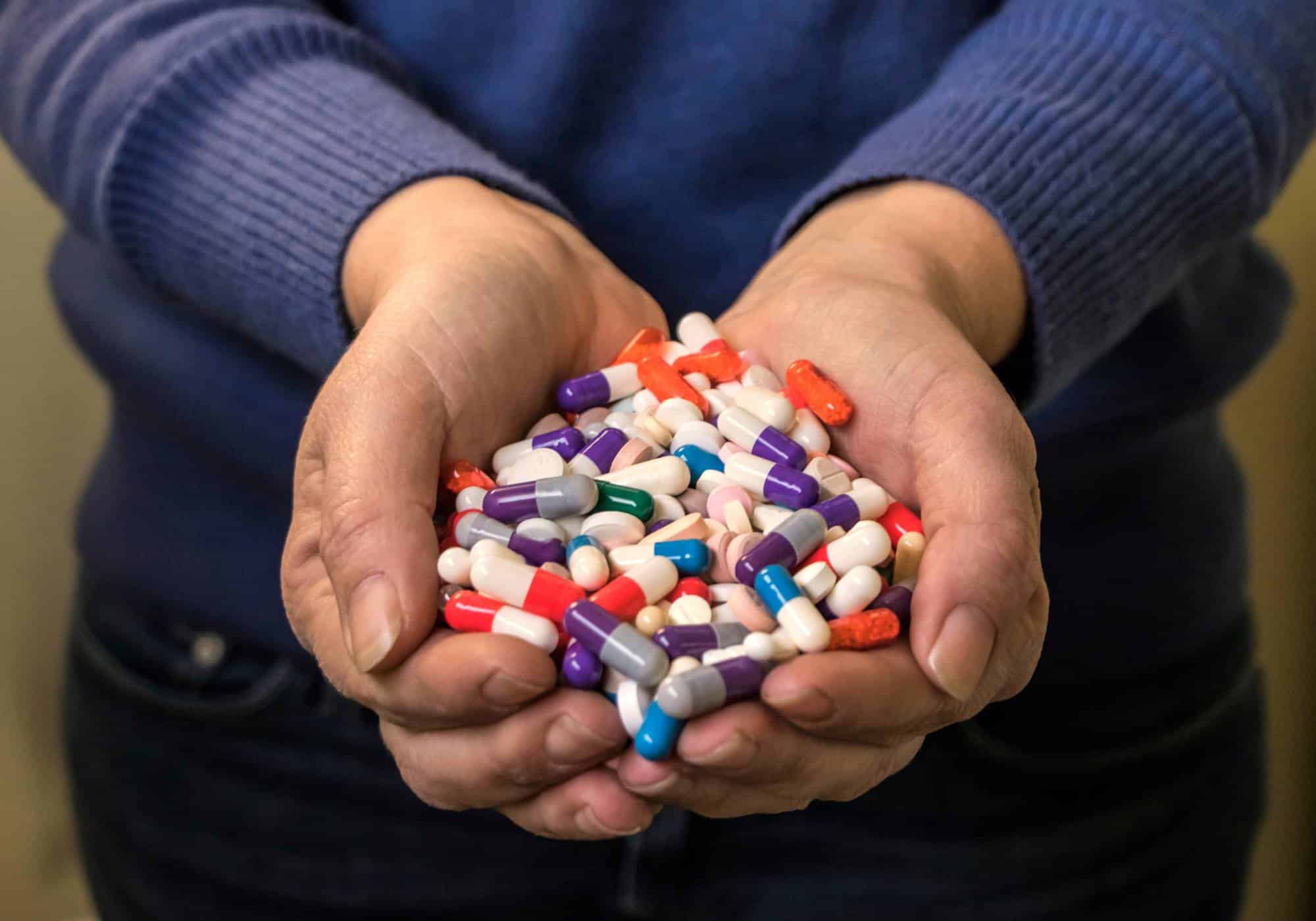
Accidental drug intoxication is a medical emergency that occurs when an individual unintentionally ingests a toxic amount of a substance, leading to severe physiological impairment. This condition results from dosing errors, harmful drug-drug interactions, or the consumption of contaminated substances. Immediate recognition and intervention are vital to prevent long-term organ damage or fatality.
The Physiology of Toxicity: How Biological Systems Fail
To understand accidental drug intoxication, one must first grasp the concept of the therapeutic window. This is the range of drug dosages which can treat disease effectively without having toxic effects. When a substance concentration exceeds this window, the body’s metabolic pathways become saturated. In 2026, clinical toxicology focuses heavily on pharmacokinetics—how the body moves a drug through its systems—and pharmacodynamics—the drug’s effect on the body.
When toxicity occurs, the liver and kidneys, which are primarily responsible for detoxification and excretion, may become overwhelmed. For instance, with acetaminophen (Tylenol) overdose, the liver's supply of glutathione is depleted, preventing the neutralisation of toxic metabolites, which then leads to hepatic necrosis. In the case of opioids, the substance crosses the blood-brain barrier and binds to mu-opioid receptors in the brainstem, which governs respiratory drive. As these receptors are over-stimulated, the signal to breathe weakens and eventually stops, leading to hypoxia (lack of oxygen) and subsequent cardiac arrest.
The speed at which intoxication occurs depends on the route of administration. Intravenous or inhaled substances reach peak plasma concentrations almost instantly, whereas oral ingestions may have a delayed onset due to digestion. However, extended-release formulations can complicate this by releasing toxic levels of a drug over several hours, making the clinical "observation window" in emergency departments critical for patient survival.
High-Risk Demographics and Common Scenarios for Unintentional Overdose
Accidental drug intoxication does not discriminate, but it often manifests differently across various age groups and social contexts. Identifying these risk factors is the first step in creating targeted prevention strategies.
Pediatric Ingestion and Curiosity
Children under the age of six are frequently victims of accidental intoxication because of their natural tendency to explore their environment orally. Medications that look like candy, such as colorful ibuprofen tablets or gummy vitamins, are primary culprits. In 2026, the rise of highly concentrated laundry pods and flavored nicotine products continues to pose a significant risk. Because children have smaller body masses and less developed metabolic enzymes, even a single "adult" dose of certain medications—like beta-blockers or calcium channel blockers—can be fatal.
The Geriatric Population and Polypharmacy
Older adults often manage multiple chronic conditions, leading to a phenomenon known as polypharmacy. The risk of accidental intoxication increases exponentially with the number of medications prescribed. Cognitive decline or vision impairment can lead to double-dosing or taking the wrong medication at the wrong time. Furthermore, age-related declines in renal and hepatic function mean that drugs remain in the system longer, potentially reaching toxic levels even when the patient follows the prescribed dosage.
Occupational and Environmental Exposure
Though less common than ingestion, accidental intoxication can occur through skin absorption or inhalation in industrial or agricultural settings. Organophosphate poisoning from pesticides is a classic example where accidental exposure leads to a "cholinergic crisis," characterized by excessive secretions, muscle weakness, and respiratory failure.
The 2026 Landscape of Adulterated Substances and Synthetic Potency
A major driver of accidental drug intoxication in the current year, 2026, is the contamination of the illicit drug supply. Many individuals who believe they are consuming a specific substance, such as counterfeit Xanax or oxycodone, are unknowingly ingesting potent synthetic opioids like fentanyl or nitazenes.
These synthetic compounds are significantly more potent than morphine or heroin, meaning the margin for error is non-existent. Because these substances are often unevenly mixed into pills or powders—a phenomenon known as the "chocolate chip cookie effect"—one dose might be harmless while the next is lethal.
The prevalence of "polysubstance" intoxication has also risen. This involves the accidental mixing of depressants, such as alcohol and benzodiazepines, which synergistically suppress the central nervous system. In these cases, neither substance may be at a lethal dose on its own, but their combination creates a total toxicity that the body cannot survive.
Clinical Manifestations: Recognizing the Physical Signs of Intoxication
Recognizing the signs of drug intoxication early can be the difference between life and death. While symptoms vary based on the class of drug, several universal "toxidromes" (toxic syndromes) help medical professionals and bystanders identify the crisis.
| Drug Class | Common Physical Symptoms | Neurological Signs | Potential Antidote/Treatment |
|---|---|---|---|
| Opioids | Pinpoint pupils, blue lips/fingernails, shallow breathing | Unresponsiveness, extreme drowsiness | Naloxone (Narcan) |
| Stimulants | Profuse sweating, high blood pressure, chest pain | Agitation, paranoia, seizures | Benzodiazepines (for sedation), cooling |
| Depressants | Slurred speech, uncoordinated movements | Loss of consciousness, coma | Flumazenil (use with caution), supportive care |
| Anticholinergics | Dry skin, dilated pupils, urinary retention | Confusion, hallucinations, "mad as a hatter" | Physostigmine, hydration |
| Acetaminophen | Nausea, vomiting, abdominal pain | Late-stage jaundice, confusion | N-acetylcysteine (NAC) |
It is important to note that the absence of a specific symptom does not rule out intoxication. For instance, while pinpoint pupils are a hallmark of opioid toxicity, they may not be present if the individual has also consumed a stimulant. Therefore, any sudden, unexplained change in consciousness or physical stability should be treated as a potential poisoning.
Immediate Response Protocols and the Role of Antidotes
If you suspect someone is experiencing accidental drug intoxication, the first action must always be to contact emergency services (e.g., 911). In 2026, "Good Samaritan" laws are in place in most jurisdictions to protect individuals who call for help from legal repercussions related to drug possession, encouraging rapid reporting.
Administering Naloxone (Narcan)
Naloxone is an opioid antagonist that can reverse the effects of an opioid overdose within minutes. Because it has no effect on someone who does not have opioids in their system, it is considered safe to administer if you are unsure of the cause of intoxication. In 2026, nasal spray versions of Naloxone are widely available over-the-counter and are a staple in public first-aid kits. If the person does not respond to the first dose within 2–3 minutes, a second dose should be administered.
Supportive Care and Positioning
While waiting for paramedics, keep the individual in the "recovery position"—lying on their side with the top leg bent—to prevent choking if they vomit. Do not attempt to induce vomiting or give the person food or drink, as this can lead to aspiration pneumonia. If the person stops breathing, perform rescue breathing or CPR if trained to do so.
Medical professionals at the hospital will focus on stabilizing the airway, providing intravenous fluids, and, if the ingestion was very recent, potentially using activated charcoal to bind the toxins in the stomach before they enter the bloodstream. You can find more detailed clinical protocols on the National Institutes of Health (NIH) website.
Long-term Prevention and Medication Management Strategies
Preventing accidental drug intoxication requires a combination of behavioral changes, environmental safety, and digital health tools. As we move through 2026, the integration of smart technology into home medicine cabinets has become a primary defense mechanism.
- Secure Storage: All medications—including supplements and over-the-counter drugs—should be stored in a locked box, ideally one with a digital timer or biometric lock. This is particularly crucial in households with children or individuals with dementia.
- The "Brown Bag" Review: Patients, especially the elderly, should regularly take all their medications to their primary care physician for a comprehensive review. This helps identify redundant prescriptions or potentially dangerous interactions.
- Digital Health Tracking: Utilize apps that sync with pharmacy records to provide dosage reminders and interaction warnings. Many 2026 health systems now offer real-time alerts if a patient is prescribed two medications that could interact poorly.
- Disposal of Unused Drugs: Never keep expired or unnecessary medications. Use "Drug Take-Back" programs or specialized disposal pouches that neutralize active ingredients. The FDA’s guidelines on drug disposal provide specific instructions for flushing versus binning medications.
Common Mistakes in Medication Handling
A frequent error is transferring medications into different containers, such as travel tins, without labels. This removes the "built-in" safety information and increases the likelihood of taking the wrong pill. Another mistake is "sharing" prescriptions with family members; because dosages are calculated based on individual weight, age, and organ function, a safe dose for one person could be a toxic dose for another.
Implementing a Personal Medication Safety Plan
The most effective way to mitigate the risk of accidental intoxication is to treat every substance—from a simple aspirin to a complex prescription—with a high degree of respect and caution. A personal safety plan should involve educating every member of the household on the appearance of medications and the location of emergency contact numbers.
By standardizing how we store, track, and consume drugs, we can significantly reduce the burden of unintentional poisoning. Education remains the most powerful tool; understanding that "natural" or "over-the-counter" does not mean "risk-free" is fundamental to preventing these avoidable tragedies in 2026 and beyond.
Frequently Asked Questions
Can you accidentally overdose on vitamins?
Yes, certain vitamins can be highly toxic in large amounts. Fat-soluble vitamins (A, D, E, and K) are stored in the body’s tissues and can build up to dangerous levels. Iron supplements are particularly dangerous for children and are a leading cause of pediatric poisoning deaths. Always follow the Recommended Dietary Allowance (RDA) unless otherwise directed by a doctor.
What should I do if a child swallows a pill but seems fine?
Contact a poison control center or emergency services immediately. Many toxic substances have a "latent period" where no symptoms are visible while the drug is being absorbed. Waiting for symptoms to appear can result in a loss of critical time for interventions like activated charcoal or specific antidotes.
Is Naloxone effective for alcohol poisoning?
No, Naloxone only works on opioid receptors. It will not reverse the effects of alcohol, benzodiazepines, or stimulants. However, because many overdoses involve multiple substances including opioids, it is still recommended to administer Naloxone if the person is unresponsive and their breathing is slow.
Does the expiration date on a drug affect its toxicity?
Generally, drugs do not become more toxic after their expiration date, but they do become less potent. However, certain medications, like tetracycline, have been historically noted to potentially cause kidney damage if consumed after they degrade. The main risk of using expired medication is that it will not effectively treat the condition it was intended for, leading to a secondary health crisis.
What are the legal protections for reporting an overdose?
In 2026, most regions have "Good Samaritan" laws. these laws provide limited immunity from arrest or prosecution for minor drug crimes (like possession of small amounts) when a person calls for emergency medical assistance for themselves or someone else during an overdose. This is designed to prioritize life-saving help over criminal punishment.