Accidental drowning is a leading cause of unintentional injury-related death worldwide, occurring when liquid enters the airway and impairs breathing. It is often silent and swift. Prevention relies on "layers of protection," including constant supervision, physical barriers like pool fences, high-quality life jackets, and comprehensive water competency training for all ages.
The Silent Reality of Accidental Drowning
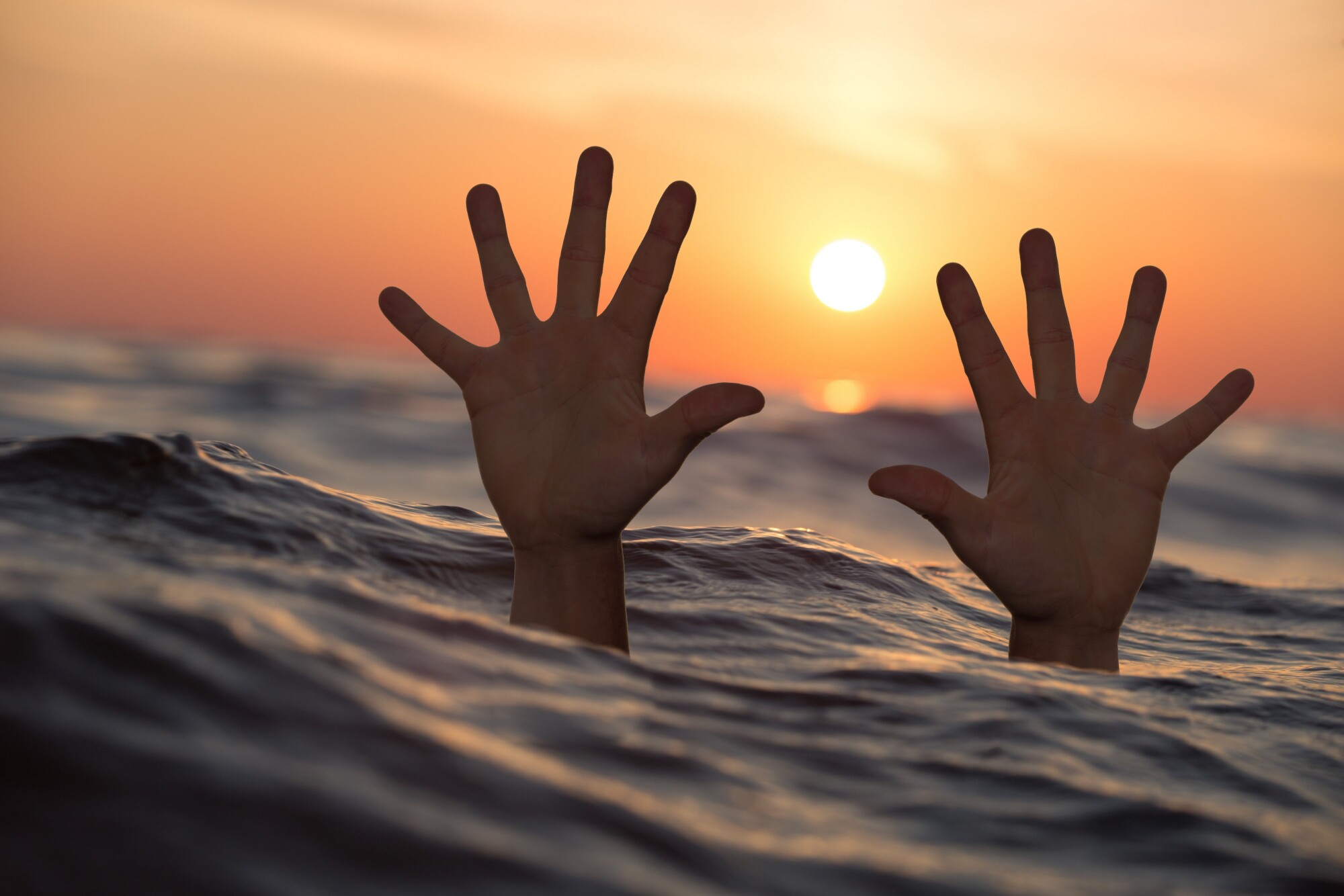
Contrary to popular depictions in media, accidental drowning is rarely a loud, splashing event. In reality, it is a quiet and often rapid process. The Instinctive Drowning Response, a term coined by Dr. Francesco A. Pia, describes the physiological actions a person takes when they are struggling to stay afloat. During this state, the body’s primary objective is to keep the mouth above water to breathe, which precludes the ability to shout for help or wave for attention.
When a person begins to drown, their arms tend to extend laterally and press down on the water's surface to leverage their mouth upward. This motion makes it impossible for the victim to perform voluntary movements like waving or reaching for a rescue device. Because the respiratory system's primary function is breathing—and speech is a secondary function—the body prioritizes gasping for air over calling out. Understanding this "silence" is the first step in effective water safety; bystanders often witness a drowning in progress without realizing it, assuming the person is simply playing or treading water.
In 2026, medical professionals continue to emphasize that drowning is a process, not a single outcome. The World Health Organization (WHO) defines drowning as the process of experiencing respiratory impairment from submersion or immersion in liquid. Outcomes are classified as death, morbidity (injury), or no morbidity. This shift in terminology helps educators focus on the critical window of intervention before physiological damage becomes permanent.
Demographics of Risk: Who is Most Vulnerable?
The risks associated with accidental drowning vary significantly across age groups, locations, and socioeconomic conditions. Identifying these risk profiles allows for targeted prevention strategies.
Children Ages 1 to 4
This demographic remains at the highest risk for accidental drowning, particularly in residential swimming pools. For toddlers, drowning is often a result of "unsupervised access"—a child slipping out of a door or through a gate during a lapse in adult attention. Because young children lack the motor skills and cognitive awareness to recognize danger, they can drown in as little as two inches of water, including buckets, bathtubs, and toilets.
Adolescents and Young Adults
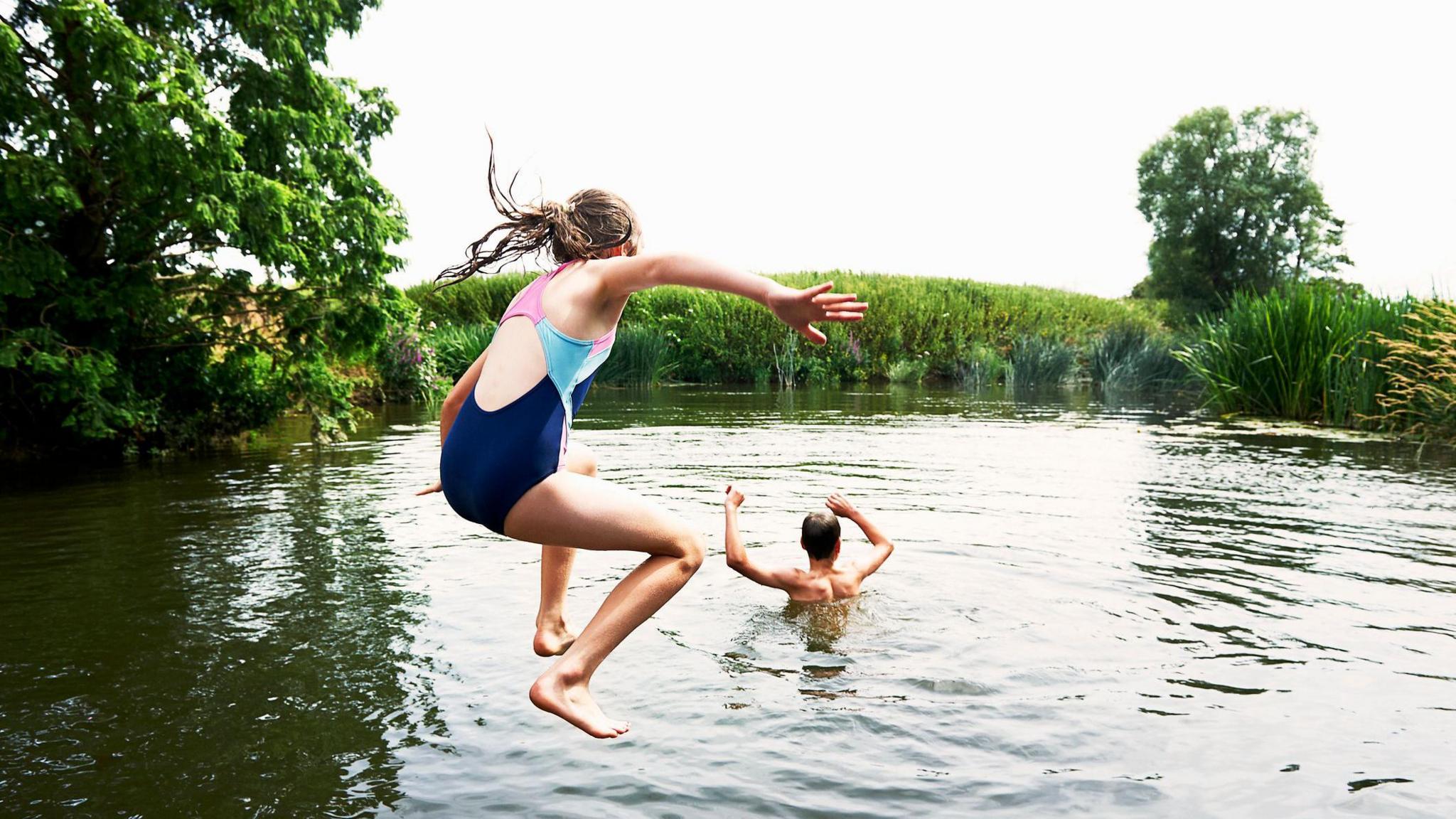
For those aged 15 to 24, drowning risks shift toward open water environments like lakes, rivers, and oceans. In these settings, factors such as overconfidence in swimming ability, peer pressure, and the consumption of alcohol significantly increase the likelihood of an accident. Alcohol impairs balance, coordination, and judgment, while also slowing the body's reaction time to cold water shock or sudden depth changes.
Older Adults and Medical Considerations
In 2026, we see an increasing trend of drowning incidents among older adults, often linked to underlying medical conditions. Ischemic heart disease, arrhythmias, or seizure disorders can cause a person to lose consciousness while in the water. For this group, the drowning is "secondary" to a medical event, but the result is equally fatal if they are swimming alone.
The "Layers of Protection" Framework
Water safety experts advocate for a multi-tiered approach to prevention. No single measure is foolproof; rather, safety is achieved through overlapping "layers" that provide backups if one fails.
Constant, Capable Supervision
The most critical layer is "Active Supervision." This means a designated adult is watching the water at all times, free from distractions like smartphones, books, or social conversation. For toddlers and weak swimmers, "Touch Supervision" is required—the adult must be within arm’s reach at all times. In group settings, the use of a "Water Watcher" card can help clearly define who is responsible for monitoring the pool at any given moment.
Physical Barriers and Access Control
For residential pools, a four-sided fence that completely isolates the pool from the house is the gold standard. These fences should be at least four feet high and feature self-closing, self-latching gates. Alarms on doors leading to the pool area and underwater motion sensors provide additional notifications if a barrier is breached. In 2026, smart-home integration has made these sensors more reliable, allowing for real-time alerts to be sent to multiple mobile devices.
Life Jackets and Personal Flotation Devices (PFDs)
In open water, even strong swimmers should wear a U.S. Coast Guard-approved life jacket. Inflatable toys, water wings, and "puddle jumpers" are not safety devices; they can provide a false sense of security and may even interfere with a child's ability to maintain a proper floating position. Proper PFDs are designed to keep the wearer’s head above water even if they are unconscious.
Environment-Specific Hazards and Mitigation
The nature of the water environment dictates the specific hazards present. A controlled environment like a public pool requires different precautions than the unpredictable nature of the ocean.
| Environment | Primary Hazards | Essential Mitigation Strategy |
|---|---|---|
| Residential Pools | Unprotected access, entrapment | 4-sided fencing; VGB-compliant drain covers. |
| Lakes & Rivers | Murky water, underwater debris, sudden drop-offs | Life jackets; scouting the area before entry. |
| Oceans | Rip currents, tides, large waves | Swimming near a lifeguard; learning to escape rips. |
| Home (Bath/Buckets) | Immediate proximity, brief lapses in care | Never leaving a child alone; emptying containers. |
| Public Pools | Overcrowding, "blind spots" | Active supervision; designated lap lanes. |
Understanding Open Water Dynamics
Open water presents challenges that pools do not. Rip currents are powerful, narrow channels of fast-moving water that pull swimmers away from the shore. The primary danger of a rip current is not being pulled under, but the exhaustion that occurs when a swimmer tries to fight the current. The recommended response is to swim parallel to the shore until out of the current, then head back to land at an angle.
Furthermore, Cold Water Shock is a major factor in accidental drowning. When a person enters water below 60°F (15°C) unexpectedly, the body triggers an involuntary gasp reflex. If the head is underwater during this gasp, the person may inhale water immediately, leading to laryngospasm and drowning.
Emergency Intervention: The Critical First Minutes
When a drowning incident occurs, the speed and type of intervention determine the victim's chance of survival and neurological recovery.
- Recognize and Respond: Identify that someone is in trouble. If they are vertical in the water, not using their legs, and their mouth is sinking and reappearing, they are likely drowning.
- Safe Rescue: "Reach or Throw, Don't Go." Unless you are a trained lifeguard, entering the water to save a drowning person puts you at risk of being pulled under by the victim. Use a reaching pole, a life ring, or a throw bag.
- Activate EMS: Call 911 or local emergency services immediately. Provide a clear location and state that you have a drowning victim.
- Initiate CPR (Airway First): Unlike cardiac arrest caused by heart disease, drowning is a respiratory event. Therefore, CPR should begin with rescue breaths. The American Heart Association guidelines for drowning emphasize providing 2 initial rescue breaths before starting chest compressions (the A-B-C approach).
- Use an AED: If an Automated External Defibrillator is available, use it as soon as the victim is on a dry surface and their chest is wiped dry. The AED will analyze the heart rhythm and determine if a shock is necessary.
Even if a victim is rescued and appears fine, they must be evaluated at an emergency department. Complications like pulmonary edema (fluid in the lungs) can develop hours after the initial incident, leading to respiratory distress.
Myths vs. Medical Realities: Outdated Terminology
In 2026, several terms previously used by the public and some media outlets are considered medically inaccurate and can lead to confusion in treatment and prevention.
- "Dry Drowning": This is not a clinical diagnosis. It was historically used to describe cases where the larynx spasms (laryngospasm), preventing both water and air from entering the lungs. Medically, this is simply a drowning that occurred with minimal water aspiration.
- "Secondary Drowning": This term was used to describe people who died hours after leaving the water. The correct terminology is a "non-fatal drowning" that later resulted in complications. The focus should be on monitoring for symptoms like persistent coughing, chest pain, or extreme fatigue after any submersion event.
- "Near Drowning": This term has been retired in favor of "non-fatal drowning" to emphasize that the drowning process started but was interrupted.
By using standardized terminology, safety advocates can provide clearer instructions to the public, ensuring that anyone who has experienced respiratory impairment in the water receives appropriate medical follow-up.
Developing a Comprehensive Water Safety Plan
To effectively mitigate the risk of accidental drowning, families and property owners should develop a formal Water Safety Plan. This is not merely a list of rules but a systematic approach to aquatic activity.
Step 1: Assessment. Evaluate the water hazards in and around your home and the places you frequent. This includes decorative ponds, drainage ditches, and neighborhood pools.
Step 2: Skill Acquisition. Ensure every member of the household has "Water Competency." This goes beyond basic swimming and includes the ability to enter the water, return to the surface, turn around, tread water or float for one minute, and exit the water without a ladder.
Step 3: Equipment Maintenance. Regularly inspect pool fences, latches, and PFDs. Ensure that life jackets are the correct size for the wearer’s current weight and that the material has not degraded from sun exposure.
Step 4: Emergency Readiness. Keep a phone and rescue equipment by the pool. Ensure that multiple people in the household are certified in CPR and First Aid. In 2026, many local community centers offer hybrid courses that combine online theory with in-person skills practice, making certification more accessible than ever.
Questions Frequently Asked About Accidental Drowning
Can a person drown after they have left the water?
Yes, complications can arise after a non-fatal drowning event, though the process begins in the water. If a person inhales water, it can irritate the lungs and cause inflammation or fluid buildup (pulmonary edema). This can lead to difficulty breathing hours later. Any individual who has been submerged and showed signs of respiratory distress—even if they seem "fine" afterward—should seek immediate medical evaluation.
Is it true that drowning is always silent?
In the vast majority of cases, yes. The Instinctive Drowning Response prevents a person from calling out or waving. Splashing and shouting usually indicate "aquatic distress," a stage that may precede drowning where the person still has voluntary control of their movements. Once the drowning process begins, the person becomes quiet and appears to be "climbing a ladder" in the water.
How long does it take for permanent brain damage to occur?
Irreversible brain damage begins to occur within 4 to 6 minutes of the brain being deprived of oxygen. However, in cases of cold-water drowning, the body’s metabolism may slow down, occasionally allowing for successful resuscitation after longer periods. Regardless of the water temperature, immediate CPR is the most significant factor in preventing permanent neurological injury.
Do swimming lessons prevent drowning in toddlers?
Swimming lessons are a vital layer of protection, but they do not make a child "drown-proof." Studies have shown that formal swimming lessons can reduce the risk of drowning in children aged 1-4 by up to 88%, but they must be used in conjunction with supervision and barriers. A child may panic or forget their skills in an emergency, so an adult must always be present.
Why is alcohol so dangerous when swimming or boating?
Alcohol affects the inner ear, which can cause disorientation if you fall into the water, making it difficult to tell which way is "up." It also suppresses the gag reflex and increases the likelihood of inhaling water. Furthermore, alcohol causes the blood vessels in the skin to dilate, which can lead to a more rapid onset of hypothermia in cold water.
What should I do if my child goes missing near a body of water?
Check the water first. In a missing child scenario where a pool, pond, or bathtub is nearby, seconds are the difference between life and death. Do not check the closets or the front yard first; go straight to the water source and look at the bottom.