Accident verification is the formal process of authenticating the details of a vehicular or workplace incident through official documentation, digital forensics, and third-party records. It is used by insurers to process claims, car buyers to assess vehicle value, and legal professionals to establish liability and ensure data accuracy for all involved parties.
Establishing the truth behind an accident involves a multi-layered approach that transcends a simple visual inspection. Whether you are a consumer trying to avoid a "lemon" vehicle or an insurance professional determining the validity of a multi-vehicle collision, the methodologies for verification have become increasingly sophisticated. In 2026, the integration of telematics, cloud-based police databases, and blockchain-secured title histories has transformed how we confirm what really happened on the road.
The Core Pillars of Accident Verification
Accident verification relies on three distinct categories of evidence: documentary records, physical evidence, and digital forensics. No single source is infallible, which is why a "triangulation" method is often used to ensure the data is consistent across all platforms.
Official Documentary Records
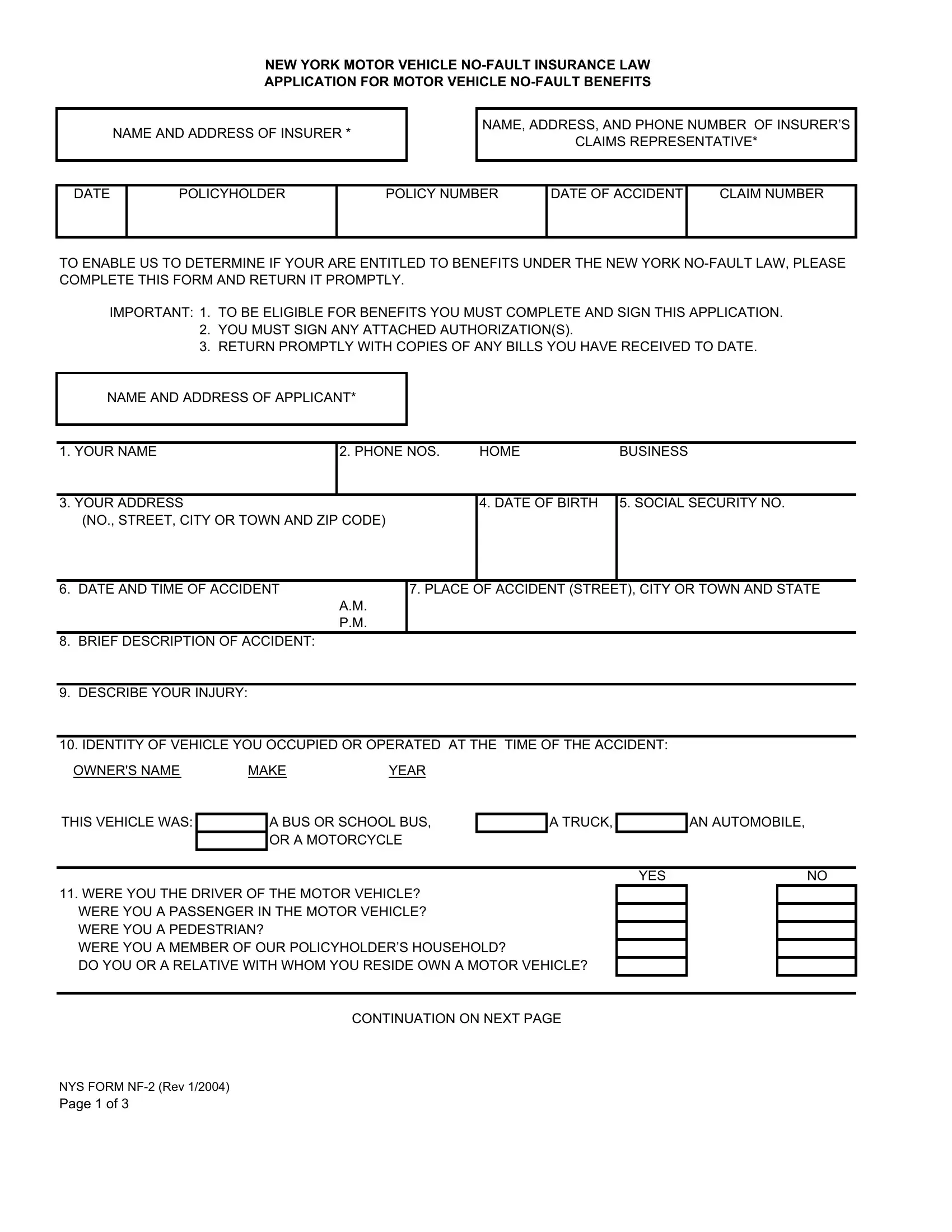
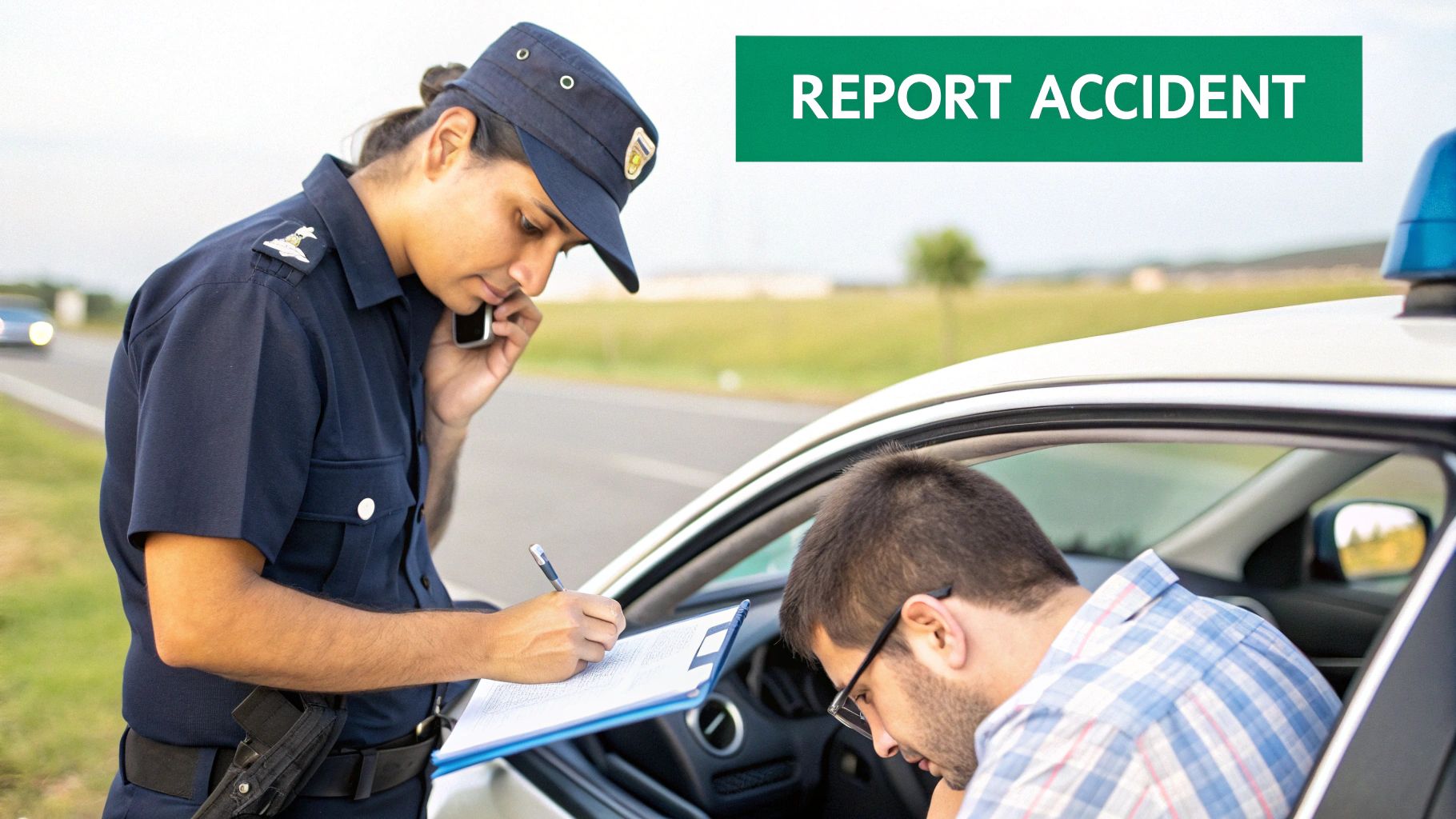
The foundation of any verification is the official police report. In most jurisdictions, law enforcement officers are required to file a formal report if the damage exceeds a certain monetary threshold (typically $1,000 to $2,500) or if injuries occur. These reports include the officer’s narrative, diagrams of the scene, and citations issued. However, documents also include insurance claim records and Department of Motor Vehicles (DMV) title brands. A "Salvage" or "Rebuilt" brand on a title is the most definitive documentary evidence of a severe past accident.
Physical and Forensic Evidence
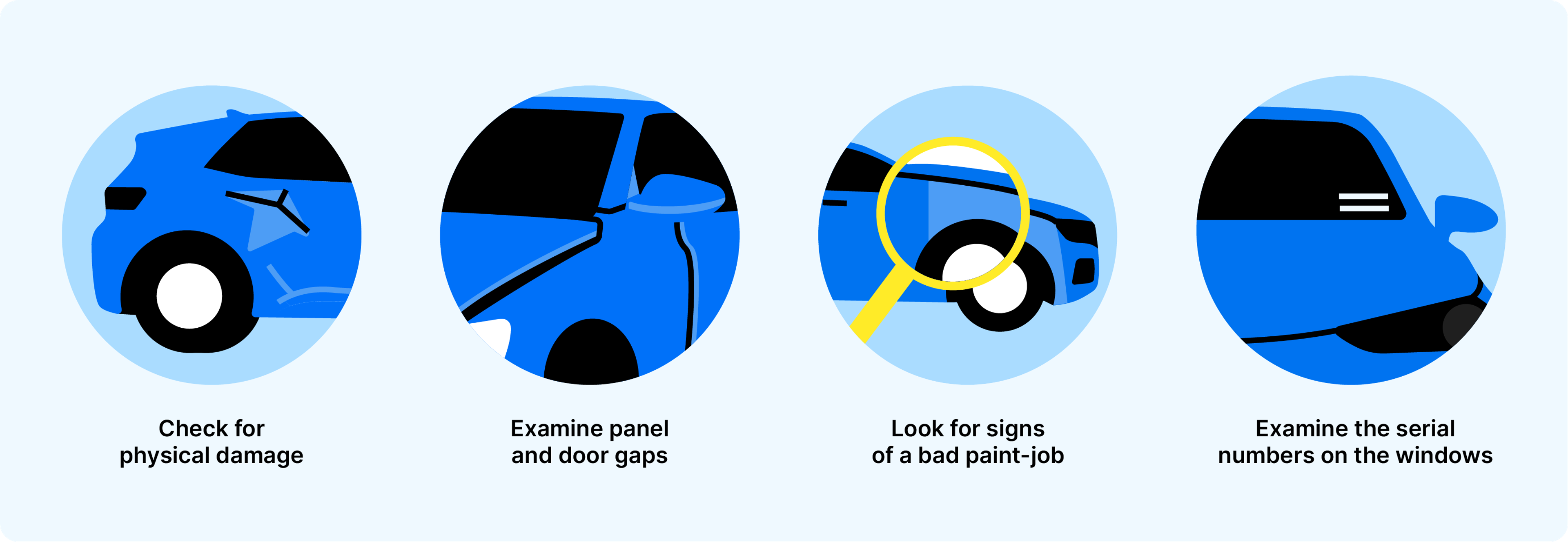
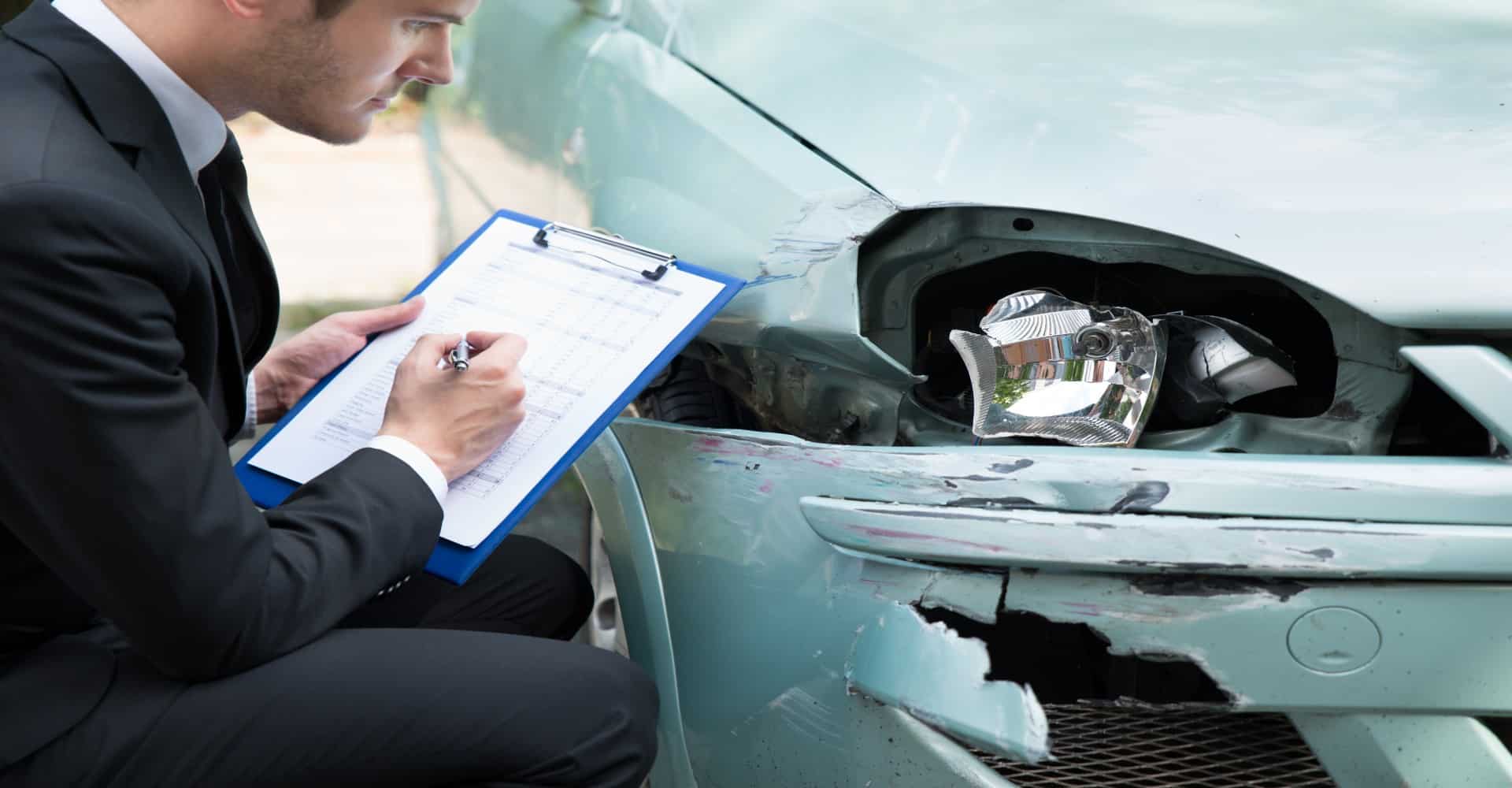
Physical verification involves a direct inspection of the vehicle or the site of the accident. For vehicles, this includes checking for inconsistent paint thickness (measured with a paint depth gauge), structural weld marks that do not match factory specifications, and the deployment of airbags. Forensically, investigators look at tire skid marks and "crush zones" to calculate the force of impact, which can verify if the reported speed of the vehicles matches the physical reality.
Digital Forensics and Telematics
As of 2026, most modern vehicles are equipped with Event Data Recorders (EDRs), often referred to as "black boxes." These devices capture technical information in the seconds leading up to, during, and after a collision. This includes brake application, steering angles, engine RPM, and throttle position. Verifying an accident through EDR data provides an objective digital footprint that is difficult to dispute, unlike witness testimony which may be clouded by shock or bias.
How to Verify a Vehicle's Accident History Before Purchase
For consumers, accident verification is a critical step in the pre-purchase inspection (PPI) process. Undisclosed accidents can lead to structural instability, electrical failures, and significantly lower resale value.
Utilizing VIN-Based History Reports
The Vehicle Identification Number (VIN) serves as the primary key for unlocking a car's past. Services like CARFAX, AutoCheck, and the National Motor Vehicle Title Information System (NMVTIS) aggregate data from thousands of sources, including police departments, collision repair shops, and insurance companies.
When reviewing these reports, look for:
- Structural Damage Indicators: Any mention of frame or unibody repair is a major red flag.
- Airbag Deployment: This almost always indicates a high-velocity impact.
- Total Loss Records: This occurs when the cost of repair exceeds the vehicle's actual cash value.
- Ownership Gaps: Periods where the vehicle was not registered or was frequently auctioned can sometimes hide a history of major repairs.
The Role of the National Insurance Crime Bureau (NICB)
The NICB provides a free tool called "VINCheck" that allows consumers to determine if a vehicle has been reported as a total loss or stolen. While it does not show minor "fender benders," it is a vital step for verifying that a vehicle has not been involved in a catastrophic incident that resulted in a salvage title.
Limitations of Digital Reports
It is crucial to understand that not all accidents appear on digital reports. If a previous owner paid for repairs "out of pocket" at an independent shop that does not report to national databases, the accident remains hidden from a VIN search. This is why digital verification must always be paired with a physical inspection by a certified mechanic who can identify "latent" signs of repair, such as overspray on plastic trim or non-factory bolts in the engine bay.
The Role of Telematics and AI in 2026 Accident Verification
By 2026, the landscape of accident verification has been revolutionized by Artificial Intelligence (AI) and the Internet of Things (IoT). Almost all new vehicles produced since 2024 feature integrated telematics that communicate directly with cloud-based platforms.
Real-Time Crash Detection
Modern telematics systems can detect a crash the moment it happens and transmit data to a centralized server. This includes the exact GPS coordinates, the angle of impact, and the estimated severity of the damage. For insurance companies, this real-time verification reduces the window for fraudulent claims, as the digital data is timestamped and location-verified immediately.
AI-Driven Visual Analysis
Insurance adjusters now utilize AI software to analyze photos taken at the scene of an accident. These algorithms can compare the damage visible in the photo against a database of millions of other collisions to verify if the reported story (e.g., "I hit a pole while backing up") matches the damage pattern (e.g., "The damage is consistent with a side-swipe from another vehicle"). This automated verification speeds up the claims process while increasing accuracy.
Legal and Insurance Requirements for Verification
In a legal context, accident verification is synonymous with the "burden of proof." When a claim is filed, the insurer must verify that the incident falls within the scope of the policy and that the damages are not pre-existing.
The Verification of Benefits (VOB)
In workplace accidents or medical-related vehicle claims, insurance providers perform a Verification of Benefits. This ensures that the policy was active at the time of the accident and that the specific type of incident (e.g., uninsured motorist coverage) is included in the plan. Without this verification, the financial responsibility remains with the individual.
Fraud Detection and SIU Investigations
Special Investigation Units (SIUs) are tasked with verifying accidents that appear suspicious. This might include "staged accidents" where parties intentionally collide to collect insurance payouts. Verification in these cases often involves:
- Checking the relationship between the parties involved (social media links, shared addresses).
- Reviewing historical claims data for the individuals involved.
- Analyzing the physics of the crash to see if the damage could have occurred as described.
Comparison of Accident Verification Methods
| Method | Primary Data Source | Accuracy Level | Cost (Estimated) | Best Used For |
|---|---|---|---|---|
| Police Report | Law Enforcement | High (Legal Weight) | $15 - $50 | Establishing legal liability |
| VIN History (CARFAX) | Databases/Shops | Moderate (Gaps exist) | $40 - $100 | Pre-purchase research |
| EDR (Black Box) | In-Vehicle Sensors | Extremely High | $200 - $500 | High-stakes litigation |
| Telematics/AI | Cloud/IoT Data | High (Real-time) | Subscription-based | Instant insurance claims |
| Physical Inspection | Certified Mechanic | High (Latent damage) | $100 - $250 | Verifying unreported repairs |
Step-by-Step Guide to Obtaining an Official Accident Report
If you need to verify an accident for legal or insurance purposes, obtaining the official report is the first mandatory step.
- Identify the Jurisdiction: Determine which agency responded to the scene (City Police, County Sheriff, or State Highway Patrol).
- Wait for Processing: Reports typically take 3 to 10 business days to be finalized and uploaded to the system.
- Access the Portal: Most states now use centralized portals such as BuyCrash or CrashDocs. You will need the report number, the date of the accident, and the VIN or driver's license number of one involved party.
- Pay the Statutory Fee: Fees vary by state but generally fall under $30 for a standard digital copy.
- Review for Accuracy: Check all names, insurance policy numbers, and the "Narrative" section. If you find a factual error (e.g., a wrong VIN), you must contact the reporting officer to request a supplemental report.
Common Challenges and Discrepancies in Verification
The verification process is not always seamless. Several factors can complicate the search for the truth.
The "Private Property" Problem
In many jurisdictions, police will not file a formal accident report for collisions that occur on private property, such as a shopping mall parking lot or a private driveway, unless there are injuries. This creates a "blind spot" in the vehicle's history, as no public record of the accident may exist. In these cases, verification relies entirely on insurance records or witness statements.
Clerical and Entry Errors
Human error remains a factor. A single digit transposed in a VIN during a police report filing can prevent that accident from showing up in a CARFAX search. This is why experienced investigators always double-check the VIN printed on the vehicle's door jamb against the documentation provided.
Delayed Reporting
Some damage doesn't manifest immediately. A minor tap in a parking lot might look like a scratch but could have damaged an underlying sensor for the Adaptive Cruise Control (ACC) system. Verifying the link between the minor impact and the expensive sensor failure requires a diagnostic "health check" using an OBD-II scanner.
Frequently Asked Questions
How long does an accident stay on a vehicle's verification record?
Most accidents remain on a vehicle's history report for the life of the vehicle. Unlike a driver's license record, which may "clear" after 3 to 7 years depending on the state, vehicle history is tied to the VIN permanently. However, the impact on the vehicle's value diminishes as the vehicle ages.
Can an accident be removed from a vehicle history report?
An accident can only be removed if it was reported in error. If you find an accident on your vehicle's record that never happened, you must provide proof (such as maintenance records or a letter from the reporting agency) to the data provider (e.g., CARFAX) to initiate a data dispute.
Is a "clean" history report a guarantee that a car was never in an accident?
No. A clean report simply means no accidents were reported to that specific database. It does not account for self-repaired damage, accidents on private property, or shops that do not share data. A physical inspection is always necessary to confirm the findings of a history report.
Does every insurance claim show up during accident verification?
Generally, yes. Most insurance companies subscribe to a shared database called CLUE (Comprehensive Loss Underwriting Exchange). When you file a claim, it is recorded in this database, which other insurers use to verify your risk profile and accident history.
How do I verify an accident if I don't have the report number?
You can usually search for a report using the date of the incident, the location (street or intersection), and the last name of one of the drivers. If searching online fails, you may need to visit the local police precinct's records department in person with a valid ID.
Next Steps: Ensuring Thorough Verification
If you are currently in a position where you must verify an accident, your next action should be determined by your role in the process. For those looking to purchase a vehicle, do not rely solely on the dealer-provided report; purchase an independent VIN check from a secondary source to ensure no data was missed. If you are an individual involved in a recent collision, ensure you take comprehensive photos of all vehicles involved, the surrounding road conditions, and any nearby traffic cameras.
For those involved in legal disputes, the most important next step is to secure the "digital evidence" early. Telematics data and dashcam footage can be overwritten or purged from cloud servers after 30 to 90 days. Acting quickly to subpoena or request this data ensures that your accident verification is backed by objective, high-fidelity evidence that stands up in court.