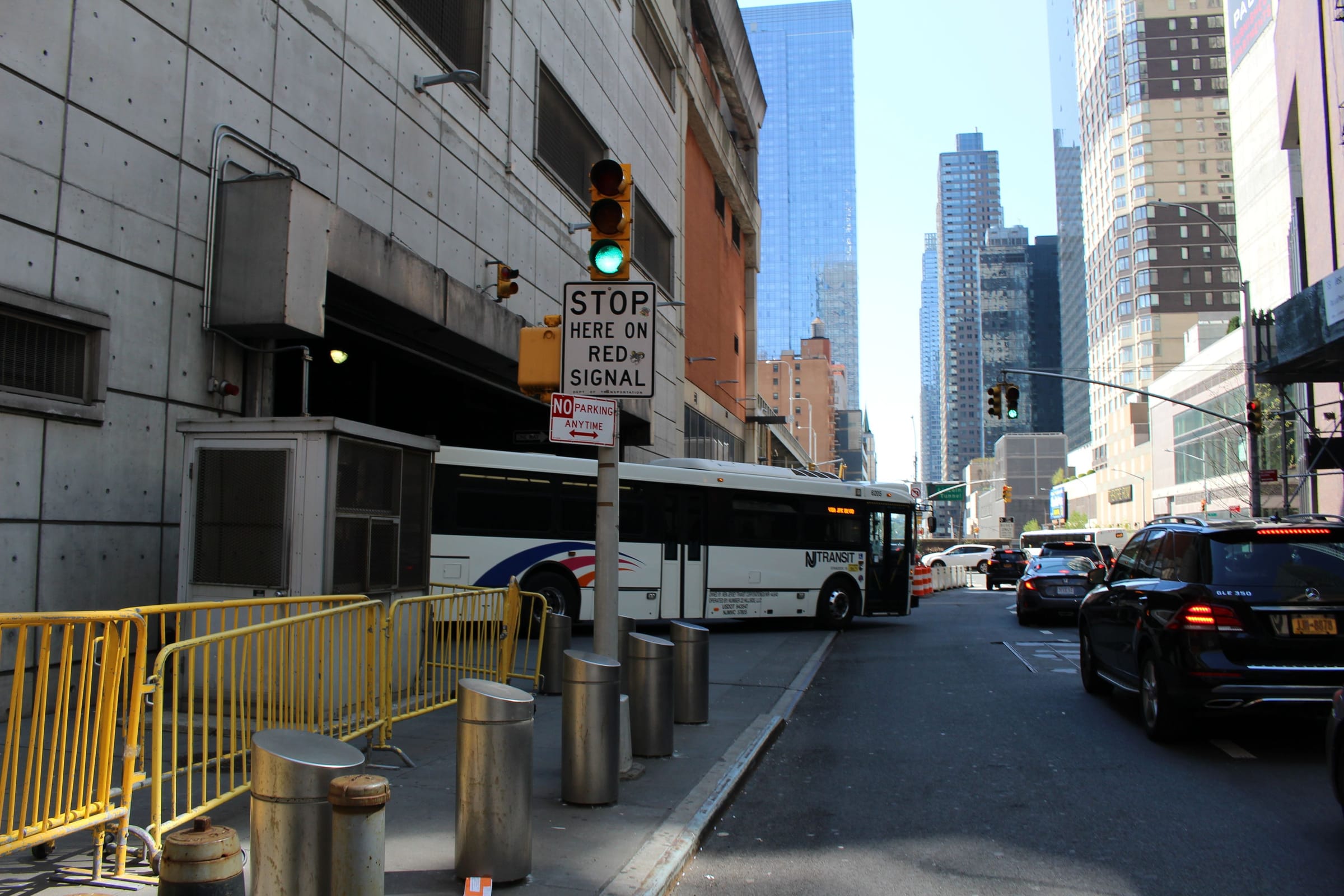
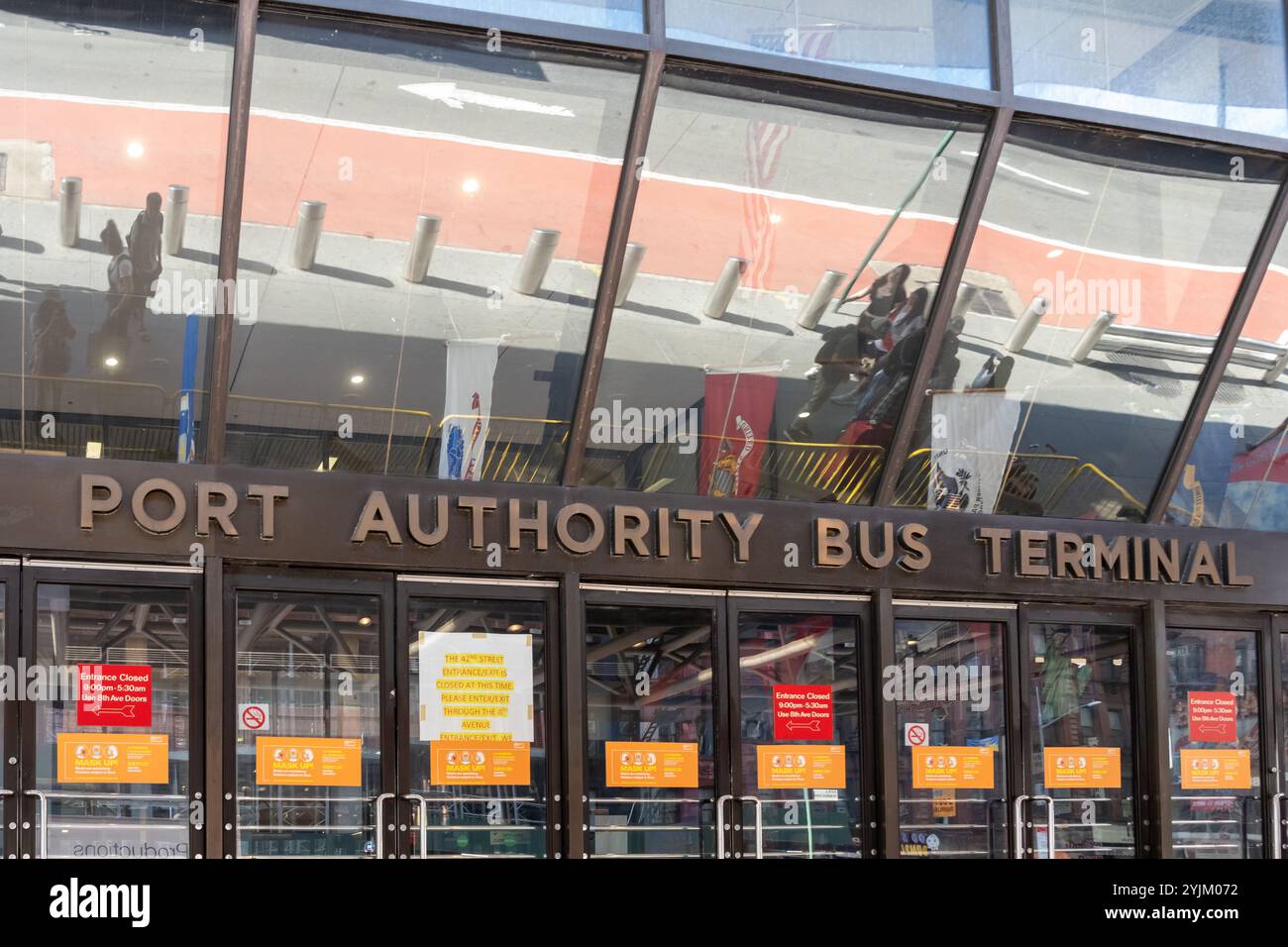
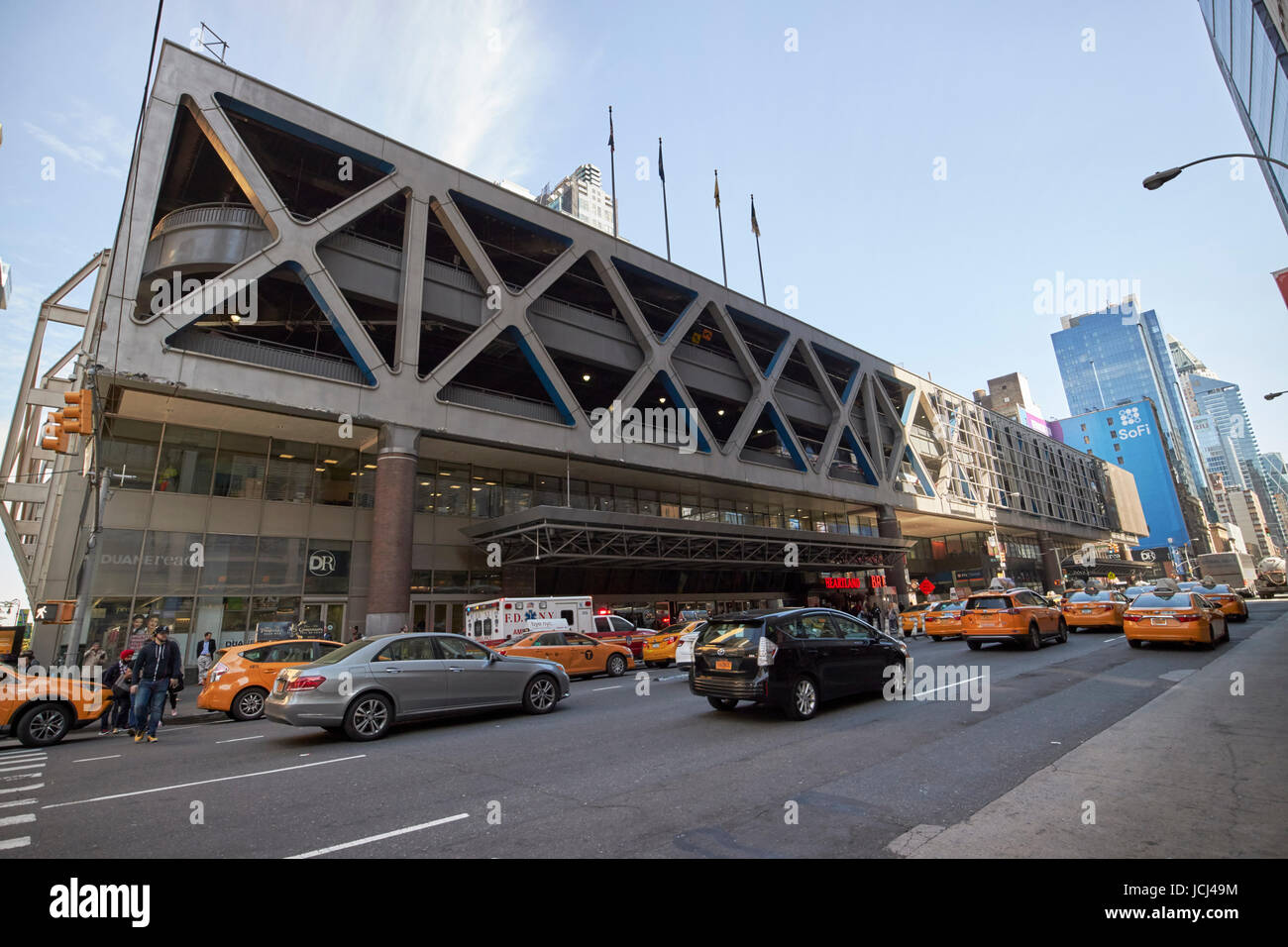
The Port Authority Bus Terminal in Midtown Manhattan serves as one of the busiest transportation hubs in the world. Given its immense daily passenger volume, maintaining personal safety and situational awareness is essential for all commuters. Whether you are navigating the terminal during peak hours or seeking information regarding transit safety, prioritizing your environment, understanding official security procedures, and knowing how to respond to incidents remain the most effective ways to ensure a secure transit experience.
Navigating the Port Authority Bus Terminal Safely
The Port Authority Bus Terminal (PABT) spans several city blocks and multiple levels, facilitating the movement of hundreds of thousands of passengers every day. Because of its sheer scale and the constant flow of buses and pedestrians, the facility requires a specific approach to navigation. Safety begins with preparation. Before arriving, commuters should identify their specific gate and boarding level, as moving through the terminal during high-traffic periods—typically between 7:00 AM and 9:00 AM and 4:00 PM and 6:30 PM—can be challenging.
When moving through the terminal, remain on designated pedestrian walkways. The PABT is an active industrial environment where buses frequently maneuver in confined spaces. Drivers are highly trained, but the blind spots inherent in large transit vehicles mean that pedestrians must be vigilant. Avoid distractions, such as using smartphones or wearing noise-canceling headphones, while navigating between levels or approaching boarding gates. Staying aware of your immediate surroundings is the primary defense against accidental encounters with vehicles or other commuters in crowded corridors.
Official Reporting Procedures and Security Assets
The Port Authority of New York and New Jersey maintains a robust security presence throughout the terminal. If you witness an accident, a suspicious package, or a disruptive individual, you are encouraged to notify authorities immediately rather than intervening personally. The Port Authority Police Department (PAPD) operates dedicated substations within the terminal.
Reporting Mechanisms
- Direct Assistance: Approach a uniformed PAPD officer. They are specifically tasked with patrolling the concourses and boarding levels.
- Emergency Call Boxes: Utilize the clearly marked emergency stations located throughout the facility to connect directly with security dispatch.
- Transit Personnel: If an officer is not immediately visible, contact Port Authority staff at information kiosks or terminal management desks.
In 2026, the Port Authority continues to emphasize the "See Something, Say Something" protocol. This program is designed to empower commuters to act as an extension of security personnel. If you observe something that seems out of place, such as an unattended bag or an individual attempting to access restricted mechanical areas, report it to the nearest official. Do not touch or attempt to move suspicious items; instead, maintain a safe distance and alert staff.
Comparative Safety Risks in Major Transit Hubs
Navigating a major transit hub involves different risk profiles compared to smaller suburban stations. The complexity of a facility like the PABT necessitates a clear understanding of the risks versus the mitigation strategies available to the public.
| Risk Category | Potential Hazard | Recommended Mitigation |
|---|---|---|
| Pedestrian Traffic | Crowds/Stumbling | Utilize designated lanes; allow extra time for transitions. |
| Vehicle Interaction | Bus/Loading Zone accidents | Observe yellow safety lines; wait behind barriers. |
| Security/Public Order | Disruptive behavior | Avoid confrontation; report to PAPD immediately. |
| Environmental | Escalator/Stair slips | Use handrails; secure loose footwear or luggage. |
Managing Emergency Situations
In the event of an emergency or a significant incident within the terminal, the Port Authority utilizes a sophisticated public address system to provide real-time guidance. If an evacuation is ordered, follow the directions of the PAPD and terminal staff explicitly. Do not attempt to use elevators during a fire or power-related emergency; instead, follow the lighted "Exit" signs toward the street-level doors.
The terminal is designed with multiple points of egress. Knowing where these are located upon entering the building can significantly reduce panic during an unexpected event. As a standard practice, identify the nearest emergency exit at your boarding gate upon arrival. If you find yourself in a crowded area during an incident, maintain steady movement toward the nearest exit and avoid stopping to film or photograph the situation, as this can create bottlenecks that impede first responders.
Operational Limitations and Passenger Responsibility
It is important to recognize that while the Port Authority invests heavily in terminal infrastructure—including structural upgrades, lighting improvements, and increased surveillance—the sheer volume of daily users makes complete risk elimination impossible. Passengers hold a significant role in maintaining order and safety.
Common mistakes that contribute to avoidable incidents include leaving personal belongings unattended, which triggers security protocols and potential terminal delays; rushing for departing buses, which leads to falls; and failing to secure luggage, which can create trip hazards on stairs and escalators. By keeping your belongings under your control at all times, you not only protect your property but also contribute to the fluid movement of crowds, which is essential for safety during high-traffic periods.
Frequently Asked Questions
What should I do if I see a minor accident at the terminal?
If you witness a minor fall or collision, remain at the scene only if you are safely able to help by alerting a staff member. Do not crowd the area, as this blocks access for paramedics or terminal security. Notify the nearest Port Authority police officer or information booth staff immediately so they can initiate the appropriate medical or support response.
How are security updates communicated to passengers?
The Port Authority communicates through official social media channels, the PANYNJ website, and internal public address systems. During major service disruptions or security events, digital signage throughout the terminal will be updated to reflect current statuses and alternative exit routes.
Is it safe to be in the bus terminal late at night?
The terminal remains operational 24/7. However, passenger volume decreases significantly during overnight hours. If you are traveling late, stick to well-lit areas with higher foot traffic, and be aware of your surroundings when waiting for buses in lower-occupancy zones. Always keep your phone charged and accessible.
Can I report a safety concern anonymously?
Yes. If you prefer not to speak to an officer directly, you can provide information regarding suspicious activity to the Port Authority through their official feedback channels or by using the emergency call stations, which allow for reporting without necessarily engaging in a prolonged, identifiable interaction.
What are the most common accidents in the terminal?
Slips, trips, and falls are the most frequent incidents reported. These often occur on escalators, stairs, or near high-congestion gate areas. Ensuring you are not distracted and wearing appropriate footwear while navigating the terminal's various levels can drastically reduce these risks.
Establishing Your Safety Strategy
Your personal safety in any large transit hub is a combination of environmental awareness and proactive behavior. Before your next trip to the Port Authority Bus Terminal, check the official Port Authority of New York and New Jersey website for any major service alerts or facility changes that could impact your travel. When you arrive, locate the nearest exit, keep your belongings secured, and maintain a vigilant, distraction-free posture. By following these established protocols, you ensure that you are prepared for the unexpected and capable of navigating the city’s transit infrastructure with confidence.