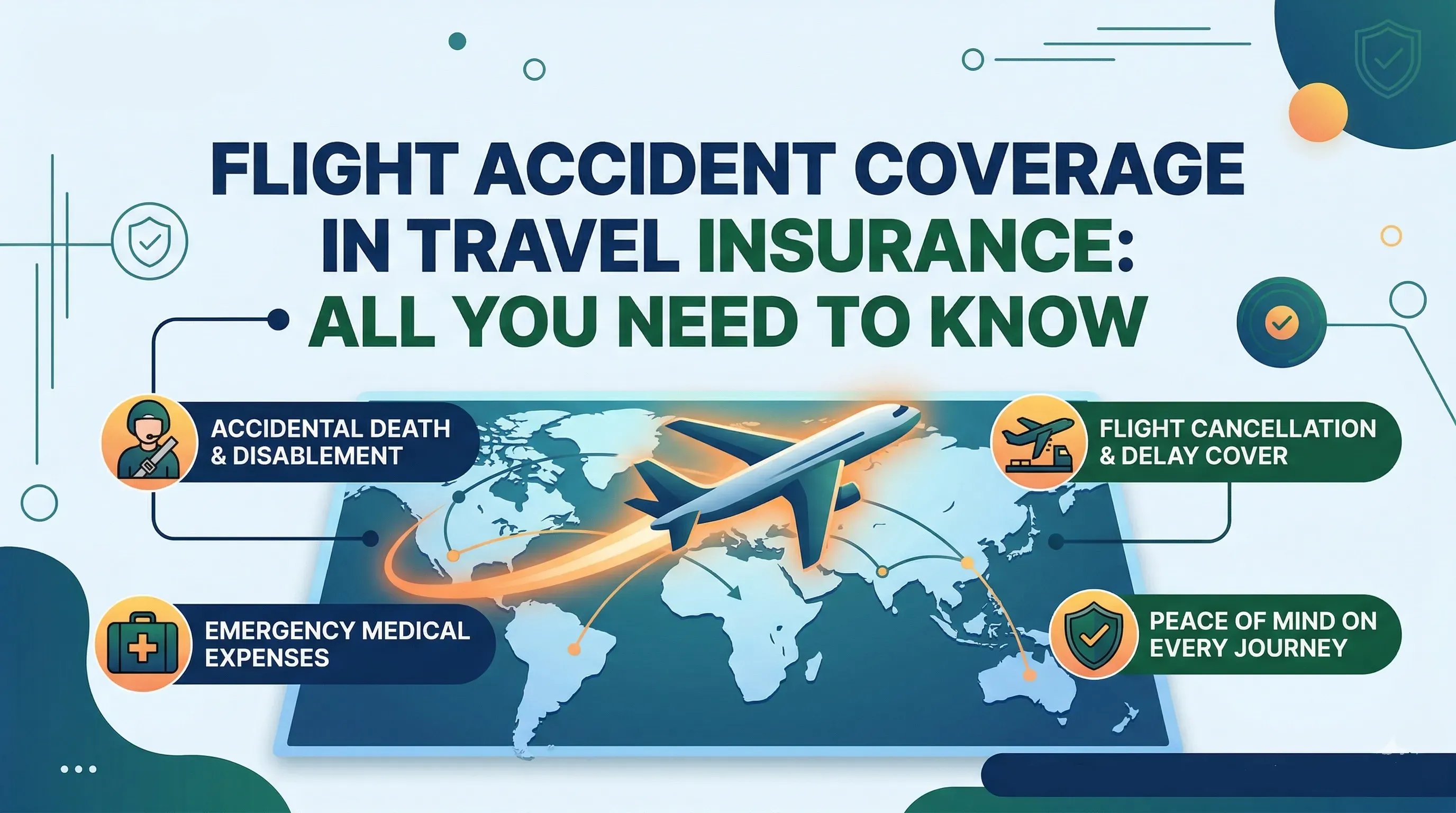
Accident policy coverage, also known as personal accident insurance or supplemental accident insurance, provides a fixed-indemnity cash benefit directly to the policyholder following a covered injury. In 2026, these policies serve as a critical financial bridge, helping individuals cover high deductibles, out-of-pocket medical expenses, and daily living costs that primary health insurance does not address.
Understanding the Scope of Accident Policy Coverage
Accident policy coverage is fundamentally different from traditional major medical insurance. While health insurance is designed to pay medical providers for the treatment of illnesses and injuries, accident insurance is event-driven. When a policyholder suffers a physical injury resulting from a sudden, unforeseen accident, the insurer pays a predetermined amount based on the severity and type of the injury.
This coverage is often categorized as "supplemental" because it is intended to work alongside a primary health plan. In the landscape of 2026, where High Deductible Health Plans (HDHPs) are the standard for many employees, accident insurance acts as a secondary layer of protection. If you break your leg during a weekend hike, your health insurance may leave you with a $5,000 deductible; an accident policy might pay out $2,500 for the fracture and another $500 for the emergency room visit, significantly reducing your personal financial burden.
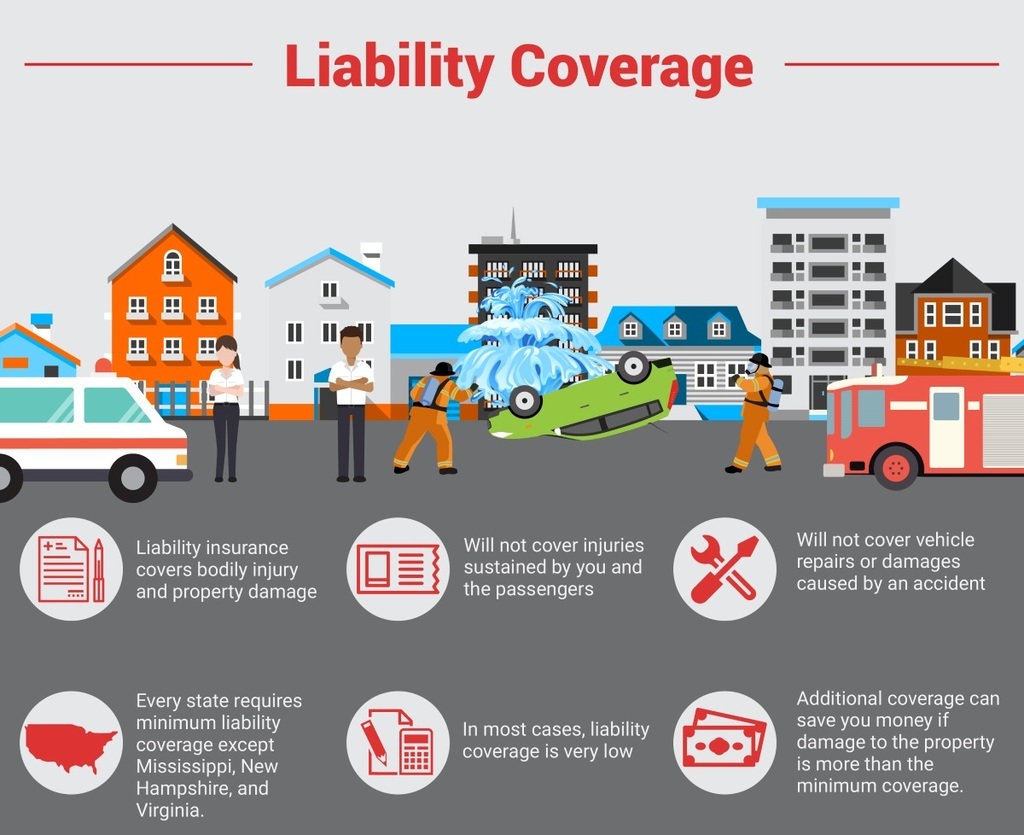
It is important to distinguish this from the "accident" portion of an auto or homeowners' policy. While those policies focus on liability (damage you cause to others) or specific vehicle-related injuries, personal accident insurance follows the individual. Whether the injury occurs at home, in the gym, or while traveling, the coverage remains in effect as long as the event meets the policy's definition of an accident.
Primary Benefits and Scheduled Payouts
Most accident policies utilize a "Schedule of Benefits," which acts as a menu of payouts for specific medical events. The depth of these payouts depends on the tier of coverage selected. By 2026, most carriers have standardized these schedules to include both immediate care and long-term recovery.
Emergency and Immediate Care
The first phase of coverage usually applies to the immediate aftermath of an accident. This includes:
- Ambulance Transportation: Payouts for ground or air ambulance services.
- Emergency Room Visits: A flat fee for the initial assessment and treatment.
- Urgent Care and Diagnostic Exams: Benefits for X-rays, CT scans, and MRIs required to diagnose the injury.
Specific Injury Indemnity
The core of the policy is the payout for the injury itself. These are typically graded by severity:
- Fractures and Dislocations: Payouts vary based on the bone involved and whether the fracture is "simple" (closed) or "compound" (open/requiring surgery). For example, a hip fracture often yields a higher payout than a finger fracture.
- Lacerations: Benefits are scaled based on the length of the wound and whether stitches or skin grafts are required.
- Burns: Coverage is determined by the degree (second or third degree) and the percentage of the body surface area affected.
- Concussions: A fixed benefit for diagnosed traumatic brain injuries.
Hospitalization and Surgical Benefits
If the accident is severe enough to require surgery or an overnight stay, the policy provides additional layers of support. Most policies include a "Daily Hospital Indemnity" benefit, providing a set amount for every 24 hours spent in the hospital. If the patient is moved to an Intensive Care Unit (ICU), this daily benefit often doubles or triples. Surgical benefits are paid based on whether the procedure is considered "major" (such as abdominal surgery to repair internal trauma) or "minor."
Key Differences Between Accident and Health Insurance
A common point of confusion for consumers is why they need accident coverage if they already have health insurance. The distinction lies in the recipient of funds and usage restrictions.
Health insurance payments are typically sent directly to doctors and hospitals. These payments are subject to "Allowed Amounts," "Network Restrictions," and "Medical Necessity" reviews. If you see an out-of-network specialist after an accident, your health insurance may refuse to pay, or pay at a much lower rate.
In contrast, accident policy benefits are paid directly to you. The insurance company does not dictate how you use the money. You can use the cash to:
- Pay your health insurance deductible or co-insurance.
- Cover your mortgage or rent while you are unable to work.
- Pay for childcare or household help during your recovery.
- Offset the cost of transportation to follow-up physical therapy appointments.
Furthermore, accident policies are usually "guaranteed issue" or have very minimal underwriting. This means your medical history—such as high blood pressure or diabetes—generally does not impact your ability to get coverage, as the policy only pays for injuries caused by accidents, not illnesses.
Common Exclusions and Limitations
While accident insurance is broad in its application to injuries, it is not a "catch-all" for every medical emergency. Understanding exclusions is vital to managing expectations during the claims process.
Sickness vs. Accident
The most frequent reason for claim denial is the "sickness" exclusion. If you experience chest pain and go to the ER, and it is determined you are having a heart attack, an accident policy will not pay. A heart attack is a medical illness, not an external, accidental event. For coverage regarding illnesses, one would need a "Critical Illness" or "Hospital Indemnity" policy.
Risky Activities and Professional Sports
Many policies exclude injuries sustained while participating in "extreme" activities such as skydiving, bungee jumping, or professional racing. Furthermore, injuries sustained while playing professional sports for pay are typically excluded, though amateur and youth sports are almost always covered.
Behavioral Exclusions
Insurers generally deny claims if the accident occurred while the policyholder was:
- Under the influence of non-prescribed drugs or alcohol above the legal limit.
- Engaged in the commission of a felony.
- Intentionally inflicting self-harm.
Coordination of Benefits
Some older policies may have "Coordination of Benefits" clauses, but by 2026, most personal accident policies are "non-coordinated." This means they pay regardless of what any other insurance pays. You can collect from your auto insurance PIP (Personal Injury Protection) and your supplemental accident policy for the same injury.
Comparing Accident Policy Tiers
When selecting a policy, consumers typically choose between Basic, Enhanced, and Premier tiers. The differences usually lie in the dollar amount of the payouts rather than the types of injuries covered.
| Benefit Category | Basic Coverage (Low Premium) | Enhanced Coverage (Mid-Range) | Premier Coverage (High Benefit) |
|---|---|---|---|
| Emergency Room Visit | $100 | $200 | $300 |
| Hospital Admission | $500 | $1,000 | $1,500 |
| Daily Hospital Stay | $100/day | $200/day | $400/day |
| Major Bone Fracture | Up to $2,000 | Up to $4,000 | Up to $8,000 |
| Accidental Death (AD&D) | $10,000 | $25,000 | $50,000 |
| Ground Ambulance | $100 | $200 | $400 |
Note: These figures are representative of 2026 market averages and vary by provider and jurisdiction.
How to File an Accident Policy Claim
To receive benefits, the policyholder must prove that a covered accident occurred and that medical treatment was sought. The process in 2026 is largely digital, but documentation remains the cornerstone of a successful claim.
- Seek Treatment Immediately: Most policies require that the initial treatment for an accident occurs within 72 hours to 30 days of the event. Delaying treatment can lead to a denial based on the inability to prove the injury was caused by the specific accident.
- Gather Documentation: You will need the "UB-04" or "HCFA-1500" forms from your medical provider. These are standard billing forms that contain the ICD-10/11 (International Classification of Diseases) codes required by the insurer to verify the injury type.
- Submit via Portal: Log into your carrier’s digital portal. You will typically upload a photo or PDF of your discharge papers and the physician's statement.
- Verification and Payment: The insurer verifies the codes against the Schedule of Benefits. In 2026, many carriers use automated adjudication, allowing for payment via direct deposit within 3 to 5 business days.
Determining Your Need for Coverage
Accident insurance is not a necessity for everyone, but it is highly beneficial for specific demographics. You should consider adding this coverage if:
- You have a high-deductible health plan: If an ER visit would drain your emergency fund, the low monthly premium of an accident policy (often $15-$30) acts as an affordable hedge.
- You have an active lifestyle: Individuals who cycle, hike, or participate in recreational sports leagues have a higher statistical probability of "event-based" injuries.
- You are the primary breadwinner: If a broken leg would prevent you from performing your job (especially in manual labor or retail), the lump-sum payout provides immediate liquidity that disability insurance might not provide until after a 30-to-90-day waiting period.
- You have children: Pediatric injuries—broken bones from the playground or stitches from sports—are among the most common claims filed.
Professional Advice Limitation
This article provides a general overview of accident insurance principles as of 2026. Insurance laws and policy availability vary significantly by state and country. Always review the "Summary of Benefits and Coverage" (SBC) for any specific policy you are considering. This information does not constitute legal, financial, or medical advice.
Frequently Asked Questions
Does accident insurance cover my family members?
Yes, most accident policies offer "Family" or "Individual + Children" plans. When a family plan is selected, the same schedule of benefits applies to your spouse and legal dependents. Some policies even include a "Wellness Rider" that pays a small annual benefit (e.g., $50) for each family member who gets a routine check-up or flu shot.
Can I keep my accident policy if I leave my job?
This depends on whether the policy is "portable." If you purchased the policy through an employer's benefits package, check the "Portability" provision. If it is portable, you can continue the coverage by paying the premiums directly to the insurance company at the same rate, even after your employment ends.
Is there a waiting period before the coverage begins?
For most accident policies, there is no waiting period for injuries. Coverage typically begins the first day of the month following your first premium payment. However, certain "Sickness-related" riders (if added) may have a 30-day waiting period.
Will my premiums increase if I file a claim?
No. Unlike auto insurance, personal accident insurance is usually "community-rated" or "issue-age rated." Filing a claim for a broken arm will not increase your individual premium. The insurer can only raise rates if they do so for the entire "class" of policyholders in your state.
Does it cover accidents that happen at work?
Most individual and group accident policies cover "24-hour" accidents, meaning they apply whether you are on or off the clock. However, some lower-cost "Off-the-Job" policies specifically exclude workplace injuries because those are expected to be covered by Workers' Compensation. Always check if your policy is "On-and-Off-the-Job" or "Off-the-Job Only."
Next Steps for Securing Coverage
If you have determined that an accident policy fits your financial strategy, the first step is to review your current health insurance out-of-pocket maximum. Look for the "gap"—the difference between your available savings and your maximum potential medical liability.
Contact your HR department to see if they offer a group rate, as employer-sponsored plans are often significantly cheaper than individual plans. If buying independently, use a comparison tool to evaluate the "Schedule of Benefits" across at least three different carriers. Prioritize companies with a high A.M. Best rating to ensure financial stability and reliable claims processing. Once enrolled, save your policy number and the claims submission link in your phone; in the event of an accident, the last thing you want to search for is paperwork.