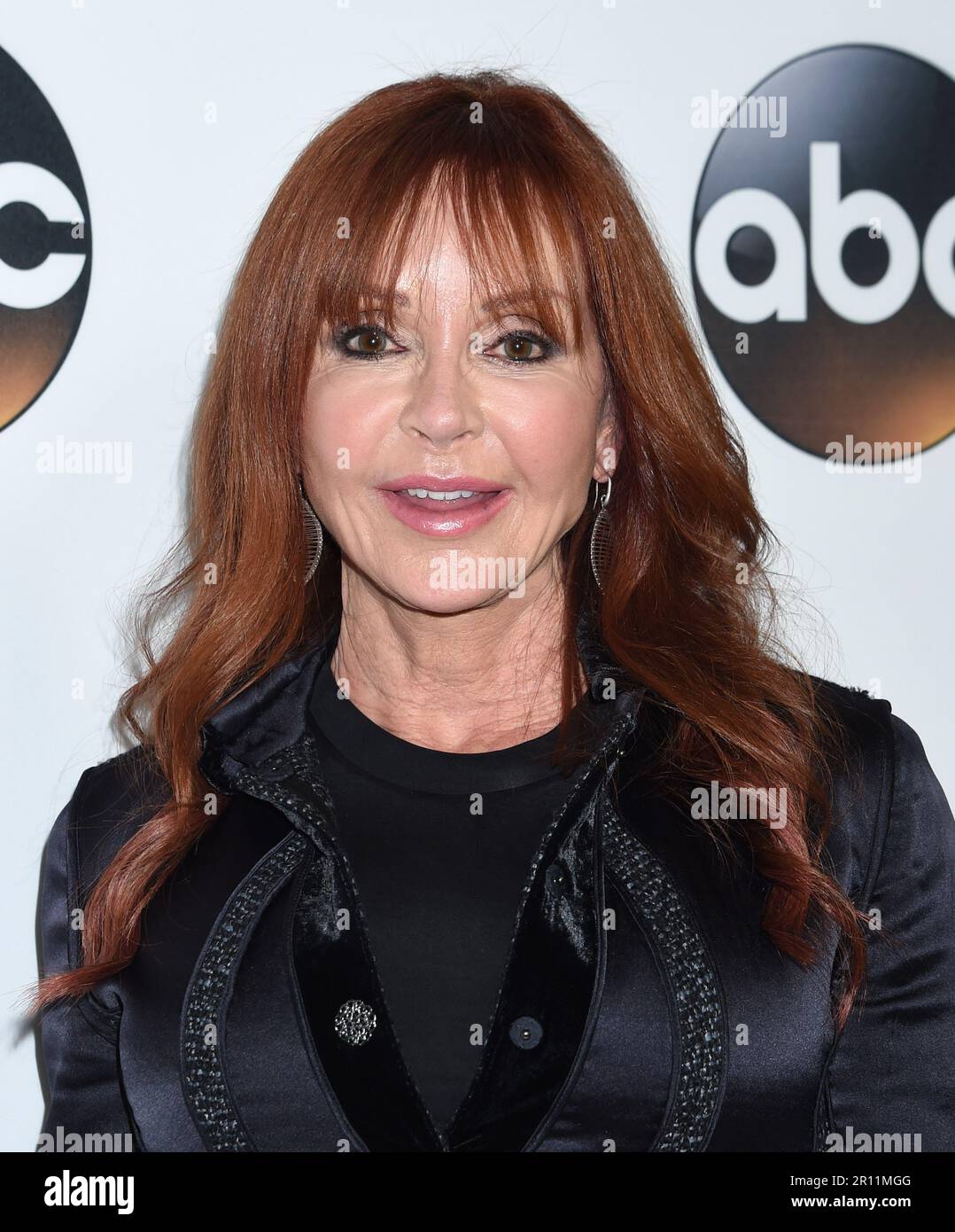
Natasha Richardson died on March 18, 2009, due to an epidural hematoma caused by a seemingly minor fall during a skiing lesson at the Mont Tremblant Resort in Quebec. Although she initially appeared fine—a phenomenon known as a "lucid interval"—her condition deteriorated rapidly, leading to her untimely passing at age 45.
As of 2026, the legacy of Natasha Richardson remains a poignant chapter in Hollywood history. A member of the esteemed Redgrave acting dynasty and the wife of actor Liam Neeson, Richardson was a luminous presence on both the stage and screen. Her death not only devastated her family and fans but also served as a critical turning point in public awareness regarding traumatic brain injuries (TBI) and the importance of helmet safety in recreational sports. To truly remember the beloved star, one must look past the tragic afternoon in Quebec and explore her extraordinary career, her family life, and the medical realities that changed the way we view "minor" head impacts.
The Timeline of the Mont Tremblant Accident
On March 16, 2009, Natasha Richardson was taking a private skiing lesson on a beginner’s slope at the Mont Tremblant Resort, approximately 80 miles north of Montreal. The slope, known as Nansen, was considered a "nursery trail" with a gentle gradient. During the lesson, Richardson suffered a tumble. By all accounts, the fall was not dramatic; she was not traveling at high speeds, and she did not strike any visible obstacles.
Crucially, Richardson was not wearing a helmet. Immediately following the fall, she appeared to be uninjured. She laughed off the incident and even turned down medical attention from the ski patrol, insisting she was fine. This period of apparent stability is what medical professionals call a lucid interval. Richardson returned to her hotel room, but approximately one hour later, she began experiencing a severe headache and signs of confusion.
The timeline of the emergency response became a subject of intense scrutiny in the years following. An ambulance was called to the hotel, and she was first taken to Centre Hospitalier Laurentien in Sainte-Agathe-des-Monts. As her condition became critical, she was transferred to Hôpital du Sacré-Cœur in Montreal, a trauma center equipped to handle neurological emergencies. By the time she reached Montreal, she was brain-dead. She was eventually flown to Lenox Hill Hospital in New York City, where her family, including husband Liam Neeson and mother Vanessa Redgrave, gathered to say their final goodbyes before she was removed from life support on March 18.
Understanding the "Talk and Die" Syndrome
The medical cause of Richardson's death was officially ruled as an epidural hematoma. This condition occurs when a blood vessel—usually an artery—ruptures between the outer surface of the dura mater and the skull. The resulting accumulation of blood creates rapidly increasing pressure on the brain tissue.
The tragedy of Richardson’s case lies in the deceptive nature of the injury. Because the bleeding is often arterial, it can be high-pressure, but it may take time for the volume of blood to reach a level that compresses the brain stem. During this window, the patient may appear completely normal, leading to the grim medical colloquialism "talk and die syndrome."
Why the Lucid Interval is Dangerous
- False Sense of Security: Patients often refuse treatment because they feel "fine" or only slightly shaken.
- Delayed Intervention: By the time symptoms like dilated pupils, severe vomiting, or loss of consciousness appear, the brain has already suffered significant displacement (herniation).
- Pressure Dynamics: The skull is a fixed volume. Any additional fluid, like blood from a torn middle meningeal artery, forces the brain downward through the only opening available—the foramen magnum—which controls vital functions like breathing.
In the years since 2009, medical protocols at ski resorts have shifted toward a "when in doubt, check it out" philosophy. Had a CT scan been performed immediately after her fall, the hematoma might have been detected and surgically drained, a procedure that has a high success rate when performed early.
A Career Defined by Grace and Versatility
While the accident is a significant part of her historical record, Natasha Richardson is best remembered for her immense talent. Born into the Redgrave family—daughter of director Tony Richardson and actress Vanessa Redgrave—she carried a heavy mantle of expectation which she met with profound skill.
Her performance as Sally Bowles in the 1998 Broadway revival of Cabaret remains legendary. Under the direction of Sam Mendes, Richardson stripped away the gloss usually associated with the role, delivering a raw, vulnerable, and ultimately heartbreaking performance that earned her the Tony Award for Best Actress in a Musical.
In film, she was a versatile presence. To a younger generation, she was the quintessential mother figure, Elizabeth James, in the 1998 remake of The Parent Trap. Her chemistry with a young Lindsay Lohan and her portrayal of a sophisticated yet warm London wedding dress designer made her a household favorite. She also delivered haunting performances in Patty Hearst (1988), where she portrayed the kidnapped heiress, and Nell (1994), where she starred alongside her future husband, Liam Neeson.
| Year | Production | Role | Notable Recognition |
|---|---|---|---|
| 1988 | Patty Hearst | Patty Hearst | Critical acclaim for her breakout film role |
| 1993 | Anna Christie | Anna Christie | Tony Nomination; met Liam Neeson during this run |
| 1994 | Nell | Dr. Paula Olsen | Starring role alongside Liam Neeson |
| 1998 | The Parent Trap | Elizabeth James | Global commercial success and beloved performance |
| 1998 | Cabaret | Sally Bowles | Won Tony Award, Drama Desk, and Outer Critics Circle |
| 2005 | Asylum | Stella Raphael | Evening Standard British Film Award for Best Actress |
The Legacy of Safety and Organ Donation
In the wake of the tragedy, the "Natasha Richardson Law" did not become a formal federal statute, but it spurred a massive shift in regional regulations and resort policies. Most major ski resorts across North America and Europe now mandate helmets for children and strongly encourage or require them for adults in ski schools. Statistics from the National Ski Areas Association (NSAA) have shown a marked increase in helmet usage since 2009, directly influenced by the high-profile nature of this accident.
Beyond safety, Richardson’s death saved lives in a more literal sense. In a 2014 interview, Liam Neeson revealed that he and his family made the difficult decision to donate her organs. Neeson stated that her heart, kidneys, and liver were donated, allowing three other people to live. This act of altruism provided a sliver of light in a dark period for the family and encouraged many of her fans to register as organ donors.
The family has remained a symbol of quiet resilience. Neeson continued to raise their two sons, Micheál and Daniel, in New York. Micheál eventually followed in his mother's footsteps, becoming an actor and even changing his surname to Richardson in 2018 to honor her memory and keep her name alive in the industry.
Remembering the "Beloved Star" in 2026
Approaching two decades since her passing, the industry continues to feel the absence of Natasha Richardson. She represented a bridge between the classical theater traditions of the 20th century and the modern celebrity culture of the 21st. Her ability to move between a high-stakes Broadway stage and a family-friendly Disney film with equal gravitas was rare.
In 2026, her films continue to find new audiences through streaming platforms, and her Tony-winning performance in Cabaret is still cited by theater students as the gold standard for the character of Sally Bowles. For those who knew her, the memories often focus on her generosity, her talent for hosting, and her devotion to her family.
The "beloved star" label is one she earned through genuine connection with her audience. She wasn't just a face on a screen; she was an artist who chose roles that explored the complexities of womanhood, motherhood, and survival. While her life was cut short by a freak accident, the lessons learned from that day and the body of work she left behind ensure that Natasha Richardson is never forgotten.
Frequently Asked Questions
What exactly is an epidural hematoma?
An epidural hematoma is a medical emergency where blood collects between the skull and the dura mater, the thick membrane covering the brain. It is usually caused by a rupture of the middle meningeal artery following a blow to the head. This injury is particularly dangerous because the pressure can build quickly, leading to brain herniation and death if the blood is not surgically evacuated.
Could a helmet have saved Natasha Richardson?
While no piece of safety equipment can guarantee 100% protection, medical experts generally agree that a helmet significantly reduces the risk of focal head injuries like the one Richardson sustained. Helmets are designed to absorb the energy of an impact and spread the force across a wider surface area, which can prevent the specific type of skull fracture or arterial tear that leads to an epidural hematoma.
What are the symptoms of "talk and die" syndrome?
The "lucid interval" or "talk and die" syndrome is characterized by a period where the patient seems fine after a head injury. However, as the internal bleeding continues, symptoms emerge rapidly. These include a worsening headache, nausea or vomiting, confusion, weakness in one side of the body, and eventually a loss of consciousness. It is vital to seek medical evaluation for any head injury that causes even brief disorientation.
How did Liam Neeson honor her after the accident?
Liam Neeson has honored his late wife by continuing to support their children and maintaining her privacy while speaking candidly about the realities of grief. He made the decision to donate her organs, which saved the lives of three people. Furthermore, his support of their son Micheál’s decision to adopt the surname Richardson was a public tribute to her family's theatrical lineage.
Where is Natasha Richardson buried?
Natasha Richardson is buried in St. Peter's Episcopal Cemetery in Lithgow, New York. Her grave is near the home she shared with Liam Neeson in Millbrook. The location is private and serves as a quiet place for her family to remember her, far from the glare of Hollywood.
Honoring Her Memory Through Awareness
To remember Natasha Richardson in 2026 is to celebrate a life of immense artistic contribution while respecting the hard-won lessons of her passing. The most practical way to honor her legacy is through the advocacy of brain safety and the support of the arts. If you are an avid skier or cyclist, wearing a helmet is a direct way to respect the circumstances that took her from the world.
Furthermore, supporting organizations like the Brain Injury Association of America or local theater foundations keeps the two pillars of her story—health awareness and the performing arts—alive. Richardson was a woman of profound depth, and while her accident was a tragedy, the way the world responded with increased safety measures and continued appreciation for her work is a testament to the lasting impact of a truly beloved star.