Accident analysis is the systematic process of investigating, documenting, and evaluating the causal factors behind an unplanned event to determine its root cause and prevent recurrence. By identifying the intersection of human, technical, and environmental variables, organizations use these insights to refine safety protocols, optimize operational performance, and mitigate future liability risks.
The Objective of Systematic Accident Analysis
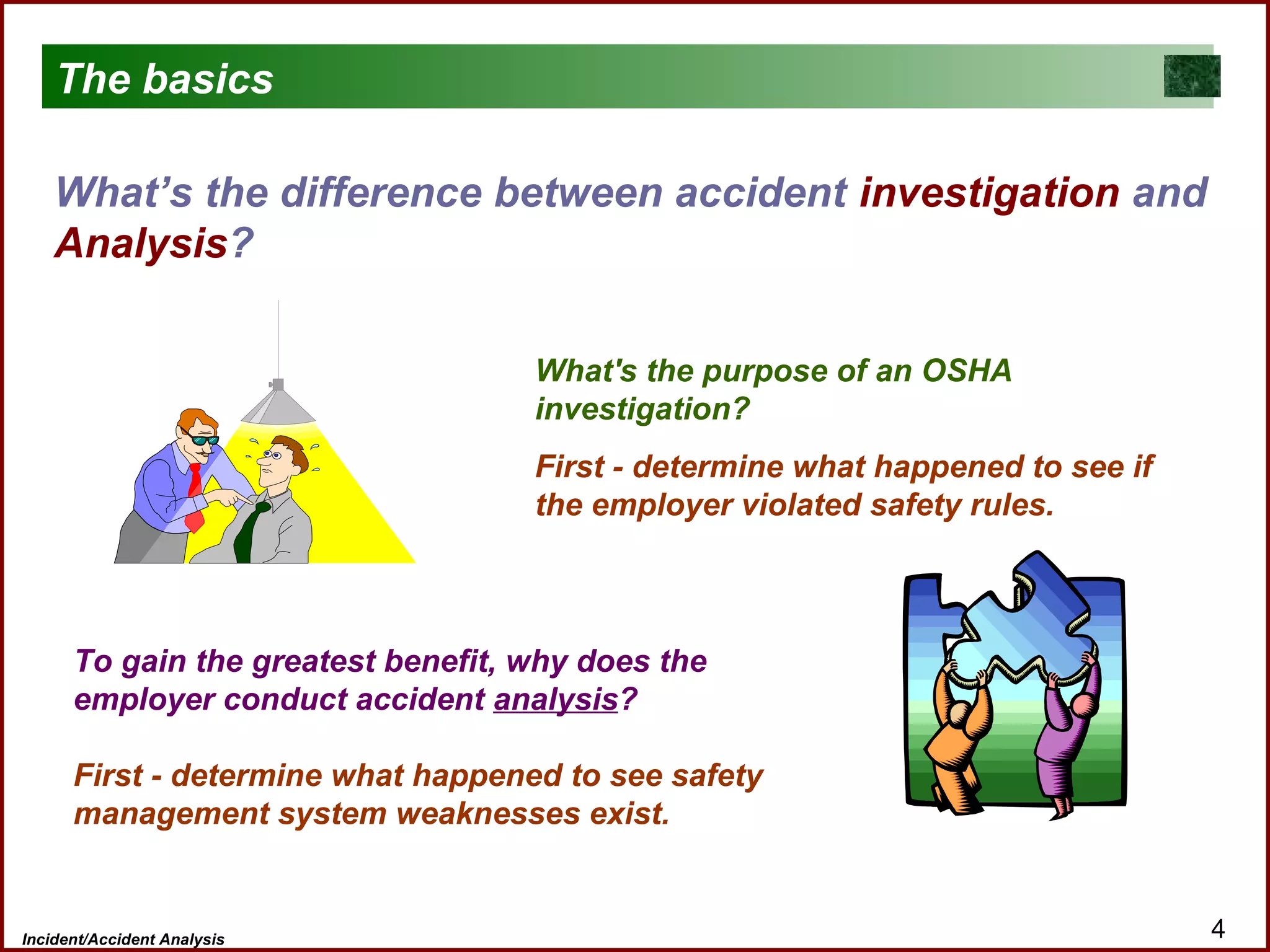
At its core, accident analysis is a forensic discipline. It moves beyond superficial conclusions—such as "human error"—to uncover the systemic failures that allowed a specific error to occur. When an accident happens, the primary objective is not merely to assign blame, but to establish a factual, chronological account of events. This requires data collection from physical evidence, witness statements, digital logs, and environmental telemetry.
In professional environments, this process adheres to standardized frameworks that prioritize the "Hierarchy of Controls." Instead of simply telling personnel to be more careful, an effective analysis identifies whether a hazard could have been eliminated, engineered out, or controlled through administrative changes. The goal is to produce a corrective action plan that is actionable, verifiable, and permanent.
Core Phases of the Investigation Cycle
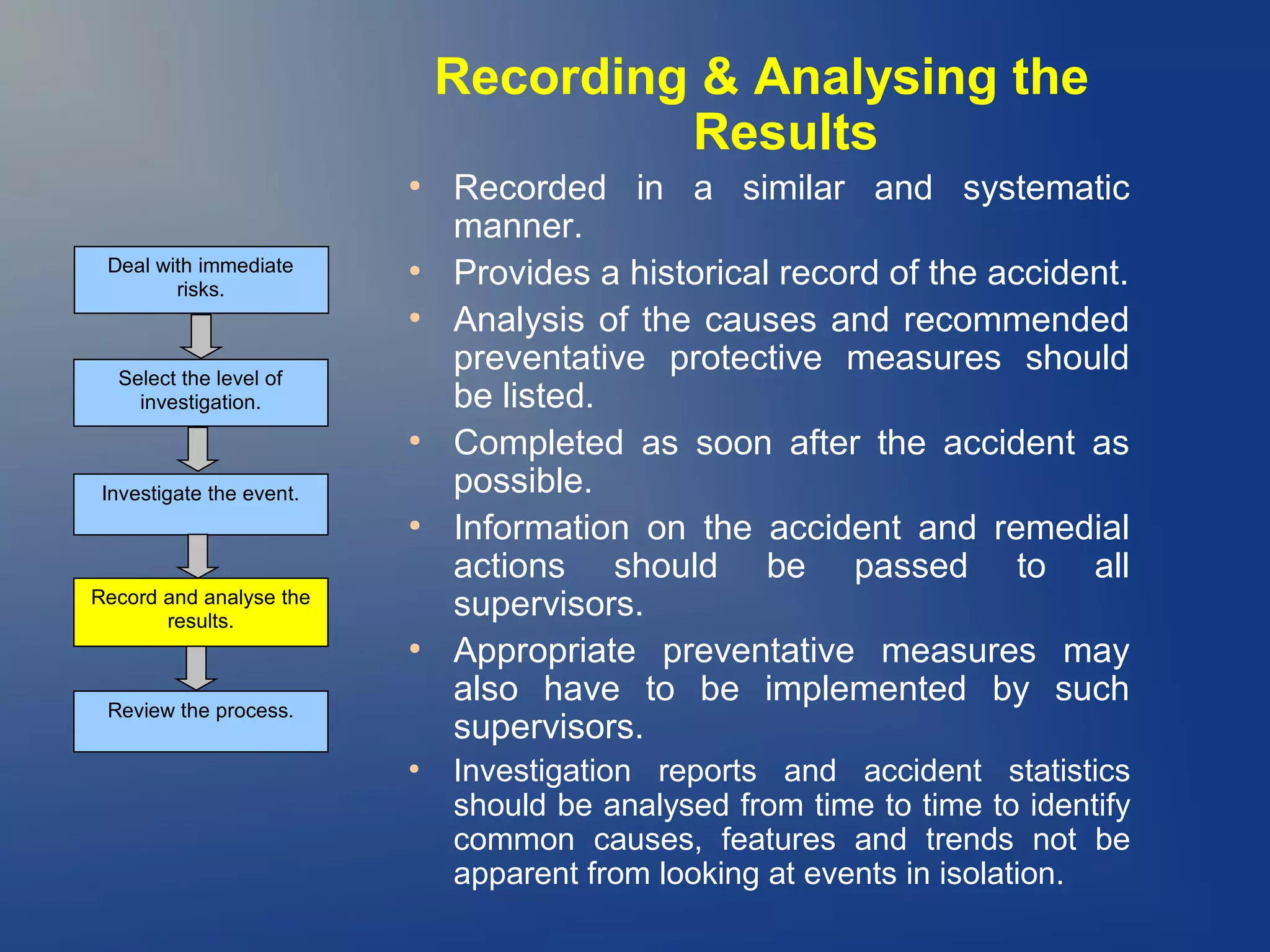
The efficacy of an analysis depends on the rigor applied during the investigative phase. Most professional standards, such as those recommended by the Occupational Safety and Health Administration (OSHA) or international ISO 45001 standards, follow a structured progression:
- Immediate Response and Scene Preservation: The priority is securing the area to prevent secondary injuries and preserve evidence. This includes photographing the site, sequestering damaged equipment, and gathering initial statements before memory fades or details are influenced by others.
- Fact Gathering: This phase involves the collection of all relevant data. This includes maintenance logs, training records for involved personnel, operating procedures, and sensor data (such as Black Box recorders or digital sensor history).
- Causal Mapping: Investigators organize facts chronologically to identify the sequence of events. Techniques like the "Five Whys" or "Fishbone Diagrams" (Ishikawa) are frequently employed to drill down from the event itself to the underlying systemic deficiencies.
- Development of Recommendations: Based on the identified root causes, investigators draft solutions. These must be SMART: Specific, Measurable, Achievable, Relevant, and Time-bound.
- Implementation and Verification: The final step involves executing the recommended changes and verifying that they effectively eliminate the hazard without introducing new risks into the workflow.
Common Methodologies and Frameworks
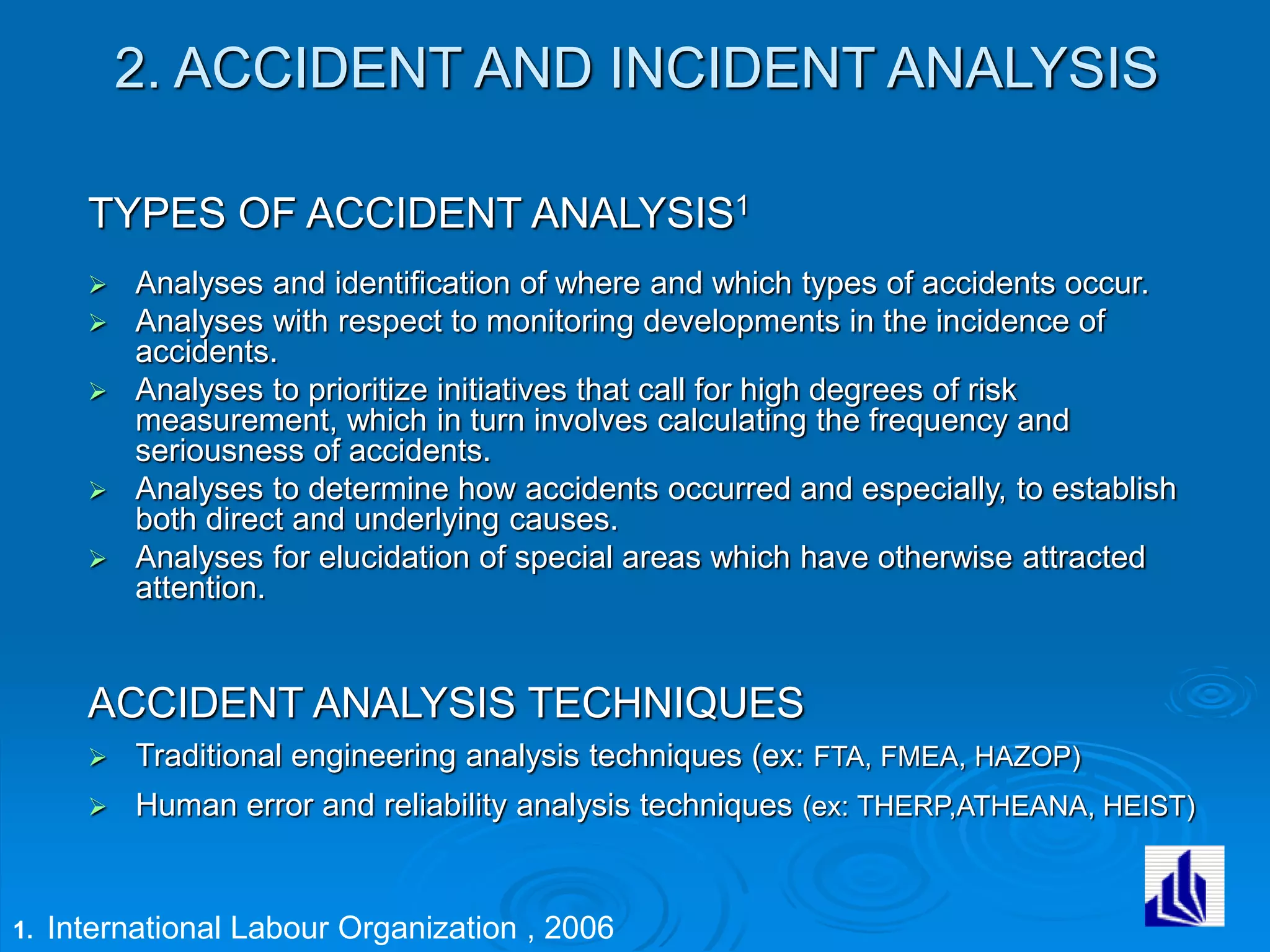
Different industries utilize specific models to conduct their analyses. Selecting the right framework depends on the complexity of the accident and the resources available to the investigation team.
Root Cause Analysis (RCA)
RCA is a collective term for various methods used to identify the fundamental cause of a failure. It is particularly effective for recurring issues where standard troubleshooting has failed. By asking "Why?" repeatedly, investigators can peel back layers of symptoms to expose the root—often a failure in policy, design, or training.
Fault Tree Analysis (FTA)
Used extensively in high-stakes fields like aerospace and chemical engineering, FTA is a top-down, deductive failure analysis. The investigator starts with an undesired event (e.g., a boiler explosion) and maps out all potential paths, conditions, or component failures that could have led to that result. It is a probabilistic model that helps quantify risk.
Barrier Analysis
This methodology focuses on the "barriers" that should have prevented the accident. If a person was injured by a moving part, the barrier analysis asks why the machine guard was missing, why the interlock failed, or why the maintenance inspection did not catch the degradation. It shifts the focus from the act to the safeguard.
| Methodology | Best Used For | Primary Focus |
|---|---|---|
| Five Whys | Simple, linear incidents | Identifying basic root causes |
| Fishbone (Ishikawa) | Complex, multi-factor events | Categorizing contributors (Man, Machine, Method) |
| Fault Tree Analysis | High-hazard, technical systems | Logical paths to failure |
| Barrier Analysis | Safety-critical environments | Effectiveness of physical/process controls |
Human Factors and Systemic Bias
One of the most critical aspects of modern accident analysis is the recognition of human factors. Investigators must guard against "hindsight bias"—the tendency to see an event as predictable only after it has occurred. When analyzing an incident from 2026, it is easy to assume the actors involved had the same information the investigator now possesses. This is rarely the case.
True analysis considers the "Normalization of Deviance," where safety shortcuts become routine because they do not immediately result in an accident. If a procedure is routinely ignored because it is inefficient, the failure lies in the process design, not the individual who bypassed it. Evaluating the organizational culture and the pressure placed on operators is essential for a balanced and accurate report.
The Role of Documentation and Reporting
A formal accident report is the final deliverable of the analysis. It serves as a legal document, a training tool, and a historical record. A well-constructed report includes:
- Executive Summary: A high-level overview of the event, the findings, and the immediate safety recommendations.
- Methodology Statement: A brief explanation of how the investigation was conducted to ensure transparency.
- Factual Findings: An objective list of evidence, devoid of opinion.
- Analysis: A narrative explanation of how the facts led to the identified root causes.
- Corrective Actions: A clear roadmap for changes, including assigned responsibilities and deadlines.
Challenges and Limitations in Modern Analysis
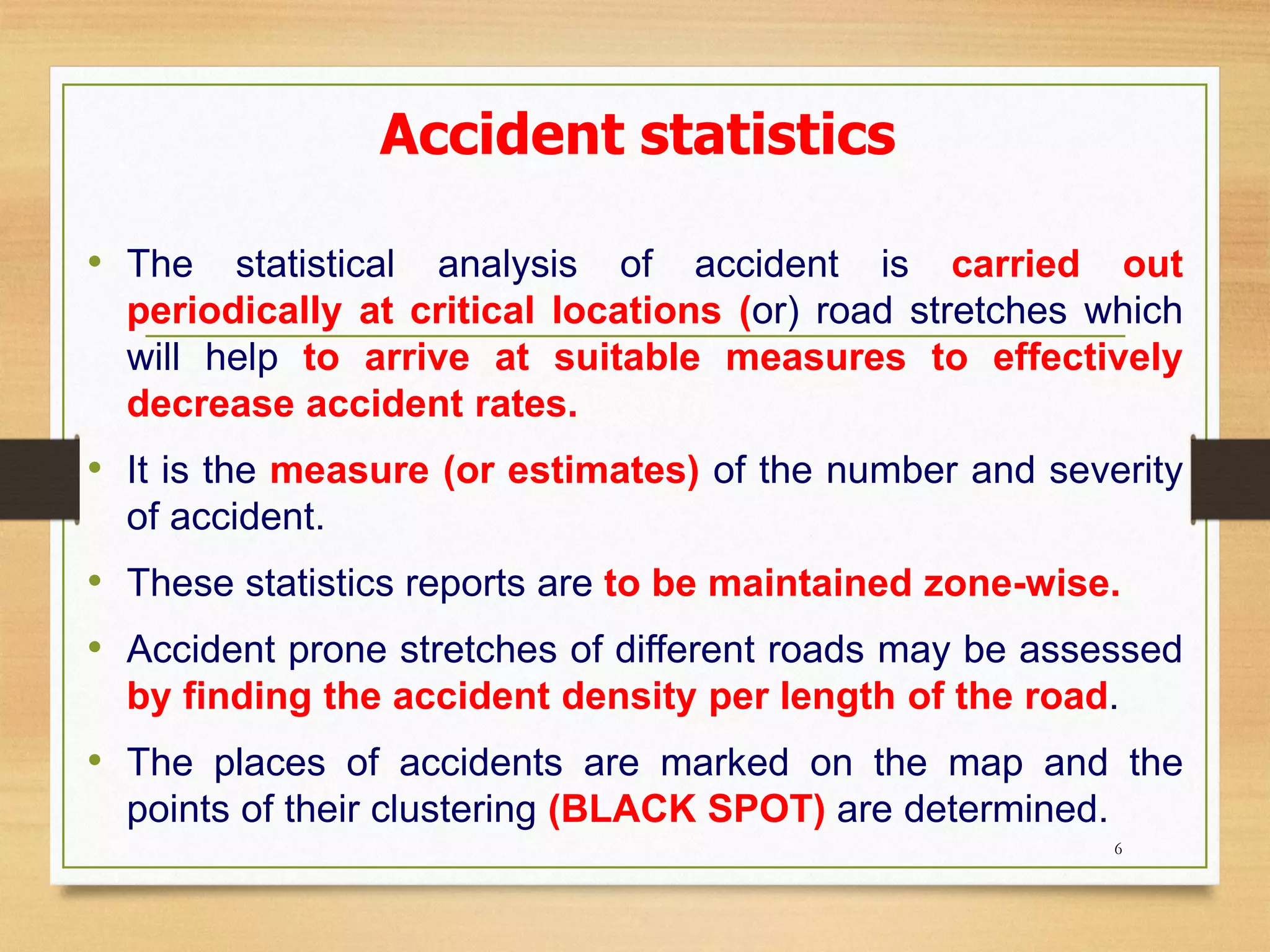
Despite rigorous protocols, accident analysis is rarely perfect. The most significant challenge is data integrity. In complex industrial environments, sensor data may be corrupted, witnesses may be unreliable, or proprietary equipment may limit the scope of the investigation. Furthermore, political or economic pressure within an organization can inadvertently influence the investigation, leading to "scapegoating" rather than systemic improvement.
Organizations must prioritize psychological safety. If employees fear retribution for reporting near-misses or admitting to mistakes, the data flow to the safety team will be compromised. An open, "Just Culture"—where honesty is encouraged but reckless behavior is addressed—is a prerequisite for meaningful accident analysis.
Professional Guidance and Next Actions
If you are currently tasked with leading an accident analysis, the most immediate next step is to stabilize the environment and assemble a multidisciplinary team. Include personnel who understand the technical aspects of the task, those familiar with the specific operating procedures, and a neutral facilitator who can ensure the process remains objective.
- Verify your legal obligations: Check local regulatory requirements for reporting specific types of accidents to government bodies.
- Assign a lead investigator: This person should have the authority to access all necessary records and personnel, but must remain independent of the department where the incident occurred.
- Conduct a "Post-Mortem": Regardless of the accident's severity, ensure the final report is reviewed by leadership to secure resources for recommended improvements.
- Monitor for Effectiveness: After implementing changes, conduct a follow-up assessment 90 days later to ensure the new controls have not created unforeseen secondary hazards.