Accent analysis is the systematic study of phonetic and phonological patterns in spoken language to identify a speaker’s regional origin, social background, or second-language influence. In 2026, this field utilizes a combination of traditional acoustic phonetics and advanced artificial intelligence to decompose speech into measurable components such as vowel formants, consonant articulation, and prosodic rhythm.
Whether for forensic investigations, language learning, or software development, accent analysis provides the technical framework for understanding how human speech deviates from or aligns with specific linguistic baselines. By examining the nuances of "how" someone speaks rather than just "what" they say, analysts can extract significant data regarding identity, clarity, and communicative intent.
The Linguistic Foundation of Accent Analysis
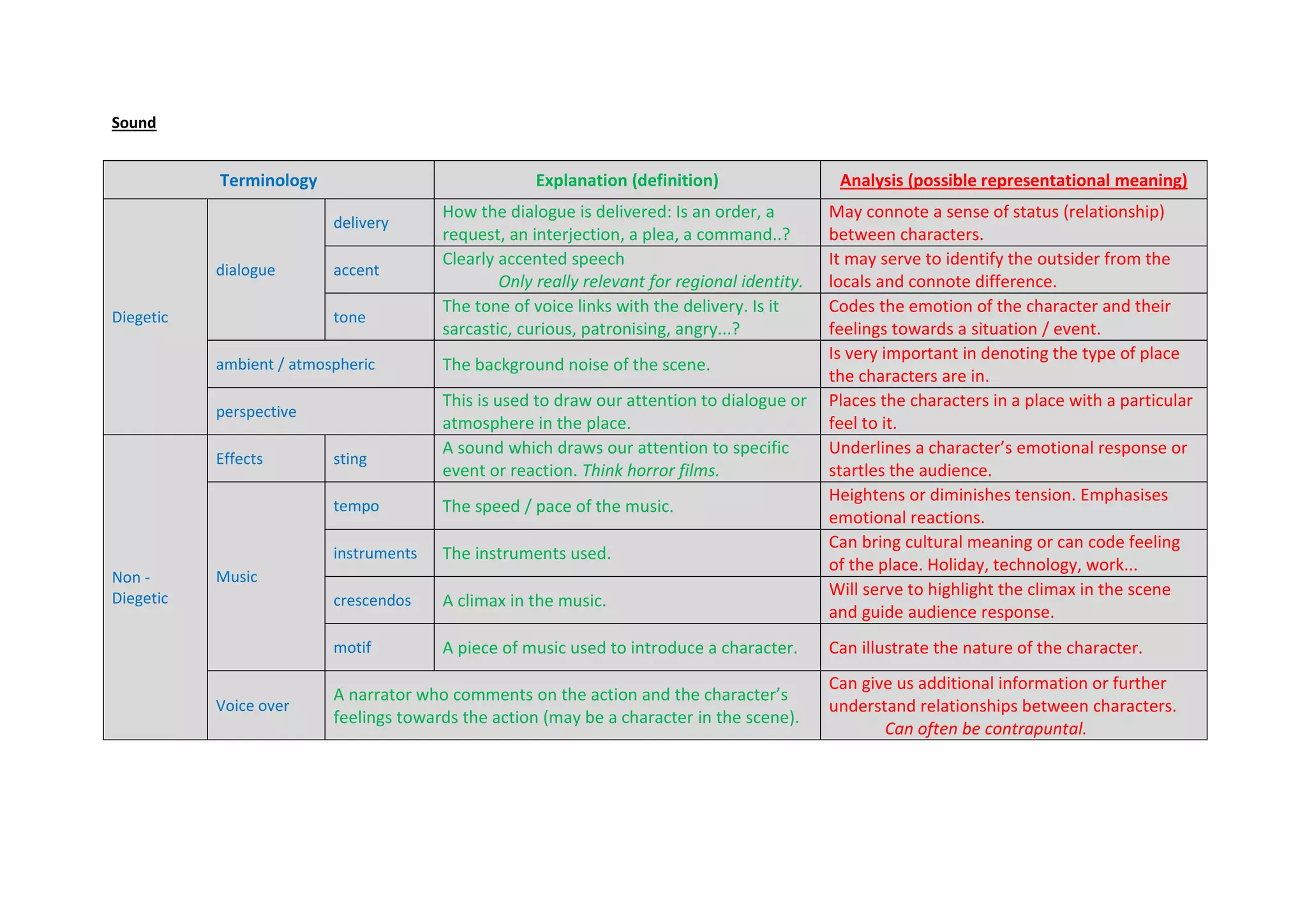
To perform a professional accent analysis, one must first distinguish between an accent and a dialect. While a dialect encompasses variations in grammar, vocabulary, and syntax, an accent refers strictly to the way a language is pronounced. Accent analysis focuses on two primary categories: segments and suprasegmentals.
Segmental Analysis: Vowels and Consonants
The most granular level of analysis involves segments—the individual sounds that make up speech. Analysts look for specific markers that define a speaker’s background. For example, rhoticity (the pronunciation of the letter 'r' at the end of syllables) is a primary marker in English accents, distinguishing "rhotic" speakers (like those in most of the United States) from "non-rhotic" speakers (like those in London or Australia).
Vowel analysis is even more precise. By using spectrograms to measure "formants"—the spectral peaks of the sound spectrum of the voice—analysts can map out a speaker's vowel space. F1 (the first formant) typically correlates with tongue height, while F2 (the second formant) correlates with tongue advancement (frontness or backness). In 2026, automated tools can map these formants in milliseconds, identifying subtle shifts like the "Northern Cities Vowel Shift" or the "Southern Drawl" with mathematical certainty.
Suprasegmental Analysis: Prosody and Intonation
Beyond individual sounds lies the "melody" of speech. Suprasegmental analysis examines rhythm, stress, and intonation. This is often the most difficult aspect for second-language learners to master and the most telling feature for forensic linguists.
- Stress-timed vs. Syllable-timed: English is stress-timed, meaning the intervals between stressed syllables are relatively constant. In contrast, languages like Spanish or French are syllable-timed. Accent analysis identifies if a speaker is imposing the rhythm of their native tongue onto a second language.
- Pitch Contours: The rising or falling of a voice at the end of a sentence can indicate regionality. For example, "High Rising Terminal" (up-talk) is a documented feature in Australian and West Coast American English.
Technological Evolution: AI-Driven Analysis in 2026
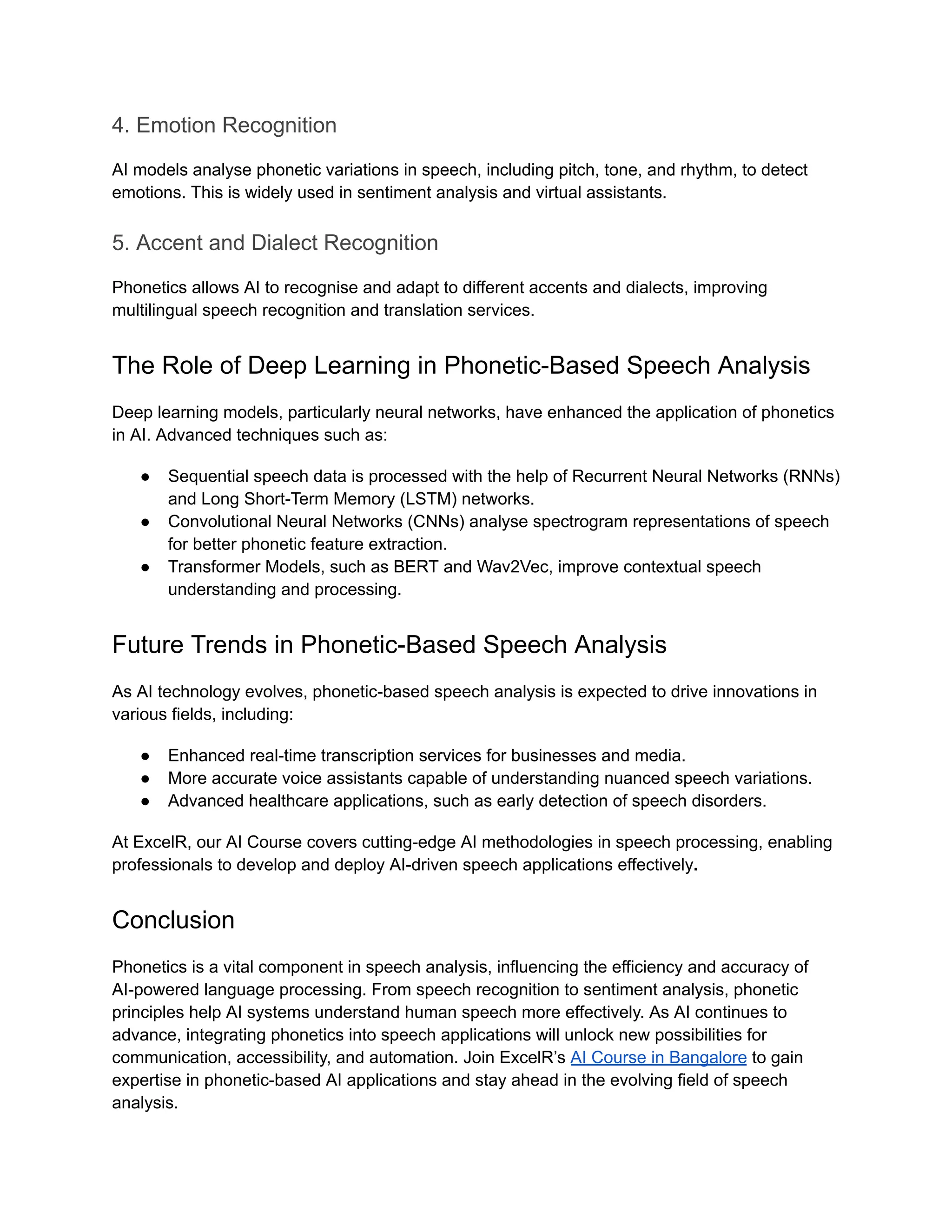
The landscape of accent analysis has been transformed by machine learning. In 2026, we no longer rely solely on human ears or manual transcription. Modern systems utilize Deep Neural Networks (DNNs) trained on massive datasets of global speech patterns.
Real-Time Phonetic Mapping
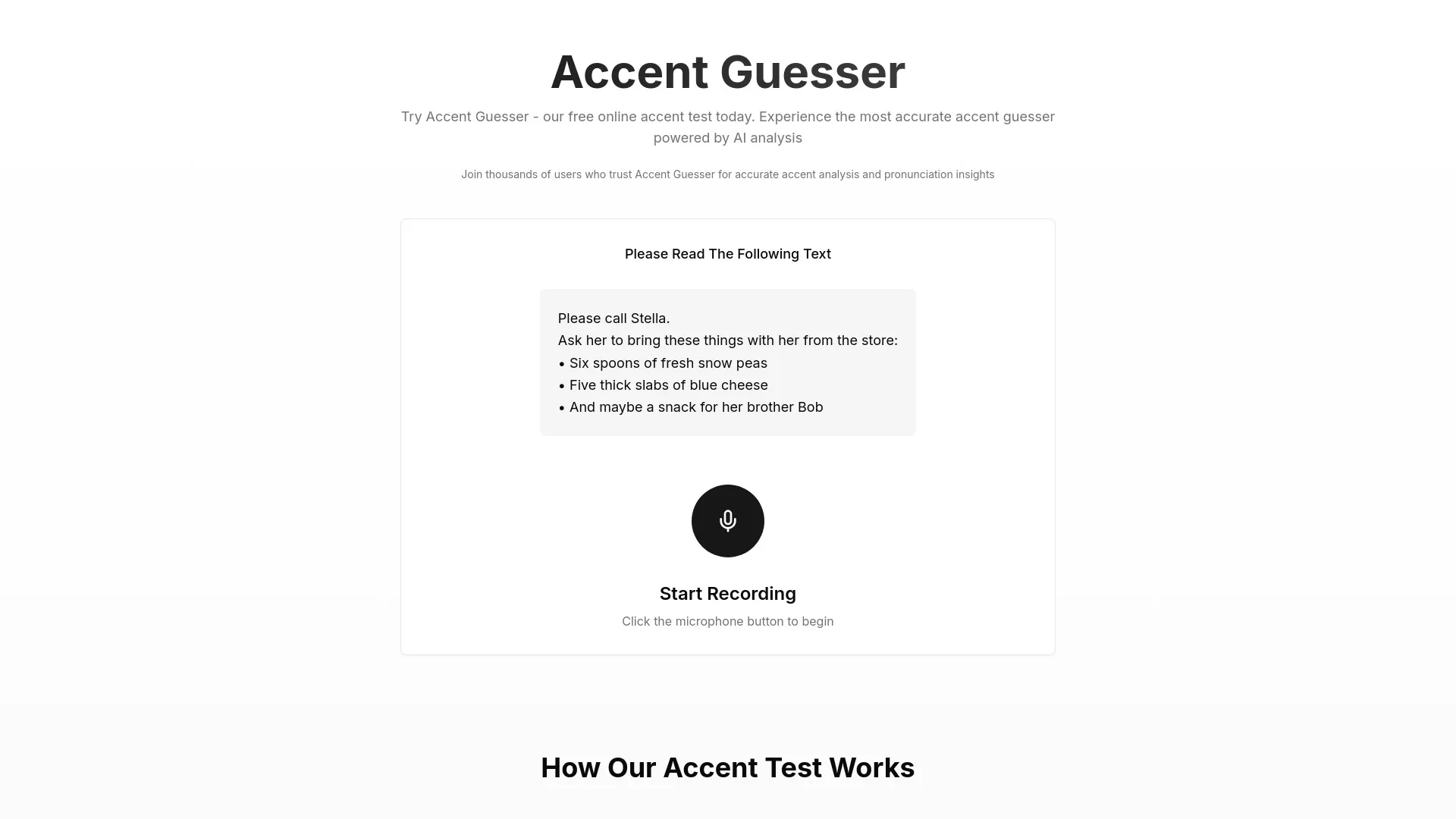
Current AI models can perform real-time phonetic mapping, comparing a speaker's input against a "target" accent model. This is widely used in high-end language learning applications where the software provides immediate visual feedback on tongue placement or breath support. These systems use "zero-shot" learning techniques, allowing them to analyze and categorize even rare or hybrid accents for which they were not specifically trained.
Natural Language Processing (NLP) Integration
While accent analysis is primarily phonetic, 2026-era NLP models provide context that assists in disambiguation. If a speaker uses a specific regional vowel but their vocabulary suggests a different region, the system can flag a potential "mimicry" or "code-switching" event. This is crucial for verifying the authenticity of a speaker in security or forensic environments.
Professional and Forensic Applications
The utility of accent analysis spans across several high-stakes industries, ranging from the courtroom to the classroom.
Forensic Linguistics and LADO
Forensic accent analysis is a vital tool for law enforcement. When a voice recording is the only evidence in a criminal case, an analyst can provide a "linguistic profile" of the suspect. This includes estimating their place of upbringing, their level of education, and potential second-language influences.
A specialized application is Language Analysis for Determination of Origin (LADO). This is used by governments to verify the claims of asylum seekers. If a person claims to be from a specific region of a country but speaks with an accent entirely foreign to that area, accent analysis serves as a piece of corroborating or contradictory evidence in their case.
Speech-Language Pathology and Accent Modification
In clinical settings, accent analysis is used not to "fix" an accent, but to improve intelligibility. Many professionals seek accent modification to ensure their communication is clear in a globalized business environment. Analysts identify the specific sounds that cause the most "phonetic interference"—the points where a speaker's native accent makes their speech difficult for listeners to decode.
Voice Biometrics and Security
In 2026, security systems use accent analysis as a layer of multi-factor authentication. Unlike a password, an accent is a behavioral biometric that is incredibly difficult to spoof perfectly. Even with deepfake technology, the microscopic irregularities in a person's natural prosody and phonetic transitions provide a unique "voiceprint."
Comparison of Accent Analysis Methodologies
| Feature | Manual Human Analysis | Traditional Acoustic Analysis | AI-Powered Analysis (2026) |
|---|---|---|---|
| Primary Tool | Trained Ear / IPA Transcription | Spectrograms (e.g., Praat) | Neural Networks / LLMs |
| Speed | Slow (Hours per minute of audio) | Moderate | Instant / Real-time |
| Subjectivity | Higher (Subject to bias) | Low | Minimal |
| Detail Level | High (Captures nuance) | High (Mathematical data) | Very High (Big data patterns) |
| Best Use Case | Deep Qualitative Research | Academic Phonetic Studies | Commercial Apps / Security |
Tools and Software for Accent Analysis
For those looking to perform accent analysis, several industry-standard tools are available in 2026.
- Praat: Developed by the University of Amsterdam, Praat remains the gold standard for academic phonetic analysis. It allows users to perform spectral analysis, pitch extraction, and formant tracking. It is a free, open-source tool essential for anyone serious about the science of speech.
- WaveSurfer: An open-source tool for sound visualization and manipulation. It is often used for simpler tasks like transcription and basic prosodic analysis.
- Modern AI APIs: Services from providers like Google Cloud Speech-to-Text and OpenAI’s Whisper have evolved by 2026 to include "accent confidence scores." These APIs can return metadata indicating the likely regional origin of a speaker based on acoustic features.
- ELAN: This tool is used for complex annotation of video and audio. It is particularly useful when analyzing how gestures and facial expressions correlate with phonetic emphasis.
Ethical Considerations and Bias
As we move through 2026, the ethics of accent analysis are under intense scrutiny. It is vital to recognize that accent analysis should never be used to discriminate. "Linguistic profiling" can lead to bias in hiring, housing, or legal proceedings.
Machine learning models, if trained on limited datasets (such as primarily Western or prestige accents), may categorize non-standard accents as "incorrect" or "unclear." This is known as algorithmic bias. Professionals in the field are now required to ensure their datasets are diverse and that their analysis acknowledges the validity of all dialects and accents as equal forms of communication.
Troubleshooting Common Analysis Errors
When performing an analysis, several factors can skew the results:
- Audio Quality: Background noise or low-bitrate recordings can "smear" the frequencies on a spectrogram, making it impossible to identify F1 and F2 formants accurately. A minimum sampling rate of 44.1 kHz is recommended for professional analysis.
- Code-Switching: Speakers often change their accent depending on their audience. An analysis of a person speaking to their family may yield different results than an analysis of the same person in a job interview.
- The Observer's Paradox: People tend to speak more formally or "properly" when they know they are being recorded, which can mask their natural accent markers.
FAQ
How long does a professional accent analysis take?
A comprehensive manual forensic analysis can take anywhere from 10 to 20 hours of work for every hour of audio, as it requires meticulous transcription and acoustic measuring. However, in 2026, automated AI screenings can provide a baseline report in seconds.
Can AI perfectly mimic an accent for analysis?
While AI voice synthesis (Deepfakes) has become incredibly sophisticated by 2026, it often lacks the "micro-prosody"—the tiny, irregular variations in pitch and timing that occur in natural human speech. High-end analysis tools can usually detect these synthetic signatures.
What is the most difficult accent to analyze?
Hybrid accents, common in people who have lived in multiple countries (sometimes called "Third Culture Kids"), are the most challenging. They do not fit into a single regional category and require a high level of expertise to deconstruct into their various geographical influences.
Does an accent analysis define someone's intelligence?
No. There is no scientific correlation between accent and cognitive ability. Accent analysis is a tool for understanding geographical and social history, not for measuring intellectual capacity.
Can you lose an accent through analysis and training?
Yes. Through a process called "accent reduction" or "accent modification," individuals can use phonetic analysis to identify their native markers and consciously adopt the markers of a target accent. However, most modern linguists prefer the term "accent expansion," which focuses on adding a new way of speaking rather than losing an original identity.
Next Steps for Implementing Accent Analysis
If you are a researcher, educator, or developer looking to integrate accent analysis into your workflow, start by establishing a clear objective. Are you looking for forensic accuracy or clinical intelligibility?
For beginners, downloading Praat and learning to identify the first two formants of your own vowels is the best entry point. For developers, exploring the 2026 API documentations for advanced speech-to-text engines will provide the necessary tools for automated categorization. Always ensure that your data collection methods comply with modern privacy standards and that your analysis remains objective and free from socio-linguistic prejudice.