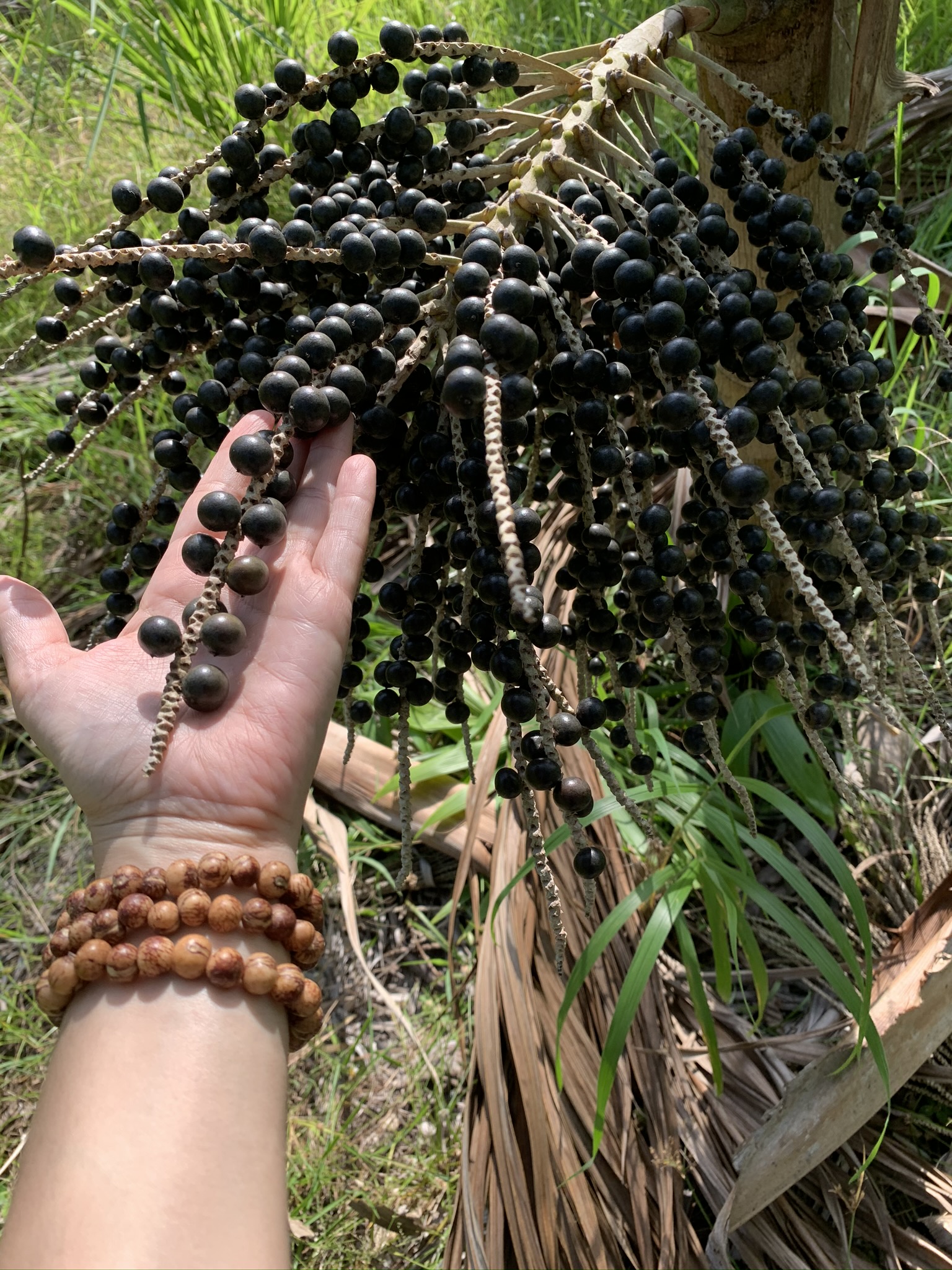
Navigating the market for acai berries on Amazon requires distinguishing between raw nutritional value and processed food additives. Because acai berries spoil within 24 hours of harvest, they are never sold fresh outside of their native Amazon region. Consumers must choose between freeze-dried powders, frozen purees, or juices, each varying significantly in antioxidant concentration, fiber content, and added ingredients.
Understanding the Acai Berry Supply Chain
Acai berries (Euterpe oleracea) are highly perishable drupes harvested from palm trees in the Amazon rainforest. Due to this rapid oxidation process, the commercial trade of these berries relies entirely on processing techniques that stabilize the pulp immediately after harvesting. When shopping on platforms like Amazon, you will not encounter raw, fresh berries. Instead, you are purchasing products that have been processed to preserve the fruit's lipid profile and anthocyanin content.
Most high-quality products are processed via freeze-drying (lyophilization) or flash-freezing. Freeze-drying is generally considered the "gold standard" for preservation, as it removes moisture while maintaining the structural integrity of the nutrients. If you see a product labeled "raw," it typically refers to the fact that the pulp was not heat-treated or pasteurized using high temperatures, which could degrade the sensitive omega fatty acids and phenolic compounds.
Evaluating Nutritional Profiles
The primary health appeal of the acai berry lies in its unique nutritional density. Unlike most fruits, which are high in sugar and low in fat, the acai berry contains a high proportion of healthy monounsaturated and polyunsaturated fats, similar to those found in olive oil.
When reading labels on Amazon, prioritize products that clearly state the percentage of acai pulp. Many commercial preparations are "blends," meaning the acai content may be diluted with cheaper filler fruits like grape, apple, or banana juice. While these blends are palatable, they often contain higher concentrations of added sugars and lower concentrations of the specific antioxidants—specifically anthocyanins—that define the acai fruit.
Practical Criteria for Selecting Products on Amazon
When searching for these products, apply the following rigorous screening process to avoid low-quality supplements or filler-heavy powders:
- Check the Ingredient List: The gold standard is 100% organic, freeze-dried acai powder with no additives. Avoid products containing maltodextrin, which is often used as a bulking agent.
- Verification of Certification: Look for USDA Organic and Non-GMO Project Verified seals. Because acai is grown in tropical regions, organic certification provides a necessary layer of verification regarding agricultural practices and the absence of synthetic pesticides.
- Color as an Indicator: High-quality acai powder should be deep purple or dark brown. If the powder is light pink or significantly faded, it may indicate poor processing, long-term exposure to light, or significant dilution with starchy fillers.
- Packaging Quality: Since acai contains fats that can go rancid when exposed to air and light, opt for products sold in opaque, airtight, or resealable foil-lined pouches. Transparent plastic containers are generally poor choices for maintaining the nutritional stability of the product.
Comparison Table: Acai Product Formats
| Format | Pros | Cons | Best Use Case |
|---|---|---|---|
| Freeze-Dried Powder | Retains most nutrients; concentrated. | High price point per serving. | Smoothies, oatmeal, baking. |
| Frozen Puree | Closest to fresh taste; versatile. | Requires cold-chain shipping. | Smoothie bowls; frozen desserts. |
| Acai Juice | Convenient; ready to drink. | Often high in added sugar/fillers. | On-the-go consumption. |
| Capsules/Tablets | Shelf-stable; precise dosage. | Low volume of actual fruit per dose. | Daily supplementation. |
Navigating Common Marketplace Pitfalls
Amazon contains a vast array of vendors, and the supplement industry is frequently subject to "proprietary blend" labeling. A proprietary blend allows manufacturers to group multiple ingredients under one weight, hiding the exact amount of acai in the product. If a label lists "Acai Berry Blend" followed by a long list of other ingredients, you are likely receiving very little acai for the price.
Furthermore, be cautious of products that advertise "weight loss" or "detox" capabilities. There is no clinical evidence to support that acai berries specifically induce fat loss. Focus your search on brands that emphasize the nutritional profile—such as fiber, vitamin A, and calcium—rather than those that rely on predatory marketing claims regarding rapid physiological changes.
Storage and Handling Guidelines
Once your purchase arrives, proper storage is critical to ensure the product remains viable until the "best by" date. Freeze-dried powders are hygroscopic, meaning they absorb moisture from the air, which can cause the powder to clump and the fats to oxidize.
- Keep it sealed: Ensure the Ziploc or closure mechanism is airtight after every use.
- Temperature control: Store in a cool, dark cupboard. Do not place the container on top of the refrigerator or near the stove, where heat fluctuations can accelerate lipid oxidation.
- Use clean utensils: Always use a dry, clean spoon to extract the powder. Introducing moisture from a damp spoon into the bag will quickly facilitate mold growth.
- Shelf Life Awareness: Most high-quality acai powders remain potent for 12 to 18 months if sealed properly. If the powder develops a "cardboard" or metallic smell, it has likely gone rancid and should be discarded.
Frequently Asked Questions
Does the antioxidant level in acai decrease when it is powdered?
While some degradation is inevitable during the drying process, freeze-drying is designed to minimize this loss. Research indicates that properly freeze-dried acai maintains a high level of anthocyanins compared to other processing methods, such as spray-drying, which involves higher temperatures.
Are there contraindications for consuming acai?
Acai is generally safe for the general population. However, because it contains high levels of antioxidants, it may theoretically interact with certain chemotherapy drugs by preventing oxidative stress in cancer cells, which is the intended mechanism of some treatments. Consult with your oncologist or primary care provider before adding high concentrations of antioxidants to your diet during treatment.
Is there a difference between "acai" and "açaí"?
No, the terms are interchangeable. The latter includes the diacritic mark used in the Portuguese language. On Amazon, search algorithms typically treat both variations as identical, so you do not need to worry about the spelling when performing your search.
Can I trust "Amazon Choice" labels for acai products?
The "Amazon Choice" badge is largely an automated designation based on sales volume, speed of shipping, and low return rates, rather than a health or quality assessment. Rely on the ingredient label and independent third-party certifications (like NSF or USP) rather than the "Choice" tag.
Next Steps for Consumers
Before purchasing, identify how you intend to use the acai. If you are preparing breakfast bowls, a frozen unsweetened puree provides the best texture and flavor profile, provided you have the freezer capacity to accommodate the delivery. For those seeking daily nutrient supplementation without the hassle of frozen storage, a high-quality freeze-dried organic powder remains the most reliable and efficient choice. Read the "Recent Customer Reviews" section with the "Most Recent" filter applied to see if other users have reported issues with the current batch’s quality, such as clumping or off-putting odors, as this is often a better indicator of current supply quality than the overall star rating.