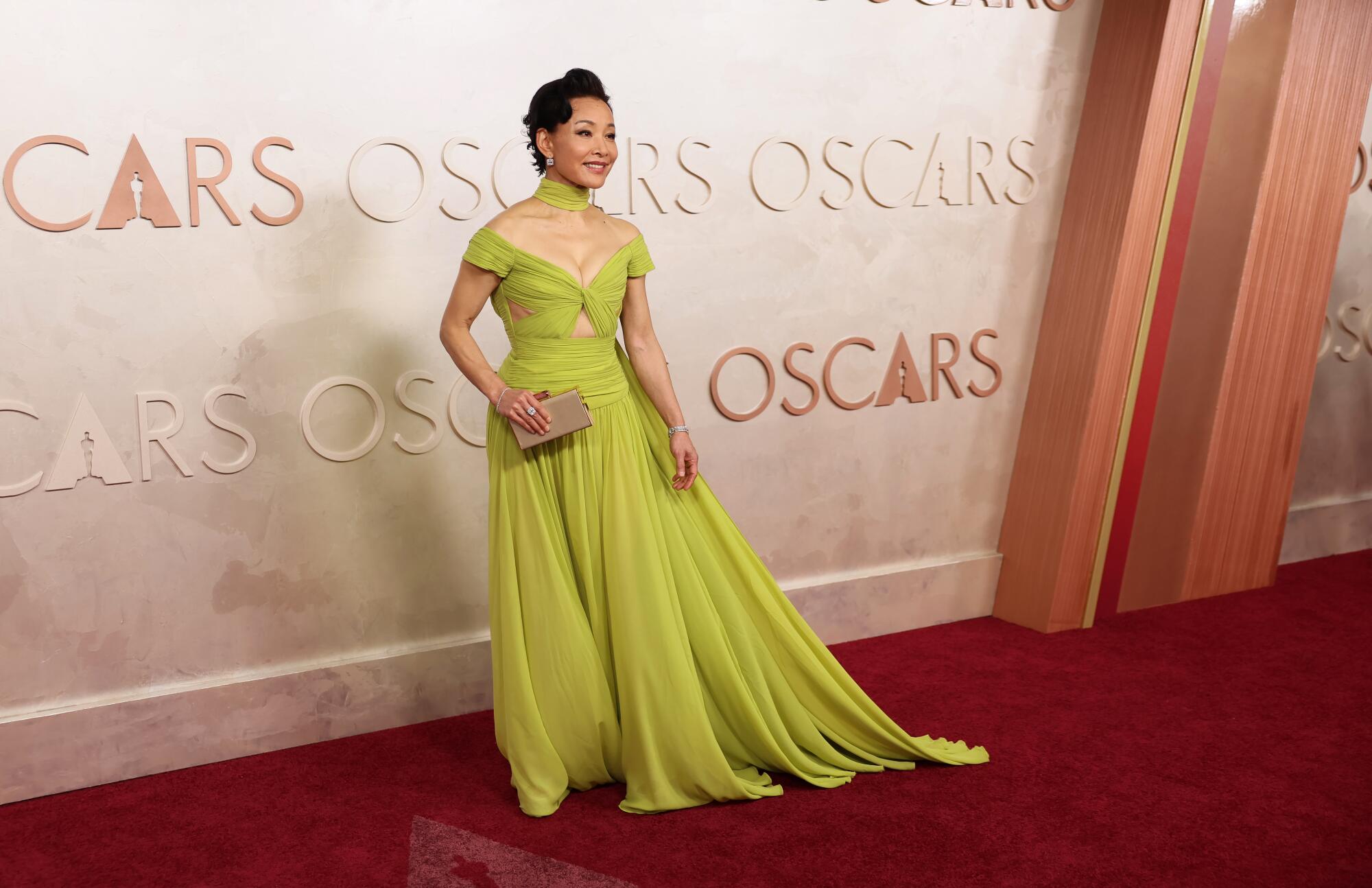
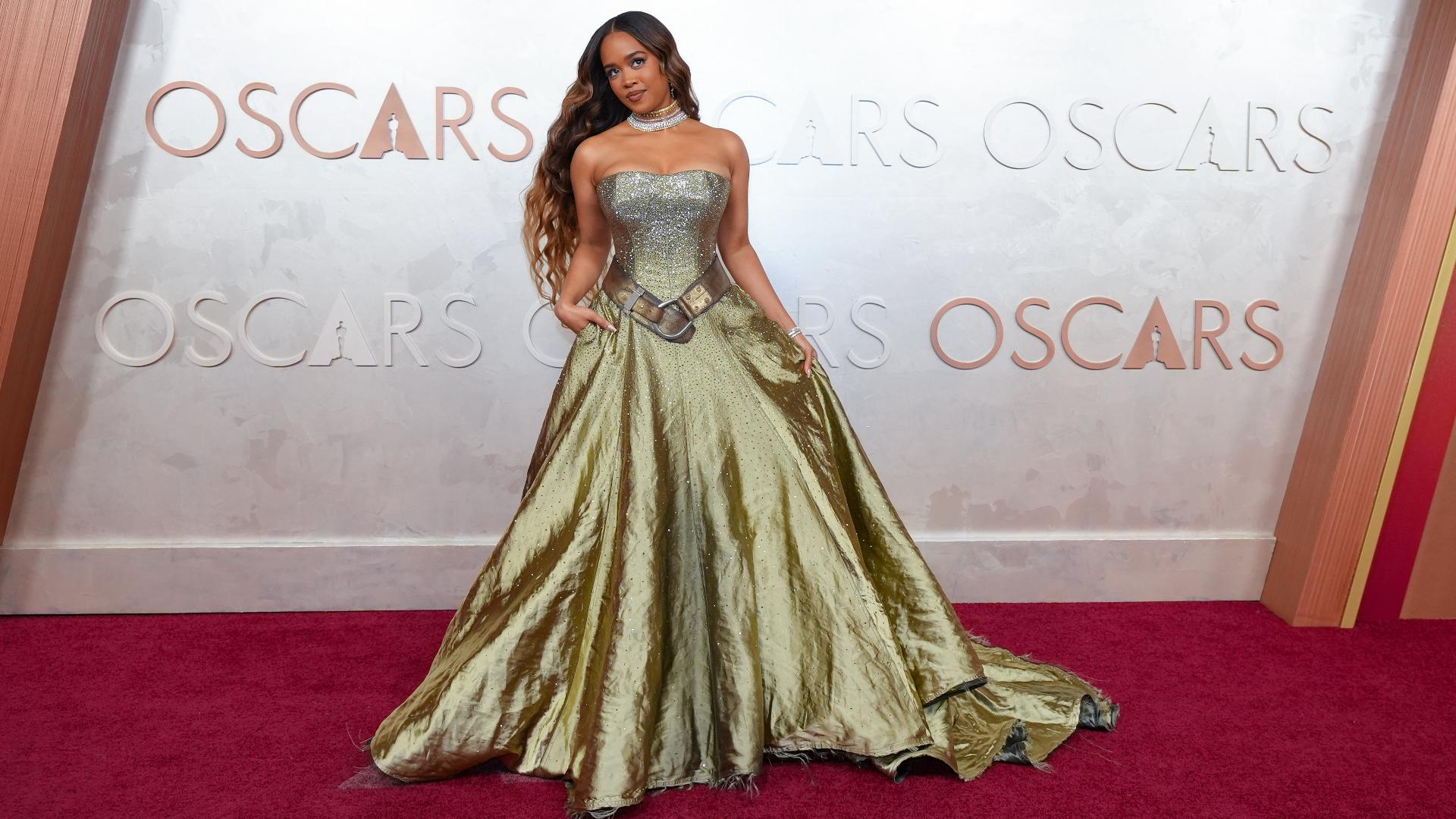
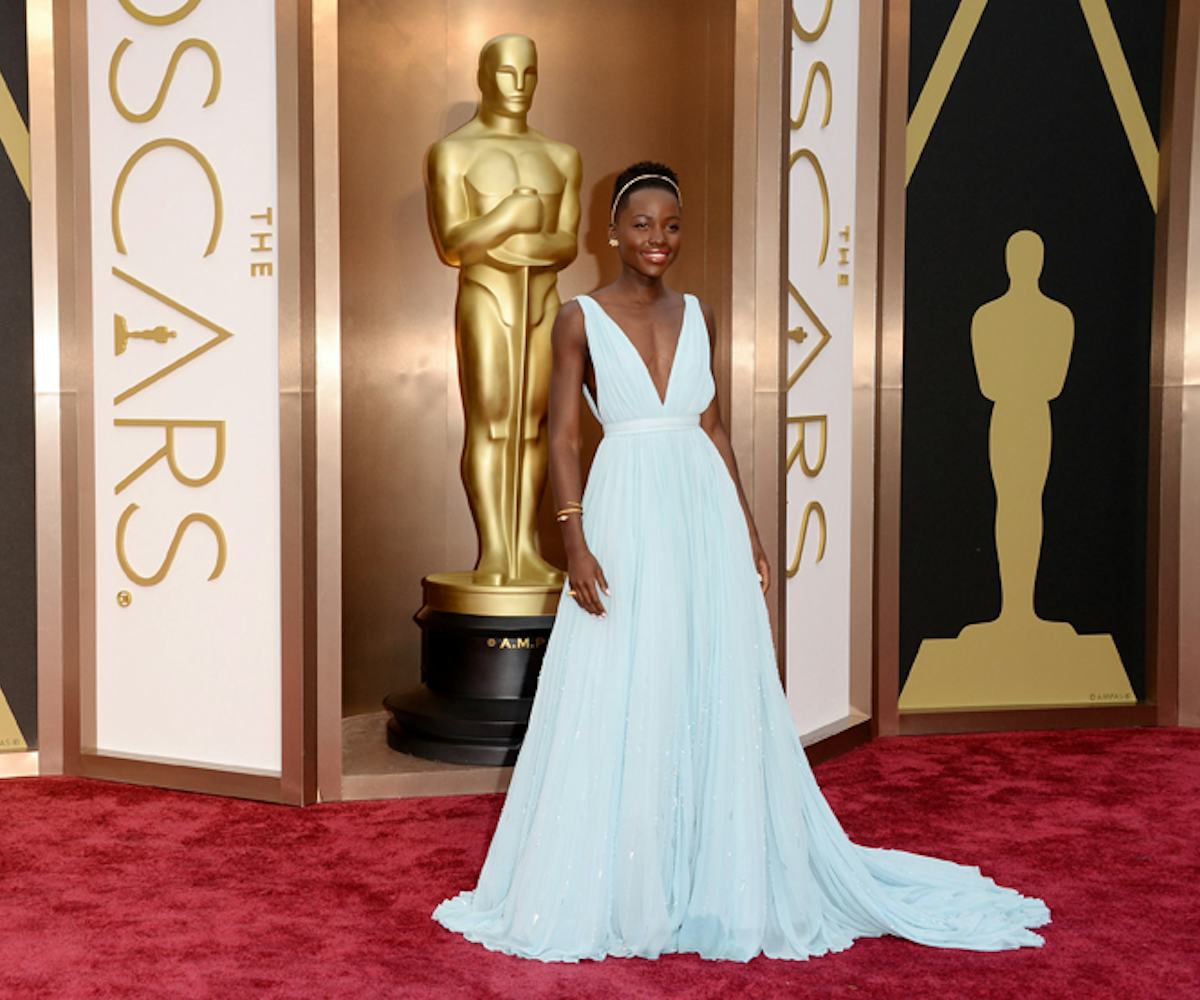
The title of "Best Dressed" at the Academy Awards is an unofficial yet prestigious accolade bestowed by fashion critics, global media outlets, and the public to the attendee whose red carpet attire demonstrates the highest level of aesthetic excellence, cultural relevance, and technical execution. While not a sanctioned category by the Academy of Motion Picture Arts and Sciences, the designation serves as a powerful barometer for a celebrity’s brand equity and a fashion house’s market influence.
Defining the "Best Dressed" Accolade in 2026
To understand what "Best Dressed" means, one must first distinguish it from the official "Best Costume Design" Oscar. The latter honors the work of designers within the context of a film's narrative. Conversely, the "Best Dressed" title is a product of the red carpet—a pre-ceremony ritual that has evolved into a multi-billion-dollar marketing engine. In 2026, the term encompasses more than just a beautiful gown or a sharp tuxedo; it represents a successful "fashion moment" that synthesizes personal branding, haute couture craftsmanship, and high-stakes public relations.
The title is typically "awarded" through consensus across major fashion publications like Vogue, Harper’s Bazaar, and WWD, as well as through viral social media engagement. When a performer is labeled Best Dressed, they are being recognized for their ability to navigate the complex intersection of art and commerce. The title signifies that the wearer (and their styling team) has successfully interpreted the current cultural zeitgeist while maintaining the timeless glamour associated with Hollywood’s biggest night.
The Mechanics of the Red Carpet: How "Best Dressed" is Decided
The path to a Best Dressed title begins months before the first flashbulb pops. It is a highly choreographed process involving a "glam squad"—a collective of stylists, tailors, publicists, and brand representatives. The decision-making process for critics usually hinges on several technical and artistic criteria:
Technical Execution and Fit
No matter how beautiful a garment is on a mannequin, it cannot be considered "Best Dressed" if the technical execution is flawed. Critics look for the precision of the tailoring, the quality of the fabric, and how the garment moves. In the current 2026 landscape, there is an increased focus on how these garments appear both in high-definition photography and in 3D-spatial video formats. A dress that bunches or a suit that pulls at the buttons is immediately disqualified from the top of the list.
Narrative and "Method Dressing"
A significant trend in recent years, reaching its peak in 2026, is "method dressing"—the practice of an actor wearing clothes that subtly or overtly reference the film they are nominated for. When an actress wears a gown that echoes the color palette or historical period of her character, it creates a cohesive narrative that resonates with both fans and critics. This storytelling adds a layer of depth to the attire, making it more likely to be cited as a "Best Dressed" contender.
Innovation vs. Tradition
The Academy Awards are rooted in tradition, yet the fashion industry thrives on innovation. The "Best Dressed" winners are often those who find the "sweet spot" between these two poles. This might involve a classic silhouette constructed from experimental, sustainable materials, or a traditional tuxedo silhouette modified with avant-garde proportions.
Why the Title Matters: The Business of the Red Carpet
The "Best Dressed" title is far more than a vanity metric; it carries significant economic and professional weight for everyone involved. The red carpet is the world's most-watched runway, and the financial implications of a "win" are substantial.
For the Actor: Brand Building
Being named Best Dressed can pivot an actor’s public image. It signals to luxury brands that the individual is a viable "face" for future campaigns. High-fashion ambassadorships are among the most lucrative contracts in the entertainment industry, often rivaling or exceeding the actor's salary for a film. A Best Dressed nod reinforces their status as a "style icon," a title that grants them longevity in the industry even between major film projects.
For the Fashion House: Media Impact Value (MIV)
For brands like Chanel, Dior, or Gucci, having a celebrity on the Best Dressed list generates millions of dollars in Media Impact Value (MIV). This is a proprietary metric that calculates the ROI of media placements. When an actress in a specific gown goes viral, the brand sees a surge in global searches and brand sentiment. In 2026, the competition among houses to "dress the winner" is as fierce as the competition for the Best Picture Oscar itself.
For the Stylist: Career Longevity
The stylist is the architect behind the Best Dressed look. A win on the Oscar red carpet can solidify a stylist’s career, allowing them to command higher fees and gain access to the "archives" of major fashion houses. The archives—collections of vintage, one-of-a-kind pieces—are only opened for the most trusted and successful stylists in the industry.
Comparing Official vs. Unofficial Honors
It is helpful to view the "Best Dressed" title in relation to the actual Academy Award for Best Costume Design to understand its unique role in the awards ecosystem.
| Feature | Best Costume Design (Official Oscar) | Best Dressed (Media Title) |
|---|---|---|
| Voted By | Academy Members (Costume Designers Branch) | Journalists, Critics, and the Public |
| Primary Goal | Supporting a character and film narrative | Enhancing the actor's personal brand |
| Timing | Awarded during the broadcast ceremony | Determined during and after the red carpet |
| Subject | The work within a specific movie | The attire worn to the event |
| Material Reward | An 8.5-pound gold-plated statuette | Brand ambassadorships and MIV |
| Historical Focus | Period accuracy and character development | Current fashion trends and aesthetic impact |
The Evolution of the "Best Dressed" Standard
The definition of what makes someone "Best Dressed" has shifted significantly since the early days of Hollywood. In the mid-20th century, the look was defined by pure glamour—fur, diamonds, and floor-length gowns. By the 1990s and early 2000s, the "Best Dressed" lists were dominated by "safe" choices: neutral colors and classic silhouettes that avoided the "Worst Dressed" lists of the era.
In 2026, the standard has moved toward authentic expression and sustainability. A look is now more likely to be praised if it is an archival piece (vintage) or if it utilizes eco-conscious textiles. The "Best Dressed" title is no longer just about who spent the most money, but who exercised the most taste and responsibility. This shift reflects a broader societal demand for accountability in luxury fashion. Furthermore, gender-fluid fashion has become a mainstay on these lists, with many critics now evaluating "Best Dressed" through a lens that ignores traditional gender binaries in clothing.
The Role of Jewelry and Grooming in the Final Ranking
A common mistake in analyzing the "Best Dressed" title is focusing solely on the garment. In reality, the title is awarded to the "total look." This includes:
- High Jewelry: The Academy Awards are the primary showcase for "high jewelry"—pieces worth millions of dollars. The way jewelry complements the neckline or color of a dress is a major factor in the final critique.
- Hair and Makeup: The "beauty look" must align with the fashion. A vintage-inspired gown paired with ultra-modern makeup can create a visual "clash" that knocks a celebrity off the top of the list.
- Grooming: For men, grooming has become increasingly important. The precision of a beard trim or the styling of hair can elevate a classic tuxedo into "Best Dressed" territory.
Common Obstacles to Winning the Title
Even with the best designers and stylists, things can go wrong. The most common reasons a celebrity misses out on the Best Dressed title include:
- The "Over-Dressed" Trap: Wearing a look that is too theatrical or "costumey" for the setting.
- Poor Lighting Translation: A fabric that looks stunning in a hotel room may appear "cheap" or "shiny" under the intense, multi-directional LED lighting of the 2026 red carpet.
- The "Same-Same" Effect: Wearing a look that is too similar to what others are wearing, leading to a lack of "standout" factor.
- Mechanical Failure: Zippers breaking or trains being stepped on, which leads to awkward posing and poor photographic results.
Frequently Asked Questions
Can a celebrity pay to be on a Best Dressed list?
No, major publications generally do not accept direct payment for Best Dressed placements, as it would compromise their editorial integrity. However, fashion houses do invest heavily in public relations and "gifting" to ensure their looks are seen by the right critics. The "win" is earned through the combination of the celebrity's status, the stylist's skill, and the designer's craftsmanship.
Who was the first person to be named "Best Dressed" at the Oscars?
While critics have commented on Oscar fashion since the 1920s, the modern "Best Dressed list" was popularized in the 1960s and 70s by fashion critics like Blackwell and later by Joan Rivers. It became a formal media staple in the early 1990s as the red carpet transformed into a televised pre-show.
Does being "Best Dressed" help an actor win an Oscar?
There is no statistical evidence that being Best Dressed influences the Academy's voting, largely because the voting closes before the red carpet begins. However, being Best Dressed helps the actor "own the night," creating a lasting positive impression that can influence their career trajectory and future voting cycles for subsequent films.
Is there a "Worst Dressed" list anymore?
In 2026, many major publications have moved away from "Worst Dressed" lists, viewing them as outdated or mean-spirited. Instead, the focus has shifted toward "Experimental" or "Bold Choices." While social media still critiques looks harshly, professional fashion journalism now prioritizes constructive analysis of style and construction.
How do stylists get the clothes for the red carpet?
Stylists usually borrow clothes from fashion houses. For top-tier stars, designers may create a "custom" look specifically for the event. In 2026, there is also a significant trend toward "archival" pulls, where stylists work with vintage dealers or the brands' own historical archives to find unique pieces.
Final Steps for Fashion Enthusiasts
To truly understand the "Best Dressed" title, one must look beyond the surface level of the image. Following the Oscars, it is recommended to read the technical breakdowns provided by industry trade journals like The Business of Fashion or WWD. These outlets often interview the stylists and designers, providing insight into the "why" behind the wardrobe choices. Additionally, tracking the Media Impact Value (MIV) reports released in the days following the ceremony provides a data-driven look at which fashion moments actually "mattered" in terms of global influence. By combining aesthetic appreciation with an understanding of the underlying business and technical requirements, one gains a complete picture of what it means to be truly Best Dressed at the Academy Awards.