Academic regalia consists of the standardized robes, caps, and hoods worn by students, faculty, and administrators during formal university ceremonies, such as commencement and convocations. These garments function as a visual shorthand for the wearer’s academic institution, the level of their degree, and their specific field of study, ensuring that participants are correctly identified within the hierarchy of the academic tradition.
The Components of Academic Regalia
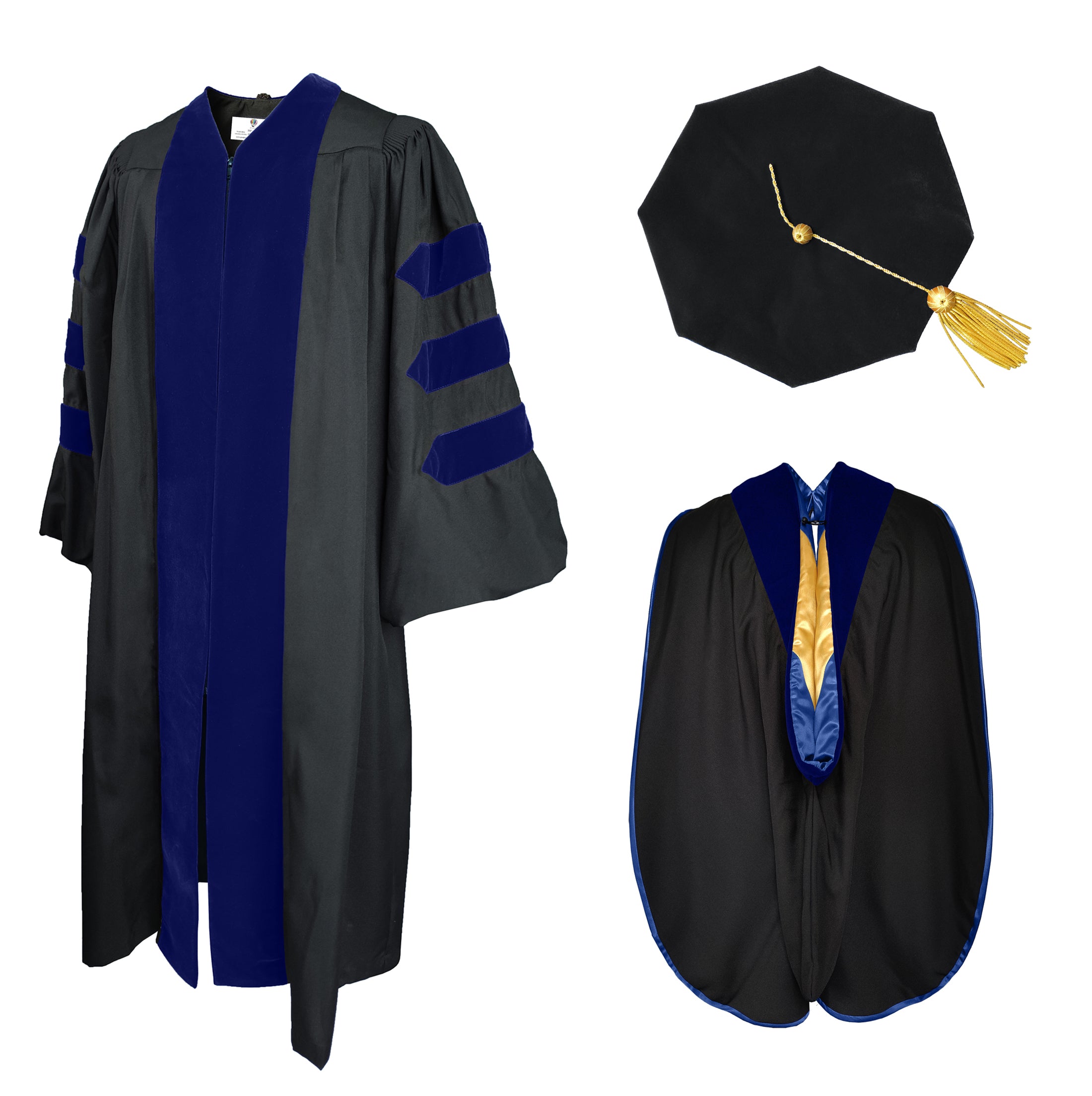
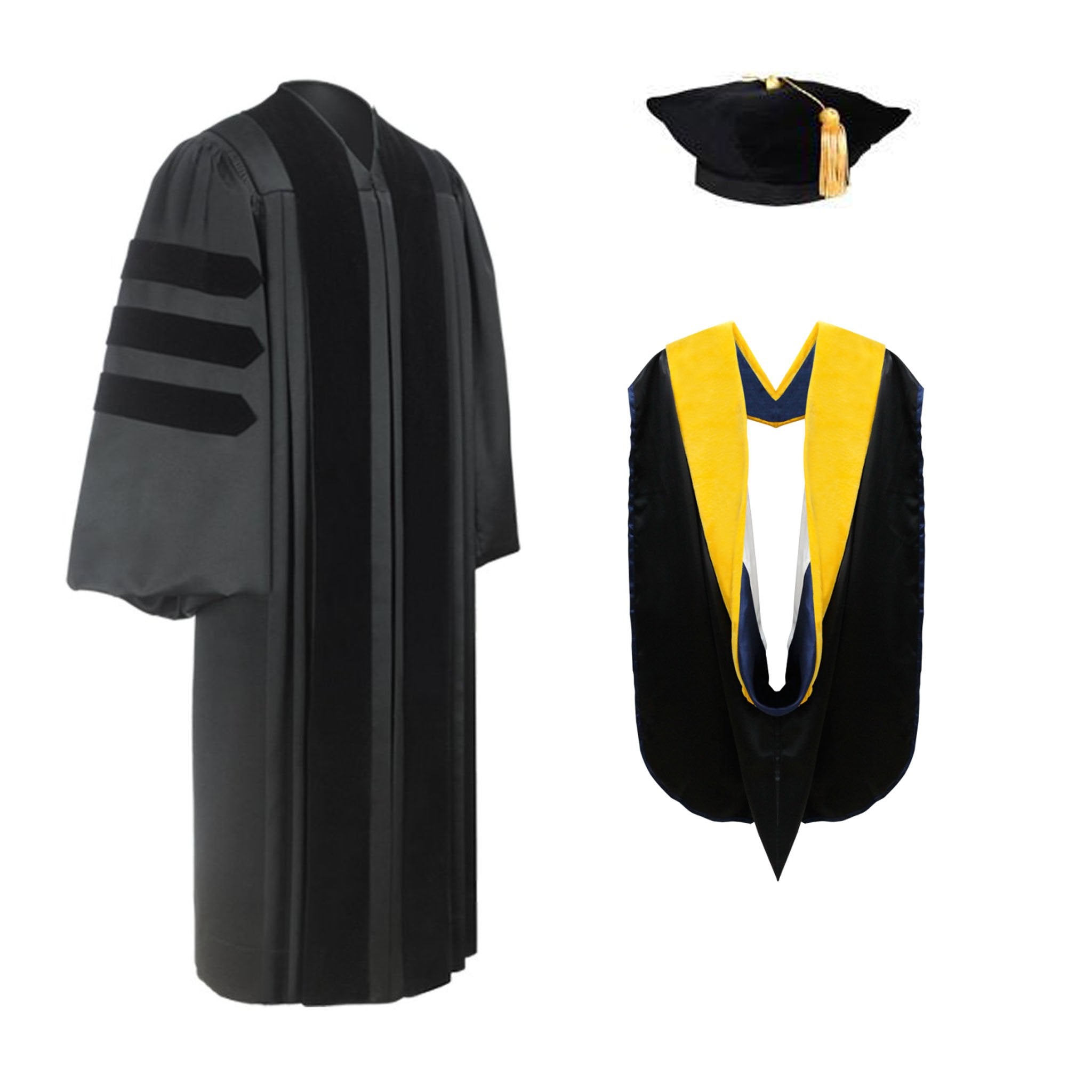
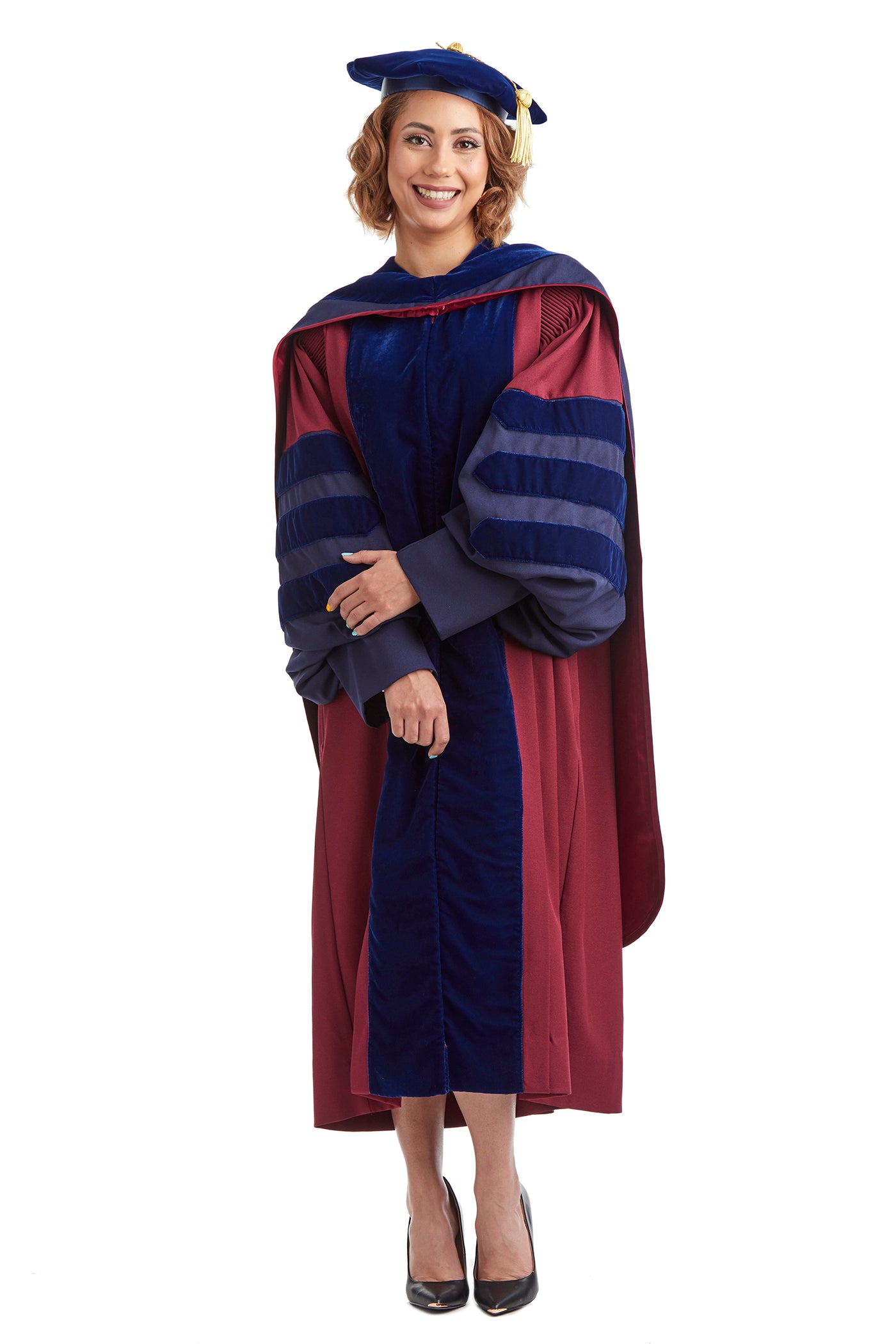
The standard ensemble for graduation ceremonies includes three primary elements: the gown, the cap, and the hood. The gown serves as the foundational garment, with its design indicating the level of the degree attained. Bachelor’s gowns are typically simple in construction with long, pointed sleeves. Master’s gowns are characterized by oblong sleeves that hang downward, while doctoral gowns feature bell-shaped sleeves and are often distinguished by velvet trimmings—typically three horizontal bars on the sleeves and velvet panels extending down the front of the garment.
The cap, commonly known as a mortarboard, is the iconic square headpiece topped with a tassel. The color of the tassel often signifies the discipline of study—for instance, white for Arts, drab for Business, or gold for Science. At the doctoral level, the mortarboard is occasionally replaced by a soft, velvet tam, which reflects the elevated status of the degree holder. The most complex piece of regalia is the hood, which is draped over the shoulders and down the back. The length and shape of the hood vary by degree, while the colors of the silk lining inside the hood represent the university, and the velvet border denotes the specific academic discipline.
Decoding Academic Colors and Symbols
The American Council on Education (ACE) maintains a standardized code that governs the colors used in academic regalia, specifically regarding the velvet trim on hoods and doctoral gowns. This code ensures that institutions across the country remain consistent in how they represent various fields of study. For example, a light blue trim consistently represents Education, while a dark blue trim is reserved for Philosophy, and a golden yellow trim signifies Science.
Beyond these standardized colors, institutions often possess unique "institutional colors" that are incorporated into the lining of the hood. When attending a formal event, individuals are expected to wear the regalia specific to the institution that granted their degree, not necessarily the institution where they currently serve. This distinction is critical for faculty members, who may display a diverse array of hoods representing their alma maters, thereby showcasing the academic pedigree of the university’s faculty body.
Comparison of Degree-Level Regalia Specifications
| Degree Level | Gown Style | Sleeve Type | Headwear | Hood Inclusion |
|---|---|---|---|---|
| Bachelor’s | Simple/Closed | Pointed | Mortarboard | Rare (depends on school) |
| Master’s | Simple/Closed | Oblong | Mortarboard | Standard |
| Doctoral | Velvet-trimmed | Bell-shaped | Tam or Mortarboard | Full-size |
Procurement and Maintenance Protocols
For students, academic regalia is typically sourced through the university bookstore or an authorized vendor designated by the registrar. Most institutions operate on a rental model for bachelor’s and master’s regalia, where the cost is included in graduation fees or handled as a one-time purchase for the ceremony. Doctoral candidates, conversely, often choose to purchase custom-made, high-quality regalia that will serve them throughout their professional careers.
When purchasing or renting regalia, it is essential to verify the specific requirements of your institution. Some universities mandate specific fabric weights, gown colors, or tassel types that differ from the national standard. Always consult the university’s official commencement webpage or the bookstore’s procurement portal early in the spring semester to meet ordering deadlines. Failure to order within the specified window often leads to expedited shipping fees or the unavailability of custom sizes.
Usage and Etiquette During Ceremonies
Wearing academic regalia is not merely about donning a robe; it involves specific protocol regarding posture and presentation. The mortarboard should be worn flat on the head, with the board parallel to the floor, rather than tilted back. The tassel is traditionally worn on the right side of the cap before the conferral of the degree and is moved to the left side during the ceremony to signify the transition to a graduate.
When sitting, gowns should be kept buttoned to maintain a formal silhouette. Furthermore, because regalia is made from synthetic fabrics like polyester, it is prone to wrinkling. It is highly recommended to steam the gown—never iron it, as direct heat can melt the fabric—several days before the event. If you are a faculty member, ensure your hood is properly pressed and that you know how to orient it so the university colors are clearly visible to the audience.
Troubleshooting Common Issues
One of the most frequent challenges encountered during commencement is the misplacement or lack of clarity regarding hood orientation. The hood must be flipped so that the velvet border rests flat against the shoulders and the institutional colors (the silk lining) are displayed on the back. If you are struggling with the fit or the drape, seek assistance from a peer or a faculty marshal; they are specifically trained to ensure all participants are properly attired before the procession begins.
If a piece of your regalia is missing or incorrect upon arrival, contact the university registrar or the bookstore’s customer service department immediately. Most vendors maintain a small stock of reserve items on-site at the ceremony location for exactly this purpose. Do not attempt to modify rented regalia with pins or tape, as this may result in financial penalties for damage.
Frequently Asked Questions
Why does the doctoral hood have such specific color requirements?
The doctoral hood is designed to be a permanent record of your scholarly achievement. The velvet border color is strictly determined by the discipline (e.g., Philosophy, Science, Medicine), and the internal lining colors identify the specific university where the degree was earned. This design allows observers to identify both the expertise and the academic origin of the wearer at a distance.
Can I wear regalia from a different institution at my current university?
Yes, faculty and administrators are encouraged to wear the regalia from the institution that awarded their highest degree. This practice honors the tradition of academic lineage and provides a colorful, diverse display of different universities’ heraldry during the academic procession.
What should I do if my cap does not stay on my head?
Mortarboards are often designed to fit a standard size, which may be loose for some. You can use bobby pins to secure the cap to your hair, positioning them inconspicuously under the mortarboard. Avoid using heavy adhesives or tape that could damage the fabric.
How do I properly fold and store my doctoral regalia?
To preserve the velvet trim and fabric quality, store your regalia in a breathable garment bag rather than plastic. Always hang it in a cool, dry place away from direct sunlight, which can fade the specific, high-contrast colors found on the hood lining.
Is the tassel color always determined by the degree major?
While many universities follow the ACE list of standards for tassel colors, some institutions adopt their own color coding for different schools or departments. Always consult your university's specific commencement guide to confirm the required tassel color for your degree program.
Preparing for Your Graduation Ceremony
To ensure your participation in the upcoming 2026 commencement exercises, the most critical next step is to confirm your degree clearance with your department head. Once confirmed, visit your university’s dedicated commencement portal to review the specific regalia deadline for your cohort. Order your attire as soon as the portal opens to guarantee sizing availability. If you are a doctoral candidate, review your institution's specific vendor contract to see if they offer in-person fittings, which are highly recommended for custom-ordered garments to ensure the sleeves and gown length meet formal aesthetic standards.