Academic integrity is the foundational commitment to honesty, trust, fairness, respect, and responsibility within scholarly environments. It mandates that students and researchers produce original work, acknowledge all sources appropriately, and participate in examinations and assessments with transparency, ensuring that academic credentials accurately reflect individual effort and intellectual development.
Defining the Core Pillars of Scholarly Conduct
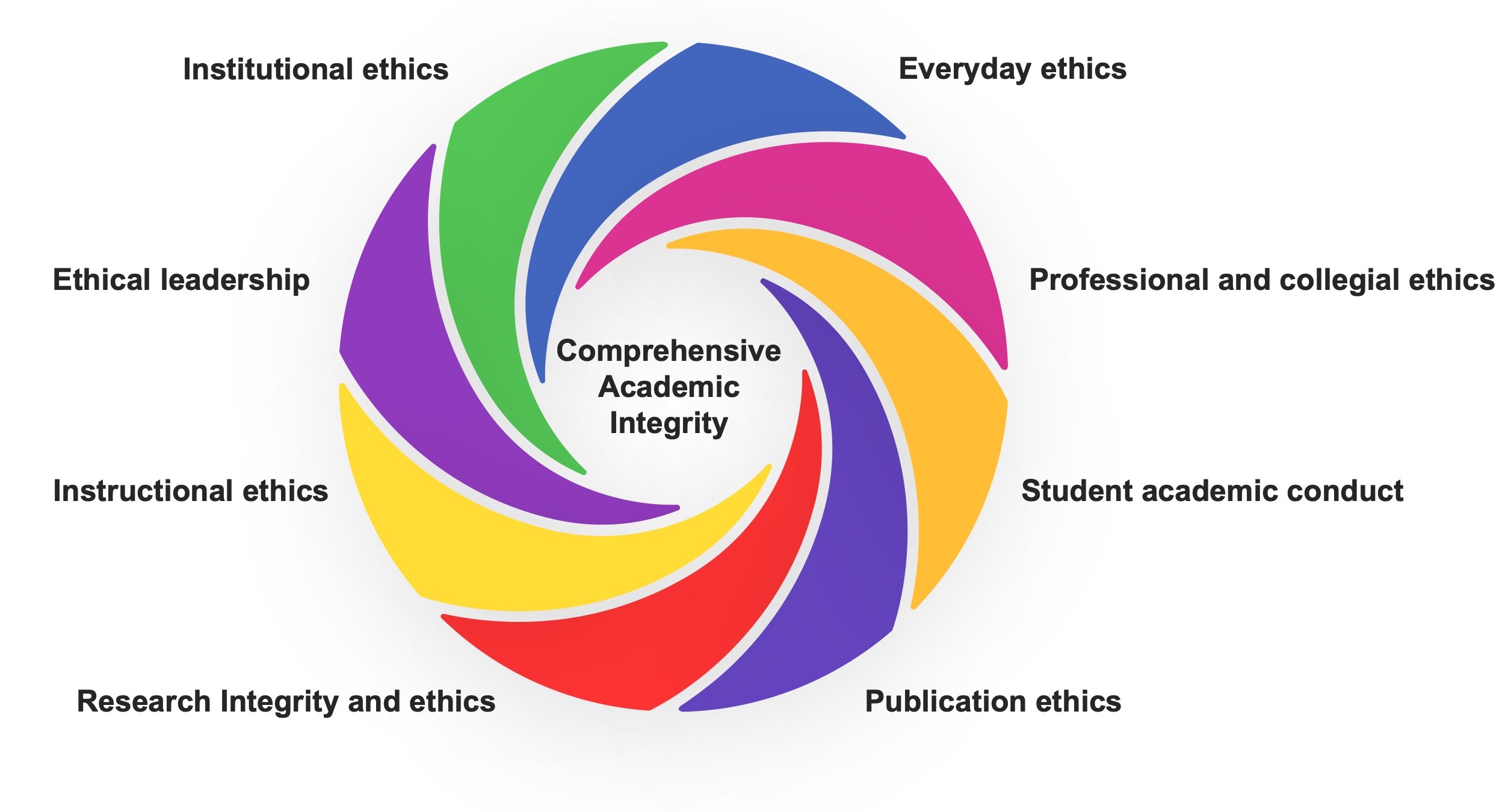
The concept of academic integrity is built upon five fundamental values established by the International Center for Academic Integrity. These principles serve as the ethical bedrock for educational institutions globally. Honesty is the prerequisite for all academic exchange; without it, the pursuit of knowledge loses its validity. Trust allows for the collaborative nature of research and the open exchange of ideas. Fairness ensures that students are evaluated based on their own merits, rather than advantages gained through deception. Respect governs how scholars engage with the ideas of others, mandating proper attribution. Finally, responsibility requires that individuals take accountability for their actions and uphold these standards even when facing academic pressure.
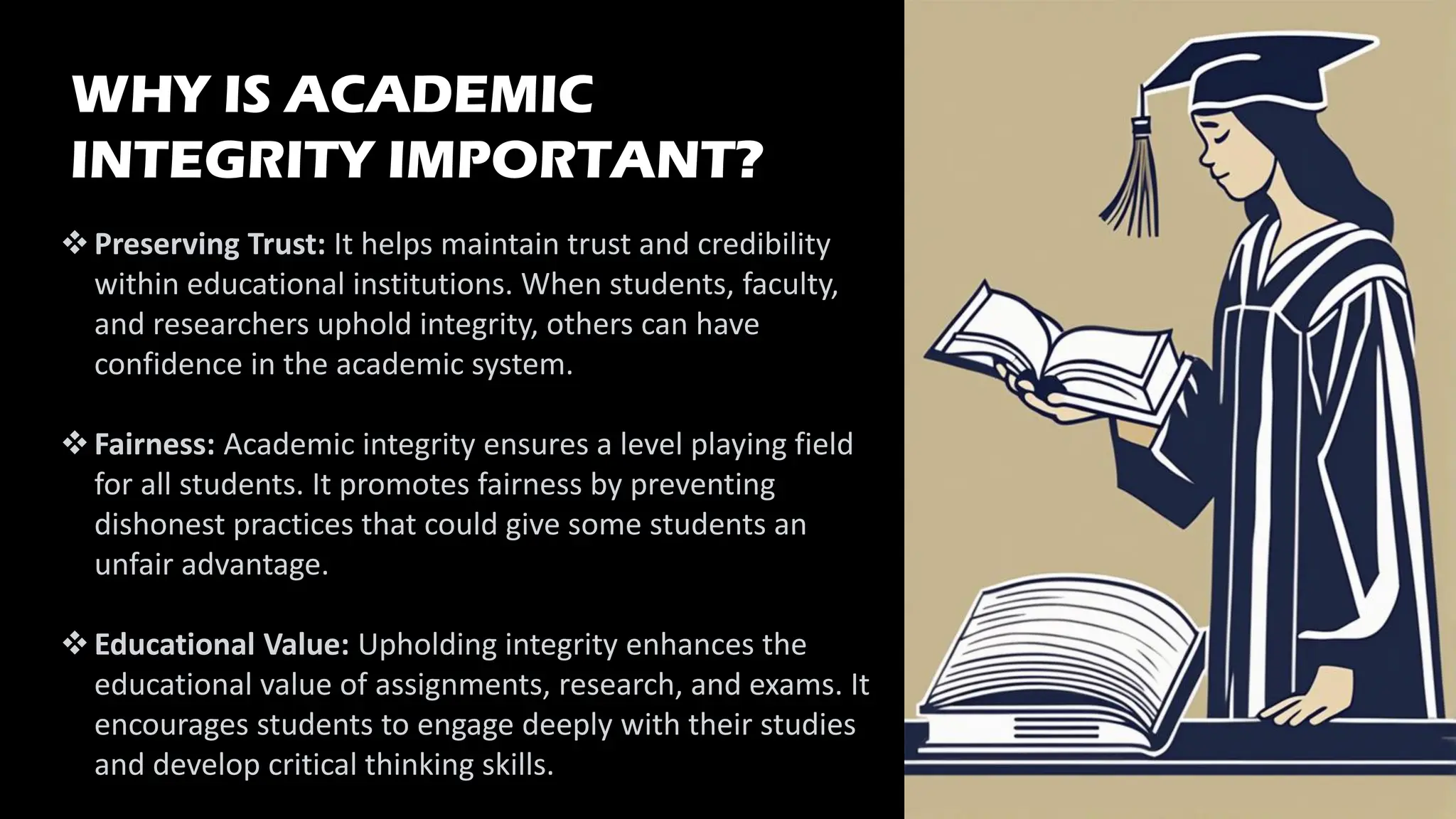
When an individual violates these principles, the damage extends beyond their personal record. It undermines the credibility of the institution, diminishes the value of degrees earned by peers, and compromises the societal trust placed in professional expertise. Whether in high school, undergraduate studies, or advanced research, maintaining these standards is a lifelong obligation that distinguishes authentic scholars from those who prioritize results over process.
Common Forms of Academic Misconduct
Understanding what constitutes a breach of integrity is essential for avoiding accidental infractions. While some forms of misconduct are intentional, others stem from a lack of clarity regarding citation requirements or collaboration policies.
- Plagiarism: This is the most recognized form of misconduct, involving the use of another person’s ideas, words, or creative work without proper acknowledgment. It includes "patchwriting," where text is slightly modified but retains the original structure, and the failure to provide citations for paraphrased information.
- Contract Cheating: This occurs when a student pays a third party, such as a "paper mill" or an individual essay writer, to produce work that is then submitted as the student's own. As of 2026, many institutions use advanced forensic linguistics and pattern-matching software to detect writing styles inconsistent with a student’s prior work.
- Unauthorized Collaboration: Working with peers on an assignment designated as an individual task can be a breach if the instructions explicitly forbid it. While study groups are valuable, crossing the line into sharing specific answers or splitting work is often prohibited.
- Examination Misconduct: This covers a wide range of actions, including the use of unauthorized notes, communication with others during an exam, or the use of electronic devices to gain an unfair advantage.
Comparison of Attribution and Submission Standards
Maintaining integrity requires consistent adherence to specific documentation styles and institutional policies. The table below illustrates common scenarios where clarity is often needed.
| Practice Category | Standard Expectation | Common Risk Factor |
|---|---|---|
| Quotation Usage | Enclosed in marks with specific page citations. | Forgetting to mark exact copied phrases. |
| Paraphrasing | Restating concepts in original language with credit. | Copying the sentence structure of the source. |
| AI Integration | Disclosure of tools used for brainstorming/editing. | Representing AI-generated text as original. |
| Group Projects | Equal contribution and individual accountability. | Taking credit for work done by teammates. |
| Self-Plagiarism | Citing previously submitted work if reusing it. | Submitting the same paper to two different courses. |
The Role of Technology and Verification
In 2026, technology plays a dual role in academic integrity. On one hand, institutions utilize sophisticated plagiarism detection platforms like Turnitin and specialized software to identify AI-generated content. These tools compare student submissions against vast databases of journals, books, and previous student papers. On the other hand, the rise of advanced generative models has complicated the landscape.
Most academic policies now explicitly state that using AI to generate content without explicit instructor permission is a violation of the "original work" clause. Students must verify their course syllabus or departmental handbook to understand how AI is permitted. Typically, using AI for brainstorming or grammar checking may be allowed if disclosed, while using it to draft substantive sections is often classified as a breach of integrity. Transparency is the critical safeguard; when in doubt, consult the professor or institutional advisor before utilizing new technology in a submission.
Navigating Institutional Consequences
When a student is accused of violating academic integrity, the process usually begins with an internal review or an investigation by an academic integrity officer. Institutions are required to provide due process, which typically includes the right to be informed of the allegation, the opportunity to respond, and the right to appeal decisions through established channels.
Consequences for proven misconduct vary significantly based on the severity and frequency of the violation. A first-time, minor offense—such as an improper citation in a lower-level course—might result in a warning, a requirement to rewrite the assignment, or a grade reduction. Conversely, repeated or severe infractions, such as submitting a purchased thesis or organized cheating on final exams, can lead to failure of the course, suspension, or permanent expulsion from the institution. Beyond the immediate academic penalties, a record of misconduct can impact eligibility for scholarships, professional certifications, and future graduate school applications.
Strategies for Maintaining Integrity
The most effective way to uphold academic integrity is through proactive habit building. First, master the citation style required for your discipline—whether it is APA, MLA, Chicago, or another format. Utilize bibliographic management software to track sources throughout the research process. If you feel overwhelmed by a deadline, communicate with your instructor early. Most institutions offer extensions or guidance if the issue is addressed before the submission deadline, whereas silence followed by a violation rarely results in a favorable outcome.
Furthermore, recognize the value of the "drafting" phase. If you find yourself unable to articulate an idea without copying a source, it indicates a need for more research and internal processing. Academic work is meant to be a conversation with existing literature, not a repetition of it. By focusing on synthesizing information rather than simply collecting it, you naturally reduce the risk of plagiarism and produce higher-quality, authentic work.
Frequently Asked Questions
Does using a tool to check for grammar or spelling violate academic integrity?
Generally, no. Most institutions categorize grammar and spell-checking tools—such as standard word processor editors—as acceptable aids. However, you should distinguish these from "writing assistants" that suggest structural changes or rewrite sentences. Always check your specific course policy to determine where the line is drawn between proofreading and unauthorized editorial assistance.
Can I use the same paper for two different classes?
In almost all cases, no. This is known as "self-plagiarism" or "double-dipping." Even though you wrote the work, academic assignments are intended to provide evidence of learning for a specific course and context. Reusing work denies you the opportunity to engage with new material and violates the requirement that every submission be original for the specific task at hand. Always obtain written permission from both instructors if you wish to build upon your previous work.
How do I cite an idea that I found in an interview or a conversation?
Oral communication constitutes intellectual property and must be cited. If you gather data or ideas from an interview, you should document it according to the guidelines of your specific citation style (e.g., the interview subject, the date, and the context). If the information was shared in confidence, ensure you have permission to use it before including it in your document.
What should I do if I see a peer cheating?
Witnessing academic misconduct is a difficult position, but the core values of honesty and fairness suggest you should not ignore it. Most institutions have anonymous reporting channels or policies for addressing these situations. You are not responsible for enforcing rules, but you are responsible for maintaining your own integrity. You may choose to speak to the peer privately or report the concern to the professor or the university's academic integrity office to ensure that the standards of the community are upheld.
How do I handle a situation where I accidentally forgot a citation?
If you realize you have omitted a citation, contact your instructor immediately, rather than waiting for them to discover it. Explain that the omission was an error rather than an attempt to deceive. While the instructor may still deduct points for the oversight, they are more likely to treat it as a learning opportunity if you demonstrate proactive honesty and a commitment to correcting the record.
Next Steps for Students and Researchers
To ensure you are operating within the bounds of academic integrity, perform a self-audit of your current project. Confirm that every claim, statistic, or paraphrased concept in your work is accompanied by a reference to an authoritative source. Review your institution’s updated 2026 handbook for specific policies regarding generative AI and collaborative work. If you are uncertain about a specific assignment, schedule a meeting with your instructor or a library research consultant to clarify expectations before the final submission. Commitment to these practices ensures that your work remains a true reflection of your scholarly growth.