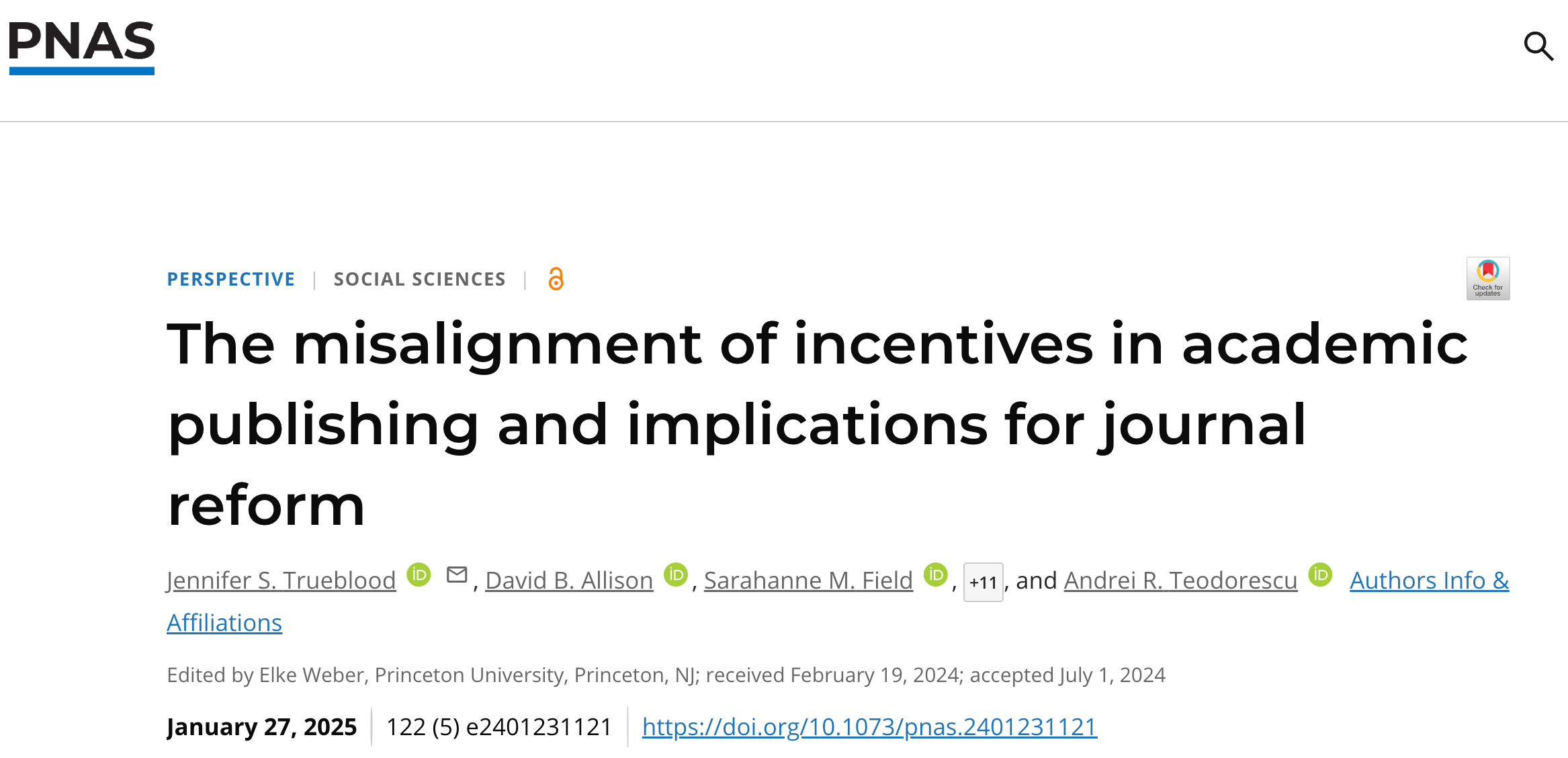
Academic incentives are structured reward systems—comprising financial bonuses, career advancement, reputational prestige, and resource allocation—designed to motivate researchers, educators, and students toward specific institutional and societal goals. In 2026, these mechanisms have evolved to prioritize high-impact research, open science, and cross-disciplinary collaboration over traditional high-volume publication metrics.
The Fundamental Types of Academic Incentives
The academic ecosystem relies on a complex interplay of intrinsic and extrinsic motivators. While the "love of discovery" remains a core driver for many scholars, formal incentive structures provide the necessary framework to align individual career goals with institutional missions. These incentives generally fall into three primary categories: financial, career-based, and reputational.
Financial and Tangible Rewards
Direct financial incentives include performance-based salary increases, one-time bonuses for publishing in prestigious journals, and internal grant awards. In many regions, particularly across the Asia-Pacific and parts of Europe, "cash-for-publications" schemes were once common. However, as of 2026, these have largely been replaced by broader "research excellence" funds that reward the long-term impact of a body of work rather than individual papers. Tangible rewards also extend to resource allocation, such as increased laboratory space, more significant equipment budgets, or the provision of administrative assistants and doctoral students to support a principal investigator’s projects.
Career Advancement and Tenure
The tenure-track system remains the most potent incentive in global academia. The promise of permanent employment and academic freedom serves as a long-term goal that dictates the behavior of early-career researchers. To achieve tenure, candidates must typically meet rigorous benchmarks in research, teaching, and service. In the current 2026 landscape, tenure requirements have shifted significantly to include "societal impact" metrics, requiring scholars to demonstrate how their work influences policy, industry, or public understanding.
Reputational and Social Capital
Reputation is the "currency" of the academic world. Incentives in this category include prestigious awards (such as the Nobel Prize or Fields Medal), invitations to deliver keynote addresses, and appointments to editorial boards of influential journals. High-impact citations and a robust H-index still contribute to a scholar’s social capital, though there is a growing trend toward "narrative CVs" that allow researchers to describe their contributions beyond mere numbers.
The Evolving Role of Performance-Based Research Funding (PBRF)
Performance-Based Research Funding Systems (PBRFS) are national or institutional frameworks used to distribute funding based on assessed research quality. These systems act as macro-level incentives for entire universities. By linking a portion of a university’s budget to its research output, governments encourage institutions to recruit high-performing staff and invest in cutting-edge facilities.
In 2026, many nations have updated their PBRF models to move away from the "counting" of articles. Instead, they utilize peer-review panels and "impact case studies" to determine funding levels. This shift incentivizes institutions to support faculty in pursuing complex, multi-year projects that may not yield immediate results but hold the potential for significant breakthroughs. For researchers, this means that their institution is more likely to provide "seed funding" for risky but innovative ideas that align with national research priorities.
Comparative Overview of Global Incentive Models
Incentive structures vary significantly by region and institutional type. The following table illustrates how different geographies prioritize various academic motivators as of 2026.
| Region | Primary Incentive Driver | Evaluation Metric Focus | Key Policy/Framework |
|---|---|---|---|
| North America | Tenure & Private Grants | Grant acquisition & Peer review | NIH/NSF Guidelines |
| European Union | Open Science & Impact | Societal benefit & Data sharing | Plan S / Horizon Europe |
| Asia-Pacific | Institutional Prestige | International rankings & Patents | Double First-Class Initiative |
| United Kingdom | Quality-Related Funding | Research Excellence Framework (REF) | UKRI Impact Criteria |
| Global South | Capacity Building | Local relevance & Collaboration | UNESCO Open Science |
Navigating the "Publish or Perish" Culture in 2026
The phrase "publish or perish" has historically described the intense pressure on academics to constantly produce journal articles to sustain their careers. While the pressure remains, the definition of what constitutes a "valuable publication" has changed. In 2026, the academic community has largely recognized the detrimental effects of prioritizing quantity over quality, which led to the rise of predatory journals and the "replication crisis" in the early 2020s.
Modern incentives now emphasize quality over quantity. Institutions are increasingly adopting the principles of the San Francisco Declaration on Research Assessment (DORA) and the Leiden Manifesto. These frameworks discourage the use of journal-based metrics, such as Journal Impact Factors, as a surrogate measure of the quality of individual research articles. Instead, incentives are now aligned with the "rigor" of the methodology and the transparency of the data. This change encourages researchers to spend more time on robust experimental design and less time on "salami slicing" their findings into multiple thin papers.
Incentives for Open Science and Collaboration
A major shift in the 2026 academic landscape is the incentivization of "Open Science." This involves making research processes, data, and outputs accessible to everyone. Historically, there was a disincentive to share data because researchers feared being "scooped." Today, however, many funding agencies, such as those under the Plan S initiative, require open-access publishing as a condition of the grant.
Specific incentives for Open Science include:
- Data Citations: Researchers now receive formal credit when other scholars cite their shared datasets, not just their finished papers.
- Open Access Subsidies: Many universities now cover "Article Processing Charges" (APCs) for faculty, removing the financial barrier to publishing in high-quality open journals.
- Collaborative Grants: Large-scale funding is increasingly reserved for consortia that bridge different disciplines or include international partners, incentivizing scholars to step out of their academic silos.
Potential Pitfalls: Ethics and Perverse Incentives
Despite best intentions, incentive systems can sometimes produce "perverse incentives"—unintended consequences that undermine the integrity of research. When the reward for a specific behavior is too high, it may tempt individuals to "game the system."
- P-hacking and Data Manipulation: If the incentive is strictly tied to "statistically significant" results, researchers may feel pressured to manipulate data to achieve a specific p-value.
- Predatory Publishing: Financial incentives for a high number of publications can drive authors toward "pay-to-play" journals that lack rigorous peer review.
- Neglect of Teaching: When research is the primary driver for promotion and salary increases, the quality of undergraduate education can suffer as faculty prioritize their laboratories over their classrooms.
To combat these issues, 2026 institutional policies have implemented "holistic review" processes. These evaluations consider teaching excellence, mentorship, and ethical conduct alongside research achievements, ensuring a more balanced and ethical academic environment.
Strategic Guidance for Researchers and Institutions
For individual researchers, navigating academic incentives requires a strategic approach to career planning. Rather than chasing every available metric, scholars should focus on building a coherent "research narrative" that demonstrates both depth in their field and the broader impact of their work. Engaging with Open Science practices early—such as pre-registering studies or sharing code on platforms like GitHub—can provide a competitive edge in a landscape that increasingly values transparency.
For university administrators, the goal is to design incentive structures that promote institutional health without compromising academic integrity. This involves:
- Implementing multi-dimensional evaluation criteria that reward teaching and service.
- Providing stable, long-term funding for "blue-sky" research that may not have immediate commercial applications.
- Regularly auditing incentive programs to identify and mitigate any emerging perverse behaviors.
Frequently Asked Questions
What are the most common academic incentives for students?
For students, incentives typically include scholarships, fellowships, assistantships, and academic awards. Beyond financial aid, students are motivated by "co-authorship" opportunities on faculty papers, which provide essential experience for future graduate school applications or entry into the job market. Many universities also offer "competency-based" badges or certificates that incentivize the acquisition of specific technical skills outside the standard curriculum.
How do incentives differ between public and private universities?
Public universities often align their incentives with state or national mandates, focusing on regional economic impact and accessible education. Private universities, especially those with large endowments, may offer more aggressive financial incentives and higher "startup packages" for elite researchers to boost their global rankings and attract private donations.
Can academic incentives lead to research misconduct?
Yes, if incentives are overly focused on a single metric (like the number of papers) without qualitative checks, they can lead to misconduct such as plagiarism, paper mills, or fabricated data. Modern systems in 2026 mitigate this by using a combination of automated detection tools and rigorous, expert-led peer review that looks for consistency and ethical compliance.
Are teaching-focused incentives becoming more common?
There is a significant trend toward elevating the status of teaching. Many institutions have introduced "Teaching Professor" tracks that offer tenure-like security for educators who excel in pedagogy rather than research. Incentives include "Teaching Innovation Grants" and prestigious "Teacher of the Year" awards that carry substantial salary increases.
How has the 2026 research landscape changed the H-index incentive?
While the H-index remains a visible metric, its influence has waned in favor of "field-normalized" metrics. These metrics compare a researcher’s performance against peers in the same discipline, accounting for the fact that citation rates in medicine are naturally higher than in the humanities. This creates a fairer incentive structure across diverse academic fields.
Building a Sustainable Academic Career
To thrive under modern academic incentive structures, researchers should focus on intentionality and impact. Rather than reacting to every new metric, identify the core contributions you wish to make to your field and align your efforts with institutions that value those specific outcomes. Whether you are aiming for tenure, seeking a major research grant, or looking to influence public policy, success in 2026 requires a balance of rigorous scholarship and a commitment to the open, ethical dissemination of knowledge. Prioritize collaborations that expand your reach and embrace the tools of Open Science to ensure your work remains relevant and accessible in an increasingly interconnected global academy.