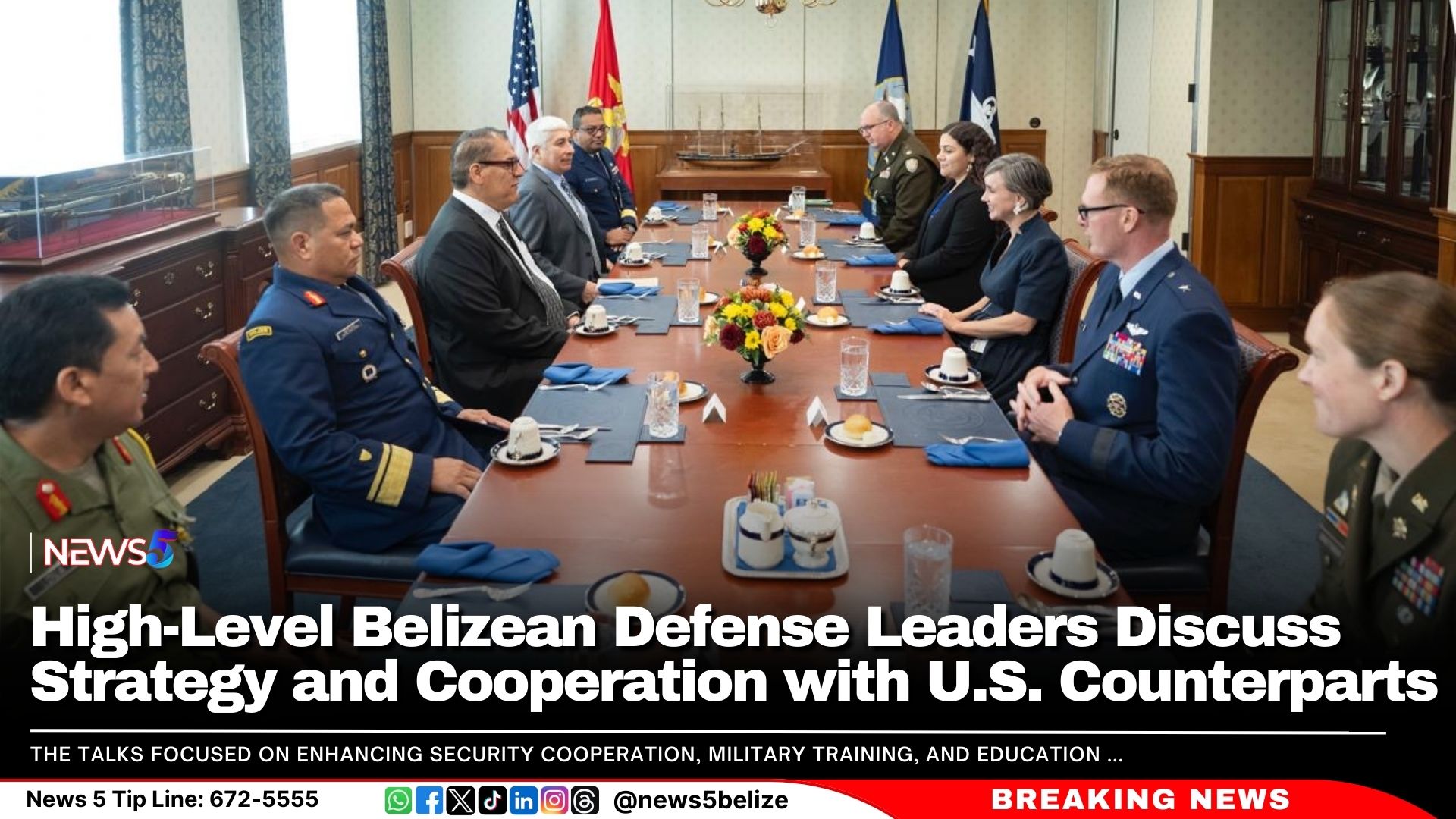
Academic and defense leadership involves the strategic alignment of higher education objectives with national security requirements to foster innovation, workforce readiness, and research integrity. This intersection focuses on managing complex partnerships, securing dual-use technology research, and developing resilient leaders capable of navigating both the decentralized culture of academia and the structured hierarchy of the defense sector.
The relationship between academia and the defense establishment has reached a critical juncture in 2026. As global competition intensifies in domains like artificial intelligence, quantum computing, and cybersecurity, the reliance on university-led innovation has never been higher. Simultaneously, academic institutions face increasing pressure to protect their intellectual property while maintaining the principles of open inquiry. Leading effectively in this space requires a nuanced understanding of two historically different organizational cultures and the ability to bridge the gap between theoretical exploration and practical application.
The Evolving Landscape of Cross-Sector Leadership
In 2026, the boundary between academic research and national defense is increasingly porous. This evolution is driven by the recognition that technological superiority is no longer solely the province of government laboratories. Instead, it emerges from a vibrant ecosystem where university researchers, defense contractors, and military strategists collaborate. Leadership in this environment is not merely about managing projects; it is about managing a cultural synthesis.
Academic leadership is traditionally characterized by shared governance, tenure-track incentives, and a commitment to the public dissemination of knowledge. In contrast, defense leadership operates within a clear chain of command, prioritizes operational security, and measures success through mission readiness and tactical advantage. The modern leader at this intersection must act as a "bilingual" administrator, capable of translating the value of basic research into strategic capabilities for the Department of Defense (DoD) while ensuring that academic faculty feel their intellectual freedom is preserved.
The 2026 landscape is further complicated by the "dual-use" nature of most emerging technologies. A breakthrough in bio-engineering or materials science can revolutionize both healthcare and body armor. Consequently, leaders must oversee complex compliance frameworks that did not exist a decade ago. This includes navigating the nuances of the National Security Presidential Memorandum 33 (NSPM-33) and various export control regulations, all while fostering an environment that attracts top-tier global talent.
Core Pillars of Defense-Academic Collaboration
Successful leadership across these sectors rests on three primary pillars: research security, workforce development, and technology transfer. Each pillar requires a specific set of management strategies and a commitment to long-term institutional goals.
Research Security and Integrity
As of 2026, research security is no longer a niche administrative concern; it is a foundational element of academic leadership. Leaders must implement robust "disclosure and transparency" protocols to protect against foreign interference and intellectual property theft. This involves educating faculty on the risks associated with certain international collaborations without stifling the global nature of scientific progress. Effective leaders build internal "Security and Trust" offices that work alongside researchers rather than acting as purely restrictive bodies. They emphasize that protecting research is a way of ensuring that the benefits of American innovation accrue to those who funded and developed it.
Workforce Development and the STEM Pipeline
The defense sector faces a persistent talent gap, particularly in STEM fields. Academic leaders play a crucial role in shaping curricula that meet the technical demands of 2026 while maintaining a broad liberal arts foundation that fosters critical thinking. Programs like the Science, Mathematics, and Research for Transformation (SMART) Scholarship-for-Service Program have expanded, requiring leaders to manage the transition of students from the classroom to defense laboratories. Furthermore, the role of Senior Reserve Officers' Training Corps (ROTC) programs on campus has evolved to include more specialized technical tracks, demanding closer coordination between university deans and military commanders.
Technology Transfer and Innovation Hubs
The movement of technology from the university lab to the field is the ultimate test of cross-sector leadership. This often occurs through University Affiliated Research Centers (UARCs) and Federally Funded Research and Development Centers (FFRDCs). Leaders in these organizations must balance the "publish or perish" mentality of academia with the "prototype and deploy" requirements of the defense industry. In 2026, this is increasingly managed through "innovation sandboxes"—environments where researchers can work on sensitive projects under secure conditions without losing their standing in the broader academic community.
Leadership Competencies in Dual-Sector Environments
Leading at the intersection of academia and defense requires a unique set of competencies that differ from traditional corporate or purely military roles. These skills are essential for maintaining the delicate balance between two powerful but distinct institutions.
- Strategic Diplomacy: Leaders must negotiate between university boards, which may be sensitive to the optics of defense funding, and government agencies, which demand results and accountability. This requires a high degree of emotional intelligence and the ability to find common ground in disparate mission statements.
- Regulatory Fluency: Managing defense-related research in 2026 requires an intimate knowledge of ITAR (International Traffic in Arms Regulations), EAR (Export Administration Regulations), and the latest DoD cybersecurity standards (such as CMMC 2.0). A leader’s failure to understand these can result in the loss of millions in federal funding or legal jeopardy for the institution.
- Ethical Foresight: The ethical implications of defense research—ranging from autonomous weapons systems to genetic engineering—are profound. Academic and defense leaders must facilitate ongoing dialogues about the moral dimensions of their work, ensuring that innovation does not outpace ethical reflection.
- Operational Agility: Academia moves slowly by design, favoring consensus and deliberation. Defense needs often move with urgency. Leaders must create "accelerator" structures within the university that allow for rapid prototyping and response to urgent national security needs without disrupting the core academic mission.
Comparison of Leadership Frameworks and Priorities
The following table outlines the fundamental differences in priorities and how a hybrid leadership approach integrates them in the 2026 context.
| Attribute | Academic Leadership | Defense Leadership | Hybrid (Academic-Defense) |
|---|---|---|---|
| Primary Goal | Knowledge creation & dissemination | National security & mission success | Secure innovation & workforce readiness |
| Governance | Shared governance & consensus | Hierarchical chain of command | Collaborative-structured partnerships |
| Incentive Structure | Peer-reviewed publications & tenure | Rank, commendation & operational impact | Applied research grants & tech transition |
| View of Information | Open access & global transparency | Classified & need-to-know | Protected innovation & controlled disclosure |
| Risk Tolerance | High for theory, low for reputation | Low for operations, high for tech edge | Balanced via robust compliance |
| Timeline | Decades (Long-term discovery) | Immediate to mid-term (Fiscal cycles) | Structured milestones with long-term goals |
Challenges and Ethical Considerations in 2026
The year 2026 brings specific challenges to the forefront, most notably the tension between internationalism and national security. For decades, the American university system has thrived by attracting the brightest minds from around the world. However, as the defense sector increasingly relies on these same universities for sensitive research, the vetting process for international students and visiting scholars has become more rigorous.
Leaders are currently grappling with the "chilling effect" this can have on innovation. If the defense-academic partnership becomes too restrictive, it may drive talent toward other nations or non-aligned private sectors. Leadership in 2026 involves creating "tiered security" models where basic, fundamental research remains entirely open, while applied, sensitive research is conducted within secure, partitioned environments. This allows the university to remain a hub of global talent while serving as a secure asset for national defense.
Another ethical challenge involves the "militarization of the campus." Academic leaders must defend the presence of defense research as a legitimate contribution to national stability and public service, particularly in the face of student or faculty protests. This requires transparent communication about the nature of the research and the safeguards in place to ensure it aligns with the university's core values.
Strategic Integration: Best Practices for 2026
To bridge the gap between these two worlds effectively, organizations are adopting several best practices in 2026. These strategies are designed to harmonize the conflicting rhythms of academia and defense.
- Establishing "Translation" Offices: Many top-tier research universities have established offices of "Strategic Defense Partnerships." Unlike a standard research office, these are staffed by former military officers and career academics who act as intermediaries, helping faculty navigate the defense bureaucracy and helping the DoD understand the academic cycle.
- Joint Appointment Models: We see an increase in joint appointments where individuals hold positions in both a university department and a defense agency or lab. This fosters a deeper understanding of both cultures and ensures that research is grounded in real-world constraints.
- Proactive Compliance Training: Rather than waiting for a violation to occur, leaders are implementing mandatory, credit-bearing training for all researchers involved in federal grants. This training focuses on the "why" of research security, framing it as a way to protect the researcher’s own career and the institution’s integrity.
- Scenario-Based Strategic Planning: Given the volatility of the 2026 geopolitical environment, leaders are using wargaming and scenario planning to anticipate how changes in federal policy or international conflict might impact their research portfolios and student bodies.
Frequently Asked Questions
What are University Affiliated Research Centers (UARCs)?
UARCs are non-profit organizations associated with universities that provide essential engineering, research, and development capabilities for the DoD. They are designed to maintain long-term, strategic relationships that allow for specialized expertise to be "on call" for the government. Leaders in UARCs must manage a workforce that often has university faculty status but works on classified projects.
How does research security affect academic freedom?
While there is a natural tension, modern leadership in 2026 emphasizes that research security protects academic freedom by ensuring that a researcher's work is not co-opted or stolen by foreign actors. By implementing clear, transparent guidelines for disclosure, institutions can maintain an open environment for the vast majority of their work while securing the sensitive portions.
What is the role of Professional Military Education (PME) in this intersection?
PME institutions, such as the National Defense University or the Air University, are where academic and defense leadership truly merge. These institutions use academic methods—rigorous study, peer review, and debate—to prepare military officers for high-level strategic roles. Leadership here involves maintaining academic accreditation standards while meeting the specific educational requirements of the Joint Chiefs of Staff.
Can international students participate in defense-funded research?
In 2026, the answer depends on the nature of the research. For fundamental research (Category 6.1), international students are generally welcomed. However, for applied research (6.2) or advanced technology development (6.3) that falls under export controls, access is often restricted based on citizenship and the ability to obtain security clearances.
What is the most significant change in this field in 2026?
The most significant change is the shift from "reactive compliance" to "proactive strategic integration." Instead of simply following rules to avoid penalties, academic and defense leaders are co-designing research agendas from the outset. This ensures that the university’s mission of advancing knowledge and the defense sector's mission of national security are viewed as complementary rather than contradictory.
Building a Strategic Leadership Roadmap
For individuals and institutions looking to excel in academic and defense leadership in 2026, the first step is the development of a comprehensive Strategic Partnership Roadmap. This roadmap should not merely be a list of goals, but a functional document that identifies the specific intersection points where university strengths meet defense needs. It starts with an internal audit of research capabilities, followed by the establishment of clear ethical guidelines and security protocols.
Next, leaders must invest in the "human infrastructure" of the partnership. This means recruiting and training administrative staff who understand the complexities of federal contracting and the nuances of academic culture. Finally, the roadmap must include a communication strategy that clearly articulates the value of the partnership to all stakeholders—students, faculty, taxpayers, and the defense community. By fostering a culture of mutual respect and shared purpose, leaders can ensure that the collaboration between the academy and the defense sector remains a cornerstone of innovation and security for years to come.