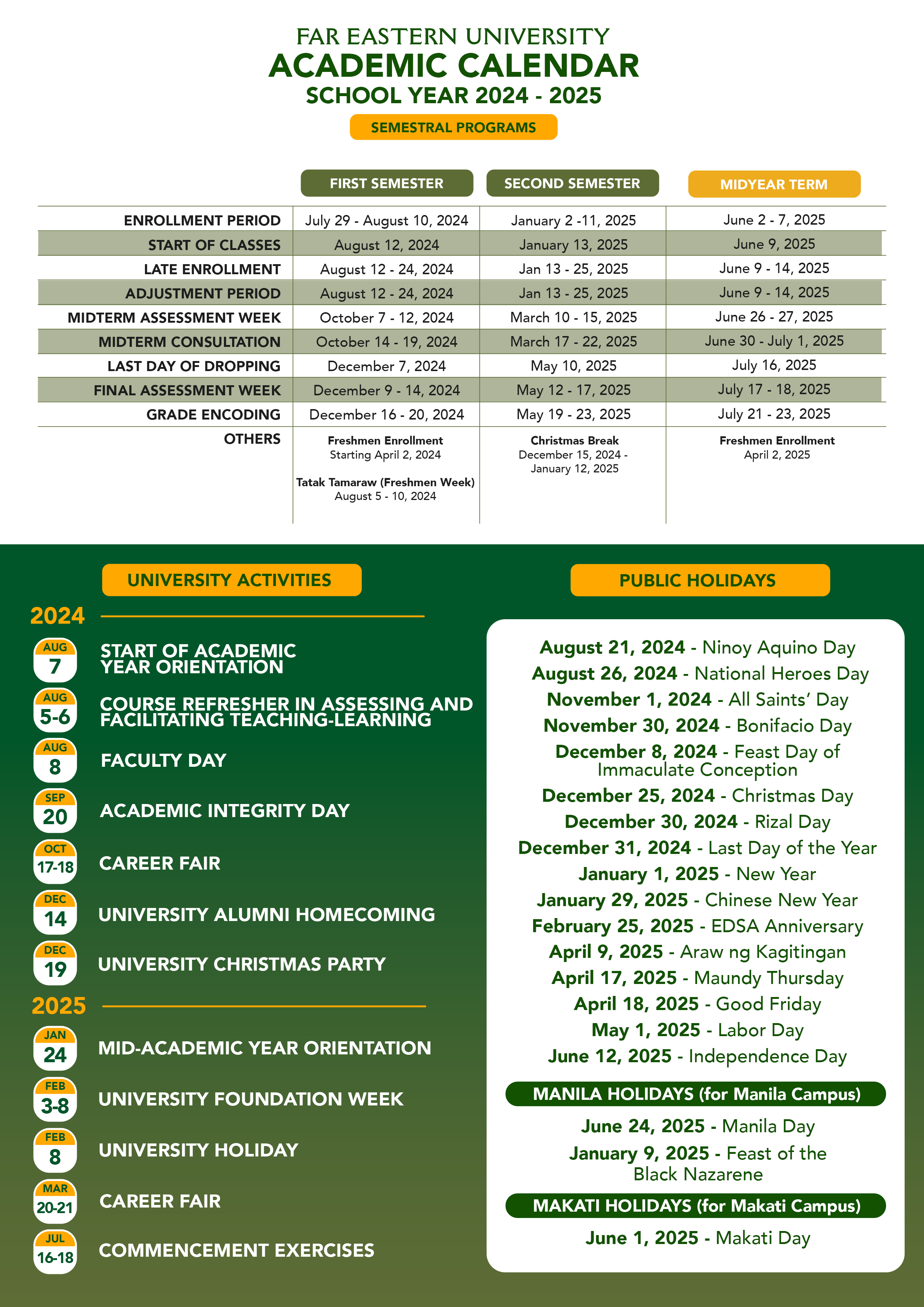
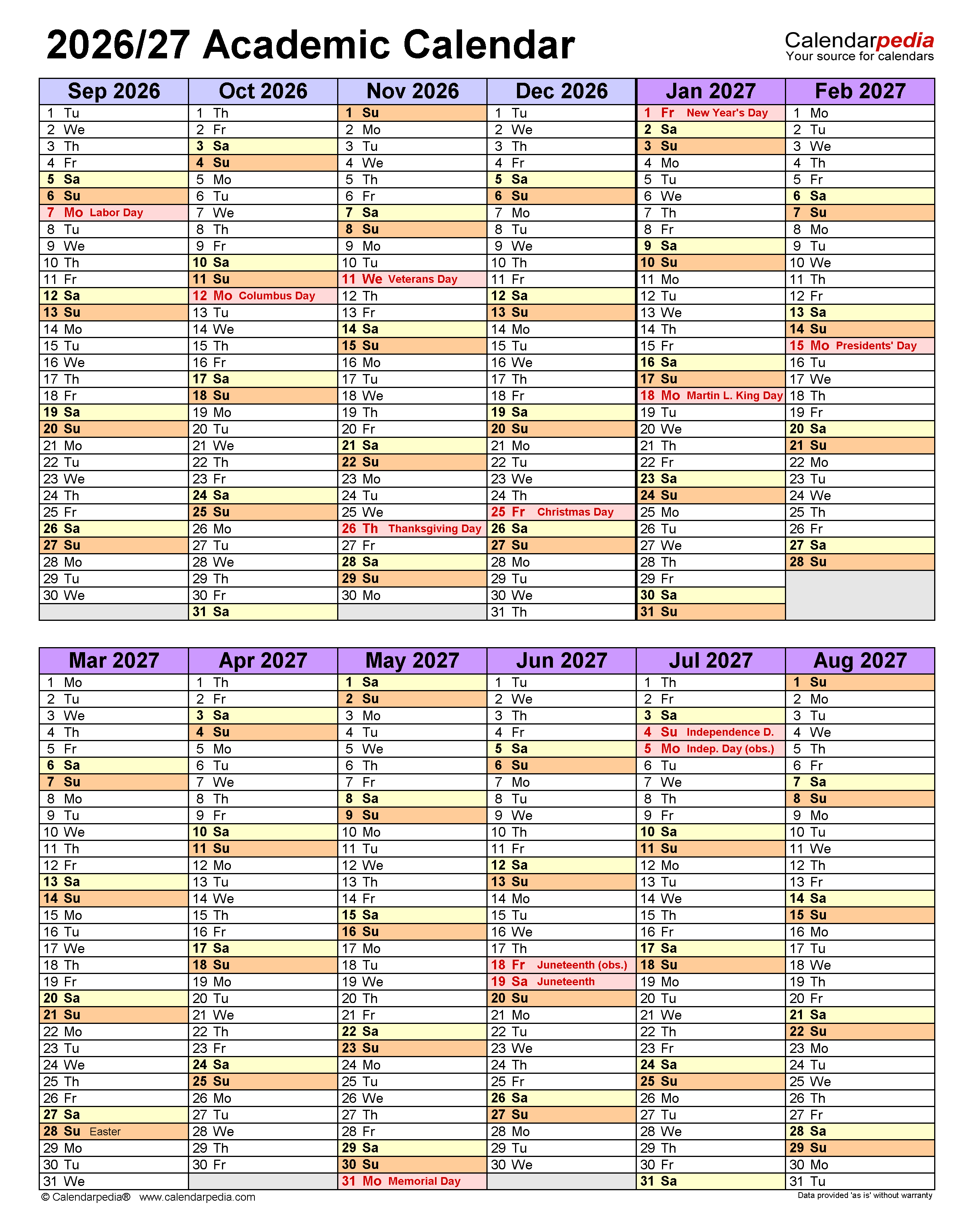
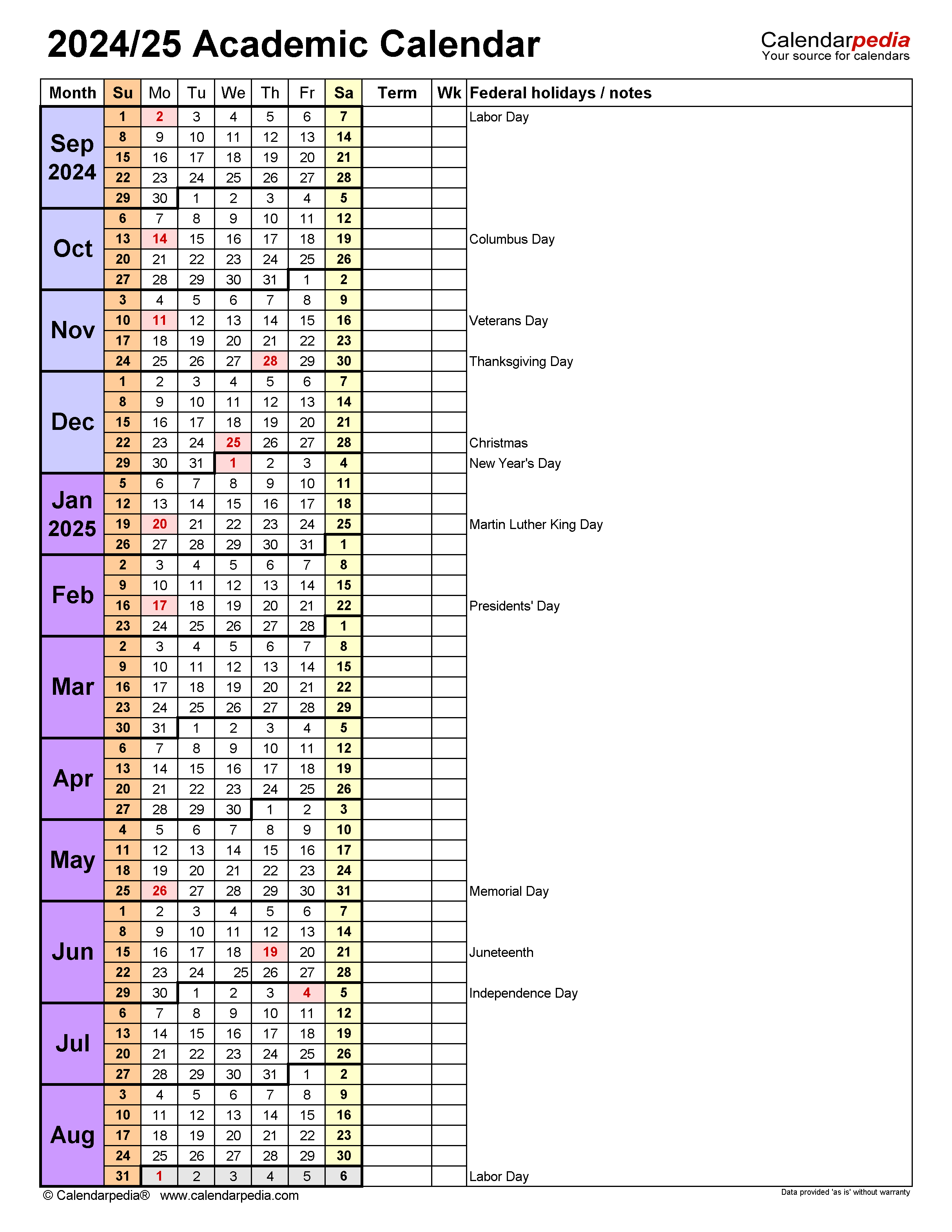
An academic calendar is an official institutional schedule that defines the start and end dates of terms, examination periods, holiday breaks, and critical administrative deadlines. It serves as a synchronized roadmap for students, faculty, and staff, ensuring that registration, financial aid, and graduation requirements are met within specific, legally and educationally mandated timeframes.
The academic calendar is more than just a list of dates; it is the structural backbone of the educational experience. Whether you are a first-year student navigating your first semester in 2026 or a faculty member planning a syllabus, understanding the nuances of this schedule is essential for academic success and administrative compliance. This guide explores the various types of academic systems, the significance of specific deadlines, and how to use the 2026 calendar to optimize your educational journey.
The Structural Framework of the Academic Year
Most higher education institutions in 2026 operate on one of three primary schedules: the semester system, the quarter system, or the trimester system. Each structure dictates the pace of learning and the depth of course content.
The Semester System
The semester system is the most common format globally. It typically divides the academic year into two 15-to-17-week terms: Fall and Spring. Many institutions also offer a shorter, optional Summer session. The Fall semester usually begins in late August or early September and concludes in December, while the Spring semester runs from January to May. This system allows for a deeper dive into complex subjects, providing students with more time to absorb material before midterms and finals.
The Quarter System
In a quarter system, the academic year is divided into four terms: Fall, Winter, Spring, and Summer. Each term lasts approximately 10 weeks. While this system allows students to take a wider variety of courses over a single year, the pace is significantly faster. Students must be prepared for midterms as early as week three or four. In 2026, several prestigious universities continue to utilize this model to encourage interdisciplinary exploration and more frequent elective rotations.
The Trimester System
The trimester system divides the year into three equal periods of roughly 12 to 13 weeks. Unlike the quarter system, where the summer is often treated as an "off" or "optional" term, trimesters often integrate the summer as a standard period of instruction. This model is frequently used in professional programs, such as law or medicine, and by institutions that offer accelerated degree paths.
Critical Deadlines: Navigating the Administrative Timeline
Every academic calendar contains specific milestones that carry significant academic and financial consequences. Missing these dates can result in late fees, loss of credit, or even dismissal from a program.
The Add/Drop Period
Usually occurring within the first week or two of a term, the Add/Drop period allows students to adjust their schedules without penalty. During this time, a student can "drop" a course, and it will not appear on their permanent transcript. Similarly, they can "add" a new course if space is available. This is a crucial window for students to "shop" for classes and ensure their workload is manageable for the 2026 academic year.
The Withdrawal Deadline
The withdrawal deadline occurs much later in the term. Unlike dropping a class, withdrawing results in a "W" grade on the transcript. While a "W" does not typically impact a student's GPA, it does signify that the student attempted the course but did not finish it. It is vital to consult with an academic advisor before withdrawing, as it can impact "Satisfactory Academic Progress" (SAP) for financial aid purposes.
The Census Date
The census date is the point at which an institution "freezes" its enrollment numbers for reporting and financial aid disbursement. If a student is not registered for a specific number of credits by this date, their financial aid package may be reduced. In 2026, most universities set the census date approximately two to three weeks into the semester.
Comparison of Common Academic Systems
The following table provides a breakdown of the typical structures found in modern higher education institutions to help students compare the pace and workload of different systems.
| Feature | Semester System | Quarter System | Trimester System |
|---|---|---|---|
| Term Length | 15–17 Weeks | 10 Weeks | 12–13 Weeks |
| Terms per Year | 2 (Fall, Spring) | 3 or 4 (Fall, Winter, Spring, Summer) | 3 (Equal length) |
| Course Load | 4–6 Courses | 3–4 Courses | 3–4 Courses |
| Pace of Instruction | Moderate | Fast | Accelerated |
| Credit Hour Value | 1 Semester Credit = 1.5 Quarter Credits | 1 Quarter Credit = 0.67 Semester Credits | Varies by Institution |
| Ideal For | Deep research and long-term projects | Diverse subject exposure | Year-round accelerated graduation |
The Impact of the Academic Calendar on Financial Aid
For the majority of students in 2026, the academic calendar is inextricably linked to their financial stability. Financial aid offices use the calendar to determine when funds are released and when they must be returned if a student leaves school.
Disbursement Dates
Financial aid is typically disbursed shortly before or after classes begin. However, students must meet specific requirements defined by the calendar, such as being enrolled in a minimum number of credits by the census date. Delayed registration can lead to delayed disbursement, potentially causing issues with tuition payments or housing costs.
Refund Deadlines
Academic calendars also dictate the tuition refund schedule. If a student withdraws early in the semester, they may receive a 100% or 75% refund. As the weeks progress, this percentage drops significantly. For the 2026-2027 cycle, many institutions have tightened these windows to ensure administrative efficiency. Understanding the exact dates for a 50% or 25% refund is essential for managing the financial risks of a difficult semester.
Satisfactory Academic Progress (SAP)
Federal and institutional aid often require students to maintain a certain GPA and complete a specific percentage of the credits they attempt. The academic calendar defines the "Evaluation Period" for these requirements. At the end of the Spring term, the registrar's office audits student records against these calendar-based milestones to determine eligibility for the following year.
Strategic Planning for Students and Educators
To succeed in 2026, students and faculty must integrate the academic calendar into their daily digital workflows. This involves more than just noting when holidays occur; it requires strategic planning for peak workload periods.
- Sync with Digital Tools: Most universities provide the academic calendar in a format compatible with Google Calendar, iCal, or Outlook. Importing these dates ensures you receive notifications for upcoming deadlines like "Last Day to Apply for Graduation" or "Reading Day" breaks.
- Plan for Midterm Peaks: In a semester system, midterms usually cluster around weeks 7 and 8. By looking at the calendar early, students can identify these "crunch times" and begin studying or drafting papers weeks in advance to avoid burnout.
- Faculty Syllabus Alignment: For educators, the academic calendar dictates the rhythm of the course. It is essential to ensure that major assignments do not fall immediately after a long holiday break when student engagement might be lower, or during "Finals Week" when students are overloaded with other exams.
- Housing and Travel Coordination: International and out-of-state students must use the calendar to book travel. Many dormitories close during Winter and Spring breaks. Knowing the exact date and time "Residence Halls Close" prevents last-minute housing crises.
Specialized Calendars: Summer Sessions and Professional Programs
While the traditional Fall and Spring semesters dominate the conversation, specialized academic calendars are becoming increasingly popular in 2026.
Summer and Winter Intersessions
These are "mini-terms" that allow students to earn credits in a highly condensed timeframe, often 3 to 6 weeks. These calendars are intense, with students often attending class for four or five hours daily. They are ideal for completing general education requirements or "catching up" on credits, but they require a total commitment to the schedule.
Professional and Graduate Calendars
Programs in medicine, veterinary science, and executive MBA tracks often operate on a non-standard calendar. These may not align with the university-wide undergraduate schedule. For example, a medical student may have "Clerkship Rotations" that continue through traditional university holidays. It is imperative for graduate students to follow their specific program's calendar rather than the general university schedule.
The Rise of "Rolling" Start Dates
With the continued growth of online education in 2026, many institutions have moved toward a "rolling" academic calendar. In this model, new course sessions may begin every 8 weeks. This provides maximum flexibility for working professionals but requires a high degree of self-discipline, as the traditional structure of a "Fall Start" is absent.
Frequently Asked Questions
What is a "Reading Day" on the academic calendar?
A Reading Day is a designated day between the end of classes and the beginning of final exams. During this time, no classes are held, and faculty are generally prohibited from scheduling exams or requiring new assignments. Its purpose is to give students dedicated time for self-study and preparation for their finals. In 2026, many student unions have advocated for extending these periods to support student mental health.
Why does the academic calendar change every year?
Academic calendars must be adjusted annually to account for the shifting of dates (e.g., Labor Day or Thanksgiving falling on different calendar dates). Additionally, institutions must ensure they meet a minimum number of "instructional minutes" or "contact hours" required by accrediting bodies and federal regulations. For 2026, calendars were specifically adjusted to ensure that the required number of Monday/Wednesday/Friday sessions were balanced against Tuesday/Thursday blocks.
What happens if a deadline falls on a weekend or holiday?
Typically, if a major deadline—such as the last day to register—falls on a Saturday, Sunday, or a university holiday, the deadline is automatically extended to the next business day at 5:00 PM. However, with the prevalence of online registration portals in 2026, many institutions now maintain strict weekend deadlines because the electronic systems remain active 24/7. Always verify if "End of Day" refers to physical office hours or the digital portal's timestamp.
How do I find the specific academic calendar for my university?
The most reliable way to find your calendar is to search the official university website for the "Office of the Registrar." Most institutions keep a "Current Academic Calendar" link prominently displayed. In 2026, many schools also offer a "Five-Year Outlook" calendar, which allows students to plan their graduation trajectory years in advance. Avoid using third-party schedule sites, as they may not reflect recent administrative changes or emergency weather-related adjustments.
What is the difference between a "Priority Registration" date and "General Registration"?
Priority registration is a window given to specific groups—such as graduating seniors, veterans, or students with disabilities—allowing them to sign up for classes before the general student body. This ensures that those with the most urgent needs or specific requirements get the courses they need. General registration follows shortly after and is open to all currently enrolled or incoming students.
Establishing Your 2026 Academic Strategy
The key to navigating the 2026 academic year is proactive engagement with the registrar's schedule. Rather than viewing the academic calendar as a static document, treat it as a dynamic tool for personal and professional management.
To begin, download the official PDF or ICS file from your institution’s website today. Highlight the Add/Drop deadline and the final exam period immediately. If you are balancing a job or family commitments, map out the "Intersession" and "Break" periods to coordinate time off. By mastering the timeline of the academic calendar, you remove the stress of administrative surprises, allowing you to focus entirely on your educational objectives.