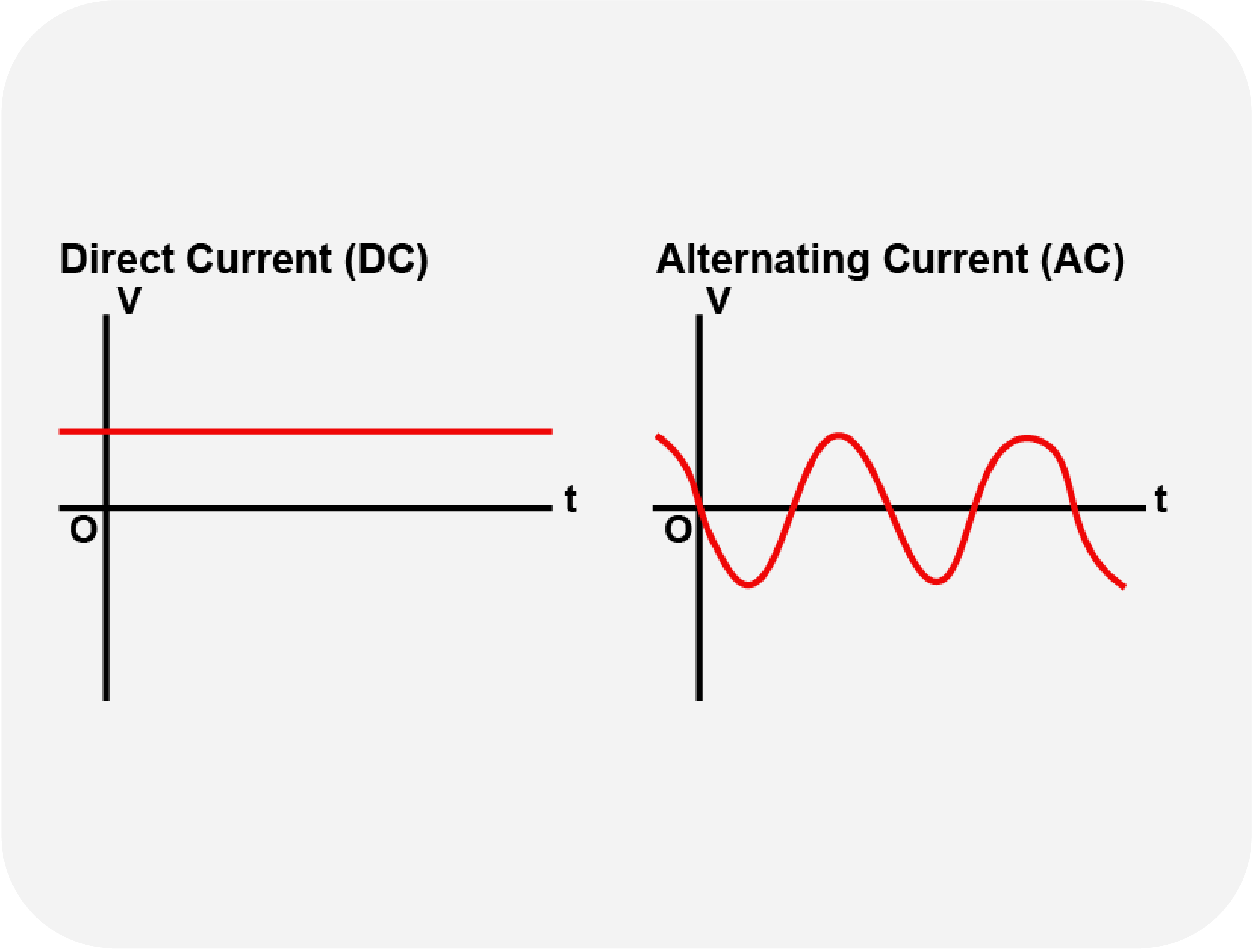
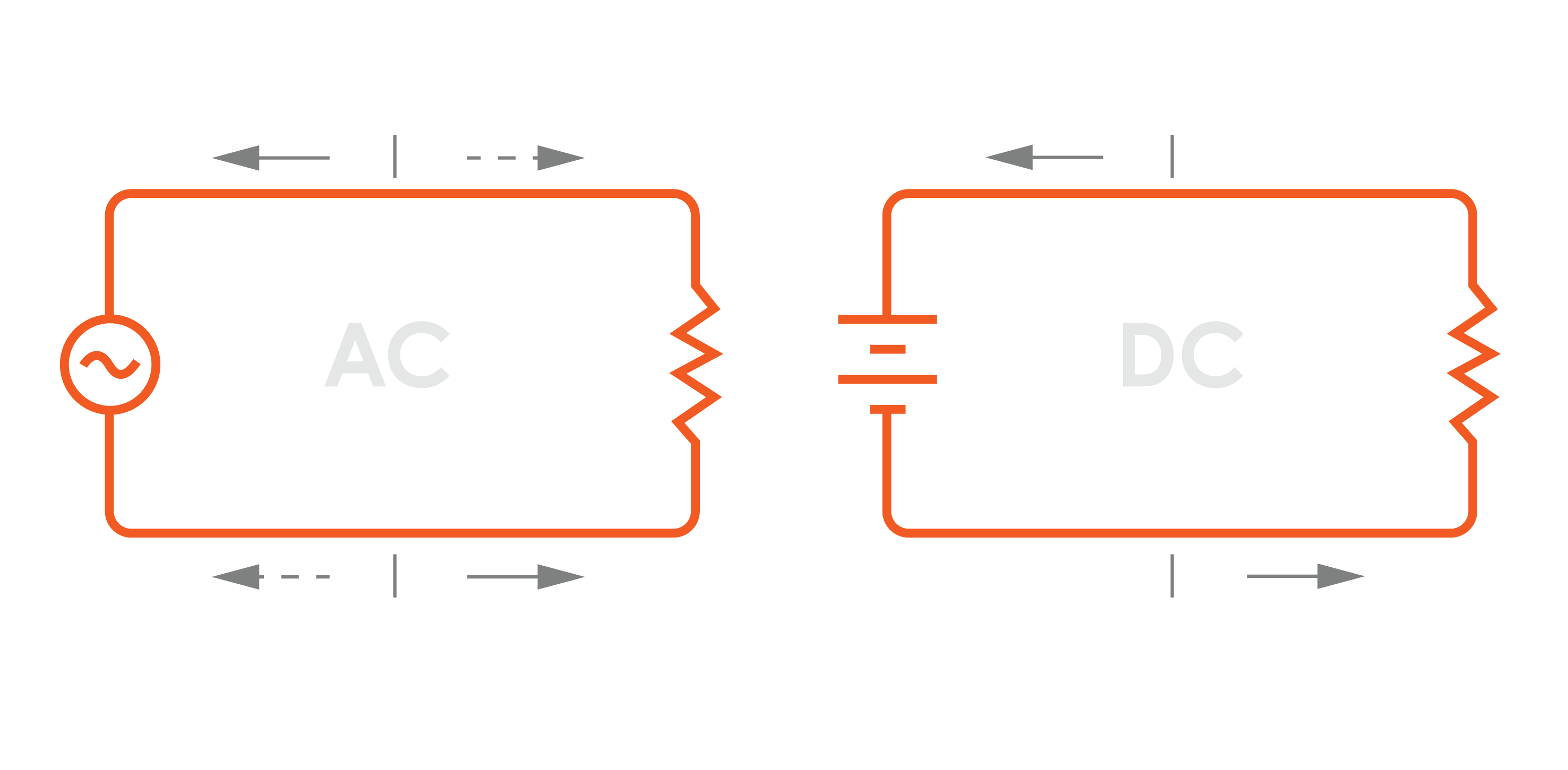
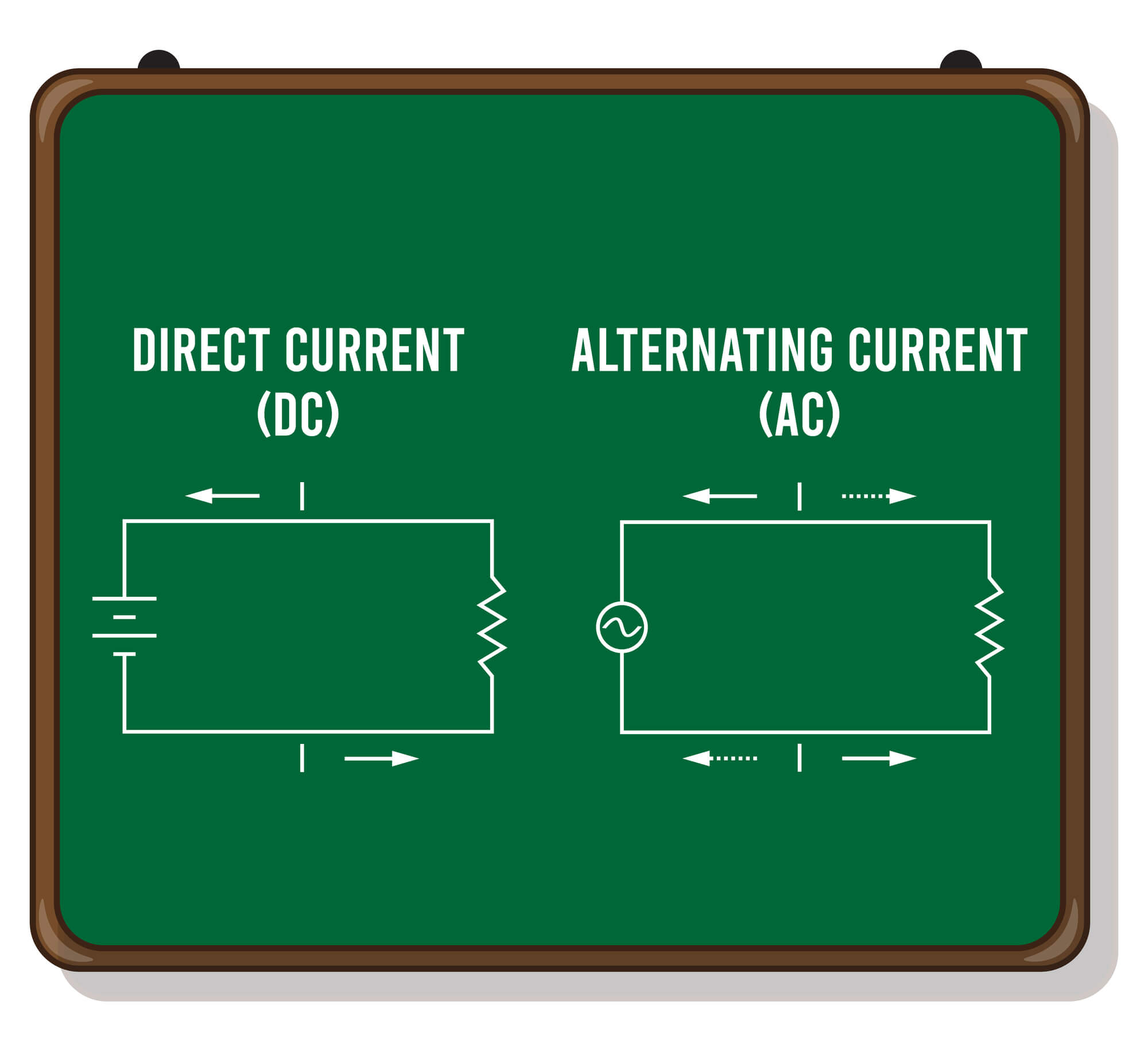
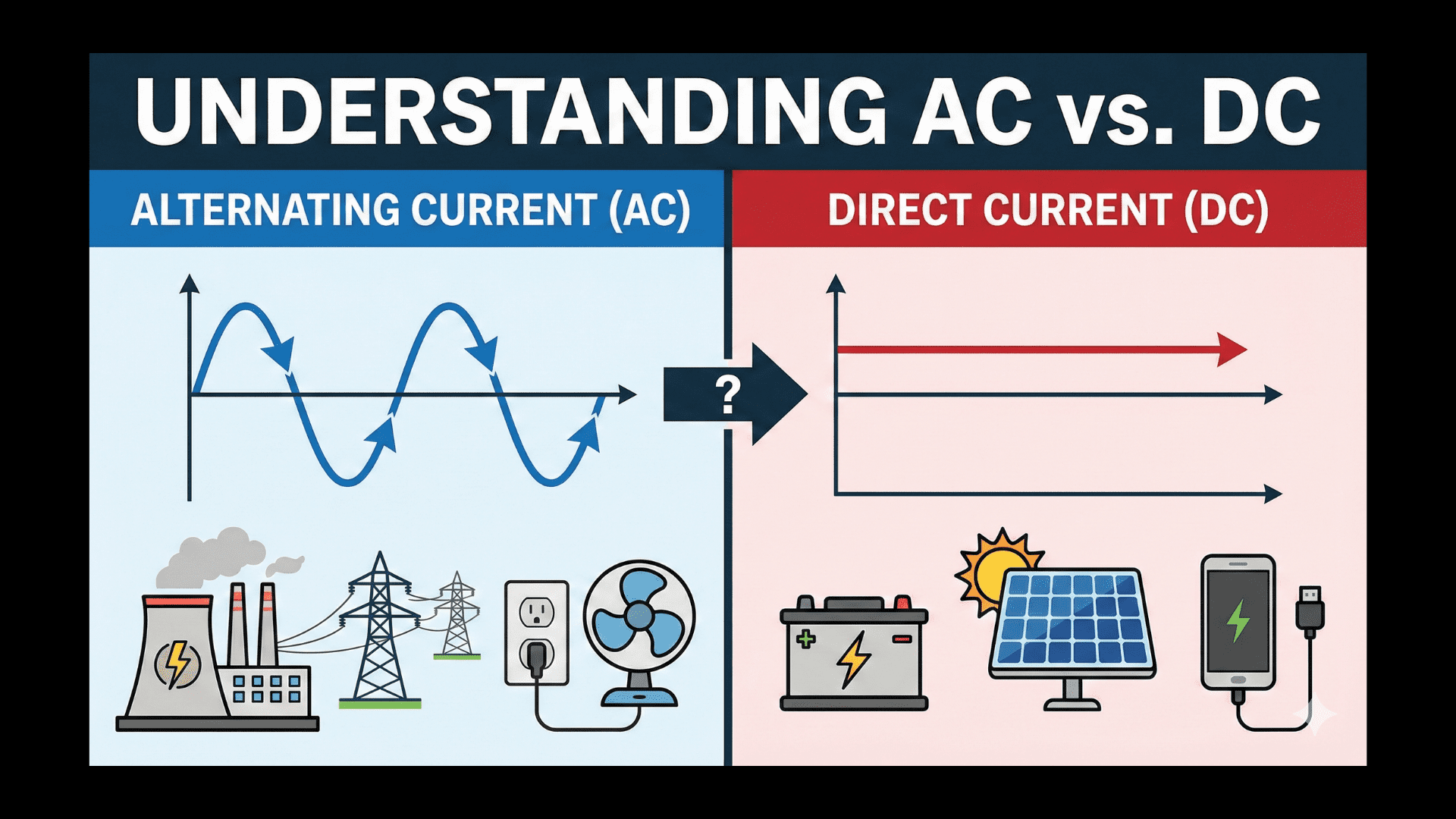
The fundamental difference between Alternating Current (AC) and Direct Current (DC) lies in the direction of electron flow: AC periodically reverses direction in a cyclic pattern, while DC maintains a constant, unidirectional flow. AC is the standard for long-distance power transmission and household outlets, whereas DC is the primary power source for batteries, electronic devices, and renewable energy systems.
Fundamental Mechanics: How AC and DC Differ at the Atomic Level
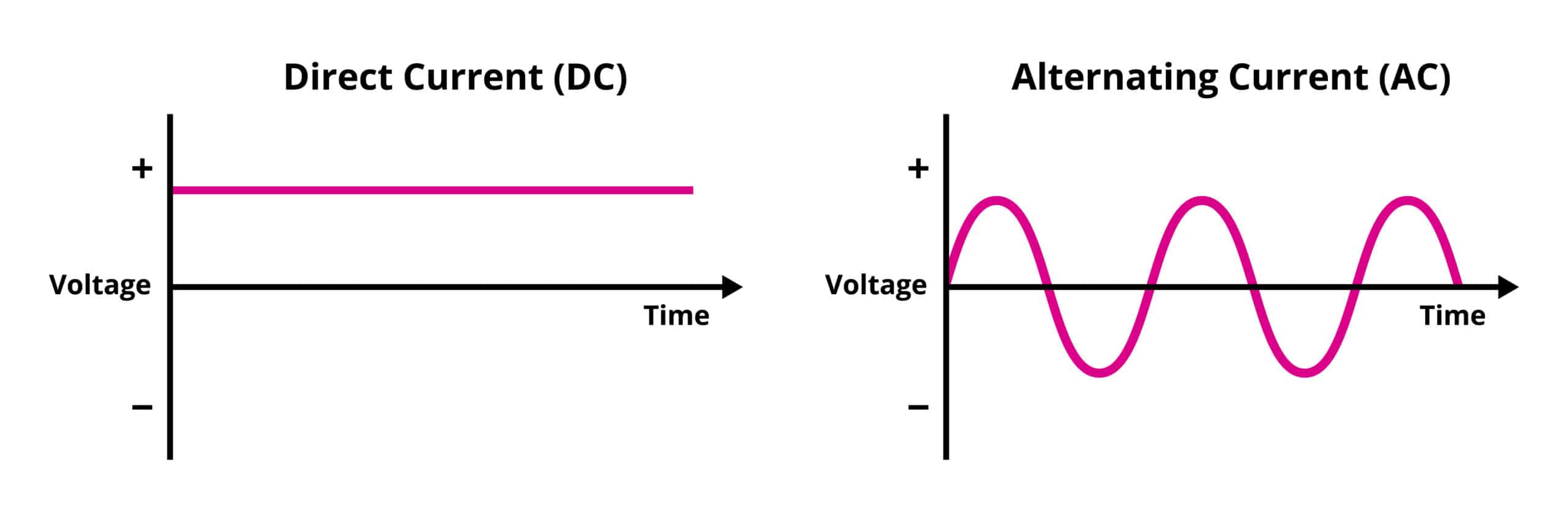
To understand the practical applications of AC and DC, one must first look at the behavior of electrons within a conductor. In a Direct Current (DC) circuit, electrons flow steadily in one direction—from the negative terminal toward the positive terminal. This flow is analogous to water moving through a pipe in a single direction. Because the voltage remains constant over time, DC is highly stable and ideal for sensitive electronic components that require a steady "pressure" of electricity to function without interference.
Conversely, Alternating Current (AC) involves electrons that switch their direction of travel back and forth at regular intervals. This movement is typically represented as a sine wave. The number of times this reversal occurs per second is measured in Hertz (Hz). In North America, the standard frequency is 60 Hz, meaning the current changes direction 120 times (60 full cycles) every second. In most of Europe and Asia, the standard is 50 Hz. This "vibration" of electrons allows for the efficient use of magnetic induction, which is the physical principle that makes transformers possible.
The distinction between these two types of current is not merely theoretical; it dictates how we build our power grids, how we charge our vehicles, and how we protect our most delicate digital hardware. While the 19th-century "War of Currents" initially positioned them as rivals, modern engineering in 2026 relies on a sophisticated hybrid approach where AC and DC complement each other’s strengths.
The Historical Context: Why the World Standardized on AC
The global dominance of AC in the 20th century was the result of a fierce competition known as the War of Currents, primarily between Thomas Edison, who championed DC, and Nikola Tesla and George Westinghouse, who promoted AC. Edison’s DC systems suffered from a significant limitation: they could not be easily "stepped up" to high voltages or "stepped down" to lower ones. Because electricity loses energy as heat when traveling over long distances due to the resistance of the wires, DC could only be transmitted effectively over a mile or two. This would have required a power plant in every neighborhood.
Tesla and Westinghouse proved that AC was the superior choice for infrastructure because of the transformer. A transformer uses electromagnetic induction to change voltage levels with very high efficiency. By stepping up AC to extremely high voltages (hundreds of thousands of volts), utilities can transmit power over hundreds of miles with minimal energy loss. Once the power reaches a city or a home, it is stepped back down to safer, usable levels (120V or 230V).
Despite Edison’s early efforts to portray AC as dangerous, the economic and logistical advantages of AC transformers were undeniable. By the early 1900s, AC became the backbone of the industrial world, enabling the electrification of rural areas and the creation of massive, interconnected power grids.
Transmission and Distribution: The Role of Transformers and HVDC
The primary reason our wall outlets provide AC is the ease of transformation. Power plants generate electricity at relatively low voltages, but to send that power across a state or country, the voltage must be increased. This is because Power = Voltage × Current. To keep power high while minimizing the "Current" (which causes the wires to heat up and lose energy), the "Voltage" must be maximized.
However, as of 2026, we are seeing a resurgence of High-Voltage Direct Current (HVDC) for specific long-distance applications. While standard DC is inefficient for local distribution, HVDC technology allows for the transmission of massive amounts of power over ultra-long distances—such as subsea cables between countries or links between disparate regional grids—with even lower losses than AC. HVDC systems do not suffer from "capacitive losses" that affect AC cables buried underground or underwater. This technology requires complex power electronics to convert AC to DC and back again, but for distances exceeding 400 miles, it is often the more efficient choice.
In a typical residential setting, the distribution follows a strict hierarchy:
- Generation: Power plants produce AC.
- Transmission: Transformers step AC up to high voltage.
- Distribution: Substation transformers step AC down for neighborhoods.
- End-Use: AC enters the home; however, most modern devices immediately convert it back to DC using internal or external power adapters.
Modern Applications: Why DC Dominates the Digital Era
While AC runs the grid, DC runs our lives. Almost every device containing a microprocessor—smartphones, laptops, LED televisions, and servers—operates exclusively on DC. These devices require the precise, steady flow of electrons that only DC can provide. Fluctuations inherent in AC would damage delicate silicon components.
Energy Storage and Batteries are another domain where DC reigns supreme. It is physically impossible to store AC in a battery; chemical cells naturally produce and accept DC. As the world shifts toward portable electronics and electric vehicles (EVs), the importance of DC has grown exponentially. When you plug your phone into a wall, the "brick" (an AC-to-DC adapter or rectifier) converts the 120V AC from the outlet into the 5V DC required by the battery.
Renewable Energy Integration has further solidified the role of DC. Solar photovoltaic (PV) panels generate DC power directly from sunlight. In traditional setups, this DC is immediately sent through an inverter to become AC for home use or grid export. However, in 2026, modern "DC-coupled" homes are becoming more common. These systems keep the solar energy in DC form to charge home battery backups, only converting to AC when necessary, thereby reducing "conversion losses" that occur every time electricity changes form.
Technical Comparison of AC and DC
| Feature | Alternating Current (AC) | Direct Current (DC) |
|---|---|---|
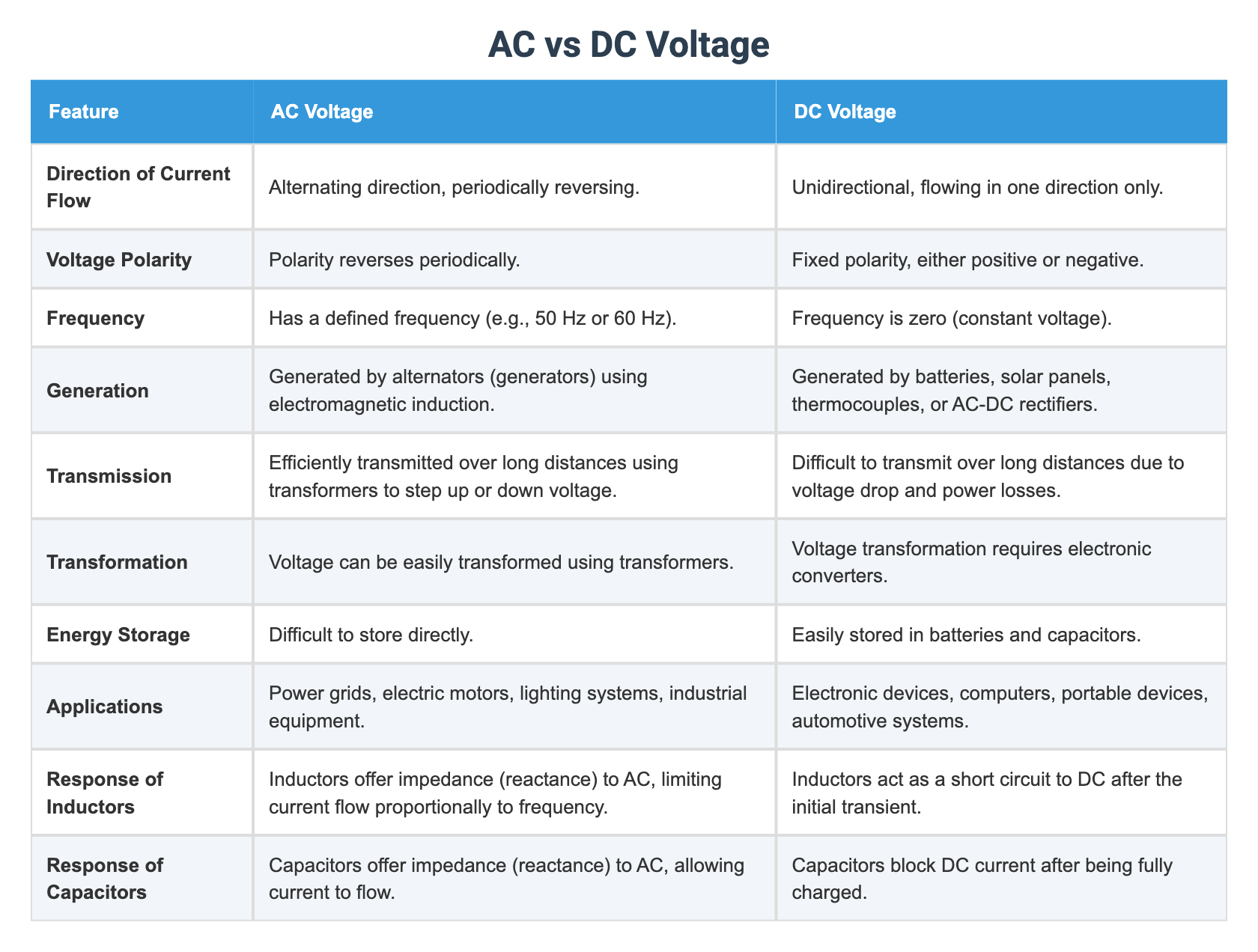
| Direction of Flow | Periodically reverses (Sine wave) | Constant, unidirectional (Flat line) |
| Frequency | 50 Hz or 60 Hz depending on region | 0 Hz (Constant) |
| Energy Storage | Cannot be stored in batteries | Can be stored in batteries and capacitors |
| Voltage Transformation | Easy and efficient via transformers | Difficult; requires complex power electronics |
| Power Factor | Varies (between 0 and 1) | Always 1 (Unity) |
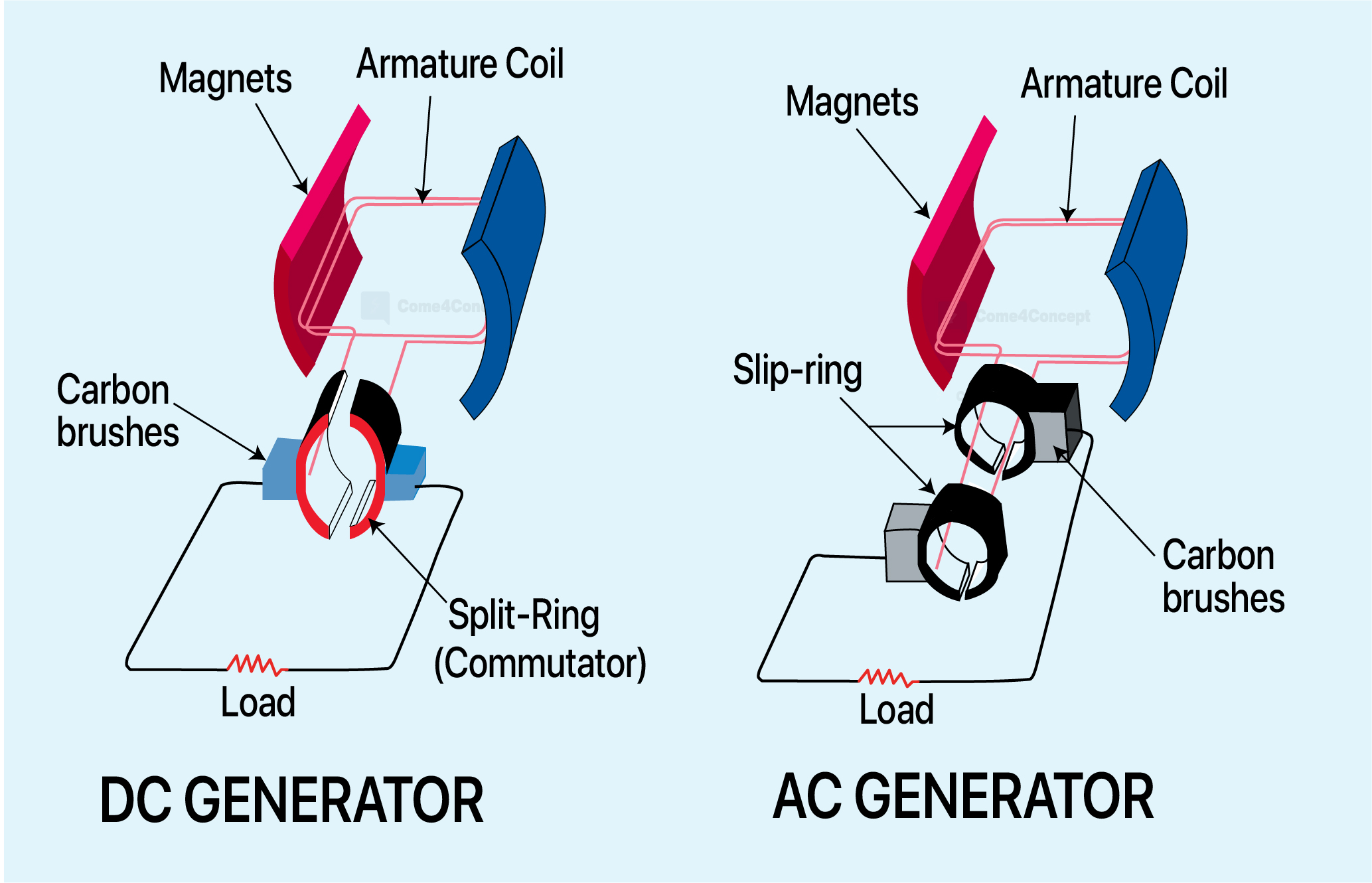
| Source | Generators, Hydroelectric, Nuclear | Batteries, Solar Cells, Fuel Cells |
| Transmission Loss | Moderate (subject to skin effect) | Low (at high voltages/HVDC) |
| Common Uses | Home outlets, Large motors, Grid | Electronics, EVs, Solar, Aerospace |
Safety and Physiological Effects
Both AC and DC pose significant risks at high voltages, but they interact with the human body in different ways. Safety protocols must account for these differences to prevent electrocution or fire.
AC is often considered more dangerous at lower voltages because the alternating frequency (50-60 Hz) is particularly effective at disrupting the human heart's natural rhythm. It can induce ventricular fibrillation—a condition where the heart muscles quiver instead of pumping blood—at lower current levels than DC. Furthermore, AC causes tetanic muscle contractions, which can cause a victim to "clamp" onto the wire, preventing them from letting go.
DC, on the other hand, tends to cause a single, massive muscle contraction that often throws the victim away from the source. While this can result in physical trauma or falls, it may reduce the duration of the electrical exposure. However, DC is more likely to cause significant internal electrolytic changes in the blood and deep tissue burns at high currents. In industrial settings, DC arcs are much harder to extinguish than AC arcs because DC does not have a "zero-crossing" point (the moment in an AC cycle where voltage is zero), making DC circuit breakers more complex and expensive to design.
Efficiency and the "Skin Effect"
In the realm of high-stakes engineering, efficiency is the deciding factor. One phenomenon that limits AC efficiency is the Skin Effect. As the frequency of AC increases, the electrons tend to migrate toward the outer surface (the "skin") of the conductor. This effectively reduces the usable cross-sectional area of the wire, increasing resistance and heat loss.
DC does not suffer from the skin effect; electrons flow uniformly throughout the entire cross-section of the wire. This makes DC cables more efficient at carrying high current loads in certain applications. Furthermore, AC systems must deal with Reactive Power and Power Factor issues. In AC circuits, the voltage and current can become out of phase due to inductive loads (like motors) or capacitive loads. This mismatch means the grid must sometimes carry more "apparent power" than the "real power" being consumed, leading to further inefficiencies. DC circuits are purely resistive or capacitive/inductive in a way that does not involve phase shifts, making power calculations more straightforward.
Practical Guidance for Choosing Power Solutions
Understanding the AC/DC distinction is crucial for homeowners, DIY enthusiasts, and IT professionals. When managing electrical systems in 2026, consider these actionable points:
- Inverter vs. Rectifier: If you are installing a backup power system, remember that a rectifier converts AC to DC (to charge your batteries), while an inverter converts DC back to AC (to run your microwave or AC unit). High-quality "pure sine wave" inverters are essential for sensitive electronics, as "modified sine wave" inverters can cause motors to run hot and clocks to lose time.
- Voltage Drop in DC: DC is highly susceptible to voltage drop over short distances if the wire gauge is too thin. This is a common issue in 12V or 24V solar setups and automotive wiring. Always use thicker cables for DC runs to ensure that 12V at the battery doesn't become 10.5V at the appliance.
- USB-C Power Delivery (PD): Most modern consumer electronics have standardized on USB-C, which is a DC-based charging protocol. High-wattage USB-C PD chargers are efficient rectifiers that can replace multiple bulky AC adapters, simplifying your cable management.
- EV Charging: Electric vehicle owners should distinguish between Level 2 charging (AC) and DC Fast Charging. Level 2 uses the car's internal "onboard charger" to convert AC to DC. DC Fast Chargers (Level 3) bypass the onboard charger and pump DC directly into the battery, allowing for much faster charging speeds but requiring more robust infrastructure.
As we continue to integrate more renewable energy and battery storage into our lives, the lines between AC and DC will continue to blur. Most homes will remain AC-centric for the foreseeable future due to existing infrastructure, but the "smart" components within those homes will increasingly rely on sophisticated DC management to achieve maximum efficiency and sustainability.
FAQ: Common Questions About AC vs. DC
Which is more efficient for home use, AC or DC?
AC is more efficient for the distribution of power to your home because of the ease of voltage stepping. However, once inside the home, DC is often more efficient for consumption in electronics and LED lighting. Modern "DC microgrids" in eco-friendly buildings are exploring ways to run lights and gadgets directly on DC to eliminate the 5-15% energy loss that occurs during AC-to-DC conversion in every wall plug.
Can AC appliances run on DC?
No, most AC appliances cannot run on DC. Devices with AC motors (like older fans or compressors) or those that rely on transformers will not function and may be permanently damaged if connected to a DC source. Conversely, some simple resistive loads, like incandescent light bulbs or heaters, could technically work on both, but it is never recommended to bypass intended power specifications.
Why do batteries only use DC?
Batteries store energy through a chemical reaction that creates a potential difference between two fixed terminals (positive and negative). This chemical process is inherently unidirectional. To charge a battery, you must push electrons back into the negative terminal, which requires a steady DC voltage higher than the battery's current state.
Is DC safer than AC?
Safety depends on voltage and current levels. At a given voltage, AC is generally more likely to cause heart failure (ventricular fibrillation) due to its frequency. However, DC can cause more severe muscle contractions and chemical burns. Neither is "safe" at high voltages, and both require appropriate insulation and circuit protection.
Why is 60Hz or 50Hz used for AC?
These frequencies were chosen as a middle ground during the early development of the grid. Higher frequencies would make transformers smaller and lighter (which is why airplanes use 400Hz AC), but they cause more energy loss over long power lines. Lower frequencies would reduce line loss but cause visible flickering in electric lights. The 50/60Hz range provides a stable balance for both machinery and lighting.