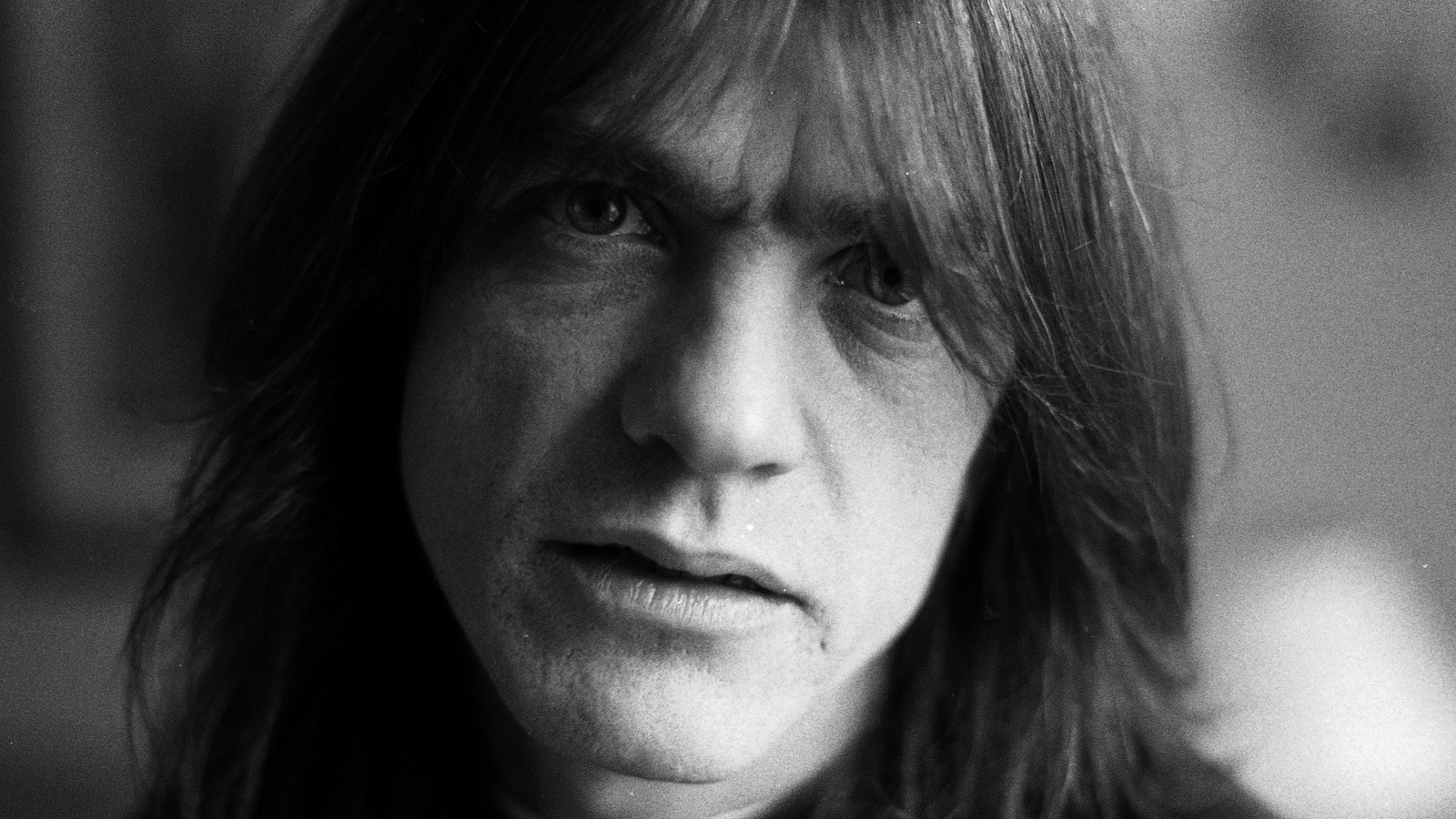
In 2016, AC/DC maintained their status as one of the world's highest-earning musical acts, with a collective annual income of approximately $67.5 million according to Forbes. Individually, lead guitarist Angus Young held the highest net worth at an estimated $140 million, followed by the estate of Malcolm Young and frontman Brian Johnson.
The Financial Powerhouse: AC/DC’s 2016 Revenue Snapshot
The year 2016 was a period of both immense financial triumph and significant internal transition for AC/DC. While the band faced the departure of long-time singer Brian Johnson due to hearing issues and the continued absence of founding member Malcolm Young, their "Rock or Bust World Tour" remained a juggernaut of revenue. In the fiscal window analyzed by financial outlets like Forbes and Billboard, the band ranked as the 17th highest-paid celebrities in the world.
The primary driver of this wealth was live performance. Unlike many modern artists who rely heavily on brand deals or digital streaming, AC/DC’s business model remained rooted in the traditional "tour and merch" strategy. Their ability to sell out stadiums across Europe and North America, even after the high-profile substitution of Axl Rose for Brian Johnson, demonstrated the near-indestructible value of the AC/DC brand name.
The Impact of the Rock or Bust World Tour
The Rock or Bust World Tour, which concluded in late 2016, was the foundational element of the band's $67.5 million annual take-home. Touring at this scale involves complex logistics but offers massive returns on ticket sales and high-margin merchandise.
The inclusion of Axl Rose as a "guest vocalist" for the final legs of the tour was a calculated business move that prevented the potential loss of tens of millions in insurance claims and ticket refunds. By fulfilling their contractual obligations for the remaining dates, the band solidified their 2016 earnings and protected their reputation as a reliable headline act for global promoters.
Angus Young: The $140 Million Schoolboy
As the co-founder and the only remaining original member performing throughout the entire 2016 cycle, Angus Young’s net worth was estimated at roughly $140 million to $160 million. Angus is not merely the lead guitarist; he is a primary songwriter and the face of the band’s intellectual property.
The bulk of Angus Young’s wealth stems from a few key areas:
- Songwriting Royalties: As a writer on nearly every track in the AC/DC catalog, Angus receives a significant share of every radio play, stream, and sync license (use in movies or commercials).
- Touring Revenue: As a principal partner in the band's corporate entities, he receives a larger share of the "net" tour profits compared to hired musicians or late-joining members.
- Real Estate: Young holds significant property assets, including a multi-million dollar home in Kangaroo Point, Australia, and properties in the Netherlands.
His financial stability in 2016 was a testament to decades of consistent branding. The "Schoolboy" uniform and the Gibson SG are more than stage props; they are trademarked elements of a multi-million dollar global enterprise.
The Malcolm Young Estate: Preserving a Founding Legacy
Although Malcolm Young had retired from the band in 2014 due to his battle with dementia (and would later pass away in 2017), his net worth in 2016 remained substantial, estimated at approximately $100 million. As the rhythm guitarist and the "architect" of AC/DC’s sound, Malcolm was a co-writer on the band’s most successful albums, including Back in Black, Highway to Hell, and The Razors Edge.
In the music industry, the "writer's share" of royalties is the most durable form of wealth. Even while Malcolm was no longer performing, his estate continued to collect revenue from:
- Mechanical Royalties: Earnings from physical and digital sales of the albums he helped create.
- Performance Royalties: Payments made when their songs are played in public venues or on the radio.
- Merchandising Rights: As a founding partner, his family/estate retained a stake in the lucrative AC/DC merchandise machine.
Malcolm’s financial position in 2016 highlighted the importance of intellectual property ownership in the rock genre. While performers earn while they are on the road, songwriters earn forever.
Brian Johnson: The Voice and the Departure
Frontman Brian Johnson entered 2016 with a net worth estimated at $90 million. Having joined the band in 1980 following the death of Bon Scott, Johnson was the voice of Back in Black, which remains one of the best-selling albums of all time.
Johnson's wealth was slightly lower than the Young brothers' because he joined an established entity and did not have songwriting credits on the earliest, foundational hits. However, his contributions from 1980 through 2016 earned him a significant seat at the financial table.
His 2016 was financially complex. His forced departure mid-tour due to total hearing loss risks meant he missed out on the final performance bonuses of the Rock or Bust tour. Nonetheless, his decades of service ensured that his "back catalog" income remained stable. Beyond music, Johnson is known for his passion for vintage racing cars, possessing a collection worth several million dollars, which represents a significant portion of his diversified assets.
Secondary Members: Cliff Williams and Phil Rudd
The rhythm section of AC/DC also saw varying degrees of wealth in 2016, though they typically held smaller percentages of the band’s overall brand equity compared to the Youngs.
Cliff Williams (Bassist)
Cliff Williams, who announced his retirement at the end of the 2016 tour, had a net worth estimated at $25 million. Having joined in 1977, he was a mainstay of the band's classic era. His wealth primarily comes from his long-term salary and performance bonuses, as he was not a primary songwriter. Williams’ retirement was a "exit" from the active revenue stream of touring, but his retirement fund was well-bolstered by four decades of stadium-level income.
Phil Rudd (Drummer)
Phil Rudd’s net worth in 2016 hovered around $50 million, though his financial situation was complicated by legal issues in New Zealand. Rudd’s absence from the 2015-2016 tour meant he missed out on the massive touring dividends that Angus and the others collected. However, his long history with the band and his ownership of a restaurant ("Phil's Place") and various high-end properties and vehicles kept his net worth high.
Revenue Drivers: Beyond the Stage
To understand how AC/DC stayed so "rich" in 2016, one must look at the diversified nature of their income. They are not just a band; they are a global franchise.
Catalog Sales and the Digital Revolution
While the music industry shifted toward streaming, AC/DC was a "holdout" for years, only joining iTunes in 2012 and Spotify in 2015. By 2016, they were reaping the rewards of this delayed entry. Their catalog saw a massive surge as fans who had previously owned the vinyl or CDs began adding the tracks to their digital libraries.
Back in Black alone continued to sell thousands of copies weekly in 2016. In the United States, the RIAA certified it 25x Platinum, a feat only achieved by a handful of artists in history. This constant "churn" of sales provides a baseline of millions of dollars in annual revenue without the band having to lift a finger.
Merchandising: The Flashing Horns
In 2016, AC/DC merchandise was a ubiquitous sight at festivals and retail stores like H&M or Target. The "flashing devil horns" sold at concerts became a symbol of their brand's commercial power. It is estimated that merchandise sales for a band of AC/DC’s stature can account for 20% to 30% of total tour revenue. For a tour grossing nearly $200 million, the merch profits are staggering.
Comparative Financial Standing of AC/DC Members (2016)
The following table outlines the estimated financial status and primary roles of the band members as of the 2016 fiscal year.
| Member | Estimated Net Worth (2016) | Role | Status in 2016 |
|---|---|---|---|
| Angus Young | $140 - $160 Million | Lead Guitarist / Songwriter | Active (Touring) |
| Malcolm Young | $100 Million | Rhythm Guitarist / Songwriter | Retired (Estate Managed) |
| Brian Johnson | $90 Million | Lead Vocals | Departed (Mid-Tour) |
| Phil Rudd | $50 Million | Drummer | Inactive (Legal Issues) |
| Cliff Williams | $25 Million | Bassist | Active (Retired at year-end) |
| Chris Slade | $5 Million | Drummer (Touring) | Active (Hired Musician) |
Note: Net worth figures are based on career earnings, asset valuations, and industry reporting. As private citizens, exact bank balances are not public record.
Frequently Asked Questions
How much did AC/DC make from the Rock or Bust tour?
The Rock or Bust World Tour grossed over $180 million in ticket sales alone across 2015 and 2016. After expenses for staging, travel, and crew, the band members and their management split the remaining "net" profit, which contributed significantly to their 2016 Forbes ranking.
Did Axl Rose get a share of the AC/DC net worth in 2016?
Axl Rose was brought in as a "guest" or "hired" vocalist rather than a full equity partner in the band's corporation. While he was paid a substantial multi-million dollar fee for his performances, he does not own a stake in the AC/DC brand or their historical royalties.
Is AC/DC the richest rock band in the world?
While they are consistently in the top tier, they are usually surpassed by U2, The Rolling Stones, and Paul McCartney. However, in 2016 specifically, AC/DC out-earned almost all of their peers due to the sheer volume of their touring schedule.
Why was Angus Young worth more than the other members?
Angus Young is a founding member and holds the most "equity" in the band's business entities. Furthermore, as a primary songwriter on almost every track, his royalty stream is significantly larger than that of members who were primarily performers, like Cliff Williams or Chris Slade.
How do AC/DC's 2016 earnings compare to their 1980s earnings?
Adjusted for inflation, the band actually earned significantly more in 2016 than they did in the 1980s. The globalization of the concert industry and the rise of high-priced stadium tickets and premium merchandise have made modern touring far more lucrative for established "heritage" acts.
Strategic Management of a Rock Legacy
For those looking to understand the financial longevity of AC/DC, the key takeaway is the protection of intellectual property. The band’s "wealth" is not just in cash but in the enduring value of their songs and logo.
If you are analyzing these figures for investment or business insights, focus on the royalty-to-performance ratio. AC/DC succeeded because they owned their masters and publishing. For any creative professional, the 2016 status of AC/DC serves as a masterclass in why "owning the rights" is more important than the "salary for the show." Even as members fell ill or were replaced, the revenue stream remained uninterrupted because the brand and the songs were the primary assets, not any single individual.