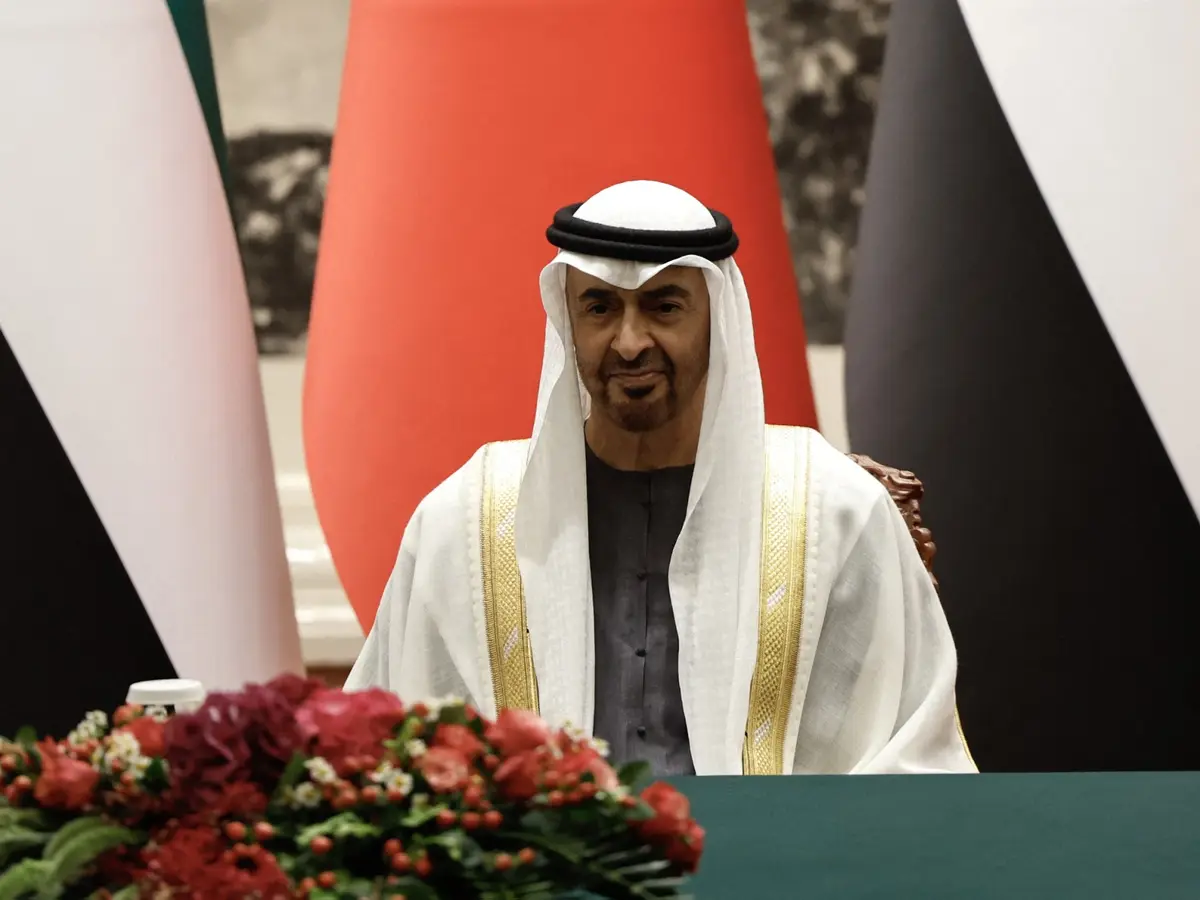
As of 2026, the wealthiest royal in Abu Dhabi is Sheikh Mohamed bin Zayed Al Nahyan (MBZ), the President of the United Arab Emirates and Ruler of Abu Dhabi. While individual personal net worths are closely guarded, the Al Nahyan family's collective fortune is estimated to exceed $305 billion, surpassing the House of Saud to remain the wealthiest royal family globally.
The wealth of the Abu Dhabi royals is not merely a collection of personal liquid assets but a sophisticated tapestry of sovereign wealth fund control, massive international real estate portfolios, and strategic stakes in global industries ranging from aerospace to professional sports. To understand the "net worth" of an Abu Dhabi Sheikh, one must distinguish between the private assets of individual royals and the state-linked investment vehicles they manage, which often function as extensions of the family’s economic influence.
The Al Nahyan Dynasty: A Global Financial Powerhouse
The Al Nahyan family has ruled Abu Dhabi since the late 18th century, but the meteoric rise of their wealth began with the discovery of oil in the 1950s. Under the leadership of the late Sheikh Zayed bin Sultan Al Nahyan, the family transitioned from tribal leadership to managing one of the world's largest hydrocarbon reserves. By 2026, this wealth has been successfully diversified into a post-oil economy, ensuring the family's financial dominance remains resilient against fluctuating energy prices.
The family’s collective wealth is anchored by Abu Dhabi’s control over approximately 6% of the world’s proven oil reserves. However, the true scale of their fortune is reflected in their diversified holdings. The Al Nahyans own some of the most expensive real estate in the world, including significant portions of London’s West End. Their influence extends through various family members who hold key positions in both the government and the most powerful commercial entities in the Middle East.
Sheikh Mohamed bin Zayed Al Nahyan (MBZ): The Architect of Influence
Sheikh Mohamed bin Zayed Al Nahyan, as the head of the family and President of the UAE, sits at the apex of this financial empire. His personal net worth is estimated in the tens of billions, though his primary power comes from his ultimate authority over the emirate’s sovereign wealth funds. MBZ has been the driving force behind Abu Dhabi's aggressive "Vision 2030" and "We the UAE 2031" initiatives, which have funneled billions into technology, renewable energy, and defense.
His wealth is often characterized by the strategic deployment of capital rather than just ostentatious consumption. Under his guidance, Abu Dhabi has become a hub for global diplomacy and finance. He oversees the strategic direction of the Abu Dhabi Investment Authority (ADIA), which manages nearly $1 trillion in assets, ensuring that the royal family’s influence is felt in every major stock market and private equity circle worldwide.
Sheikh Mansour bin Zayed: Sports, Media, and Private Enterprise
While MBZ handles the geopolitical and state-level financial strategy, his brother, Sheikh Mansour bin Zayed Al Nahyan, is perhaps the most publicly visible "wealthy sheikh" in terms of commercial investments. Sheikh Mansour’s personal net worth is estimated at approximately $30 billion to $35 billion.
Sheikh Mansour is the owner of the City Football Group (CFG), which includes Manchester City FC. This investment has transformed a sports team into a multi-billion-dollar global brand with franchises in New York, Melbourne, and Mumbai. Beyond sports, he serves as the Chairman of the Emirates Nuclear Energy Corporation and has significant stakes in Virgin Galactic and various telecommunications firms. His portfolio exemplifies the modern Abu Dhabi royal: a mix of high-profile "soft power" investments and heavy industrial assets.
The Engines of Wealth: Sovereign Wealth Funds and IHC
To quantify the wealth of the Abu Dhabi royals, one must look at the entities they chair. In Abu Dhabi, the line between the "State" and the "Royal Family" is thin, as the ruling family manages the nation's surplus capital.
Abu Dhabi Investment Authority (ADIA)
ADIA is one of the world's largest sovereign wealth funds. Managed by the Al Nahyan family, it acts as a global institutional investor. Its portfolio includes everything from infrastructure in India to technology startups in Silicon Valley. The returns from ADIA provide a perpetual safety net for the emirate and its ruling family.
International Holding Company (IHC)
By 2026, the International Holding Company (IHC) has become the centerpiece of the Al Nahyan family’s commercial power. Chaired by Sheikh Tahnoun bin Zayed Al Nahyan (the UAE’s National Security Adviser), IHC has seen its market capitalization explode, reaching hundreds of billions of dollars. The company has interests in healthcare, agriculture, real estate, and digital banking, effectively consolidating much of the UAE’s private sector under royal family stewardship.
Physical Assets: Real Estate, Yachts, and Private Jets
The "net worth" of the wealthiest Abu Dhabi royals is also visible in their tangible assets, which are among the most luxurious on the planet. These assets serve as both stores of value and symbols of prestige.
- The London Property Portfolio: The Al Nahyan family is often cited as one of the largest landowners in London. Their holdings include the Berkeley Square estate and numerous high-end commercial properties in Mayfair. In 2026, this portfolio is estimated to be worth over £15 billion ($19 billion).
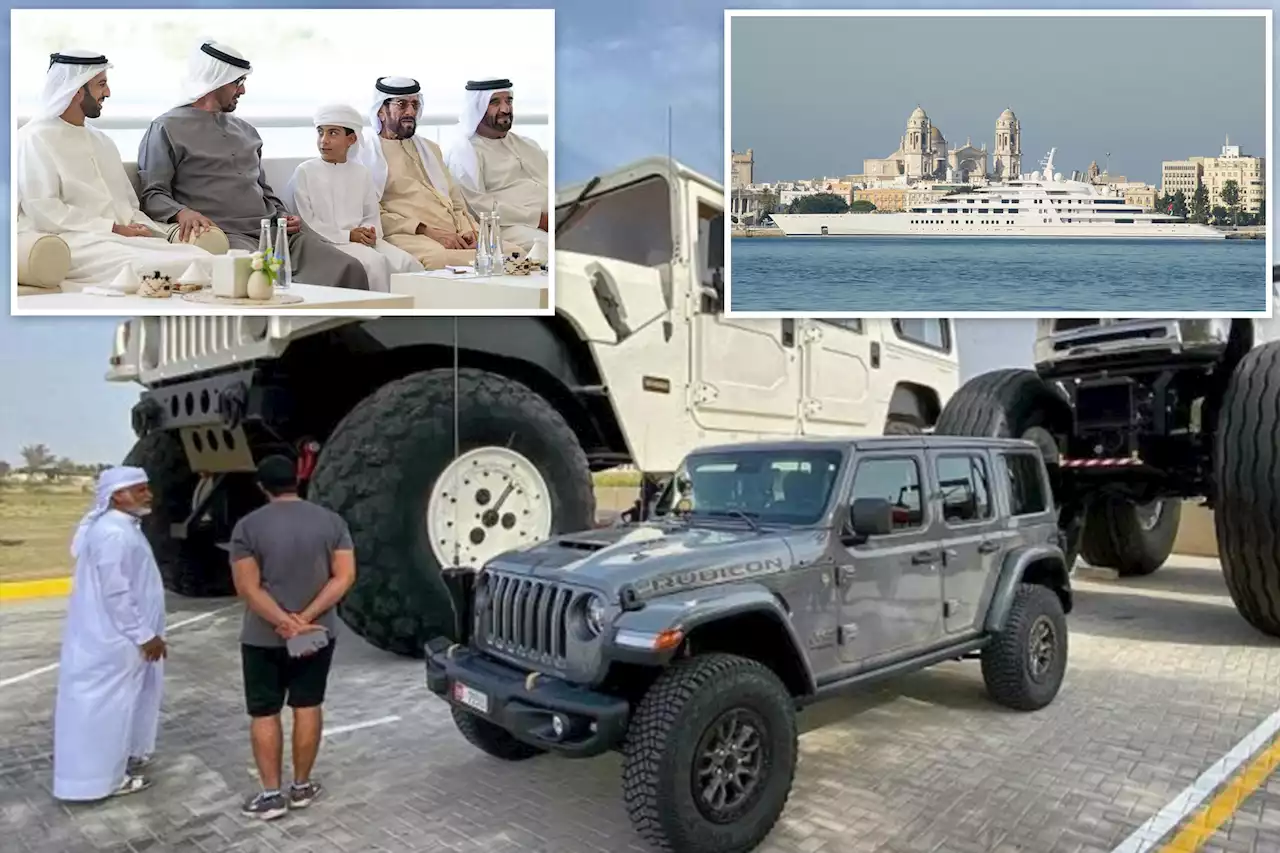
- Superyachts: The family owns several of the world's largest and most expensive yachts. The Azzam, owned by the late Sheikh Khalifa and maintained by the family, is one of the longest private motor yachts in the world, costing an estimated $600 million to build. Sheikh Mansour’s yacht, Blue, is another marvel of marine engineering, valued at upwards of $500 million.
- Private Aviation: The Presidential Flight of Abu Dhabi operates a fleet of Boeing 747s and 787s outfitted with gold-plated interiors, medical suites, and advanced communication hubs, rivaling the "Air Force One" of any superpower.
- Palaces: The Qasr Al Watan (Palace of the Nation) is the primary ceremonial palace, but the family maintains several private residences across the globe, from sprawling estates in Morocco to chateaus in France.
Comparative Analysis of Abu Dhabi Royal Wealth
The following table provides an estimated breakdown of the wealth distribution and asset categories associated with the top tier of the Abu Dhabi royal family as of 2026.
| Entity/Individual | Role | Estimated Net Worth / AUM | Primary Asset Classes |
|---|---|---|---|
| Al Nahyan Family | Ruling House | $305B+ (Collective) | Oil, Real Estate, Global Equities |
| Sheikh Mohamed bin Zayed | President/Ruler | $30B+ (Personal Est.) | Sovereign Control, State Assets |
| Sheikh Mansour bin Zayed | Deputy PM/Owner CFG | $30B - $35B | Sports (Man City), Media, Tech |
| Sheikh Tahnoun bin Zayed | National Security/IHC | $20B+ (Personal Est.) | IHC, ADQ, AI & Defense |
| ADIA | Sovereign Fund | ~$990B (AUM) | Global Diversified Portfolio |
| Mubadala | Investment Co. | ~$300B (AUM) | Aerospace, Semiconductors, Health |
Economic Diversification and the Future of the Royal Fortune
The sustainability of the Abu Dhabi Sheikhs' net worth is tied to their ability to transition away from oil. By 2026, the UAE has made significant strides in this area. The wealth is increasingly being funneled into:
- Artificial Intelligence: Through entities like G42, Abu Dhabi is positioning itself as a global leader in AI and cloud computing.
- Green Energy: Masdar, the renewable energy flagship, has expanded its footprint to over 40 countries, ensuring the Al Nahyans remain "energy kings" even in a carbon-neutral world.
- Space Exploration: Strategic investments in space technology and satellite communications have turned the UAE into a space-faring nation, opening new frontiers for capital growth.
This transition is crucial because it moves the family's wealth from "extractive" (oil) to "generative" (tech and services), which historically leads to higher valuation multiples and more stable long-term net worth.
Frequently Asked Questions
Who is the richest sheikh in Abu Dhabi?
Sheikh Mohamed bin Zayed Al Nahyan (MBZ) is considered the wealthiest in terms of overall power and control over the state’s multi-trillion-dollar assets. However, in terms of personal commercial success and liquid assets, Sheikh Mansour bin Zayed is frequently cited as one of the wealthiest individuals due to his vast international business portfolio.
How does the Abu Dhabi royal family's wealth compare to the British royals?
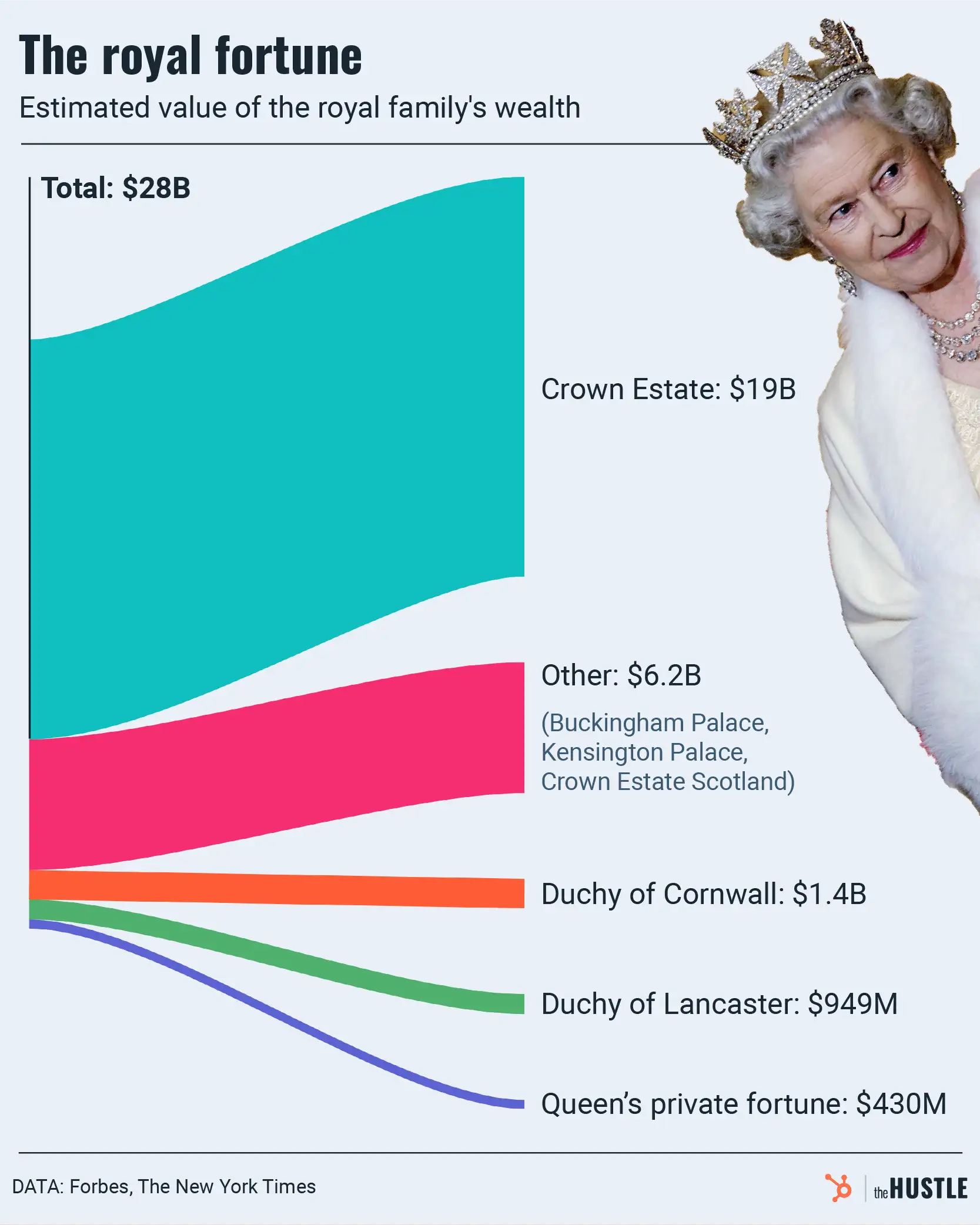
The Al Nahyan family's wealth significantly dwarfs that of the British Royal Family. While King Charles III's personal fortune is estimated in the hundreds of millions, the Al Nahyan family's collective wealth exceeds $300 billion. The difference lies in the Abu Dhabi royals' direct ownership and control over national resources and sovereign investment funds.
What is the source of the Abu Dhabi sheikhs' wealth?
The primary source is the export of crude oil and natural gas. However, for decades, they have reinvested these profits into global stocks, real estate, and diversified industries through sovereign wealth funds like ADIA and Mubadala, which now generate substantial independent income.
Do the sheikhs pay taxes on their wealth?
As rulers of an absolute monarchy, the Al Nahyan family members are not subject to personal income tax in the UAE. However, their international investments (such as real estate in the UK or businesses in the US) are subject to the tax laws of those specific jurisdictions, though they often use complex corporate structures for tax optimization.
Does the royal family own Manchester City?
Sheikh Mansour bin Zayed Al Nahyan personally owns the majority stake in the City Football Group, which owns Manchester City FC. This is a private investment, though it is often viewed as a "soft power" tool that benefits the global image of Abu Dhabi.
Strategic Financial Context for 2026
When evaluating the net worth of an Abu Dhabi Sheikh, it is essential to look beyond the "billionaire" labels found in Western media. Their wealth is a tool of statecraft. In 2026, the primary recommendation for those monitoring Middle Eastern wealth is to track the International Holding Company (IHC) and ADQ. These entities have become the modern vehicles for royal wealth, moving away from traditional oil-based growth toward a vertically integrated economy that controls everything from the food supply to the digital infrastructure of the region.
Tracking these corporate entities provides a more accurate picture of the family's financial health than looking at individual bank accounts. As the global economy continues to shift toward AI and sustainable energy, the Al Nahyans have positioned themselves not just as owners of capital, but as the architects of the infrastructure that will define the mid-21st century.