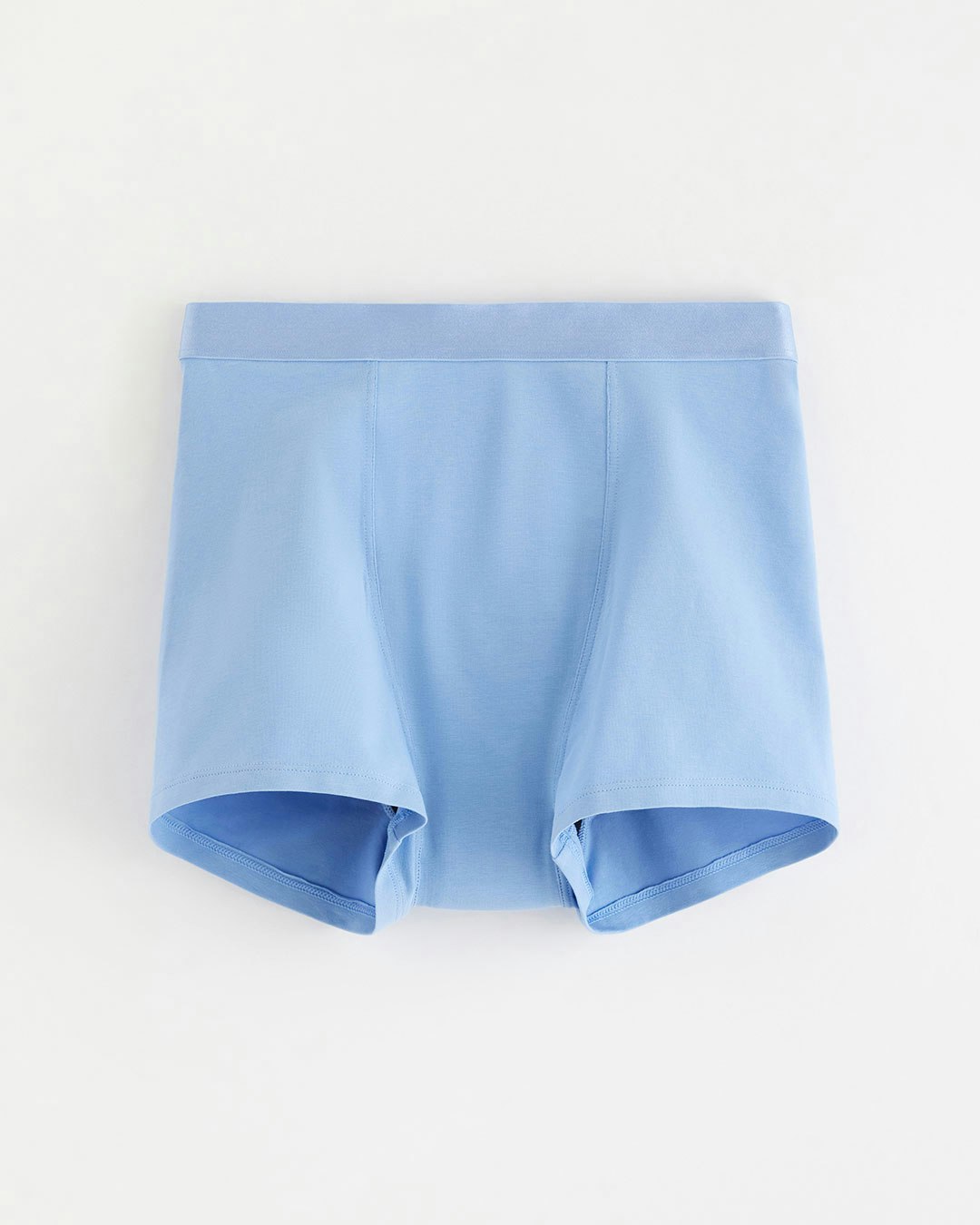
Absorptive panties utilize advanced textile engineering to trap and contain fluids such as menstrual blood, light urine leakage, and sweat. These garments feature a multi-layered gusset that wicks moisture away from the skin, absorbs it into a central core, and prevents leaks using a waterproof barrier, offering a sustainable alternative to disposable products.
The Science of Dryness: How Absorptive Panties Work
The primary innovation behind absorptive panties lies in their multi-layered gusset construction. Unlike traditional underwear, which consists of a single layer of fabric, these garments integrate three to four distinct functional layers designed to manage fluid dynamics efficiently. As of 2026, improvements in textile density have allowed these layers to become thinner while increasing their total fluid capacity.
The first layer, positioned directly against the skin, is the moisture-wicking layer. Usually made from a blend of polyester or specially treated cotton, this layer uses capillary action to pull moisture away from the surface and into the inner layers. This ensures the wearer feels dry, reducing the risk of skin irritation and bacterial growth. Many high-end brands also infuse this layer with antimicrobial treatments, such as silver ions or copper, to neutralize odors at the source.
The second section is the absorbent core. This is the "engine" of the panty. It typically consists of microfiber, terry cloth, or newer bio-based super-absorbent polymers that can hold several times their weight in liquid. In 2026, we see a shift toward sustainable bamboo charcoal and hemp-based cores, which provide high absorbency without the bulk associated with older synthetic models. This layer is responsible for locking the fluid in place so it does not leak back toward the skin when the wearer sits or moves.
The final layer is the leak-proof barrier. This is a breathable but waterproof laminate, often made of Thermoplastic Polyurethane (TPU) or Polyurethane Laminate (PUL). This membrane has microscopic pores that are small enough to block liquid molecules but large enough to allow air vapor to pass through. This breathability is crucial; it prevents the "greenhouse effect" often associated with plastic-backed disposable pads, which can lead to discomfort and yeast infections.
Who Can Benefit from Absorptive Underwear?
The utility of absorptive panties extends far beyond a single demographic. As the technology has matured, specialized designs have emerged to address specific physiological needs across different life stages.
Menstruating Individuals
For those managing a period, absorptive panties serve as either a standalone solution or a backup to tampons and menstrual cups. They are particularly beneficial for teenagers who may be uncomfortable with internal products or those with irregular cycles who want daily "just-in-case" protection. Heavy-flow models are now capable of holding the equivalent of four to five regular tampons, making them viable for overnight use and long work shifts.
Individuals with Light Bladder Leakage (LBL)
Urinary incontinence affects millions, often resulting from pregnancy, childbirth, menopause, or pelvic floor dysfunction. According to the Mayo Clinic, stress incontinence—leakage during coughing, sneezing, or exercising—is a common concern. Absorptive panties provide a discreet, non-bulky way to manage LBL without the psychological stigma or physical discomfort of "adult diapers."
Postpartum Recovery
The weeks following childbirth involve significant physical transition, including the management of lochia (postpartum bleeding). Traditional pads can be abrasive against sensitive tissues or surgical sites. High-waisted absorptive panties offer gentle compression and reliable coverage, allowing new parents to focus on recovery and infant care without constant trips to the bathroom to change disposable products.
Athletes and Active Lifestyles
Intense physical activity often leads to significant sweat accumulation in the pelvic region, which can cause chafing and odor. Performance-grade absorptive panties are designed to manage "crotch sweat" specifically. By wicking moisture rapidly, they prevent the skin-on-skin friction that leads to exercise-induced dermatitis.
Critical Selection Criteria: What to Look For
When shopping for absorptive panties in 2026, consumers must look beyond aesthetics to ensure the garment meets their specific functional requirements. Not all "period underwear" is created equal, and the wrong choice can lead to leaks or skin sensitivity.
Absorbency Ratings and Equivalency
Most reputable brands categorize their products by flow level: Light, Medium, Heavy, and Super/Overnight. It is essential to look for the "tampon equivalent" or "milliliter capacity." A "Light" panty usually holds 1–2 tampons (5–10ml) of fluid, while an "Overnight" model may hold up to 50ml. If you are using these for LBL, ensure the brand specifies that the core can handle the rapid gush of urine, which has a different viscosity than menstrual blood.
Fabric Composition and Safety
Safety has become a paramount concern in the textile industry. Historically, some brands faced scrutiny over the use of PFAS (per- and polyfluoroalkyl substances) for waterproofing. In 2026, high-quality absorptive panties should be certified PFAS-free. Look for the OEKO-TEX Standard 100 label, which ensures that every component of the garment, from the thread to the waterproof membrane, has been tested for harmful substances. Natural fibers like organic cotton and Tencel are preferred for the outer shell to ensure maximum skin breathability.
Gusset Length and Coverage
The "gusset" is the functional area where the absorption layers are sewn. For side-sleepers or those with heavy flows, a gusset that extends all the way to the back waistband is non-negotiable. Many "budget" options only include a small absorbent patch in the center, which is insufficient for preventing leaks when lying down.
Comparison of Protection Methods
| Feature | Absorptive Panties | Disposable Pads | Tampons | Menstrual Cups |
|---|---|---|---|---|
| Primary Material | Fabric & TPU | Cotton/Plastic/SAP | Cotton/Rayon | Medical Grade Silicone |
| Reusability | 2–5 Years | Single Use | Single Use | 5–10 Years |
| Learning Curve | Very Low | Low | Moderate | High |
| Odor Control | High (with antimicrobial) | Moderate | Moderate | High |
| Environmental Impact | Low | High | High | Very Low |
| Upfront Cost | $25 – $50 per pair | $5 – $10 per pack | $7 – $12 per box | $30 – $40 |
Maintenance and Longevity: How to Care for Your Investment
To maintain the efficacy of the absorbent core and the integrity of the waterproof barrier, specific laundering protocols must be followed. Improper care is the leading cause of premature failure in absorptive garments.
- Rinse Immediately: After use, rinse the panties in cold water until the water runs clear. This prevents stains from setting and keeps the absorbent core from becoming "clogged" with dried protein.
- Avoid Fabric Softeners: This is the most critical rule. Fabric softeners work by coating fibers in a thin layer of wax or oil to make them feel soft. This coating destroys the moisture-wicking capabilities of the top layer, causing fluid to "bead up" and roll off the panty instead of soaking in.
- Use Gentle Detergents: Avoid bleach or harsh stain removers. Use a standard liquid detergent. Some users prefer specialty "sport" washes designed to break down organic odors.
- Air Dry Only: While some 2026 models are marketed as "dryer safe" on low heat, air drying is still the best practice. High heat can warp the TPU waterproof membrane, leading to cracks and eventual leaking.
Sustainability and Economic Impact
While the initial cost of a "cycle set" (typically 5–7 pairs) can be significant, ranging from $150 to $300, the long-term savings are substantial. The average person spends approximately $150 to $200 annually on disposable period or incontinence products. Absorptive panties typically last for 50 to 100 washes. When cared for properly, a set can last three years or more, effectively paying for itself within the first 18 months.
From an environmental perspective, the impact is even more profound. Disposable pads and tampons contribute to millions of tons of landfill waste globally. Most disposable pads contain up to 90% plastic, which can take up to 500 years to decompose. Switching to reusable absorptive panties significantly reduces an individual's plastic footprint and prevents the chemical runoff associated with the mass production of bleached paper products.
Frequently Asked Questions
Do absorptive panties feel like wearing a diaper?
Modern absorptive panties are designed to be indistinguishable from regular underwear in terms of thickness. While heavy-duty or overnight models are slightly thicker than a standard cotton brief, the "crinkle" and bulk associated with older technology or disposable adult diapers have been eliminated through the use of ultra-thin TPU laminates and high-density microfibers.
Can I wear them all day without them smelling?
Yes, provided you choose the correct absorbency for your flow. Most quality brands incorporate antimicrobial treatments that inhibit the growth of odor-causing bacteria. Unlike disposable pads, which trap moisture against the skin and create a stagnant environment, the breathable layers of absorptive panties allow for air circulation, which naturally minimizes odor.
Are they safe to wear during intense exercise?
Absorptive panties are excellent for exercise. They are designed to stay in place better than a disposable pad, which can shift or "bunch" during movement. The moisture-wicking top layer is particularly effective at managing both sweat and light bladder leakage during high-impact activities like running or jumping.
How many pairs do I actually need?
For a standard menstrual cycle, a "rotational set" of five to seven pairs is recommended. This allows you to wear two pairs per 24 hours (one for day, one for night) while leaving time for the used pairs to be washed and air-dried. If using them for daily LBL, a set of seven to ten pairs ensures you always have a fresh pair available without needing to do laundry every day.
Can they handle a "gush" of fluid?
Most modern designs feature a "stay-dry" top layer specifically engineered to handle sudden surges. However, if the volume of the gush exceeds the total capacity of the absorbent core, or if the fluid hits the fabric too fast for the wicking layer to process, there is a minor risk of overflow. For those with very heavy "flooding" episodes, choosing a high-coverage heavy-flow model is essential.
Next Steps for New Users
If you are transitioning to absorptive panties, the most effective strategy is the "At-Home Test." Purchase one or two pairs of medium-absorbency briefs and wear them on a day when you are at home. This allows you to gauge how your specific flow interacts with the garment without the stress of being in public.
Once you have determined the correct absorbency and fit, look for "bundle deals" often offered by major retailers in 2026 to build out your full collection. Prioritize brands that offer a 30-day or 60-day "risk-free" trial, as sizing can vary significantly between manufacturers. By investing in high-quality, PFAS-free garments and adhering to a strict cold-water wash routine, you can enjoy years of comfortable, sustainable, and reliable protection.