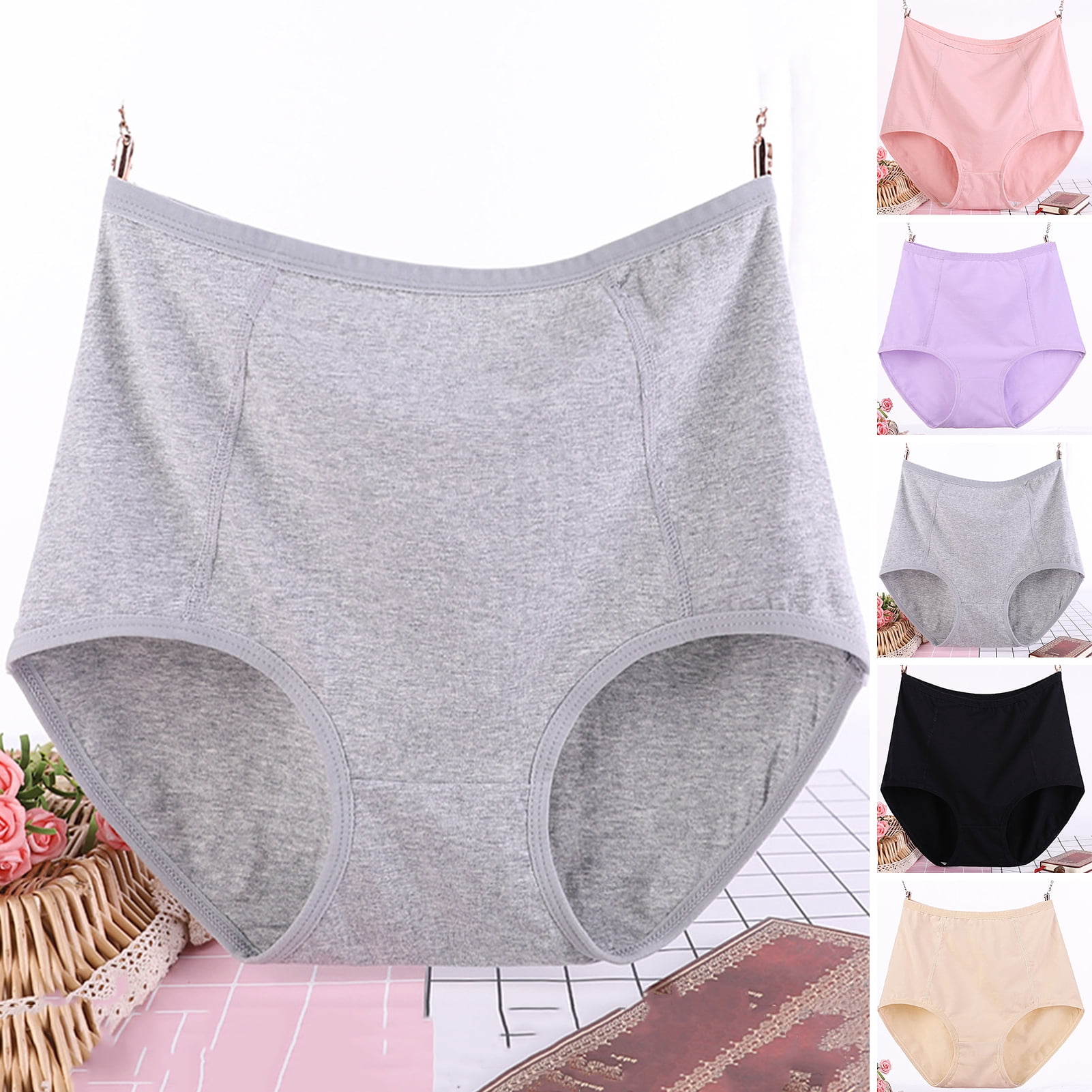
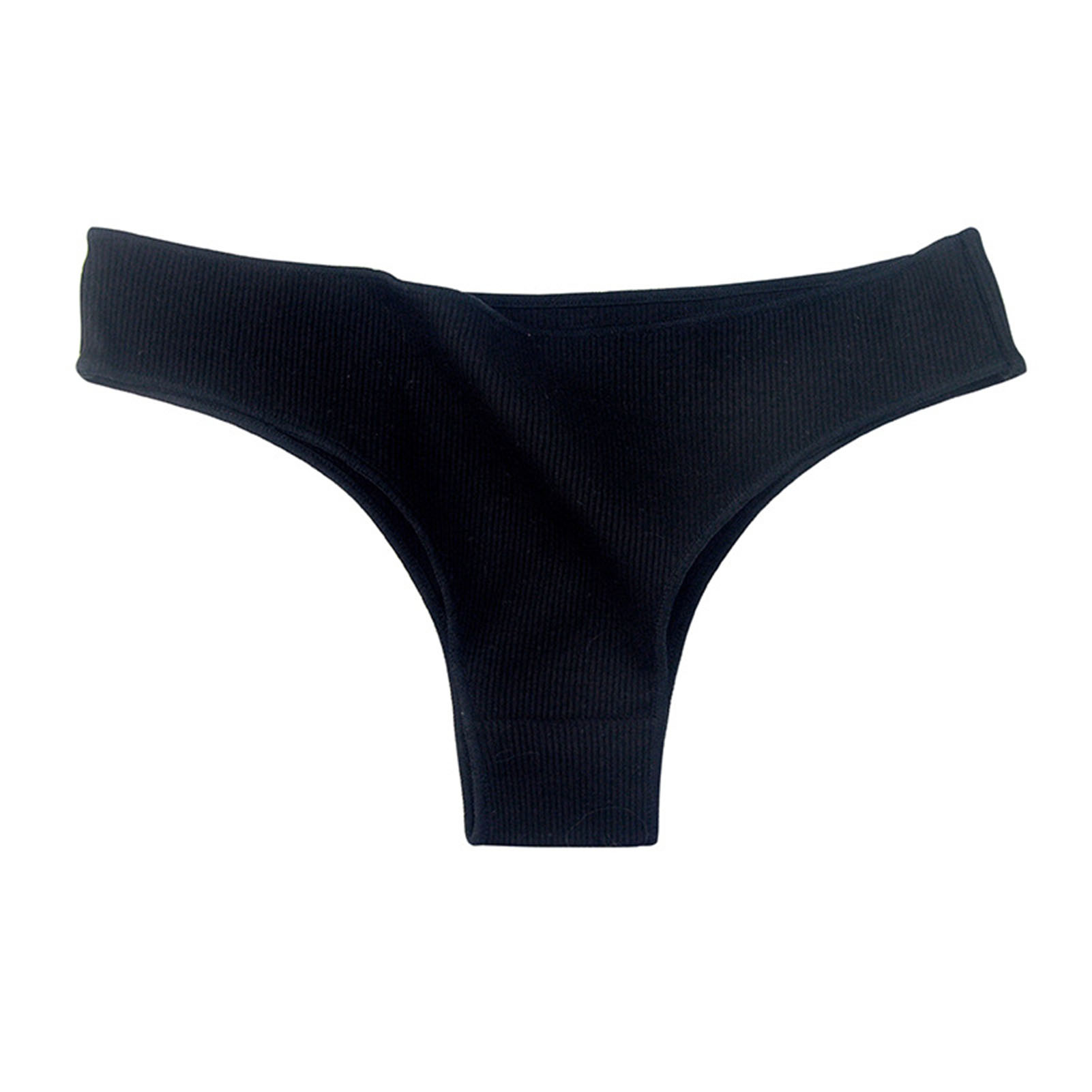
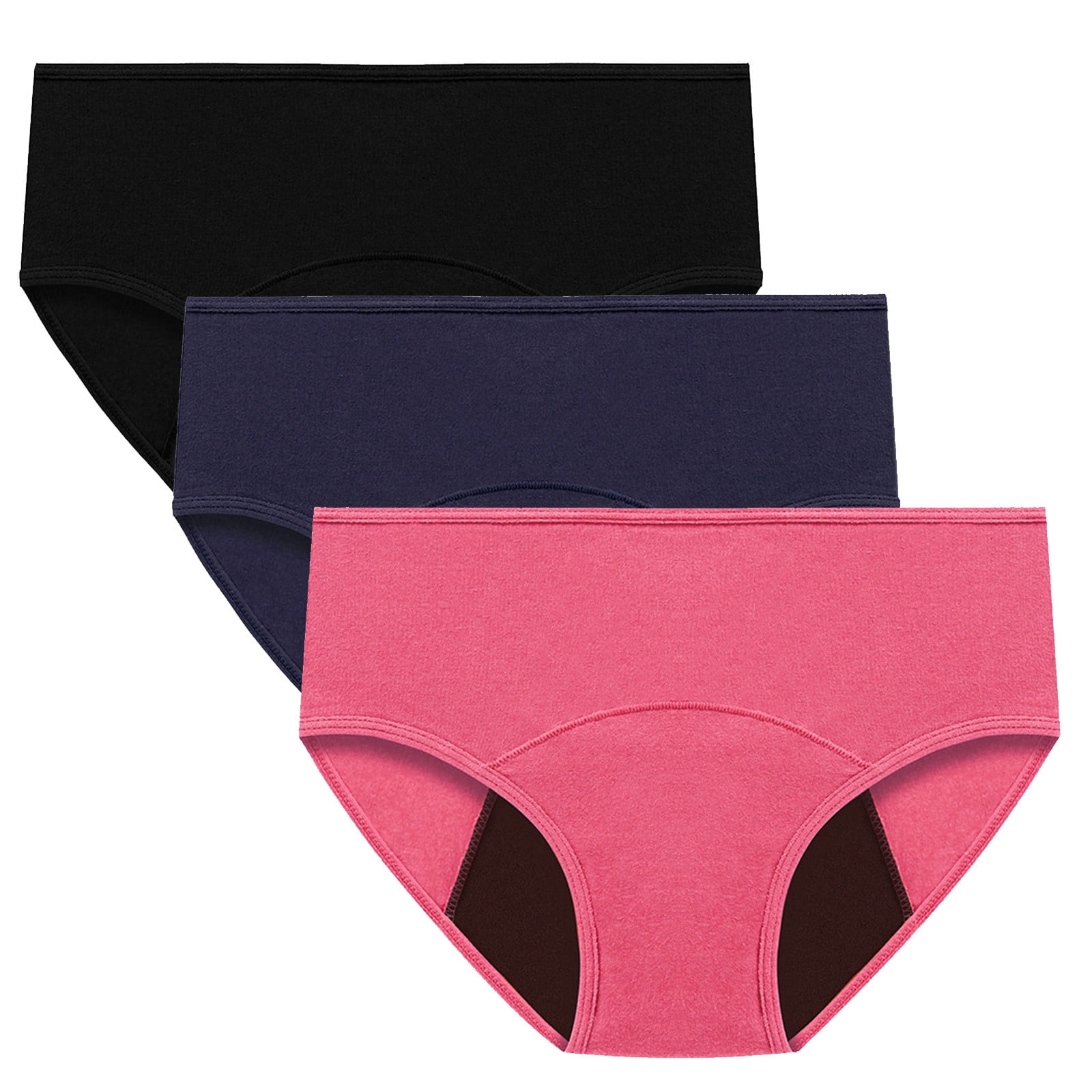
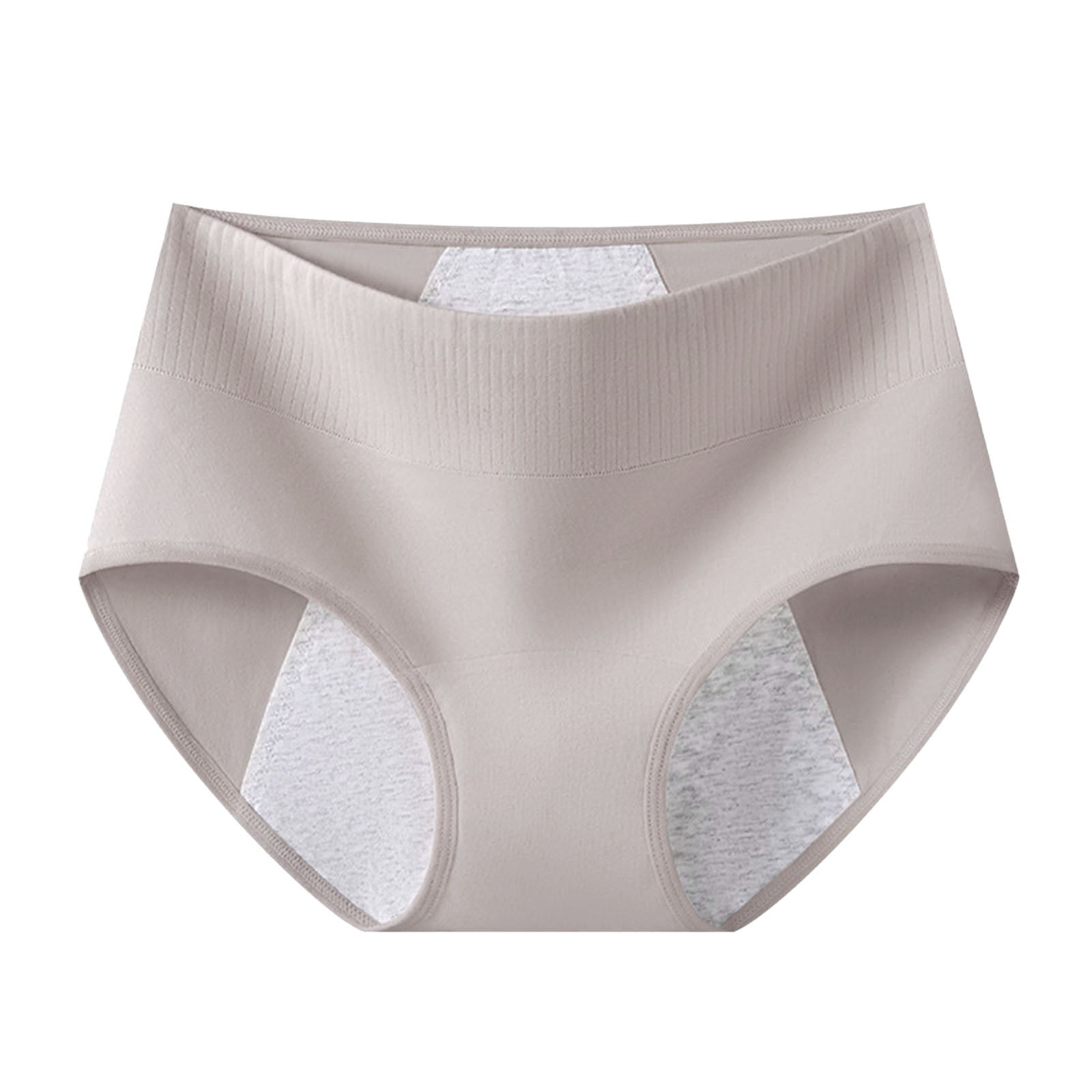
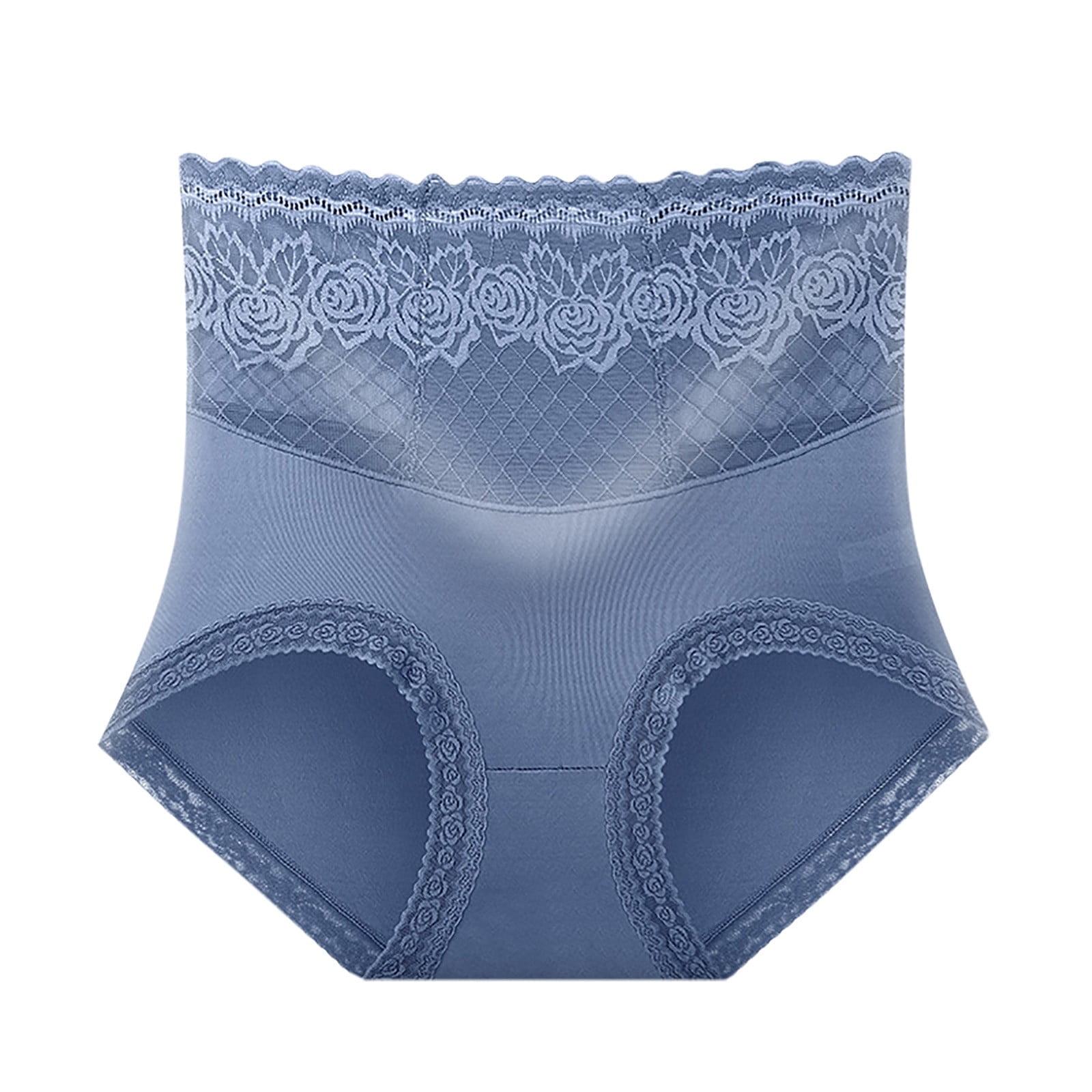
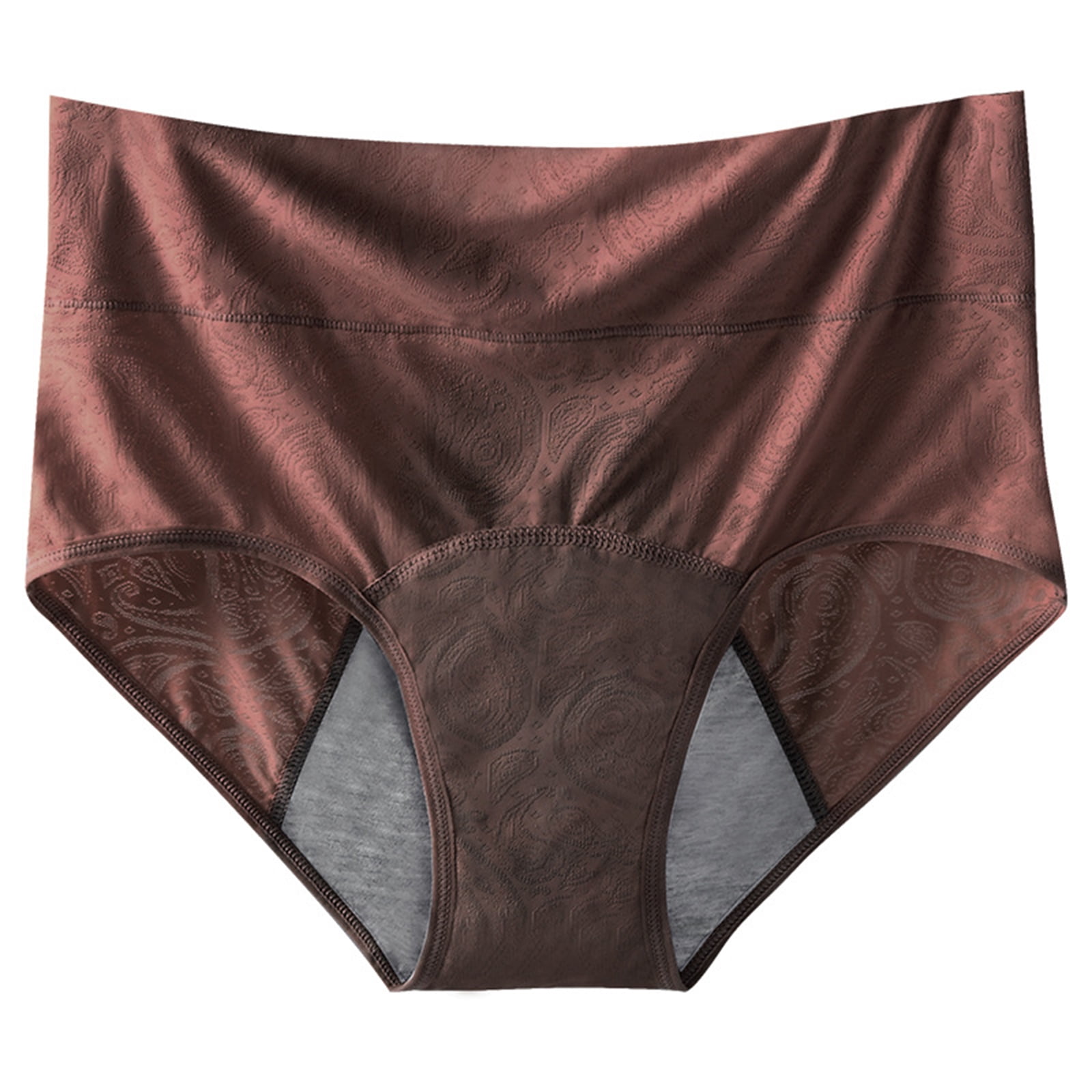
Absorptive panties are specialized undergarments designed with integrated textile technology to absorb fluids, such as menstrual blood, light bladder leaks, or sweat, while remaining dry and leak-proof. They serve as a sustainable, reusable alternative or supplement to disposable hygiene products, utilizing a multi-layered construction to manage moisture effectively without the bulk of traditional pads.
The Evolution and Construction of Absorptive Panties
By 2026, the landscape of personal hygiene has shifted significantly toward reusable solutions. Absorptive panties, once a niche product, are now a primary choice for managing menstruation and light incontinence. Unlike early iterations that were often criticized for being bulky or "crinkly," modern versions utilize advanced textile engineering to provide a profile nearly identical to standard underwear.
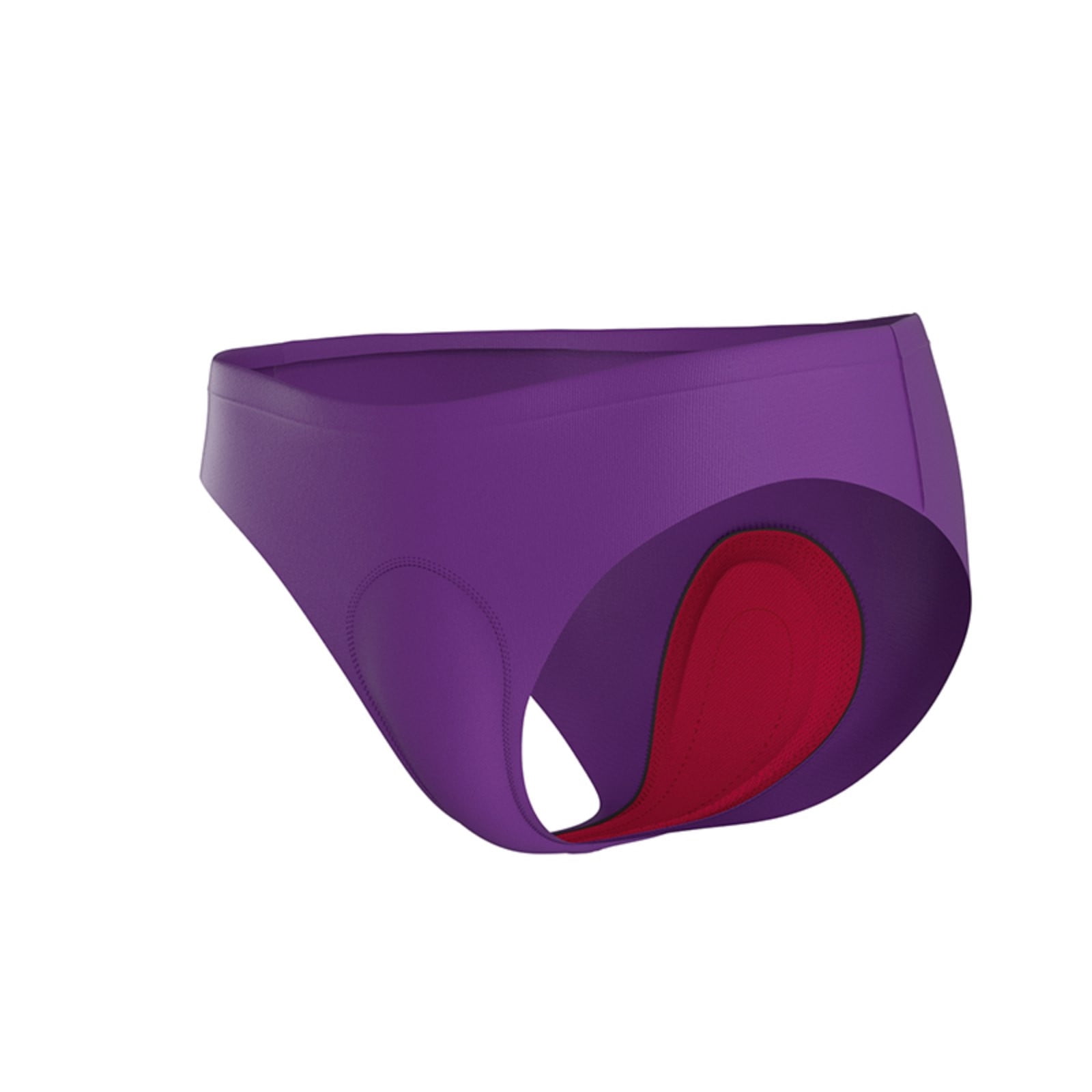
The core functionality of these garments relies on a four-layer technical stack. Understanding these layers is essential for users to manage their expectations regarding performance and comfort.
- The Moisture-Wicking Layer: This is the top layer in direct contact with the skin. Usually made from polyester blends, merino wool, or treated cotton, its primary job is to move liquid away from the body instantly. This prevents the "wet" feeling associated with traditional disposable pads and helps reduce skin irritation and chafing.
- The Absorbent Core: This middle layer is the engine of the garment. It typically consists of microfiber or specially woven cotton Terry that can hold anywhere from one to five tampons' worth of fluid. In high-performance models, this layer is treated with antimicrobial finishes to suppress the growth of odor-causing bacteria.
- The Leak-Resistant Barrier: Positioned beneath the absorbent core, this layer is often made of Polyurethane Laminate (PUL) or Thermoplastic Polyurethane (TPU). It is a breathable yet waterproof membrane that prevents liquid from seeping through to outer clothing while allowing heat and vapor to escape, reducing the risk of yeast infections.
- The Outer Fashion Layer: The outermost fabric is what gives the panty its aesthetic appeal. It is usually a blend of nylon, spandex, or organic cotton, providing the stretch and recovery needed for a secure fit.
Primary Use Cases: More Than Just Period Protection
While often referred to as "period underwear," the utility of absorptive panties extends into several different areas of health and wellness. The versatility of these garments has led to their adoption across various demographics.
Menstrual Management
For most users, these panties act as a replacement for pads, tampons, or menstrual cups. They are particularly effective for people with irregular cycles or those who experience "spotting" between periods. Many users prefer wearing them at night to prevent bedsheet stains, as the absorbent gusset often extends higher up the back than a standard disposable pad.
Postpartum Recovery
The weeks following childbirth involve significant physical transition, including lochia (post-birth bleeding). Absorptive panties provide a softer, non-adhesive option for recovering bodies, avoiding the irritation that plastic-backed disposables can cause to sensitive skin or incision sites.
Light Bladder Leakage (LBL)
Incontinence affects millions, often triggered by sneezing, coughing, or exercise (stress incontinence). Absorptive panties designed for LBL focus on rapid absorption of thinner fluids (urine vs. blood) and prioritize high-performance odor neutralization. They offer a more discreet and dignified alternative to adult diapers for those with mild to moderate leakage.
Fitness and Hyperhidrosis
Athletes frequently use light-absorbency versions to manage sweat during high-intensity interval training or long-distance running. This prevents "swampiness" and reduces the risk of fungal infections in the pelvic region.
Comparing Absorptive Panties to Traditional Methods
Choosing the right hygiene method involves balancing cost, environmental impact, and convenience. The following table provides a comparison based on 2026 market standards and environmental data.
| Feature | Absorptive Panties | Disposable Pads | Tampons | Menstrual Cups |
|---|---|---|---|---|
| Primary Material | Technical Textiles | Cotton/Plastic/SAP | Cotton/Rayon | Medical Grade Silicone |
| Reusability | Yes (2–5 years) | No (Single use) | No (Single use) | Yes (Up to 10 years) |
| Learning Curve | Low | Low | Moderate | High |
| Environmental Impact | Low (Washable) | High (Landfill) | High (Landfill) | Low (Reusable) |
| Initial Cost | High ($20–$45) | Low ($5–$15) | Low ($7–$12) | Moderate ($25–$40) |
| Long-term Cost | Lowest | Highest | High | Lowest |
| Risk of TSS | Negligible | Low | Moderate | Low |
Health and Safety: PFAS and Material Standards
A critical development in the history of absorptive panties was the scrutiny regarding "forever chemicals" (PFAS) used in moisture-wicking coatings. By 2026, the industry has largely adopted stringent third-party certifications. When purchasing, consumers should look for the Oeko-Tex Standard 100 or bluesign certifications, which verify that the textiles are free from harmful levels of over 100 substances, including PFAS, lead, and phthalates.
Furthermore, the breathability of the leak-proof membrane is a health factor. Unlike plastic-backed disposables, which can create a humid environment conducive to bacterial overgrowth, quality absorptive panties use semi-permeable membranes. This allows for air circulation, which is vital for maintaining a healthy vaginal pH and preventing contact dermatitis.
Proper Maintenance for Longevity and Hygiene
The lifespan of an absorptive garment is heavily dependent on how it is laundered. Improper care can lead to the buildup of odors or the degradation of the waterproof barrier.
The Three-Step Wash Cycle
- The Cold Rinse: Immediately after wear, or before putting them in the machine, rinse the panties in cold water until the water runs clear. Never use hot water for this step, as heat can "set" protein-based stains like blood, making them permanent.
- The Machine Wash: Use a delicate or normal cycle with cold water. It is highly recommended to use a mesh laundry bag to prevent the delicate outer fabrics from snagging on zippers or hooks from other clothing.
- The Detergent Choice: Use standard liquid detergent, but strictly avoid fabric softeners and bleach. Fabric softeners coat the technical fibers in a waxy film, which drastically reduces their ability to absorb fluid. Bleach will eventually break down the PUL/TPU waterproof layer.
Drying Procedures
Air drying is the gold standard for absorptive panties. Hang them in a well-ventilated area. While some brands in 2026 claim to be "dryer safe" on low heat, consistent exposure to high heat will cause the waterproof membrane to crack or delaminate over time. Because of the multi-layered gusset, these garments take longer to dry than standard underwear—usually 12 to 24 hours depending on humidity.
Selecting the Right Absorbency and Style
Not all absorptive panties are created equal. Manufacturers categorize them by "flow" levels, which correlate to the volume of liquid the gusset can hold.
- Light/Thong Styles: These usually hold about 5–10ml (roughly 1 tampon). They are best for the tail-end of a period, daily discharge, or as a backup to a menstrual cup.
- Medium/Moderate: Holding 15–20ml (2 tampons), these are suitable for average flow days or light bladder leaks during exercise.
- Heavy/Super/Overnight: These can hold 30–50ml (4–5 tampons). The absorbent zone often extends from the front waistband to the back waistband to prevent leaks while lying down.
When choosing a size, it is often recommended to stay true to your standard underwear size. A snug fit is necessary to ensure the gusset stays in close contact with the body, which prevents side-leaking. However, it should not be so tight that it restricts circulation or causes discomfort.
Frequently Asked Questions
Do absorptive panties smell after wearing them all day?
No, provided they are constructed with high-quality materials. Most reputable brands incorporate silver-ion or copper-based antimicrobial treatments into the absorbent layers to inhibit the growth of bacteria. Because the moisture-wicking layer keeps the surface dry, the fluid is trapped inside the core where it cannot oxidize as easily, which is the primary cause of odor in traditional pads.
Can I wear them for a whole day during a heavy flow?
It depends on the specific capacity of the panty and your individual flow volume. For many, a "heavy-absorbency" pair can last a full 8–12 hour day. However, those with exceptionally heavy cycles (menorrhagia) may need to change them mid-day or use them as a backup to a cup or tampon. It is best to test a pair at home first to gauge how long they last for your specific needs.
Are absorptive panties safe to wear every day?
Yes, they are safe for daily use. Many people wear light-absorbency versions daily to manage sweat or discharge. Because they are primarily made of breathable fabrics like cotton or modal, they are generally better for skin health than using daily disposable liners, which can trap moisture and cause irritation.
How long do they last before they need to be replaced?
Most high-quality absorptive panties are rated for 50 to 100 washes. For the average user who has a "rotation" of several pairs, this equates to roughly 2 to 4 years of use. You will know it is time to replace them if you notice the absorption speed slowing down or if the outer fabric begins to show signs of leaking.
Can they handle blood clots?
The moisture-wicking top layer is designed to pull in liquid. Thick blood clots may sit on the surface of the fabric. Most users simply wipe the clot away with toilet paper when using the bathroom; the remaining liquid will then be absorbed into the core.
Moving Toward a Sustainable Hygiene Routine
Transitioning to absorptive panties does not have to be an "all or nothing" decision. Many users begin by wearing them on light days or at night to gain confidence in the technology. Given the average cost of $25 per pair and a lifespan of three years, a set of five to seven pairs typically pays for itself within 12 to 18 months when compared to the ongoing cost of disposables.
Beyond the financial aspect, the reduction in plastic waste is significant. By opting for reusable textiles, an individual can prevent thousands of disposable products from entering the waste stream. For those looking to start, the best next step is to purchase a single pair in a "moderate" absorbency to test during a day spent at home, allowing for a stress-free evaluation of the garment's capacity and comfort.