An Abraham tattoo serves as a profound symbol of unwavering faith, divine promise, and the complex intersection of sacrifice and obedience. Representing the patriarch of the three major monotheistic religions, these designs often incorporate elements like the sacrificial altar, the night sky filled with stars, or classical portraiture to honor a legacy of spiritual devotion and fatherhood.
The Profound Symbolism of the Patriarch Abraham
Choosing a tattoo inspired by Abraham—the figure known as Ibrahim in Islam and Avraham in Judaism—is rarely a purely aesthetic decision. It is an exploration of one’s foundational values. In the cultural landscape of 2026, where many seek "ancestral anchoring" amid rapid technological change, the figure of Abraham remains a bedrock of identity and spiritual resilience.
The Ultimate Test: Faith and Obedience
The most dominant theme associated with Abraham is his absolute obedience to a higher calling. Whether it is the call to leave his father's house (Lech Lecha) or the harrowing command to sacrifice his son, Abraham’s narrative is defined by movement toward the unknown. A tattoo representing this theme often focuses on the "Binding" (the Akedah), symbolizing the wearer's willingness to trust a divine or moral path even when it requires personal cost. It reflects a mindset where conviction outweighs comfort.
The Covenant and the Infinite Legacy
In the biblical narrative, God promises Abraham that his descendants will be as numerous as the stars in the sky. This "Covenant" makes Abraham the ultimate symbol of fatherhood and legacy. For many, an Abraham-themed tattoo is a tribute to their own children or a reminder of their role in a larger historical and spiritual chain. It represents the idea that one’s actions today resonate through generations yet to be born.
Radical Hospitality
Abraham is also celebrated for his hospitality, famously welcoming three strangers into his tent under the Oaks of Mamre. This aspect of his character symbolizes openness, kindness, and the recognition of the sacred in every human interaction. Individuals who value community, service, and the "open door" policy of the heart often choose motifs like the oak tree or the open tent to represent this gentler side of the patriarch.
Popular Design Motifs and Their Contextual Significance
When translating these deep meanings into visual art, several specific motifs have emerged as favorites in the tattoo community. These designs vary from literal depictions of scriptural scenes to abstract representations of the promises made to the patriarch.
The Stars of the Covenant
One of the most aesthetically pleasing and versatile design ideas is the "Starry Sky." Genesis 15:5 describes Abraham being told to look toward heaven and count the stars. In 2026, fine-line and micro-realism techniques allow for breathtaking depictions of galaxies and constellations. This design is often chosen for its subtlety; it doesn't look like a religious icon at first glance, but for the wearer, it represents infinite potential and the fulfillment of promises.
The Ram in the Thicket
For those who want to represent the concept of "the substitute" or divine intervention, the ram is a powerful image. In the story of the sacrifice, a ram appears in a thicket to be sacrificed in place of the son. This symbol represents grace, the end of suffering, and the idea that "God will provide." Artistically, this is often rendered in a Neo-Traditional style with bold lines or a dark illustrative style emphasizing the horns and the tangled branches.
Classical Portraiture (The Renaissance Style)
Many people opt for a portrait of Abraham himself. These are frequently inspired by the works of Old Masters like Rembrandt or Caravaggio. These tattoos usually depict an elderly man with a flowing beard and eyes that convey a mixture of weariness, wisdom, and intensity. This style requires a highly skilled realism artist to capture the texture of the skin and the "soul" in the eyes, making it a centerpiece for a sleeve or a back piece.
Stylistic Approaches to Abraham Tattoos
The "how" of the tattoo is just as important as the "what." The artistic style you choose will dictate the tone of the piece—whether it feels like an ancient relic or a modern manifesto.
- Black and Grey Realism: This is the gold standard for religious and historical tattoos. The use of shadows and light (chiaroscuro) creates a sense of gravitas and timelessness. It is particularly effective for depicting stone-like textures for altars or the weathered face of a patriarch.
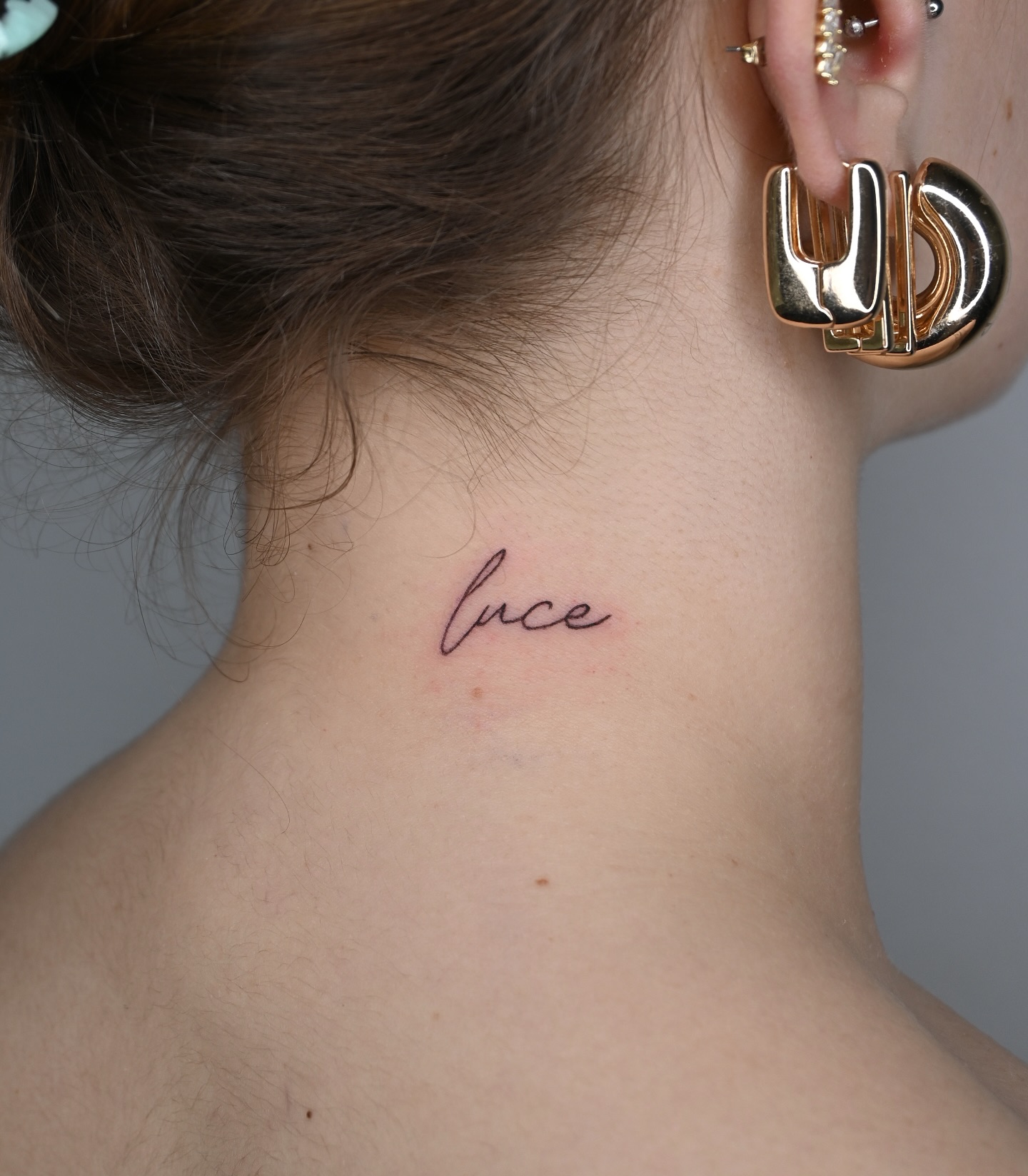
- Minimalist Line Work: For those who prefer modern aesthetics, a single-line drawing of a mountain (Mount Moriah) or a minimalist outline of a knife and an olive branch can be deeply meaningful without being visually overwhelming.
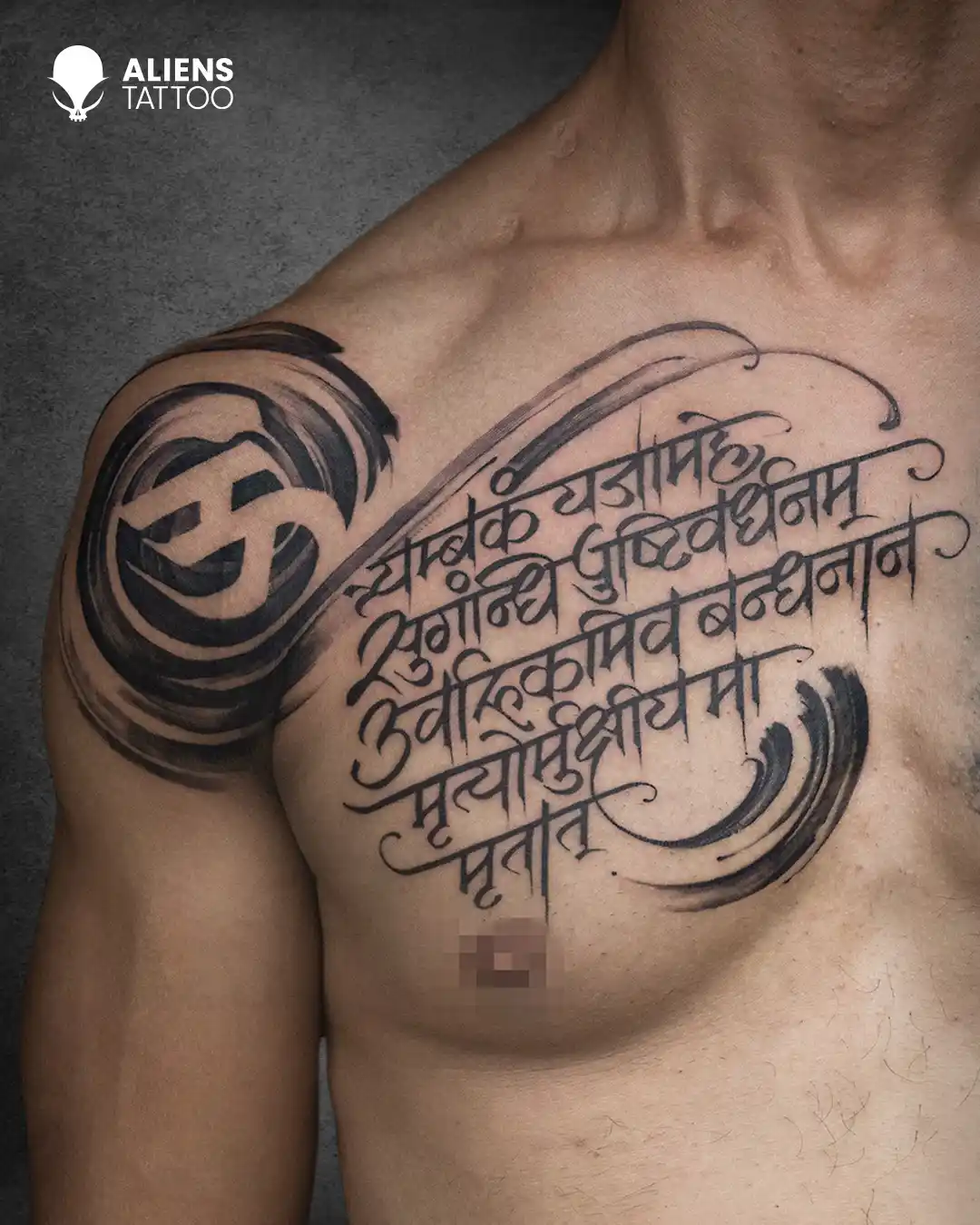
- Hebrew or Arabic Calligraphy: Since Abraham is central to both traditions, many choose to tattoo his name—"אברהם" or "إبراهيم"—using traditional script. This honors the linguistic roots of the story and adds a layer of cultural authenticity to the design.
- Etching/Woodcut Style: This style mimics the look of old book illustrations or medieval engravings. It gives the tattoo the appearance of an ancient document, emphasizing the historical and legendary weight of Abraham’s life.
Strategic Placement for Abraham-Inspired Ink
The placement of an Abraham tattoo often correlates with the scale of the narrative being told. Because many of these designs involve complex symbolism, choosing the right "canvas" on the body is crucial for both detail and impact.
| Design Motif | Recommended Placement | Symbolic Meaning |
|---|---|---|
| The Starry Sky | Forearm or Collarbone | Legacy, infinite promise, and guidance. |
| Portrait of the Patriarch | Upper Arm or Thigh | Wisdom, fatherhood, and spiritual ancestry. |
| The Binding (Altar/Ram) | Full Back or Chest | Sacrifice, extreme faith, and divine grace. |
| Calligraphy/Script | Inner Wrist or Ribs | Personal identity and foundational truth. |
| The Oak of Mamre | Calf or Shoulder Blade | Hospitality, strength, and rootedness. |
For a large-scale narrative piece—such as the scene of Abraham looking up at the stars—the back provides the necessary space to create a "mural" effect. Conversely, smaller symbols like a single ram’s horn or a Hebrew character work best on the wrist or behind the ear, serving as private reminders of one's personal "covenant."
Practical Considerations: Healing and Artist Selection
As we move through 2026, tattoo technology and aftercare have advanced significantly, but the basics of choosing a specialist remain paramount for a subject as complex as Abraham.
Finding the Right Specialist
Because Abraham tattoos often involve intricate textures (beards, cloth, stone) or precise script, you must find an artist who specializes in the specific style you want. If you are going for a Renaissance-style portrait, look for an artist with a portfolio full of black-and-grey realism and a deep understanding of human anatomy. If you want calligraphy, ensure the artist is familiar with the script to avoid grammatical or stylistic errors.
The Importance of Composition
The story of Abraham is vast. A common mistake is trying to cram too many symbols into one small tattoo. A "stunning" design is usually one that focuses on a single powerful image—like the knife or the stars—and executes it with high clarity. Work with your artist to ensure the composition follows the natural curves of your body, which ensures the tattoo remains legible as the skin ages.
Aftercare and Longevity
Large, detailed pieces require diligent aftercare. Using medical-grade "second skin" bandages (common in 2026) for the first few days can significantly reduce the risk of infection and help the fine lines stay crisp. Since many Abraham tattoos use a lot of black and grey shading, sun protection is vital. UV rays are the primary cause of shading fading into a dull blue or green over time; always use a high-SPF sunscreen once the tattoo is fully healed.
Frequently Asked Questions
Is it disrespectful to get a tattoo of a religious figure like Abraham?
Respect is subjective and varies by faith tradition. In many Christian and secular circles, it is seen as a profound act of devotion. However, some interpretations of Judaism and Islam have specific prohibitions regarding tattoos or the depiction of prophets. It is always wise to reflect on your own spiritual boundaries and the cultural context of the symbols you choose before proceeding.
What does a ram tattoo mean in the context of Abraham?
The ram represents "substitutionary sacrifice." It is the animal provided by God to replace Isaac/Ishmael on the altar. Symbolically, it stands for the idea that faith is rewarded with mercy and that there is always a "way out" provided through divine grace.
Can I combine Abrahamic symbols with other motifs?
Yes, many people combine the "Stars of Abraham" with modern elements like a compass (for guidance) or the names of their own children. This bridges the gap between the ancient story and the wearer’s modern life, making the tattoo a personal "living history."
Does the "Stars" design have to be religious?
Not necessarily. While the origin is biblical, the image of a man looking at an infinite sky is a universal human experience. It can represent a love for astronomy, a sense of wonder at the universe, or a commitment to a future that is larger than oneself.
How much should I expect to pay for a detailed Abraham portrait?
In 2026, high-end realism artists typically charge by the hour or by the day. A detailed, medium-sized portrait can take 6 to 10 hours of work. Depending on the artist’s reputation and location, this can range from $1,200 to $3,000. Remember that for a permanent piece of religious or historical art, quality should always be the priority over price.
Finalizing Your Vision for an Abraham Tattoo
Before you sit in the chair, take the time to meditate on which part of Abraham's journey resonates most with your own. Are you in a season of "Lech Lecha," where you are stepping out into a new, unknown territory? Or are you in a season of "The Covenant," focusing on the legacy you will leave for your family?
The most stunning designs are those where the technical skill of the artist matches the emotional depth of the wearer. Browse historical art for inspiration, but don't be afraid to add a contemporary twist that makes the story yours. Once you have a clear concept, book a consultation with a specialist who understands the weight of the subject matter. A tattoo of Abraham is more than just ink; it is a permanent testament to the enduring power of faith and the human spirit's capacity for sacrifice and growth.