Abraham Quintanilla Jr. is the primary architect and enduring guardian of Selena Quintanilla-Pérez’s legacy, transitioning from a determined band manager to the steward of a multi-million-dollar global brand. His role involves balancing the preservation of his daughter's artistic integrity with the commercial demands of a posthumous career that has now spanned over three decades.
The story of Abraham Quintanilla is inextricably linked to the meteoric rise and tragic end of his daughter, Selena. However, the "untold" aspect of this narrative lies in the complex machinery of legacy management he constructed following her death in 1995. As we stand in 2026, the Quintanilla family, under Abraham’s leadership, has navigated the transition from 20th-century physical media to 21st-century digital immortality, ensuring Selena remains the "Queen of Tejano" for generations who were not yet born during her lifetime.
The Architect of a Musical Dynasty: Abraham’s Early Vision
Abraham Quintanilla’s journey did not begin with Selena; it began with his own musical aspirations in the late 1950s. As a member of the vocal group Los Dinos, Abraham experienced firsthand the systemic barriers facing Mexican-American artists in the United States. The group faced discrimination and struggled to find a foothold in a segregated industry, a formative experience that would later define his protective and disciplined management style.
When he recognized the vocal prowess of his youngest daughter, Selena, along with the musical aptitude of his children A.B. and Suzette, Abraham saw an opportunity to succeed where his own group had faltered. He established the second iteration of Los Dinos, which would eventually become Selena y Los Dinos. This was not merely a hobby but a family enterprise born out of economic necessity during the early 1980s recession. Abraham’s "untold" contribution during this era was his role as a self-taught booking agent, publicist, and sound engineer, often driving the family bus "Big Bertha" across the Southwest to secure gigs in small dance halls and fairs.
His insistence on Selena learning to sing in Spanish—despite English being her first language—was a calculated strategic move. Abraham understood that to conquer the Tejano market, the band needed to honor its cultural roots while modernizing the sound. This decision laid the groundwork for Selena’s eventual crossover success, as it gave her an authentic foundation in the Latin music world before she ever attempted to enter the English-language pop charts.
Managing a Global Icon: The Rise of Selena y Los Dinos
By the early 1990s, Abraham’s vision had shifted from survival to superstardom. He was known as a formidable negotiator, often clashing with record labels to ensure his children received fair compensation and creative control. Under the umbrella of Q-Productions, the family’s entertainment company, Abraham centralized the band’s operations in Corpus Christi, Texas.
This period of the legacy is often characterized by Abraham’s strict discipline. While public narratives sometimes frame him as an overbearing patriarch, industry insiders often viewed him as a necessary shield. The music industry of the 1980s and 90s was notoriously difficult for young female artists; Abraham’s presence ensured that Selena was protected from the more predatory aspects of the business.
The "untold" business strategy during these years involved the diversification of the Selena brand. Abraham wasn't just selling music; he helped Selena launch her boutiques, Selena Etc., and supported her foray into fashion design. This foresight recognized that Selena was more than a singer—she was a lifestyle icon. By the time of her passing in 1995, the infrastructure Abraham had built was robust enough to sustain her image even in her physical absence.
Guardianship and the Ethics of Posthumous Legacy
Following the tragedy on March 31, 1995, Abraham Quintanilla faced the monumental task of grieving a daughter while managing a global phenomenon. The management of Selena’s legacy became a full-time endeavor that required a delicate touch. Abraham’s philosophy has remained consistent: everything released must meet the standard Selena would have expected.
This stewardship has seen several major milestones that have kept Selena in the public eye for over 30 years:
- The 1997 Biopic: Abraham served as an executive producer on the film Selena, starring Jennifer Lopez. This project was instrumental in introducing Selena to a global audience and cementing her story in cinematic history.
- The MAC Cosmetics Collaboration: In 2016 and again in 2020, Abraham and Suzette Quintanilla worked with MAC to create a makeup line inspired by Selena’s iconic look. The first collection sold out in minutes, proving the brand's enduring commercial power.
- Digital Remastering: In recent years, including the 2022 release of Moonchild Mixes, Abraham has authorized the use of technology to clean up early recordings of Selena, allowing her voice to be heard in modern high-fidelity formats.
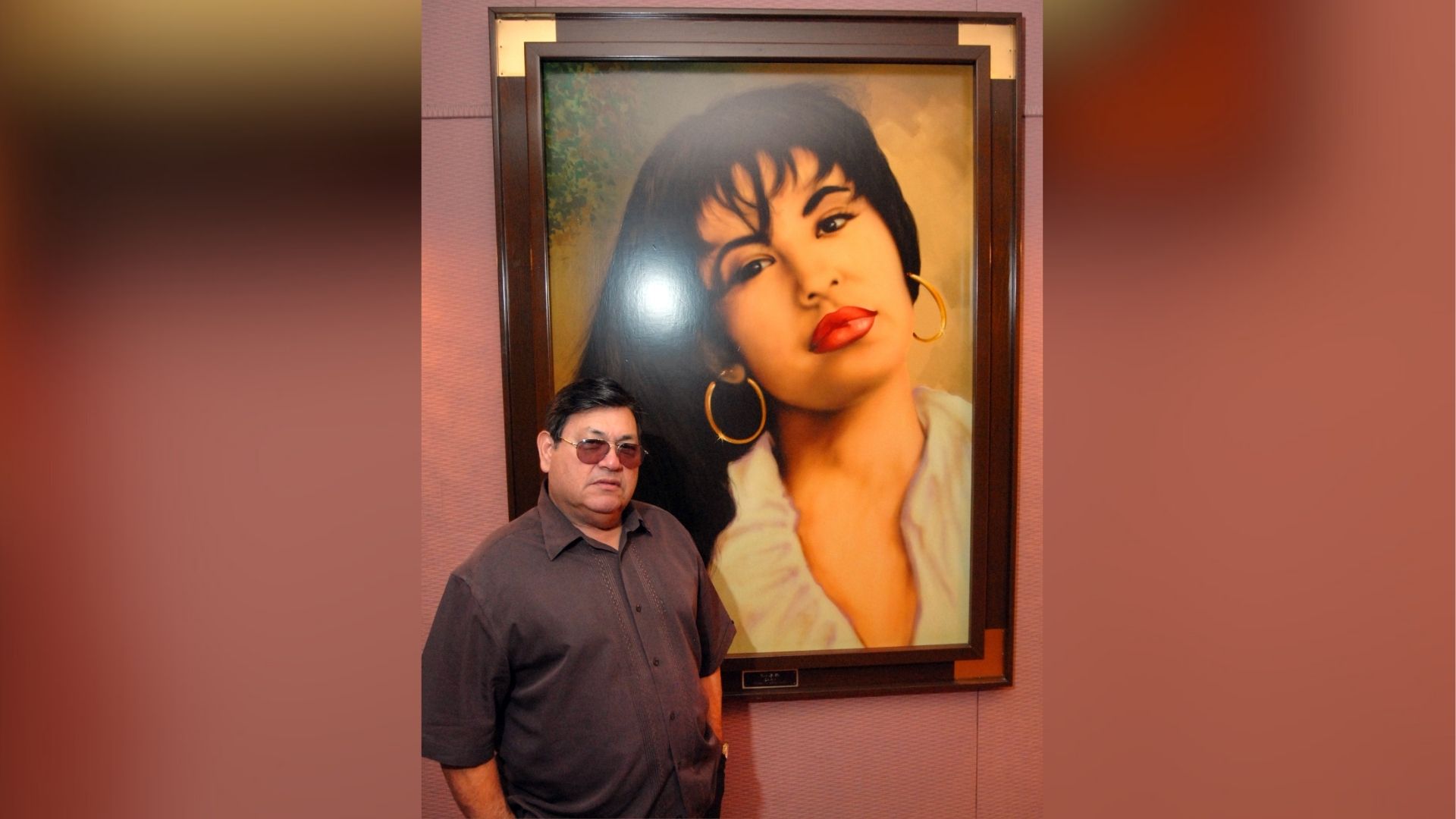
As of 2026, the Selena Museum in Corpus Christi remains a pilgrimage site for fans. Abraham’s commitment to keeping the museum accessible and filled with authentic artifacts—including Selena’s stage outfits and her red Porsche—provides a tangible connection to the artist that digital media cannot replicate.
Legal Battles and the Protection of the Brand
The protection of Selena’s legacy has not been without controversy. Abraham has been involved in several high-profile legal battles to maintain control over how Selena’s name and likeness are used. The most notable of these was the long-running dispute with Chris Pérez, Selena’s widower.
In 2016, Abraham filed a lawsuit to block a television series based on Pérez’s memoir, To Selena, with Love. The legal argument centered on a 1995 agreement that gave Abraham exclusive rights to Selena’s name, voice, photographs, and story. While critics argued that Abraham was being overly restrictive, his supporters maintained that centralization is the only way to prevent the "cheapening" of her image.
In September 2021, Abraham and Chris Pérez announced that they had amicably resolved their legal disputes. This resolution was a turning point for the legacy, as it allowed the family to present a united front. In the years leading up to 2026, this reconciliation has led to more collaborative efforts in honoring Selena’s memory, ensuring that the narrative remains focused on her life rather than family litigation.
The Cultural Impact of the Quintanilla Estate by 2026
As we evaluate the state of the Selena brand in 2026, it is clear that Abraham Quintanilla’s efforts have been successful. Selena is not viewed as a "nostalgia act" but as a living part of the cultural zeitgeist. Her influence is visible in the careers of modern Latinas like Becky G, Kali Uchis, and Rosalía, all of whom have cited Selena as a foundational influence.
| Milestone Event | Year | Impact on Legacy |
|---|---|---|
| Release of "Dreaming of You" | 1995 | Established Selena as a crossover pioneer posthumously. |
| "Selena" Film Premiere | 1997 | Preserved the Quintanilla family narrative in pop culture. |
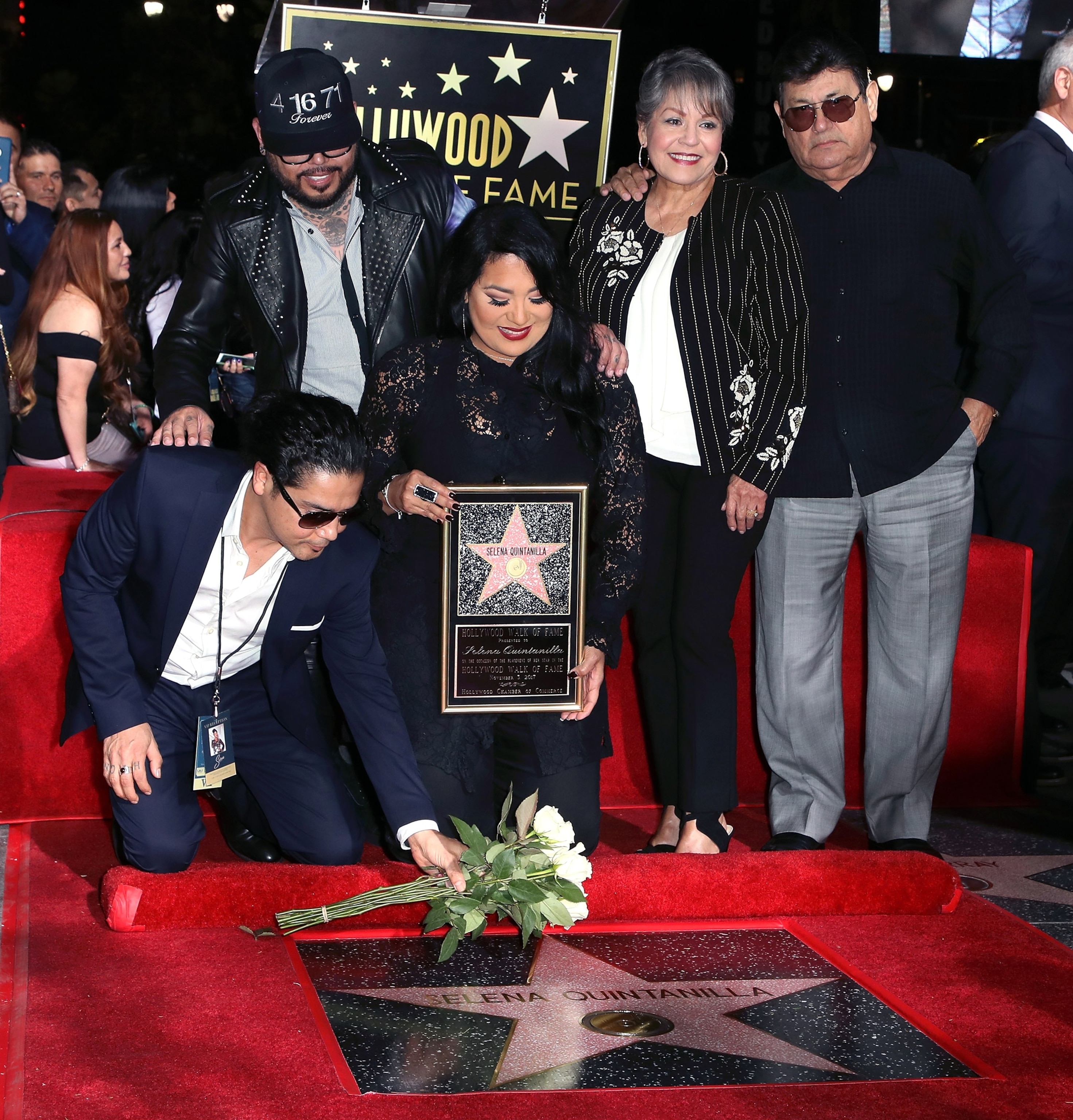
| Hollywood Walk of Fame Star | 2017 | Formalized her status as an American entertainment legend. |
| Selena: The Series (Netflix) | 2020 | Introduced her story to the streaming generation. |
| Moonchild Mixes Release | 2022 | Demonstrated the longevity of her unreleased vocal tracks. |
| 30th Anniversary Commemorations | 2025 | Reaffirmed the brand's stability and multi-generational appeal. |
Abraham’s management has ensured that Selena’s image is associated with high-quality products and meaningful tributes. By 2026, the estate has successfully navigated the complexities of "hologram" performances and AI-generated content, with Abraham notably cautious about any technology that might feel exploitative or unnatural.
Frequently Asked Questions
What is the current status of Q-Productions?
As of 2026, Q-Productions continues to operate as the headquarters for the Selena estate. It manages the Selena Museum, handles licensing for merchandise, and oversees the production of music and video content. Abraham remains active in the company, though his children, A.B. and Suzette, have taken on more significant leadership roles in day-to-day operations.
How did Abraham Quintanilla resolve the conflict with Chris Pérez?
The conflict was officially settled in 2021. Both parties reached an agreement that allows for the continued use of Selena’s image while acknowledging Chris Pérez’s unique role in her life. This settlement ended years of litigation and has allowed for joint participation in commemorative events and social media tributes.
Is there still unreleased Selena music?
While much of Selena’s professional catalog has been released, the estate occasionally uncovers rehearsal tapes or early recordings. Projects like the Moonchild Mixes utilize modern production to polish these recordings. Abraham has stated that they are careful not to "scrape the bottom of the barrel," only releasing material that meets a specific quality threshold.
Why is Abraham Quintanilla often viewed as a controversial figure?
Abraham is often viewed through a dual lens: as a devoted father who sacrificed everything for his children's success, and as a tough businessman who exercised tight control. His protective nature over Selena’s image has sometimes put him at odds with fans or former associates who wish to share their own versions of her story. However, his supporters argue that without this control, Selena’s legacy would have been fragmented or exploited.
Can I visit the Selena Museum in 2026?
Yes, the Selena Museum remains open to the public in Corpus Christi, Texas. It continues to be managed by the Quintanilla family and houses many of Selena’s most famous outfits, her Grammy Award, and personal items. It is advisable to check the official Q-Productions website for current hours and ticketing information.
Preserving the Vision into the Future
The "untold story" of Abraham Quintanilla is ultimately a story of endurance. Managing a legacy of this magnitude requires more than just business acumen; it requires a deep understanding of the cultural weight the name "Selena" carries for the Latino community. In 2026, Abraham’s focus remains on education and inspiration.
For those looking to understand how to manage a family legacy or a cultural brand, the Quintanilla model offers several lessons:
- Centralization: Keeping rights and decision-making power within a trusted circle prevents brand dilution.
- Quality over Quantity: Avoiding over-saturation of the market helps maintain the "specialness" of the artist's memory.
- Adaptability: Embracing new platforms (like streaming and social media) is essential for reaching younger audiences.
As Abraham Quintanilla moves further into his senior years, the infrastructure he has built ensures that the story of Selena will not end with him. The transition of leadership to Suzette and A.B. Quintanilla suggests that the family’s commitment to the "Queen of Tejano" will continue well into the mid-21st century.