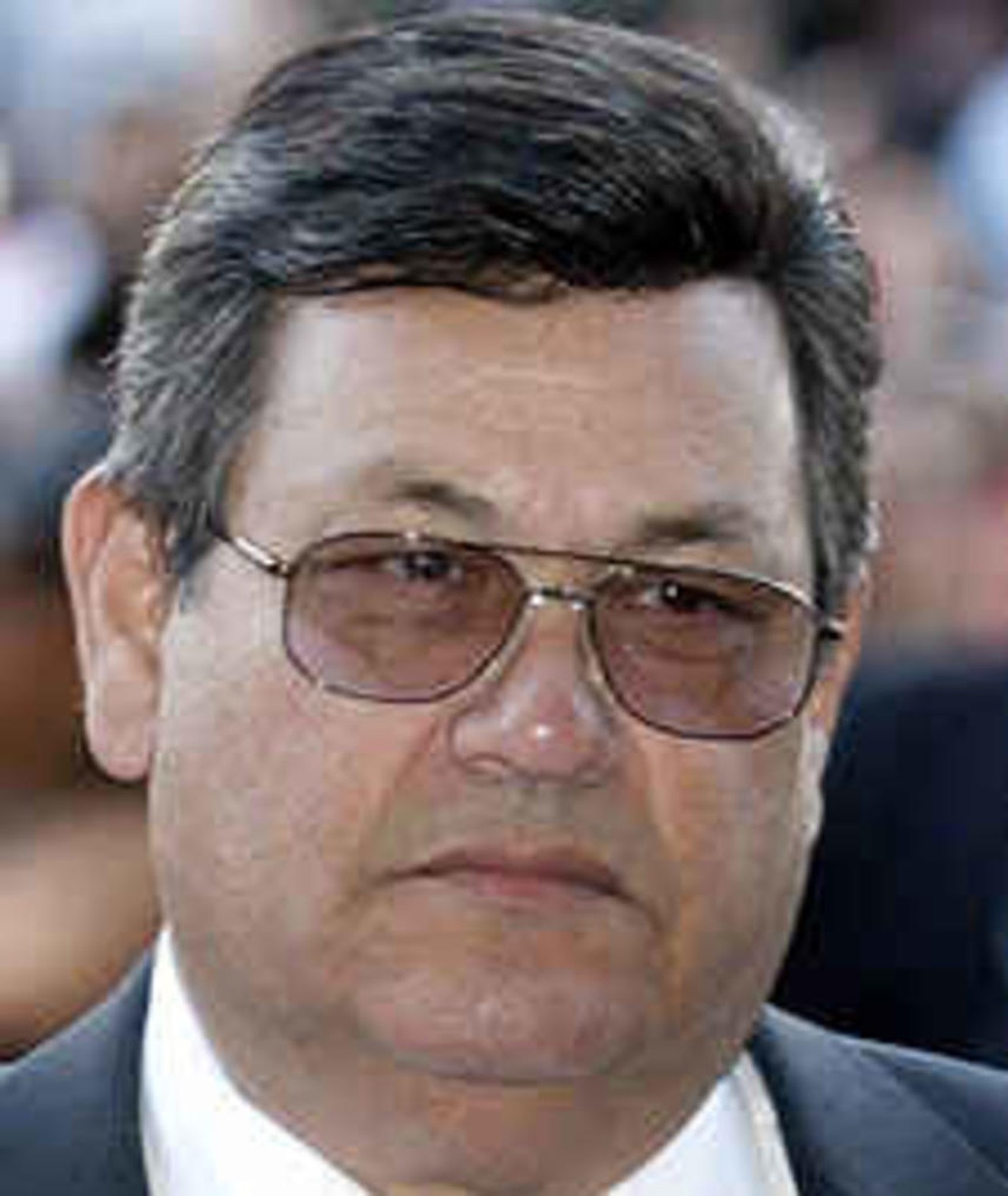
Abraham Quintanilla Jr. serves a dual role in cinema as both the primary behind-the-scenes architect as an executive producer and a central character portrayed in major biographical projects. His influence ensures the preservation of the Quintanilla family legacy, strictly shaping how audiences perceive the rise of Tejano music and Selena’s enduring global impact.
As of 2026, the name Abraham Quintanilla remains synonymous with the professionalization of Tejano music and the meticulous management of one of the most successful posthumous legacies in entertainment history. While many know him as the father of the "Queen of Tejano Music," Selena, his role in the film and television industry has been equally instrumental. By acting as a gatekeeper for his daughter’s story, Quintanilla has influenced not only the narrative of his family but also the broader representation of Mexican-American life in Hollywood.
The Architect of the Narrative: Abraham Quintanilla as Executive Producer
The primary role Abraham Quintanilla has played in the film industry is that of the Executive Producer. Unlike many subjects of biopics who have little say in their cinematic representation, Quintanilla has maintained a firm grip on the production of major projects concerning his family. His involvement is not merely symbolic; it is a strategic effort to ensure historical accuracy and protect the family’s brand from sensationalism.
The 1997 film Selena, directed by Gregory Nava, stands as the most significant example of his influence. Quintanilla served as an executive producer to prevent unauthorized versions of Selena's life from reaching the screen. During the mid-1990s, several production companies were vying for the rights to the story. By taking the lead, Abraham ensured that the film focused on the family’s collective struggle, the cultural nuances of biculturalism, and the celebration of Selena’s music rather than focusing solely on the tragedy of her death.
This level of control has been a point of both praise and criticism. Supporters argue that his oversight prevented the exploitation of his daughter’s memory. Critics, however, suggest that his involvement resulted in a sanitized version of events that prioritized a "PG" family image over a more complex exploration of the family dynamics. Regardless of the perspective, his role as a producer set a precedent for how families of deceased icons manage biographical intellectual property in the 21st century.
Cinematic Representation: The Character of Abraham Quintanilla
In addition to his work behind the camera, Abraham Quintanilla is a major character in the media he produces. His portrayal on screen has become a archetype of the "driven immigrant father," a figure who balances strict discipline with deep-seated devotion to his children’s success.
The Edward James Olmos Portrayal (1997)
In the 1997 biopic, Abraham was portrayed by the legendary Edward James Olmos. Olmos famously gained weight and meticulously studied Quintanilla’s mannerisms to capture his essence. This portrayal remains the definitive image of Abraham for many fans. The film depicts him as a man who faced blatant racism in the 1950s and 60s with his own band, Los Dinos, which fueled his determination to see his children succeed where he could not.
Olmos’s performance highlighted the "borderlands" experience—the struggle of being "too Mexican for the Americans and too American for the Mexicans." Through this role, Abraham’s personal philosophy of hard work and cultural pride was broadcast to a global audience, making him a symbol of the Mexican-American dream.
The Ricardo Chavira Portrayal (2020-2021)
In Selena: The Series on Netflix, Ricardo Chavira took on the role of Abraham. This long-form television format allowed for a deeper exploration of Abraham’s early years and the financial risks he took to keep the band afloat. While the 1997 movie focused on the peak of Selena's fame, the series provided more screen time to Abraham’s role as the logistical backbone of the group, from fixing the tour bus "Big Bertha" to managing the band's transition from English to Spanish lyrics.
Comparative Analysis of Media Portrayals
The different iterations of Abraham Quintanilla in media provide a look at how his public persona has evolved over the decades. The following table compares the two most prominent portrayals of his life and role within the family’s cinematic history.
| Feature | Selena (1997 Film) | Selena: The Series (2020-2021) |
|---|---|---|
| Actor | Edward James Olmos | Ricardo Chavira |
| Primary Focus | The rise to superstardom and the crossover attempt. | The formative years and the collective family struggle. |
| Abraham's Role | The protective, sometimes stubborn patriarch. | The relentless manager and visionary strategist. |
| Cinematic Intent | A tribute to Selena’s life and cultural impact. | A detailed history of the Quintanilla musical dynasty. |
| Abraham's Involvement | Executive Producer (Active) | Executive Producer (Active) |
| Key Theme | Bicultural identity and the "American Dream." | Perseverance through financial and industry hardship. |
Lasting Influence on the Latin Music Industry and Media
Abraham Quintanilla’s influence extends far beyond the silver screen. His approach to the music business and his insistence on maintaining ownership of master recordings and likeness rights changed the landscape for Latin artists.
Pioneering the Tejano Crossover
Long before the "Latin Explosion" of the late 90s, Abraham was advocating for the mainstream potential of Tejano music. By blending traditional Mexican rhythms with contemporary pop and rock, he helped create a sound that resonated across borders. The movies and series he produced emphasize this contribution, documenting how he convinced skeptical promoters that a female-led Tejano band could sell out stadiums.
Legal Precedents in Estate Management
Through his company, Q-Productions, Abraham has been a fierce defender of Selena’s intellectual property. This has led to high-profile legal battles, including those regarding unauthorized books and television shows. His lasting influence in this area is found in the way he has successfully kept a brand relevant for over three decades without the living artist present. In 2026, Selena remains a top-selling artist and a fashion icon, a feat largely attributed to Abraham’s strategic licensing and media partnerships.
Representation of Biculturalism
Perhaps his greatest lasting influence is the way his story—as told through film—validated the experience of millions of bicultural individuals. The scenes in the 1997 movie discussing the difficulty of the Spanish language for English-dominant Chicanos became a touchstone for cultural identity. Abraham’s "movies role" served to educate a mainstream audience on the nuances of the Chicano experience, breaking down stereotypes while highlighting the specific challenges of the Mexican-American middle class.
Controversy and Narrative Control
A comprehensive look at Abraham Quintanilla’s role must acknowledge the controversies surrounding his narrative control. His influence has often been described as "total," leading to public friction with other figures in Selena’s life, most notably her husband, Chris Perez.
The legal disputes over Perez’s memoir, To Selena, with Love, and the attempted television adaptation of it, highlighted the tension between a father’s protective instincts and a husband’s right to share his perspective. In the movies and series produced by Abraham, the relationship between Selena and Chris is often portrayed through a protective lens, sometimes downplaying the internal family conflicts that occurred in real life. This has led to a lasting debate in the media industry about who "owns" a legacy and whether a family member’s version of history is the only version that should be told.
Current Status and Legacy in 2026
By 2026, Abraham Quintanilla’s work has ensured that the family name is cemented in the annals of American music history. Q-Productions continues to operate out of Corpus Christi, Texas, serving as a museum and a production hub. The films he championed are now considered "modern classics" and are frequently used in Chicano Studies programs at universities across the United States.
His role in the movies was never just about entertainment; it was about legacy building. By transitioning from a musician to a manager, and finally to a media mogul, Abraham redefined the role of the "artist's father." He demonstrated that with enough control over the medium, one can turn a personal tragedy into a permanent cultural monument.
FAQs About Abraham Quintanilla’s Media Role
Did Abraham Quintanilla act in any of the movies?
No, Abraham Quintanilla did not act in the films himself. He served as an executive producer, overseeing the script, casting, and musical direction to ensure the portrayal of his family was accurate to his vision. His "role" is strictly as a producer and a character portrayed by professional actors.
How much control did Abraham have over the 1997 Selena movie script?
Abraham had significant control over the script. He worked closely with director Gregory Nava to ensure the film captured the family's journey accurately. This included the inclusion of specific family anecdotes and the focus on the band's early struggles, though some artistic liberties were taken for the sake of cinematic pacing.
Is Abraham Quintanilla still active in the film industry in 2026?
As of 2026, Abraham Quintanilla remains the head of Q-Productions, which manages all film, television, and documentary projects related to Selena. While he may not be developing new fictional films, he is heavily involved in documentary archives and licensing for digital media.
Why was Edward James Olmos chosen to play him?
Edward James Olmos was chosen because of his stature in the Latino community and his ability to bring gravitas to the role. Abraham and the producers wanted an actor who could portray the complexities of a man who was both a stern businessman and a loving father, and Olmos's track record of portraying strong Chicano figures made him the ideal choice.
Has Abraham Quintanilla produced movies not related to his daughter?
While his primary focus has been the legacy of Selena and Los Dinos, Abraham has been involved in various musical documentaries and promotional films for other artists signed to Q-Productions. However, his most significant cinematic contributions remain within the scope of the Quintanilla family history.
Verifying the Legacy: Next Steps for Researchers
For those looking to understand the full scope of Abraham Quintanilla’s influence, the best course of action is to view the media chronologically. Start with the 1997 Selena film to see the foundational narrative, then move to Selena: The Series for a more granular look at his management style. Researchers should also look into the legal filings regarding the estate, as these documents provide a more objective view of the "lasting influence" he holds over the Latin music industry’s business side. Visiting the Selena Museum in Corpus Christi offers a physical look at the production history and the real-life artifacts that appear in the films he produced.