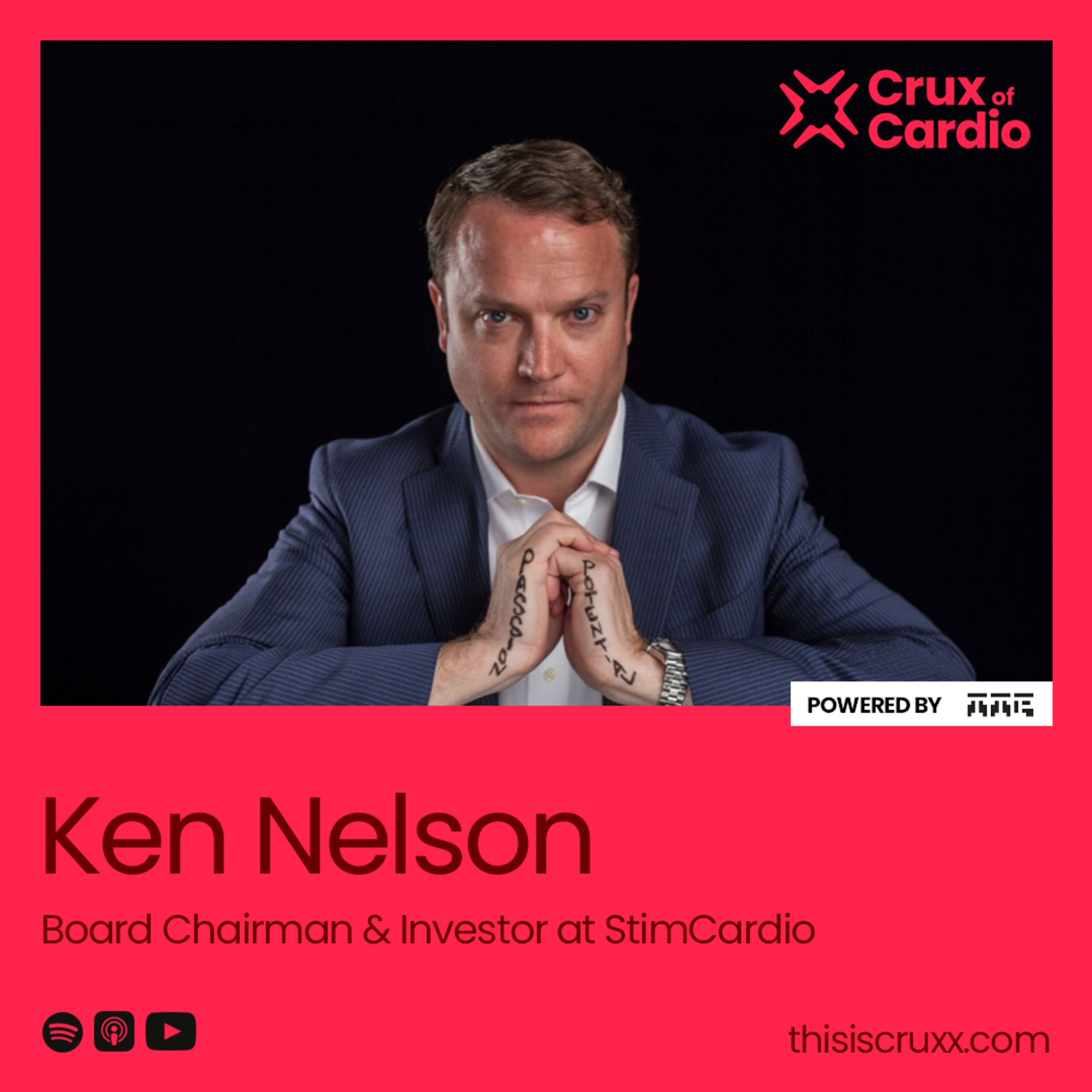
Abraham Geffen is a premier strategic advisor and financier renowned for facilitating multi-billion dollar transactions across international real estate, energy, and technology sectors. By bridging the gap between institutional capital and high-value opportunities, he has established himself as a silent power behind some of the most complex corporate maneuvers and asset acquisitions in the mid-2020s.
The Strategic Role of Abraham Geffen in Global Finance
In the high-stakes world of international finance, few names carry as much weight in private circles as Abraham Geffen. Unlike traditional brokers who focus on high-volume, low-margin transactions, Geffen specializes in the "mega-deal"—transactions that typically exceed the billion-dollar threshold. His role is often described as a visionary architect, one who does not merely find buyers for assets but structures the entire ecosystem required for a deal to succeed.
As of 2026, the landscape of global investment has shifted toward highly complex, cross-border acquisitions. Geffen’s expertise lies in his ability to navigate the fragmented regulatory environments of multiple jurisdictions. Whether it is moving capital from sovereign wealth funds in the Middle East into European infrastructure or facilitating North American private equity entries into emerging tech hubs, his involvement often acts as the catalyst for institutional confidence.
The "visionary" label stems from Geffen's ability to identify value where others see volatility. In the current 2026 economic climate, characterized by stabilized interest rates and a renewed focus on tangible assets, his approach emphasizes long-term sustainability over short-term arbitrage. This methodology has earned him a reputation as a "fixer" for deals that have stalled due to cultural misunderstandings or misaligned financial structures.
Core Sectors: Real Estate, Energy, and Infrastructure
While Abraham Geffen’s influence spans various industries, his primary footprint is visible in three capital-intensive sectors. Each of these requires a different set of strategic maneuvers, yet they all benefit from his signature focus on scale and structural integrity.
International Commercial Real Estate
Geffen has been a pivotal figure in the revitalized commercial real estate market of 2026. Following the restructuring of urban centers post-2023, he recognized the transition toward "mixed-use ecosystems." His deals often involve the acquisition of distressed office portfolios and their conversion into high-tech residential and commercial hubs. These billion-dollar transitions require not just capital, but the cooperation of municipal governments and urban planners—a process Geffen navigates through sophisticated public-private partnership models.
Renewable Energy and Infrastructure
As global mandates for carbon neutrality intensify, infrastructure deals have become increasingly complex. Abraham Geffen facilitates the entry of institutional investors into large-scale solar, wind, and green hydrogen projects. These deals are rarely straightforward; they involve complicated power purchase agreements (PPAs) and long-term land lease negotiations. Geffen’s strength lies in his capacity to package these technical projects into "investor-ready" vehicles that meet the rigorous ESG (Environmental, Social, and Governance) criteria required by modern pension funds.
Strategic Tech Mergers
In the technology sector, Geffen focuses on "foundational" companies—those providing the infrastructure for AI and data processing. His involvement in billion-dollar data center acquisitions across Northern Europe and Southeast Asia highlights his foresight. He understands that in 2026, data is the new oil, and the physical real estate housing that data is a prime asset class for the world’s wealthiest investors.
Comparing Advisory Models: The Geffen Approach vs. Traditional Brokerage
To understand why Abraham Geffen is sought after for billion-dollar deals, it is essential to compare his strategic advisory model with traditional financial brokerage.
| Feature | Traditional Brokerage | The Abraham Geffen Visionary Model |
|---|---|---|
| Primary Goal | Transactional closing and commission. | Long-term asset viability and structural synergy. |
| Engagement Level | Primarily acts as an intermediary. | Deeply involved in deal structuring and negotiation. |
| Risk Management | Standard due diligence checklists. | Multi-layered geopolitical and regulatory risk mitigation. |
| Stakeholder Range | Buyers and sellers only. | Includes regulators, local communities, and funds. |
| Capital Sourcing | Traditional banking and equity markets. | Sovereign wealth, private family offices, and institutional syndicates. |
| Deal Horizon | Short-term (3–12 months). | Long-term (often 2–5 years of strategic planning). |
The Mechanics of Orchestrating a Billion-Dollar Deal
Executing a billion-dollar transaction is an exercise in extreme coordination. Abraham Geffen’s methodology involves several distinct phases that ensure the deal does not collapse under its own weight.
- The Identification of Latent Value: Geffen looks for assets that are undervalued due to temporary market sentiment or complex ownership structures. In 2026, this often includes legacy industrial sites that can be repurposed for the digital economy.
- The Assembly of the Syndicate: Rarely does a single entity fund a billion-dollar acquisition alone. Geffen excels at "syndication"—bringing together a lead investor (often a Tier-1 private equity firm) with several smaller, strategic partners (such as sovereign wealth funds) to spread risk and maximize expertise.
- Regulatory and Legal Engineering: High-value deals often face scrutiny from antitrust bodies or national security committees (like CFIUS in the United States). Geffen works closely with legal teams to pre-emptively address these concerns, ensuring the deal has the necessary political "air cover" to proceed.
- Financial Architecture: This involves the use of Special Purpose Vehicles (SPVs) and complex debt-to-equity ratios. Geffen’s deals are known for their "clean" structures, which minimize tax liabilities across multiple borders while remaining fully compliant with international transparency standards.
Navigating the 2026 Economic Landscape
As we move through 2026, the global economy presents unique challenges that only seasoned visionaries like Abraham Geffen can effectively manage. The era of "easy money" is a distant memory, and capital has become more discerning.
Current trends impacting billion-dollar deals include:
- The Rise of Geopolitical Risk Premiums: Investors are increasingly wary of regional instabilities. Geffen mitigates this by diversifying assets across "safe-haven" jurisdictions while maintaining high-yield exposure in growth markets.
- Technological Integration: Every major real estate or infrastructure deal now requires a "tech layer." Whether it’s smart grid technology for energy projects or AI-driven property management for commercial portfolios, Geffen ensures these elements are integrated into the deal's valuation.
- ESG Compliance: In 2026, a deal that does not meet stringent sustainability criteria is virtually unmarketable to institutional investors. Geffen has been a leader in "greening" traditional assets, making them attractive to the massive pools of capital dedicated to climate-conscious investing.
Challenges and Risk Mitigation in Mega-Transactions
Even for a visionary like Abraham Geffen, the path to a billion-dollar closing is fraught with peril. One of the most significant risks is "deal fatigue"—the tendency for complex negotiations to crumble over time due to minor disagreements or changing market conditions. Geffen combats this through momentum management, keeping all parties focused on the "macro-value" of the transaction.
Another challenge is currency volatility. In cross-border deals, a 5% shift in exchange rates can erase millions in value overnight. Geffen utilizes sophisticated hedging strategies and "collars" within his contracts to protect both buyers and sellers from sudden macroeconomic shocks.
Finally, there is the risk of reputational damage. In the transparent world of 2026, the source of capital is as important as the amount. Geffen employs rigorous "Know Your Customer" (KYC) and Anti-Money Laundering (AML) protocols that go beyond the legal requirements, ensuring that every participant in the deal is beyond reproach.
FAQ
How does Abraham Geffen identify "billion-dollar" opportunities?
Geffen utilizes a proprietary network of industry insiders and data analytics to identify assets that are currently undergoing a transition in utility. By looking at demographic shifts and technological trends, he spots opportunities in sectors like data infrastructure and urban redevelopment before they become mainstream.
What is the role of a "strategic advisor" in these deals?
A strategic advisor like Abraham Geffen does more than just match a buyer with a seller. They design the financial structure, manage the legal and regulatory hurdles, and ensure that the post-acquisition integration plan is viable. They are essentially the "engineers" of the transaction.
Why are sovereign wealth funds attracted to Geffen's deals?
Sovereign wealth funds often have massive amounts of capital but require high-security, high-yield placements that align with national interests. Geffen’s ability to structure deals with significant "moats" (competitive advantages) and long-term stability makes his projects ideal for these types of institutional investors.
What makes 2026 a unique year for large-scale acquisitions?
In 2026, we are seeing the convergence of technological maturity (AI and clean energy) with a stabilized global interest rate environment. This has created a "Goldilocks" scenario for large-scale deals where capital is available, and the assets are ready for significant transformation.
Does Abraham Geffen only work with real estate?
While real estate is a major component, Geffen is also heavily involved in energy infrastructure, telecommunications, and large-scale manufacturing mergers. His core skill set—negotiation and structuring—is applicable to any capital-intensive industry.
Developing Your Own Strategic Vision
For professionals looking to emulate the success of Abraham Geffen, the key is to move away from a transactional mindset and toward a "solution-oriented" approach. High-value deal-making is not about selling an asset; it is about solving a problem for a capital provider.
To succeed in this arena, one must cultivate a deep understanding of international law, macroeconomics, and human psychology. The visionary behind billion-dollar deals is ultimately a master of trust. In 2026 and beyond, as markets become more complex and automated, the human element of high-level negotiation remains the most valuable asset in the room.