If your above-ground pool or its essential components—such as filter pumps, heaters, or ladders—are subject to a safety recall, you must stop using the affected product immediately to prevent serious injury, electrocution, or drowning. To resolve a recall, identify your model and batch number from the manufacturer's label and cross-reference it with the Consumer Product Safety Commission (CPSC) database to claim a free replacement, repair kit, or full refund.
Safety recalls for above-ground pools and their accessories are critical interventions designed to protect consumers from manufacturing defects or design flaws that emerge after a product has entered the market. As of 2026, the landscape of pool safety continues to be shaped by rigorous federal standards and proactive reporting by major manufacturers. Whether you own a soft-sided inflatable pool or a permanent steel-walled structure, staying informed about safety alerts is a fundamental aspect of responsible ownership. This guide provides a comprehensive breakdown of identifying recalled units, understanding the underlying hazards, and navigating the replacement process.
Identifying Major Above-Ground Pool Recalls and Safety Alerts
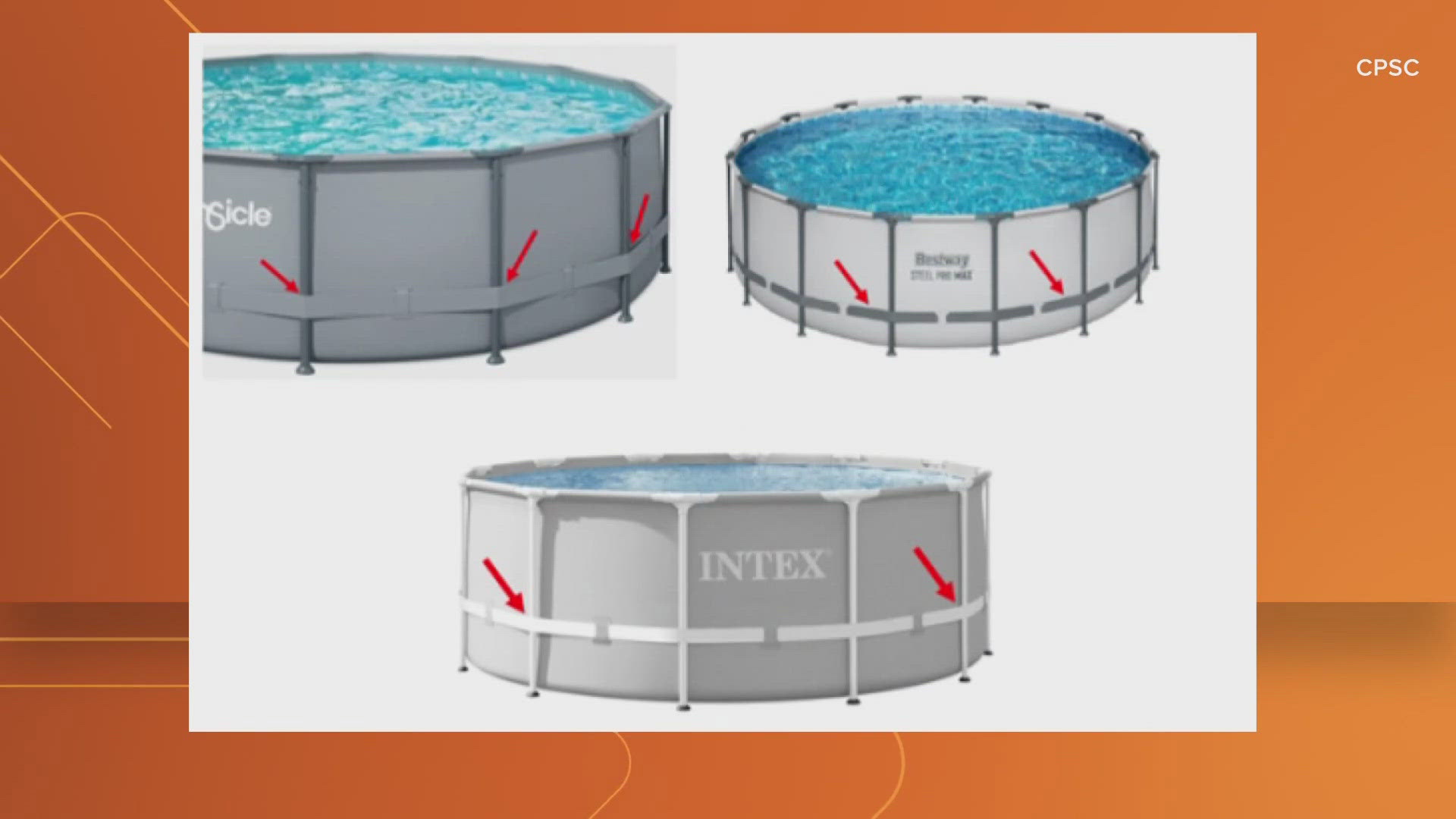
The most frequent recalls in the above-ground pool industry involve secondary components rather than the pool shell itself. However, when the pool structure is the subject of an alert, it usually pertains to wall failure or ladder instability. Major brands such as Bestway, Intex, and Coleman (often manufactured by Bestway) have historically issued recalls for various components that could pose risks to users.
Filter Pump and Electrical Recalls
Filter pumps are the most common subjects of safety alerts due to the inherent danger of combining water and electricity. In several instances, pumps have been recalled because of inadequate grounding or internal components that could leak current into the pool water. As of 2026, any pump produced without a built-in Ground Fault Circuit Interrupter (GFCI) or those with faulty internal seals should be treated with extreme caution. If a pump is recalled, the manufacturer typically requires the consumer to cut the power cord and provide photographic evidence of destruction before a replacement unit is shipped.
Ladder Instability and Entrapment
Pool ladders are critical for safety, yet they are frequently cited in injury reports. Recalls often stem from "tread failure," where the steps of the ladder may crack or detach under weight, leading to falls. Furthermore, some ladders have been recalled because they do not meet the height requirements to prevent unauthorized access by children. If a ladder does not lock securely in the "up" position, it fails to serve as a safety barrier, which is a violation of many local safety codes and federal guidelines.
Structural Failures in Soft-Sided Pools
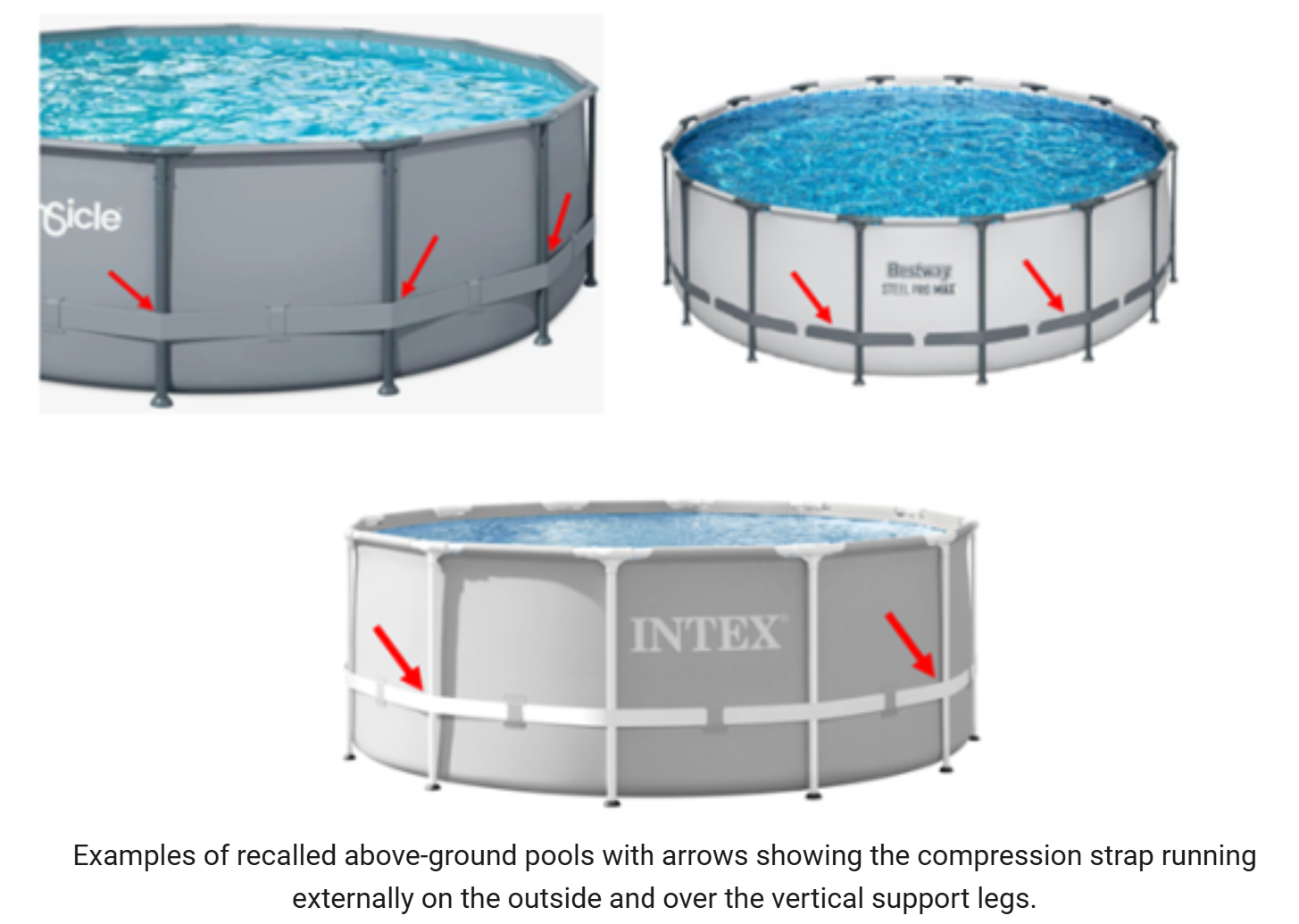
For frame-set pools, recalls may occur if the steel supports are found to be prone to excessive corrosion or if the plastic "T-joints" that hold the frame together are brittle. A structural failure in an above-ground pool can lead to a "catastrophic release" of thousands of gallons of water. This does not only endanger the people inside the pool but can also cause significant property damage and create a secondary drowning hazard if the rush of water sweeps individuals off their feet.
Understanding the Primary Safety Risks
The reasons behind a recall are never trivial. The CPSC and international regulators issue these alerts to mitigate specific, high-stakes risks. Understanding these hazards can help pool owners realize why "fixing it yourself" is often a dangerous and insufficient response to a recall notice.
Suction Entrapment Hazards
One of the most terrifying risks associated with pool recalls is suction entrapment. This occurs when a high-powered pump creates a vacuum at a drain or suction outlet that is so strong a person—particularly a child—cannot pull themselves away. This can lead to hair entanglement, limb entrapment, or even evisceration. The Virginia Graeme Baker (VGB) Pool and Spa Safety Act mandates specific types of drain covers to prevent this, but older pools or replacement parts that do not meet these standards are frequently recalled to prevent fatal accidents.
Electrocution and Shock
Above-ground pools often utilize 110-120V electrical systems for filtration and heating. If a component like a saltwater chlorinator or a heater has a manufacturing defect that allows water to enter the electrical housing, the entire body of pool water can become "energized." In many recall cases, the defect is not immediately obvious to the naked eye; it may be a microscopic crack in a heating element or a faulty gasket that degrades over time.
Drowning Due to Barrier Failure
Many safety alerts focus on the "removable" nature of above-ground pools. If a pool is sold with a safety cover that does not meet ASTM standards (American Society for Testing and Materials), it can create a "false sense of security." A recalled cover might sag under the weight of a child or accumulate water on top, leading to a drowning risk. Similarly, if a pool's inflatable top ring is prone to slow leaks (a common recall issue for "Easy Set" style pools), the wall can collapse, causing a child to be washed out or trapped under the deflating vinyl.
How to Verify Your Model and Batch Information
Before contacting a manufacturer, you must locate the specific identification markers for your pool or accessory. Recalls are rarely "blanket" orders; they usually target specific production windows or "batches."
- Locate the Manufacturer's Plate: On steel-walled pools, this is often a small metal plate or sticker near the filtration intake/outlet. On soft-sided pools, look for a large printed block of text on the exterior wall of the liner, usually near the safety warning icons.
- Identify the Model Number: This is typically an alphanumeric code (e.g., BW54123 or ITX-2026-S).
- Find the Date Code or Batch Number: This is the most crucial piece of information. It may be embossed on the plastic housing of a pump or printed on a small white tag sewn into the seam of a pool liner. It often indicates the year and month of manufacture (e.g., 2025/10).
- Check the CPSC Website: Visit the official CPSC recall database and search for the brand name. Match your model and batch number exactly. If your number is one digit off, it may not be part of the recall, but you should still monitor it for future updates.
The Replacement and Refund Process: Step-by-Step
Once you have confirmed that your product is under recall, the manufacturer is legally obligated to provide a remedy. This is usually done through a dedicated recall website or a toll-free "hotline."
| Component Type | Common Recall Hazard | Typical Remedy | Required Proof |
|---|---|---|---|
| Filter Pumps | Electrical Shock/Fire | Free Replacement Pump | Cut power cord + Photo |
| Pool Ladders | Structural Collapse | New Ladder or Repair Kit | Photo of model number |
| Pool Liners | Suction Entrapment | Replacement Suction Covers | Photo of old covers |
| Heaters | Overheating/Fire | Full Refund or Repair | Return of unit or destruction |
| Pool Covers | Drowning Risk | Replacement ASTM Cover | Proof of purchase |
The "Cut the Cord" requirement is a standard industry practice for electrical recalls. Manufacturers require you to disable the device permanently and send a photo as proof before they ship a new one. This ensures the defective and dangerous item is not sold at a garage sale or passed on to another unsuspecting user. For structural items like ladders, you may be asked to return a specific part of the ladder to the manufacturer using a pre-paid shipping label.
Legal Rights and Consumer Protection Standards
In the United States, the CPSC oversees the recall process under the Consumer Product Safety Act. In 2026, consumer protections remain robust, ensuring that manufacturers cannot charge you for the shipping or handling of replacement parts for a recalled item.
If a manufacturer refuses to honor a recall or if the replacement part they provide is also defective, you have the right to file a report at SaferProducts.gov. This site is a public clearinghouse where consumers can report injuries or "near misses." These reports are often the catalyst for the CPSC to launch an investigation that leads to a formal recall.
Furthermore, if you purchased a pool that was already under recall at the time of sale, the retailer is in violation of federal law. In such cases, you are typically entitled to a full refund from the retailer, regardless of their standard return policy.
Maintenance as a Safety Measure: Preventing Future Hazards
While many safety issues are the result of manufacturing defects, others are caused by improper maintenance that mimics the symptoms of a recall-worthy defect. Distinguishing between the two is vital for pool longevity.
- GFCI Testing: Always test the Ground Fault Circuit Interrupter on your pool pump's plug before every use. If the GFCI trips repeatedly, it is a sign of an electrical leak. This could be a defect (recall) or simply wear and tear, but the pool must not be used until the pump is replaced.
- Sun Damage Awareness: UV rays are the primary enemy of above-ground pool safety. Over years of exposure, plastic ladders and vinyl liners become brittle. If you notice "chalking" on plastic components or if the liner feels stiff and "crispy," the integrity of the pool is compromised. While not a recall issue, this is a safety hazard that requires immediate part replacement.
- Winterization Checks: If you live in a climate with freezing temperatures, improper winterization can cause micro-cracks in pump housings. When the pump is restarted in the spring, these cracks can lead to electrical shorts. Always inspect equipment for winter damage before the first swim of the season.
Frequently Asked Questions
How do I know if my pool recall is still active in 2026?
Most safety recalls do not have an expiration date. If a manufacturer issued a recall for a pool model in 2022, and you still own that model in 2026, the manufacturer is still responsible for providing the remedy. Check the CPSC database using your model number to see the "Remedy" status.
What should I do if the pool manufacturer has gone out of business?
If a company is no longer in business, the CPSC may not be able to enforce a replacement or refund. In these cases, your best course of action is to stop using the defective component immediately and purchase a compatible, safety-certified replacement from a reputable brand. Do not attempt to "patch" a structurally unsound pool from a defunct company.
Can I get a refund instead of a replacement part?
This depends on the specific terms of the recall. If the defect is fundamental to the design and cannot be fixed with a replacement part, the manufacturer will usually offer a full or pro-rated refund. However, for most accessory-based recalls (like pumps or ladders), the legal requirement is satisfied by providing a safe, functional replacement.
Is it safe to buy a used above-ground pool?
Buying a used pool carries significant risk. You must verify that the pool is not under any active recalls and that it meets current VGB Act suction safety standards. Always ask the seller for the original manual and model number so you can perform a safety audit before the purchase.
Does homeowners insurance cover damage from a recalled pool?
Generally, insurance policies cover "sudden and accidental" water damage, but they may deny claims if the damage was caused by a known defective product that the owner failed to address after a recall notice was issued. Proactively addressing recalls is essential for maintaining your insurance eligibility.
Immediate Actions for Pool Owners
If you suspect your above-ground pool is part of a safety alert, your first priority is to restrict access. Remove the ladder and disconnect the power to the filtration system. A pool that cannot be filtered will quickly become unsanitary, but an unsanitary pool is a minor inconvenience compared to the risk of electrocution or drowning.
Once the area is secured, document everything. Take clear photos of the model numbers, batch codes, and the specific area of concern (e.g., a cracked ladder tread or a leaking pump). Having this documentation ready will significantly speed up your claim process when you contact the manufacturer’s recall department. Remember, the goal of the recall system is your safety; by participating, you help manufacturers identify the scope of the problem and prevent injuries to others in the community.