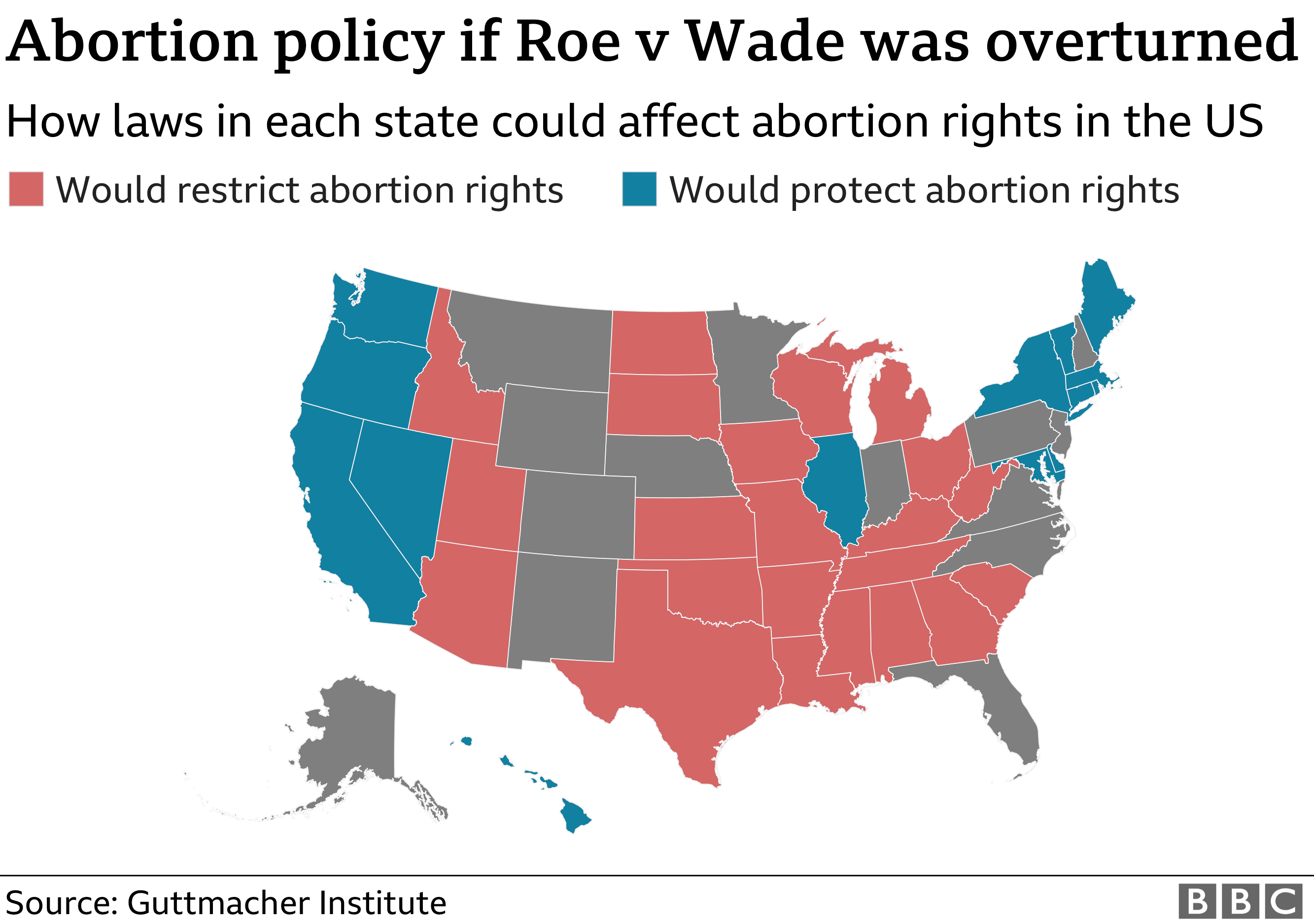
Abortion policy in the United States is currently characterized by a fragmented legal landscape where access is determined primarily by state-level legislation and judicial rulings. Following the 2022 Supreme Court decision in Dobbs v. Jackson, which overturned the federal right to abortion, states now exercise full authority to ban, restrict, or protect the procedure, creating significant regional disparities in healthcare availability.
The Shift from Federal Protection to State Sovereignty
The fundamental shift in abortion policy occurred when the U.S. Supreme Court vacated the nearly 50-year precedent established by Roe v. Wade (1973). Under the previous framework, states were prohibited from banning abortion before fetal viability (approximately 24 weeks). The 2022 Dobbs ruling fundamentally altered this by declaring that the U.S. Constitution does not confer a right to abortion, effectively returning the authority to regulate or prohibit the procedure to individual state legislatures.
By 2026, this decentralization has resulted in a "patchwork" of laws. Policy is no longer a monolith but a spectrum ranging from total bans with minimal exceptions to constitutional amendments that protect abortion as a fundamental right. For legal professionals and healthcare providers, this requires a deep understanding of jurisdictional boundaries, as a procedure that is legal in one state may be a felony just across the border.
The implications of this policy shift extend beyond the clinic. It has influenced interstate travel, the use of telecommunication in medicine, and the interpretation of emergency medical care under federal laws like the Emergency Medical Treatment and Labor Act (EMTALA). The tension between federal mandates and state prohibitions remains a central theme in 2026 legal challenges.
Categorizing State-Level Abortion Policies
In the current 2026 environment, state policies generally fall into four distinct categories based on their statutory framework and enforcement mechanisms. Understanding these categories is essential for identifying where care is accessible and where legal risks are highest.
Total and Near-Total Bans
States in this category have implemented laws that prohibit abortion at all stages of pregnancy, often with very narrow exceptions for the life of the pregnant person. Many of these states utilize "trigger laws" that were designed to take effect immediately upon the reversal of Roe. In these jurisdictions, providing abortion care is often classified as a high-level felony, leading to the closure of nearly all dedicated reproductive health clinics.
Gestational Limit Restrictions
Several states allow abortion but only within a limited timeframe, typically 6, 12, or 15 weeks of pregnancy. The "heartbeat bills," which ban abortion once embryonic cardiac activity is detected (usually around six weeks), are common in this category. Because many individuals do not realize they are pregnant until after the six-week mark, these policies function as a de facto ban for a significant portion of the population.
Regulated Access with Protections
These states have maintained abortion access up to the point of viability or, in some cases, throughout the entire pregnancy. Policy in these regions often focuses on codifying the right to abortion into state law or the state constitution. These jurisdictions frequently see an influx of out-of-state patients, leading to increased demand for services and longer wait times.
Shield Laws and Protective Mandates
To counter the restrictive policies of neighboring states, some jurisdictions have enacted "shield laws." These policies protect healthcare providers and patients from out-of-state legal actions, such as subpoenas or extraditions related to abortion care that was legal in the state where it was performed.
| Policy Category | Typical Gestational Limit | Legal Status of Providers | Patient Access Level |
|---|---|---|---|
| Total Ban | Conception | Criminalized (Felony) | Minimal/Emergency Only |
| Early Gestational | 6–12 Weeks | Restricted/Regulated | Limited by Timing |
| Mid-Term Limit | 15–22 Weeks | Standard Medical Regulation | Moderate |
| Protected Access | Viability (24+ Weeks) | Protected/Codified | High |
| Shield Law States | Varies | Legally Insulated | High (Including out-of-state) |
Medication Abortion and Telehealth Regulations
As of 2026, medication abortion—using a combination of mifepristone and misoprostol—accounts for more than half of all abortions in the United States. Because these medications can be administered at home, they have become the primary battleground for abortion policy.
The U.S. Food and Drug Administration (FDA) continues to regulate the distribution of these drugs. Policy debates in 2026 frequently center on whether the FDA’s federal authority to approve drugs preempts state laws that ban them. This legal "preemption" argument is a critical component of ongoing litigation.
Telehealth has expanded access by allowing patients to consult with clinicians remotely and receive medication via mail. However, policy varies wildly:
- Mail-Order Access: Some states explicitly allow the mailing of abortion pills, while others have passed statutes making it a crime to deliver these medications through the postal service.
- Provider Requirements: Certain states require an in-person physical exam before medication can be prescribed, effectively neutralizing the benefits of telehealth.
- The Comstock Act: There are ongoing policy discussions regarding the 19th-century Comstock Act, which some activists and policymakers argue could be used to prohibit the mailing of any items used for abortion nationwide, regardless of state law.
Socioeconomic and Public Health Impacts of Current Policies
Abortion policy is not merely a legal abstraction; it has measurable effects on public health outcomes and economic stability. Research from the Guttmacher Institute and the Kaiser Family Foundation (KFF) indicates that restrictive policies disproportionately affect marginalized communities.
Maternal Health Outcomes
In states with restrictive abortion policies, maternal mortality rates are often higher. This is attributed to several factors: the closure of clinics that also provide prenatal care, the "chilling effect" on doctors who fear legal repercussions for treating ectopic pregnancies or miscarriages, and the inherent risks associated with forced pregnancy in areas with poor healthcare infrastructure.
Clinical Training and Workforce Issues
Current policy has created a crisis in medical education. OB/GYN residents in states with bans often cannot receive comprehensive training in abortion care, which is a standard component of reproductive healthcare. This has led to a "brain drain" where medical students and established physicians relocate to states with more permissive policies, further depleting the healthcare workforce in restrictive states.
Economic Implications
Forced childbearing is closely linked to economic hardship. Policy analyses show that individuals denied abortion care are more likely to experience poverty, housing instability, and lower labor force participation. Conversely, states with accessible abortion policies often see higher rates of educational attainment and economic mobility among women.
Legal Protections and the Rise of "Shield Laws"
As restrictive states have sought to extend their reach beyond their borders (extraterritoriality), protective states have responded with robust "shield laws." These policies are designed to create a legal firewall.
Key components of 2026 shield laws include:
- Non-Cooperation: Prohibiting state agencies and local law enforcement from assisting in out-of-state investigations related to legal abortion care.
- Professional Licensing Protection: Ensuring that a medical board cannot revoke a physician's license solely because they performed an abortion that is illegal in another state but legal in the state of practice.
- Data Privacy: Restricting the ability of third-party apps and tech companies to share menstrual tracking data or location history with law enforcement in states where abortion is criminalized.
These laws represent a significant escalation in the "legal civil war" between states, testing the limits of the Full Faith and Credit Clause of the U.S. Constitution.
Frequently Asked Questions
Is abortion legal nationwide in 2026?
No, abortion is not legal nationwide. Since the overturning of Roe v. Wade, there is no federal protection for abortion access. Legality is determined on a state-by-state basis, resulting in some states where it is fully legal and others where it is almost entirely banned.
Can I travel to another state for an abortion?
Generally, yes. Currently, there is no federal law prohibiting travel for medical care. However, some states have attempted to pass "abortion trafficking" laws that target individuals who help minors cross state lines for care without parental consent. Most legal experts agree that the right to interstate travel remains protected under the Commerce Clause, but legal risks may exist for those assisting others.
What is medication abortion, and is it safe?
Medication abortion typically involves taking two different drugs (mifepristone and misoprostol) to terminate a pregnancy. It is FDA-approved for use up to 10 weeks of gestation and has been proven safe and effective through decades of use. Policy regarding its distribution via mail is currently a major point of legal contention in many states.
Are there exceptions for rape or incest in state bans?
This depends entirely on the specific state statute. While some restrictive states include exceptions for rape or incest, many do not. Even in states where exceptions exist, the administrative burden—such as requiring a police report—often makes these exceptions difficult or impossible to utilize in practice.
How does EMTALA affect abortion policy?
The Emergency Medical Treatment and Labor Act (EMTALA) is a federal law that requires hospitals to provide stabilizing treatment to anyone in a medical emergency. The federal government argues that this includes abortion when it is the necessary treatment to save a patient’s life or prevent serious health impairment, even in states with bans. This conflict between federal emergency mandates and state bans is frequently litigated in federal courts.
What are the penalties for violating abortion bans?
Penalties vary by state but can include significant prison sentences for healthcare providers, heavy fines, and the permanent loss of medical licenses. Most current state laws explicitly exempt the pregnant person from criminal prosecution, focusing instead on the individuals who perform or "aid and abet" the procedure.
Navigating Resources and Verifying Local Access
Given the volatility of abortion policy in 2026, individuals seeking care or legal guidance must rely on verified, real-time resources. Legislative sessions and court injunctions can change the legality of abortion in a specific zip code overnight.
To ensure accurate information, stakeholders should:
- Consult Verified Clinic Directories: Organizations like the National Abortion Federation (NAF) maintain up-to-date lists of operating clinics and their current service limits.
- Review State-Specific Legal Guides: The Center for Reproductive Rights provides a "World Abortion Laws" map that includes detailed breakdowns of U.S. state policies, including pending litigation.
- Utilize Legal Support Networks: For those concerned about the legal implications of seeking or providing care, resources like the "Repro Legal Helpline" provide confidential legal information regarding self-managed abortion and state laws.
For healthcare providers, it is imperative to work closely with institutional legal counsel to navigate the intersection of state prohibitions and federal emergency care obligations. For the general public, staying informed through reputable news outlets and policy research organizations is the best way to understand how these shifting laws impact individual rights and healthcare options.