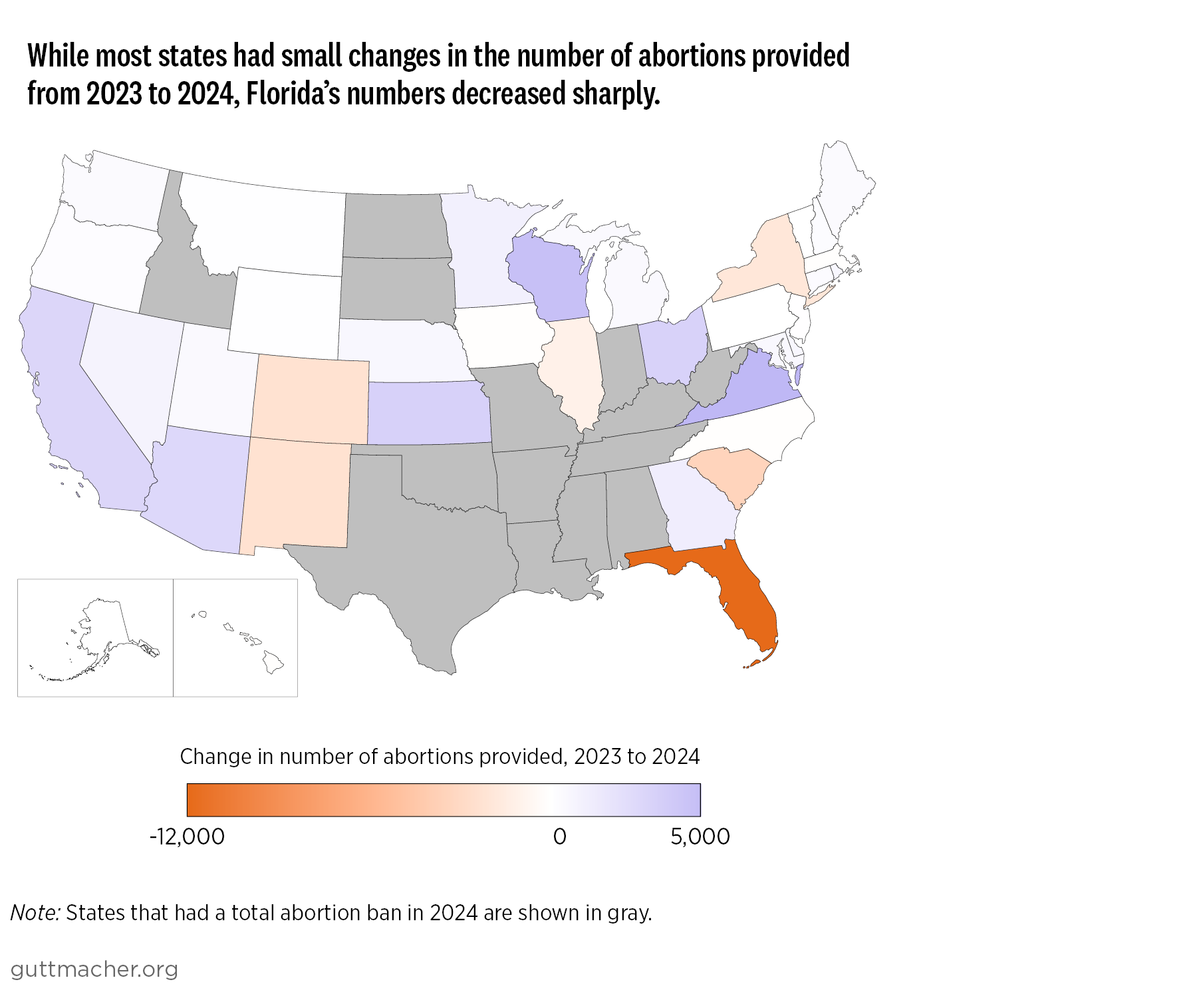
As of 2026, abortion legality in the United States is determined entirely by state-level legislation and constitutional amendments. While "abominations" is a subjective term often used to describe late-term procedures, it technically refers to states with no gestational limits. Currently, states like Oregon, New Mexico, Colorado, and Vermont allow abortion throughout pregnancy without specific week-based restrictions.
The Post-Roe Legal Landscape in 2026
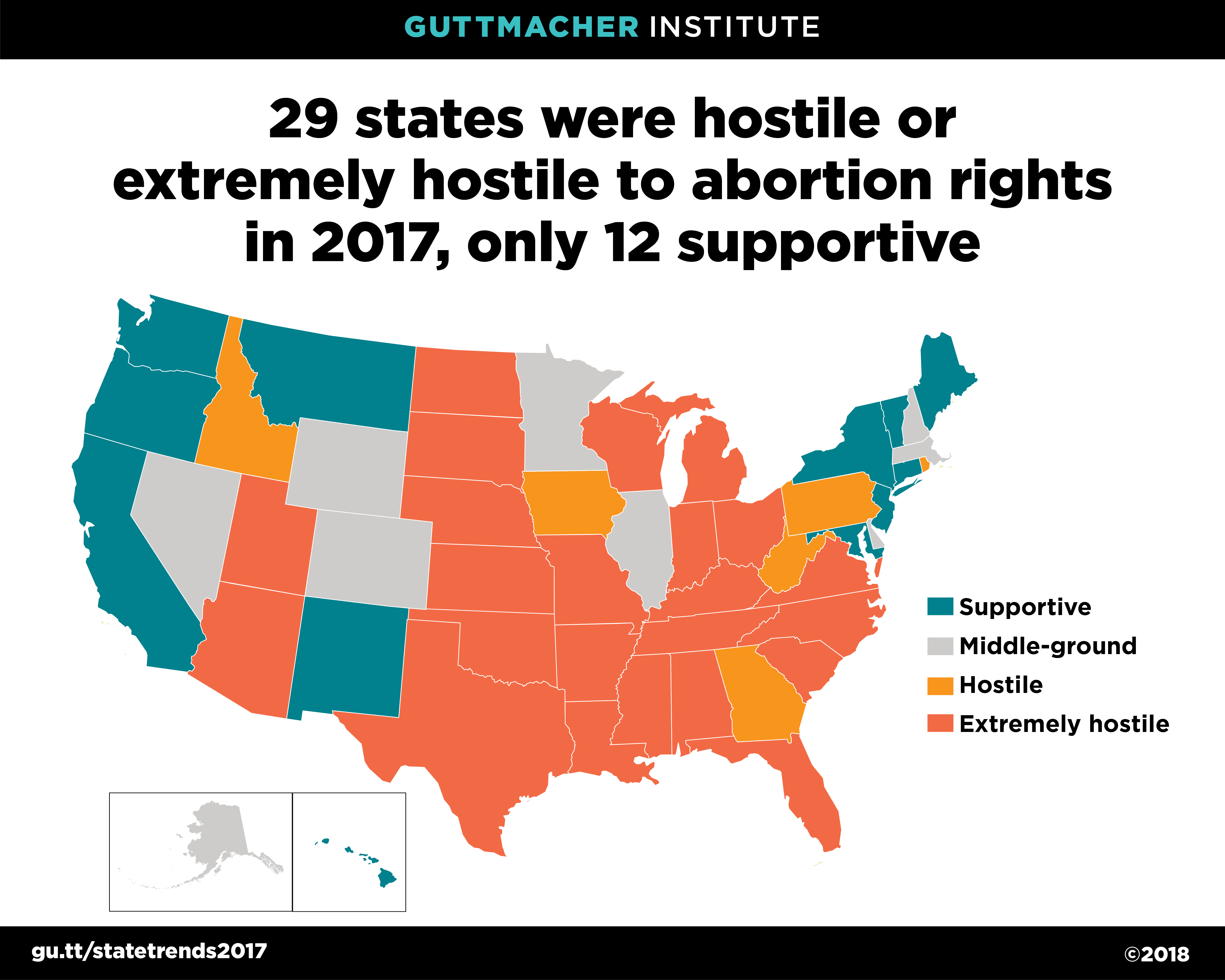
The legal environment surrounding reproductive healthcare has undergone a seismic shift since the Supreme Court’s 2022 decision in Dobbs v. Jackson Women's Health Organization. By 2026, the United States is characterized by a "legal patchwork" where a person’s ability to access abortion services depends entirely on their geographic location. This fragmentation has led to the emergence of "abortion deserts" in the South and Midwest, contrasted with "sanctuary states" on the coasts.
The term "abomination" is frequently employed in political and religious discourse to characterize procedures performed in the second or third trimester. However, in a legal and medical context, these are referred to as post-viability abortions. In 2026, the debate has moved beyond the simple question of whether abortion is legal, focusing instead on the specifics of gestational limits, "shield laws" that protect providers, and the use of state constitutions to either protect or ban the procedure.
State legislatures have become the primary battlegrounds. Following the 2024 elections, several states passed ballot initiatives that successfully codified reproductive rights into their state constitutions, effectively overriding pre-existing "trigger laws." Conversely, other states have doubled down on enforcement, implementing civil litigation models—similar to Texas’s SB8—that allow private citizens to sue anyone who "aids or abets" an abortion.
Understanding Gestational Limits and Post-Viability Access
When searching for "which states allow abominations," users are typically inquiring about states that lack a gestational limit or those that allow abortions late in the third trimester. Most states that permit abortion have a "viability" threshold, usually placed around 24 to 26 weeks of pregnancy. However, a small group of states does not specify a maximum gestational age in their statutes.
In these jurisdictions, the decision to perform a late-term abortion is generally left to the professional judgment of the physician and the patient. While these cases are statistically rare—representing less than 1% of all abortions nationwide—they are the most contentious. Critics label these late-term procedures as abominations, while medical professionals often cite severe fetal anomalies or life-threatening maternal health risks as the primary reasons for such procedures.
As of 2026, the medical community maintains that "late-term" is not a precise clinical term. Instead, they categorize procedures by the week of gestation. Access to these services is highly specialized; even in states where they are legal, there are very few clinics in the country with the equipment and trained personnel to perform abortions in the third trimester. This creates a secondary layer of "access" that is often ignored in legal summaries: a procedure may be legal in a state but practically unavailable due to a lack of providers.
States With the Fewest Restrictions (No Gestational Limits)
In 2026, several states continue to uphold laws that do not impose a specific week-based limit on abortion. These states are often the destination for patients from across the country who face complex medical diagnoses late in pregnancy.
- Oregon: Oregon remains one of the most permissive states, with no gestational limits and state-funded coverage for the procedure regardless of residency status.
- Vermont: Following a constitutional amendment in 2022, Vermont protects "reproductive autonomy" as a fundamental right, meaning no laws currently restrict the timing of an abortion.
- New Mexico: New Mexico has become a critical hub for the Southwest. It does not have a gestational limit, and its "shield laws" protect providers from out-of-state litigation.
- Colorado: Colorado codified abortion rights into state law via the Reproductive Health Equity Act and does not restrict the procedure based on the stage of pregnancy.
- New Jersey: State law explicitly protects the right to abortion at any point during pregnancy.
These states are frequently criticized by pro-life organizations for "allowing abominations," yet they argue that removing gestational limits is necessary to ensure that doctors can respond to emergency medical situations without fear of criminal prosecution.
States with Near-Total Bans and Heartbeat Bills
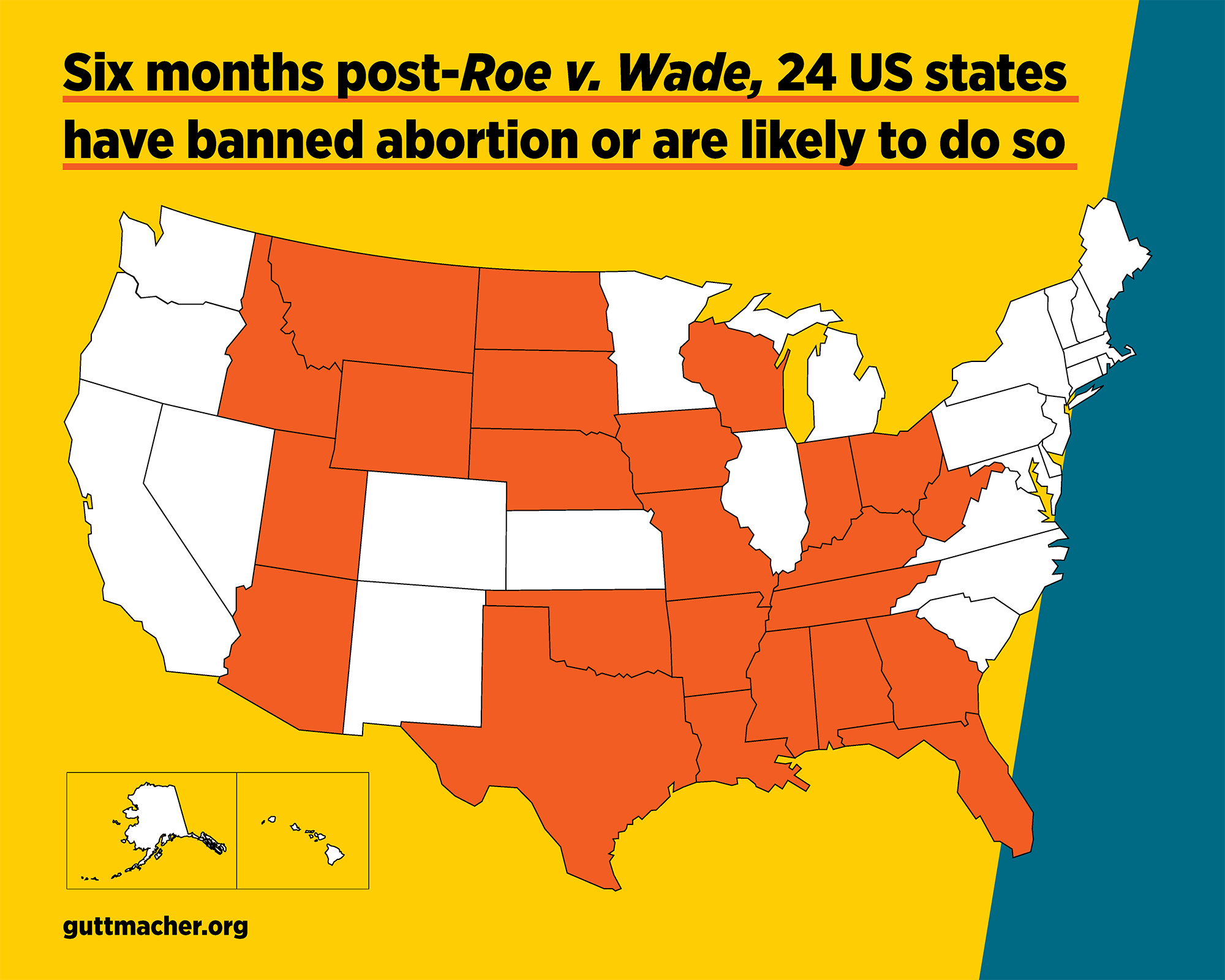
On the opposite end of the spectrum, a significant portion of the country has moved to ban abortion almost entirely. These bans generally fall into two categories: "Total Bans," which prohibit abortion from conception (with very narrow exceptions), and "Heartbeat Bills," which ban abortion once embryonic cardiac activity is detected, usually around six weeks of gestation.
In states like Texas, Alabama, Mississippi, and Idaho, abortion is essentially illegal in nearly all circumstances. The "medical emergency" exceptions in these states have been the subject of intense litigation through 2025 and 2026. Physicians have reported confusion over how "near death" a patient must be before they can legally intervene, leading to cases where patients are transported across state lines for life-saving care.
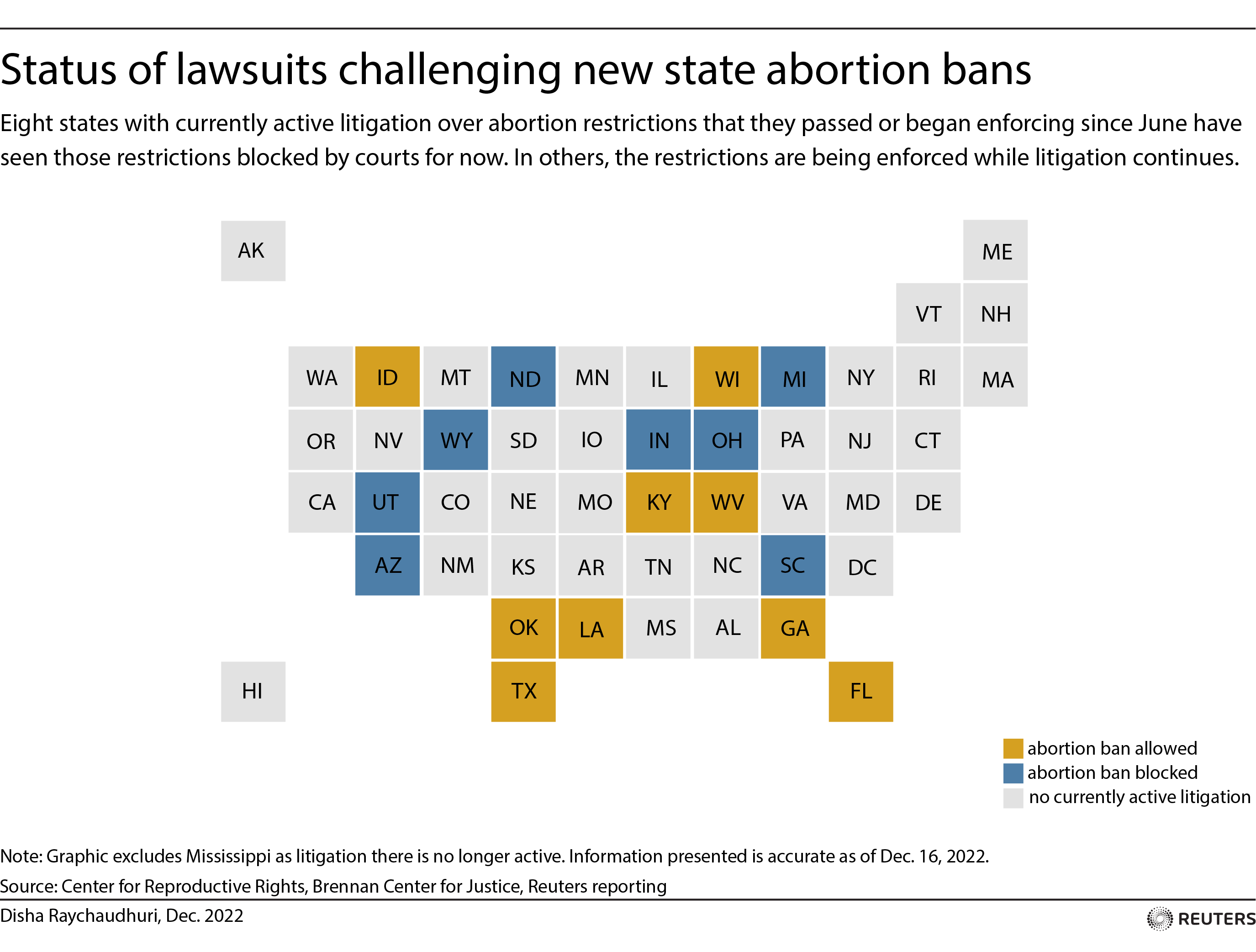
Furthermore, several states have implemented "Travel Bans" or ordinances that attempt to prevent residents from traveling to "sanctuary states" for abortion services. While the constitutionality of these travel bans is being challenged in federal courts in 2026, they have created a climate of fear and legal uncertainty for both patients and advocacy groups.
Comparative Overview of Abortion Access by State (2026 Status)
The following table provides a representative sample of the varying legal statuses across different jurisdictions. Note that laws are subject to rapid change due to ongoing court injunctions and legislative sessions.
| State | Legal Status | Gestational Limit | Key Exceptions |
|---|---|---|---|
| Alabama | Illegal | Total Ban | Life of the mother |
| California | Legal | No specific limit* | Constitutional protection |
| Florida | Highly Restricted | 6 Weeks | Life of mother, fatal anomaly |
| Idaho | Illegal | Total Ban | Life of mother, reported rape |
| New York | Legal | To Viability (approx. 24 weeks) | Health/Life of mother after viability |
| Oregon | Legal | No Limit | None specified |
| Texas | Illegal | Total Ban | Narrow life-of-mother |
| Vermont | Legal | No Limit | Constitutional protection |
| Virginia | Legal | 2nd Trimester (approx. 26 weeks) | Health/Life of mother in 3rd trimester |
*While California allows abortion post-viability only for health or life reasons in practice, its constitutional amendment provides broad protections.
The Role of "Shield Laws" and Interstate Conflict
A major development in 2026 is the expansion of "Shield Laws" in states where abortion remains legal. These laws are a direct response to the "bounty hunter" style laws in states like Texas. Shield laws are designed to protect healthcare providers, patients, and those who assist them from out-of-state legal actions.
For example, if a provider in Massachusetts provides a medication abortion via telehealth to a patient in a state where abortion is banned, Massachusetts shield laws prevent the state from cooperating with out-of-state subpoenas, arrests, or extraditions related to that medical care. This has created a "legal cold war" between state Attorneys General.
The conflict extends to data privacy. In 2026, sanctuary states have passed legislation prohibiting tech companies from handing over period-tracking data or search history to law enforcement in states where abortion is a crime. This digital border is just as significant as the physical one for those seeking to understand the current state of "abominations" or late-term access.
Medical Exceptions and the Definition of Maternal Health
Even in states with strict bans, there is almost always an exception for the "life of the mother." However, the definition of this exception is one of the most litigated topics in 2026. The ambiguity of these laws has led to a standard of care that many medical professionals find untenable.
In some jurisdictions, "health exceptions" are limited strictly to physical health, excluding mental health entirely. In others, the threat to the mother’s life must be "imminent," which forces doctors to wait until a patient is in sepsis or active organ failure before performing a termination. This legal hurdle is often what drives patients to seek "late-term" care in other states, where they are then counted in the statistics of those receiving abortions at advanced gestational ages.
Frequently Asked Questions
Which states allow abortion up until birth?
As of 2026, states including Alaska, Colorado, New Jersey, New Mexico, Oregon, and Vermont do not have specific gestational limits written into their statutes. However, this does not mean that abortions are performed "up until birth" for any reason; in practice, third-trimester abortions are almost exclusively performed for severe medical complications or fetal anomalies.
Are late-term abortions considered "abominations" in federal law?
Federal law does not use the term "abomination." The federal "Partial-Birth Abortion Ban Act of 2003" prohibits a specific type of procedure, but it does not ban all late-term abortions. The legality of such procedures is currently left to individual states following the 2022 Supreme Court ruling.
Can I be prosecuted for traveling to another state for an abortion?
In 2026, the legality of interstate travel for abortion is a major point of contention. While the constitutional right to travel is generally recognized, some states have passed local ordinances (often called "abortion trafficking" laws) that attempt to penalize those who help minors or other individuals cross state lines for the procedure. You should consult with a legal advocacy group like the Center for Reproductive Rights for the most current information in your specific jurisdiction.
What is a "heartbeat bill"?
A heartbeat bill is a law that prohibits abortion once a "fetal heartbeat" is detected. Medically, this is usually described as embryonic cardiac activity, which can be detected via ultrasound as early as six weeks into a pregnancy—often before a person even realizes they are pregnant.
Do exceptions for rape or incest exist in all states?
No. In 2026, many states with total bans (such as Alabama and Texas) do not provide exceptions for rape or incest. In states that do provide these exceptions, they often require the victim to have reported the crime to law enforcement, which can be a significant barrier to care.
Verifying Local Regulations and Seeking Support
Because state laws are in a constant state of flux due to special legislative sessions and court rulings, it is essential to verify the current status of abortion access through official channels. If you are seeking care or information regarding late-term procedures, which some refer to as abominations, you should contact licensed medical facilities or legal aid organizations that specialize in reproductive rights.
For accurate, real-time data, refer to the Guttmacher Institute or the Center for Reproductive Rights. These organizations track every legislative change and court injunction across all 50 states. Additionally, state health department websites in sanctuary states like California, New York, and Illinois provide resources for out-of-state patients, including information on legal protections and financial assistance.