Abortion decisions involve evaluating medical options, understanding regional legal requirements, and considering personal circumstances. Whether opting for medication or a clinical procedure, the process requires access to accurate medical facts, emotional support, and a clear understanding of the timeframe and costs involved in your specific jurisdiction as of 2026.
Making a decision regarding an unintended pregnancy or a medically complicated pregnancy is one of the most significant healthcare choices an individual can face. This process is rarely just a medical one; it is often intertwined with legal, financial, and personal considerations. As of 2026, the landscape of reproductive healthcare continues to evolve, making it essential to have a structured approach to gathering information and assessing your options. This guide provides a detailed breakdown of the clinical procedures, the legal environment, and the practical steps necessary to navigate this decision with clarity and confidence.
Understanding the Medical Methods of Abortion
When making an abortion decision, the first technical hurdle is understanding which medical method is appropriate for your stage of pregnancy. In 2026, clinical standards generally categorize abortion into two primary types: medication abortion and procedural abortion. The choice between them often depends on how many weeks have passed since the first day of your last menstrual period (LMP) and your personal health history.
Medication abortion, often referred to as the "abortion pill," is a non-invasive option typically available through the first 10 to 11 weeks of pregnancy. This method involves a two-drug regimen: Mifepristone and Misoprostol. Mifepristone works by blocking progesterone, the hormone necessary for a pregnancy to continue. Misoprostol, taken 24 to 48 hours later, causes the uterus to contract and empty. In 2026, telehealth has become a standard delivery model for this medication in many regions, allowing patients to consult with providers remotely and receive the pills by mail, provided they meet safety criteria and reside in a jurisdiction that permits it.
Procedural abortion, sometimes called surgical abortion, involves a clinic visit where a healthcare provider removes the pregnancy from the uterus. For pregnancies in the first trimester, this is usually done via vacuum aspiration. It is a brief procedure, often lasting only 5 to 10 minutes, and can be performed with various levels of sedation or local anesthesia. For pregnancies that have progressed into the second trimester, a Dilation and Evacuation (D&E) procedure is typically required. While "surgical" is the common term, these procedures rarely involve incisions; instead, they utilize gentle suction and medical instruments through the natural opening of the cervix.
Navigating the Legal Landscape in 2026
The legal environment surrounding abortion decisions is highly variable depending on your geographic location. Following the landmark shifts in reproductive law earlier in the decade, the year 2026 sees a fragmented landscape where "Shield Laws" and "Trigger Bans" define access. Before proceeding, it is vital to verify the specific statutes in your state or country, as these laws dictate everything from the mandatory waiting periods to the legality of telehealth.
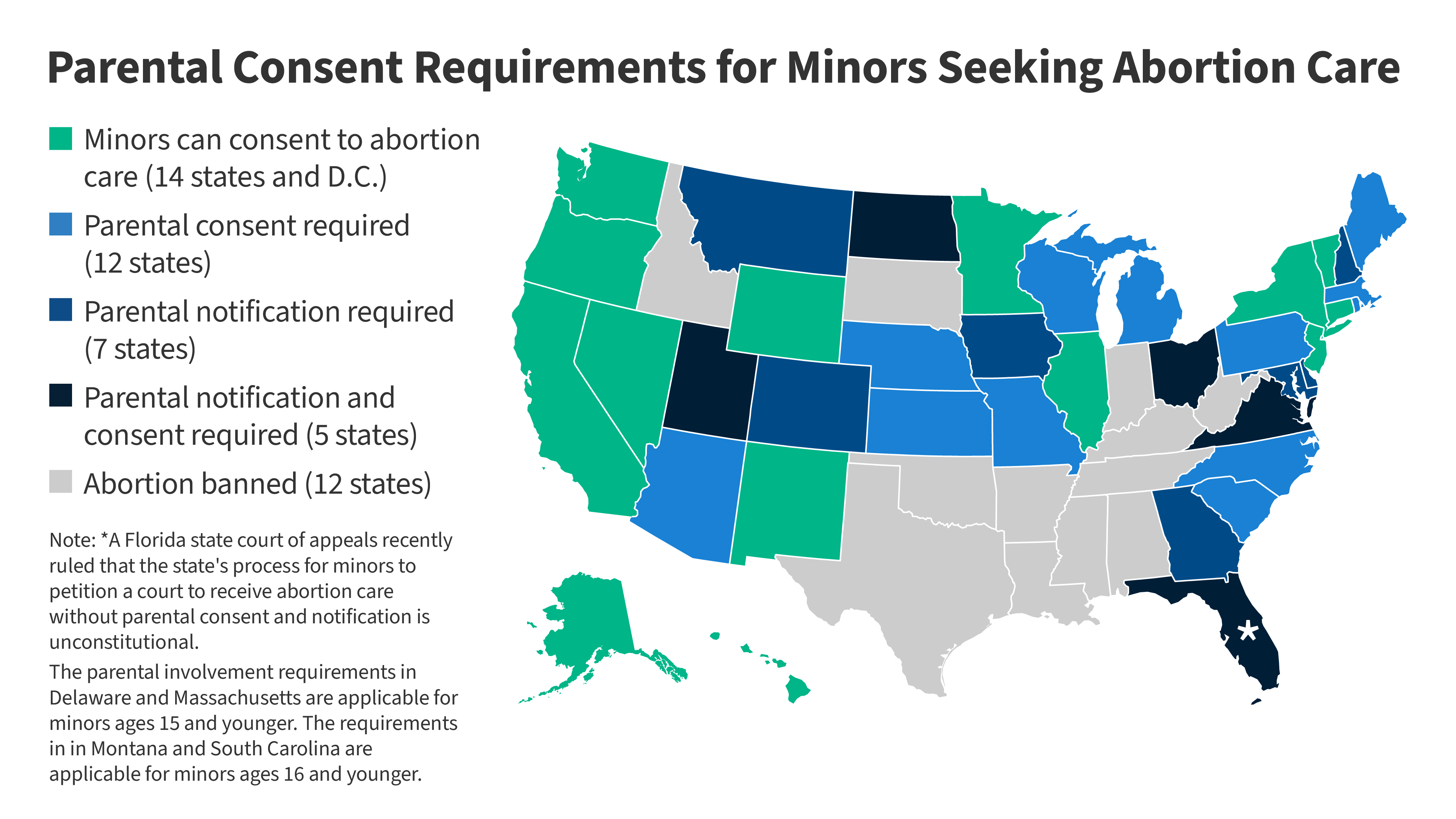
In many jurisdictions, patients must navigate "informed consent" laws, which may require reading specific materials or undergoing a state-mandated ultrasound 24 to 72 hours before the procedure. Furthermore, parental involvement laws may apply to minors, requiring either parental notification or consent, though most of these regions provide a "judicial bypass" option for those who cannot involve a parent safely.
Conversely, several regions have codified abortion as a fundamental right, establishing themselves as "access hubs." These areas often have robust protections for both patients and providers, including shield laws that prevent out-of-state legal interference. If you are traveling from a restrictive area to a protected area, it is important to consult with legal advocacy groups such as the Center for Reproductive Rights or local abortion funds to understand the logistical and legal protections available to you.
Factors Influencing the Decision-Making Process
An abortion decision is rarely made in a vacuum. It involves a complex weighing of several life factors, ranging from physical health to long-term goals. Understanding these factors can help simplify a choice that may initially feel overwhelming.
- Physical and Mental Health: For some, the decision is influenced by pre-existing health conditions that make pregnancy high-risk. For others, mental health stability and the ability to care for a child are primary drivers. Consulting with a neutral healthcare provider can help clarify the medical risks associated with both continuing and terminating a pregnancy.
- Life Timing and Future Goals: Many individuals choose abortion because they wish to complete their education, establish financial stability, or focus on children they already have. Data from the Guttmacher Institute consistently shows that the majority of people seeking abortions are already parents who are making decisions based on the welfare of their existing families.
- Financial Stability: The cost of raising a child is a significant factor. In 2026, the economic requirements of parenthood are a realistic consideration for those who do not feel they have the resources to provide the life they want for a child.
- Relationship and Support Systems: The presence or absence of a supportive partner and a reliable social network plays a crucial role. A decision may be influenced by the desire to wait for a more stable partnership or a more supportive environment.
Comparing Abortion Methods: A Practical Overview
Choosing between medication and procedural abortion involves comparing the experience, the timeframe, and the recovery. The following table provides a direct comparison to assist in the decision-making process.
| Feature | Medication Abortion | Procedural Abortion |
|---|---|---|
| Typical Gestational Limit | Up to 10-11 weeks LMP | Usually available throughout the second trimester |
| Location | Home or a private setting | Medical clinic or hospital |
| Time to Complete | 24 to 48 hours for the process | 5 to 10 minutes for the procedure |
| Success Rate | Approximately 95–98% | Greater than 99% |
| Anesthesia/Sedation | Not required (uses OTC pain relief) | Local anesthesia, sedation, or general |
| Follow-up | Phone consultation or home test | May require a brief follow-up check |
| Physical Experience | Similar to a heavy period or miscarriage | Moderate cramping during and after |
Financial Planning and Accessing Care
The cost of an abortion in 2026 varies significantly based on the type of procedure, the length of the pregnancy, and the clinic's location. A first-trimester medication abortion typically costs between $500 and $800, while a second-trimester procedural abortion can cost upwards of $1,500 to $3,000 depending on the complexity and sedation used.
Insurance coverage remains a patchwork. Some private insurance plans and state-funded programs cover abortion as part of standard reproductive care, while others are legally barred from doing so. It is essential to contact your insurance provider directly or speak with a clinic financial counselor to determine your out-of-pocket costs.
If the cost is a barrier, "Abortion Funds" are a vital resource. These are non-profit organizations that provide financial assistance to help cover the cost of the procedure, travel, and lodging. Organizations like the National Network of Abortion Funds can help connect you with local groups that bridge the gap between your available resources and the cost of care.
Addressing Emotional Health and Support
Regardless of the reasons behind an abortion decision, it is normal to experience a range of emotions, from relief and clarity to sadness or anxiety. Seeking out non-judgmental support is a key component of the process.
It is important to distinguish between "crisis pregnancy centers" (CPCs) and legitimate medical clinics. CPCs often present themselves as medical facilities but are typically anti-abortion organizations that do not provide abortion services or referrals and may provide medically inaccurate information. To ensure you are receiving evidence-based care and neutral counseling, look for clinics affiliated with the National Abortion Federation (NAF) or Planned Parenthood.
If you find yourself needing to talk through your decision, "All-Options" talklines provide a safe space to discuss all pregnancy outcomes—parenting, abortion, and adoption—without pressure or bias. After an abortion, most people find that their primary emotion is one of relief, but having a support system in place ensures that any complex feelings are managed in a healthy, productive way.
Frequently Asked Questions
Does having an abortion affect future fertility?
No. According to the American College of Obstetricians and Gynecologists (ACOG), a standard, uncomplicated abortion—whether medication or procedural—does not increase the risk of future infertility, ectopic pregnancy, or birth defects. Infection is a rare complication that could potentially affect fertility, but it is highly preventable with modern medical protocols and follow-up care.
How soon after an abortion can I get pregnant again?
You can become pregnant as soon as 1 to 2 weeks after an abortion, often before your next period arrives. This is because ovulation can occur very shortly after the pregnancy ends. If you do not wish to become pregnant again immediately, it is important to discuss contraception options with your provider during your abortion appointment.
Is medication abortion safe to do at home?
Yes, medication abortion is considered highly safe when performed with pills obtained from a reputable medical provider. The process is medically comparable to a natural miscarriage. However, it is essential to have access to a phone or a nearby medical facility in the rare event of excessive bleeding (soaking more than two maxi pads per hour for two hours) or a high fever, which could indicate a complication.
What should I bring to a procedural abortion appointment?
Most clinics recommend bringing a support person to drive you home, especially if you opt for sedation. You should wear comfortable, loose-fitting clothing and bring a photo ID and any necessary payment or insurance information. Most clinics will provide specific instructions regarding fasting if sedation is being used.
Are there "pill reversal" treatments if I change my mind?
The concept of "abortion pill reversal" is not supported by scientific evidence. ACOG and other major medical bodies state that there are no clinical trials proving that taking large doses of progesterone after the first abortion pill (Mifepristone) is safe or effective. Once the process has begun, the most medically sound path is to complete the regimen or consult immediately with an emergency medical provider.
Next Steps for Informed Decision-Making
If you are currently navigating an abortion decision, your first priority should be confirming the gestational age of the pregnancy through an ultrasound or a calculated LMP. This will determine which options are medically available to you. Once you have this information, use a directory such as AbortionFinder.org to locate a verified, licensed provider in your area or in a nearby jurisdiction.
Review your finances and contact an abortion fund if you anticipate difficulty covering the costs. Finally, ensure that you have a post-care plan that includes 24 to 48 hours of rest and access to a support person. Taking these structured steps will help ensure that your decision is executed safely, legally, and with the necessary support for your physical and emotional well-being.