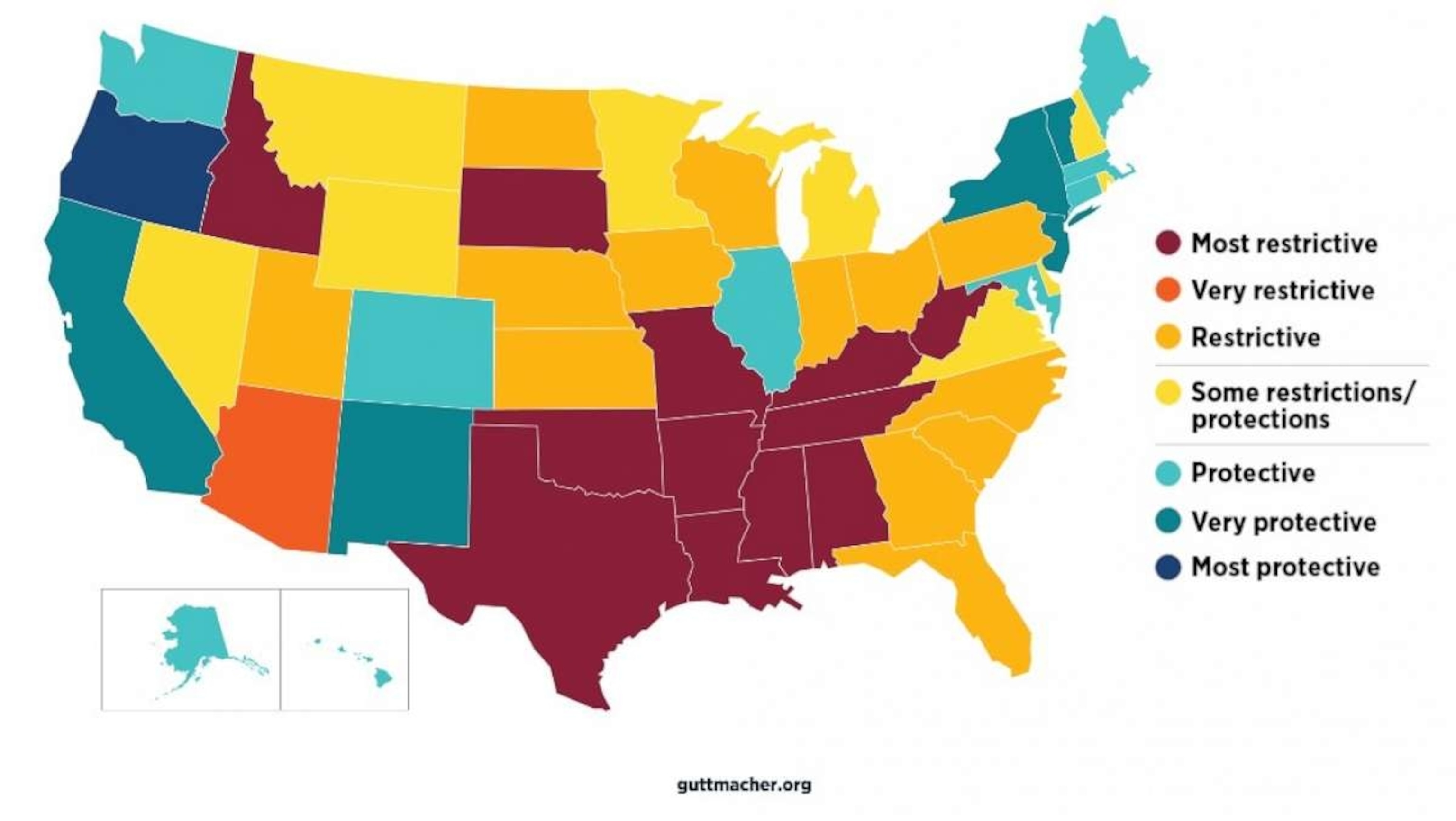
As of 2026, abortion is almost entirely illegal in the state of Alabama. Following the 2022 Supreme Court decision to overturn Roe v. Wade, the state’s 2019 Human Life Protection Act took full effect, prohibiting all abortions except those necessary to prevent a serious health risk to the pregnant person. There are currently no operational abortion clinics within the state.
The landscape of reproductive healthcare in Alabama is characterized by strict prohibition and ongoing legal debates regarding travel and assistance. For individuals seeking abortion services, the process involves navigating a complex web of out-of-state travel, telehealth resources from other jurisdictions, and support from non-profit organizations. This guide provides a comprehensive overview of the current legal environment, medical exceptions, and the practical steps required for Alabamians to access care safely.
Disclaimer: This article is for informational purposes only and does not constitute legal or medical advice. Laws regarding reproductive health are subject to rapid change and varying judicial interpretations. Consult with a qualified legal professional or healthcare provider for guidance specific to your situation.
The Legal Framework of Abortion in Alabama
Alabama’s primary governing statute is the Human Life Protection Act (HB 314), which was signed into law in 2019 and became enforceable in June 2022. Under this law, performing an abortion is a Class A felony, punishable by up to 99 years or life in prison for the provider. Attempting to perform an abortion is a Class C felony. It is important to note that the law specifically targets providers; it does not authorize the criminal prosecution of the pregnant person who undergoes an abortion.
The state’s definition of "abortion" includes the use of any instrument, medicine, drug, or other substance with the intent to terminate the pregnancy of a woman known to be pregnant. Because of the severity of these penalties, all licensed abortion facilities in Alabama—previously located in Huntsville, Birmingham, Montgomery, Mobile, and Tuscaloosa—ceased providing abortion services immediately following the Dobbs v. Jackson ruling.
The legal environment has expanded since 2022 to include discussions around "aiding and abetting." Alabama’s Attorney General has previously suggested that individuals or organizations that provide financial or logistical assistance for out-of-state abortions could potentially face prosecution under conspiracy laws. While several lawsuits have challenged these assertions, the legal climate remains hostile for advocates and support networks within the state.
Exceptions and Medical Necessity
The Alabama ban is one of the strictest in the United States, notably lacking exceptions for pregnancies resulting from rape or incest. The only statutory exception is for "serious health risks."
According to the law, a serious health risk is defined as a condition that complicates the medical condition of the pregnant woman as to necessitate the termination of her pregnancy to prevent her death or to prevent a serious risk of substantial and irreversible impairment of a major bodily function. This exception requires a high level of documentation:
- A physician must determine that the abortion is medically necessary.
- A second physician must concur with the assessment in writing.
- The procedure must be performed in a hospital with appropriate life-support equipment.
In practice, these exceptions are applied conservatively. Many healthcare providers in Alabama have expressed concern that the vague wording of "serious risk" creates a "chilling effect," where doctors may delay life-saving care out of fear of life imprisonment. This has led to reports of patients with ectopic pregnancies or miscarriages facing delays in care while hospital legal teams review the cases.
Out-of-State Travel: Destinations and Logistics
Because there are no providers in Alabama, the most common route for accessing a procedural (surgical) abortion is traveling to a state where the procedure remains legal. The logistics of this travel depend heavily on the gestational age of the pregnancy and the financial resources of the individual.
Comparing Nearby Access Points (2026 Data)
| State | Legal Status | Gestational Limit | Approx. Distance from Birmingham |
|---|---|---|---|
| Georgia | Highly Restricted | 6 Weeks | 150 Miles |
| Florida | Highly Restricted | 6 Weeks | 450 Miles |
| North Carolina | Restricted | 12 Weeks | 400 Miles |
| Virginia | Legal | 26 Weeks | 550 Miles |
| Illinois | Legal | Viability (approx. 24-26 weeks) | 480 Miles |
| Maryland | Legal | Viability | 750 Miles |
For Alabamians, Illinois and Virginia have become the primary hubs for care beyond the very early stages of pregnancy. Georgia and Florida both enforce six-week bans, which often go into effect before many people even realize they are pregnant. North Carolina offers a slightly longer window at 12 weeks but requires an in-person 72-hour waiting period, which necessitates two separate trips or a multi-day stay, significantly increasing the cost.
Practical Steps for Traveling
- Verification: Confirm the pregnancy and gestational age via an ultrasound. While Alabama doctors can perform ultrasounds, some may be hesitant to discuss abortion options.
- Booking: Use verified tools like Abortion Finder or the National Abortion Federation to find the closest legitimate clinic.
- Funding: Contact abortion funds early. Organizations like the National Network of Abortion Funds connect patients with financial assistance for both the procedure and travel costs (gas, lodging, childcare).
Medication Abortion and Telehealth (Shield Laws)
Medication abortion—using a combination of Mifepristone and Misoprostol—is the most common method for terminating a pregnancy up to 10–11 weeks. While Alabama prohibits the mailing of these pills into the state, many residents access them via telehealth services operating under "Shield Laws."
Shield Laws are protections passed in states like Massachusetts, New York, and Vermont. These laws protect healthcare providers in those states from being extradited or prosecuted by states like Alabama for sending medication to patients in restrictive jurisdictions.
How Telehealth Works in Restricted States
Services such as Aid Access allow patients to consult with a doctor online. If the patient is eligible, the provider prescribes the pills, which are then shipped from a state or country where the practice is legal.
- Confidentiality: Most telehealth platforms use encrypted messaging to protect patient data.
- Safety: Medication abortion has a safety record of over 99%, making it safer than many common over-the-counter medications like Tylenol.
- Self-Managed Care: For those who cannot travel, self-managed medication abortion (SMA) is a reality. Organizations like Plan C provide information on how to access and use these pills safely and how to navigate the legal risks involved.
Identifying and Avoiding Crisis Pregnancy Centers (CPCs)
A significant barrier to abortion access in Alabama is the prevalence of Crisis Pregnancy Centers (CPCs). These are facilities that often look like medical clinics but are typically run by anti-abortion organizations. Their primary goal is to dissuade individuals from seeking abortions.
CPCs in Alabama outnumber legitimate reproductive health clinics by a significant margin. They often offer free ultrasounds and pregnancy tests to attract patients. However, they are generally not licensed medical facilities and are not bound by HIPAA privacy laws.
Red Flags of a Crisis Pregnancy Center:
- They do not provide or refer for abortion or contraception.
- They are located very close to where former abortion clinics were.
- Their website uses vague language like "abortion counseling" or "all your options," but they only emphasize the risks of abortion.
- They often use delay tactics, telling a patient it is "too early" to see anything on an ultrasound to push them past legal gestational limits.
To ensure you are visiting a legitimate medical facility, cross-reference any clinic with the AbortionFinder.org database, which only lists verified providers.
Support Systems and Financial Assistance
Despite the legal threats from the state government, several organizations continue to provide support to Alabamians. These groups do not perform abortions but focus on "practical support," which includes navigating the logistics of healthcare.
- The Yellowhammer Fund: This is the most prominent abortion fund serving Alabama. They provide financial assistance for procedures and travel, as well as advocacy for reproductive justice.
- ARC-Southeast: The Abortion Care Tennessee/Southeast network helps residents across the region access care by bridging the gap in funding for those who must travel long distances.
- Repro Legal Helpline: For those concerned about the legalities of self-managing an abortion or traveling, the Repro Legal Helpline provides confidential legal information and advice.
When contacting these organizations, it is recommended to use secure communication methods, such as Signal or ProtonMail, especially given the state's interest in monitoring reproductive-related activities.
Legal Risks and Interstate Travel
The most contentious legal issue in Alabama currently is the right to travel. In 2023 and 2024, Attorney General Steve Marshall argued that the state has the authority to prosecute people who help others obtain out-of-state abortions. However, the U.S. Constitution's right to interstate travel is a deeply embedded principle.
In 2026, the status of "travel bans" remains in a state of litigation. While no individual has been successfully prosecuted for merely traveling out of state to a legal clinic, the threat is used as a deterrent. Legal experts suggest that the most significant risk is not for the person seeking the abortion, but for those providing logistical support—such as a friend driving the patient or a non-profit paying for the hotel.
Digital Privacy Considerations
For Alabamians, digital privacy is a crucial component of access. Search history, location data, and private messages can be used as evidence in investigations.
- Use Private Browsers: Use DuckDuckGo or Brave.
- Disable Location Services: Turn off GPS when visiting clinics or meetings.
- Encrypted Messaging: Avoid SMS for discussing medical plans; use Signal with disappearing messages.
FAQ: Abortion Access in Alabama
Is it legal to get abortion pills by mail in Alabama?
Alabama law prohibits the distribution of abortion pills by mail. However, providers in states with "Shield Laws" continue to ship medication to Alabama. While the provider is protected by their home state's laws, the legal status for the recipient in Alabama is complex. There is currently no Alabama law that allows for the criminal prosecution of the pregnant person for self-managing an abortion, but the legal environment is hostile.
Can I be prosecuted for traveling to Illinois for an abortion?
Under current constitutional interpretations, you have a right to travel between states. Alabama law targets the providers of abortions within the state, not the patients. However, the state government has attempted to target those who "conspire" to help people travel. As of 2026, there have been no successful prosecutions of individuals for traveling to a state where abortion is legal.
Does Alabama have a "bounty hunter" law like Texas?
No, Alabama does not currently utilize a private civil enforcement mechanism (often called a "bounty hunter" law) like Texas’s SB8. Alabama relies on criminal statutes (HB 314) that carry heavy prison sentences for doctors and providers.
What should I do if I have a miscarriage in Alabama?
If you are experiencing a miscarriage, you should seek emergency medical care immediately. The treatment for a miscarriage (often a D&C or the same medications used in abortions) is legal in Alabama. However, because the procedures are identical, some hospitals may require additional documentation to prove the pregnancy was not viable before proceeding.
Are there any clinics in Alabama that offer the morning-after pill?
Yes. Emergency contraception (like Plan B or Ella) is not an abortifacient and remains legal in Alabama. It is available over-the-counter at most pharmacies and health clinics. It works by preventing pregnancy before it starts and cannot terminate an existing pregnancy.
Recommended Next Actions
If you are currently seeking abortion access in Alabama, your first step should be to confirm the gestational age of the pregnancy through a medical provider. If you are under 10 weeks, exploring telehealth options via Aid Access or Plan C is often the most accessible and private route. If you are beyond 10 weeks, you will likely need to arrange travel to Illinois or Virginia.
Immediately contact the Yellowhammer Fund or ARC-Southeast if you require financial assistance. These organizations are experienced in the specific hurdles Alabamians face and can help coordinate travel and funding. Ensure your digital footprint is minimized by using encrypted communication for all discussions related to your care.