Abortion access in 2026 is determined primarily by your geographic location, gestational age, and financial resources. To obtain care, you must first identify the legal status in your state, choose between medication or procedural methods, and verify a legitimate provider through trusted directories like AbortionFinder.org or the National Abortion Federation.
The landscape of reproductive healthcare has undergone a profound transformation over the last several years. Following the 2022 Supreme Court decision in Dobbs v. Jackson, the United States moved from a federal standard of access to a fragmented "patchwork" system. As of 2026, your ability to access abortion depends on a complex interplay of state statutes, state constitutional protections, and the evolving use of telehealth. For many, navigating this environment requires understanding not just medical procedures, but also legal rights and logistical support systems.
Understanding the Legal Landscape of Abortion in 2026
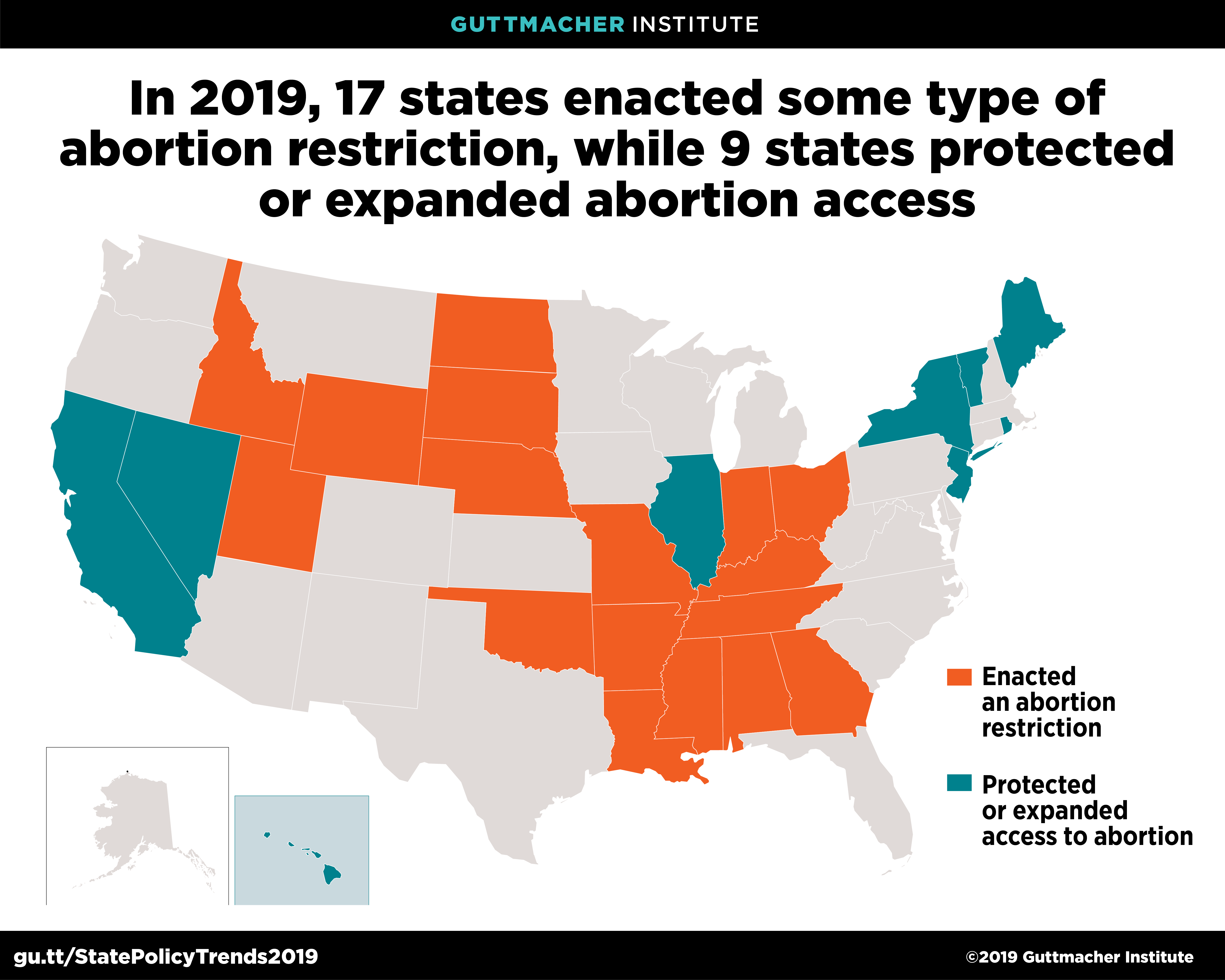
The legal status of abortion currently falls into three primary categories across the United States: states where abortion is protected by law or the state constitution, states where it is strictly banned or restricted to very early pregnancy, and states where access remains under ongoing litigation.
In "Protected Access" states, such as California, New York, Illinois, and several others that passed ballot initiatives between 2022 and 2025, abortion is integrated into the standard healthcare system. These states often have "Shield Laws" in place. Shield laws are legislative protections designed to prevent local law enforcement and courts from cooperating with out-of-state investigations regarding legal reproductive care provided within their borders. This is particularly relevant for clinicians who provide telehealth services to patients located in states with bans.
In "Restricted" or "Banned" states, the challenge is significantly higher. Many of these jurisdictions have enacted "trigger laws" or newer bans that prohibit abortion from conception or at six weeks of pregnancy—often before an individual knows they are pregnant. In these areas, the only legal path to abortion typically involves traveling to a protected state. However, the use of medication abortion via mail, supported by providers in shield-law states, remains a critical, albeit legally contested, pillar of access.
It is essential to consult real-time legal maps, such as those maintained by the Center for Reproductive Rights or the Guttmacher Institute, as local laws can change due to court injunctions or legislative sessions.
Clinical Methods: Choosing the Right Procedure
When you have established where you can receive care, the next step is determining which medical method is appropriate for your pregnancy stage and health history. In 2026, medication abortion accounts for more than 60% of all abortions in the U.S. due to its privacy and convenience.
Medication Abortion
Commonly referred to as the "abortion pill," this method typically involves two different drugs: mifepristone and misoprostol. Mifepristone works by blocking progesterone, the hormone necessary for a pregnancy to continue. Misoprostol, taken 24 to 48 hours later, causes the cervix to soften and the uterus to contract, expelling the pregnancy tissue.
- Gestational Limit: Generally FDA-approved and clinically recommended up to 10 or 11 weeks of pregnancy.
- Process: Can be done at home or in a clinic. It involves a process similar to a heavy period or early miscarriage.
- Effectiveness: Approximately 95–98% effective.
Procedural Abortion
Procedural (or "in-clinic") abortions are minor medical procedures performed by trained clinicians.
- Aspiration Abortion: The most common procedural method, used typically up to 14–16 weeks. It involves a gentle suction to empty the uterus. The procedure itself takes about 5 to 10 minutes.
- Dilation and Evacuation (D&E): Usually performed after 15 or 16 weeks. This procedure requires more dilation of the cervix and is often done under sedation.
- Effectiveness: Nearly 100% effective, with a very low risk of complications.
| Feature | Medication Abortion | Procedural (Aspiration) |
|---|---|---|
| Common Timing | Up to 10-11 weeks | Up to 14-16 weeks (or later) |
| Location | Home or private setting | Medical clinic or hospital |
| Duration | 24–48 hours for the full process | 5–10 minutes for the procedure |
| Anesthesia | Not required (oral pain meds used) | Local anesthesia or sedation options |
| Privacy | High (completed at home) | High (medical supervision provided) |
| Cost (Approx.) | $500 – $800 | $600 – $1,000+ (increases with gestation) |
How to Find and Verify a Legitimate Provider
One of the greatest hurdles in abortion access is the prevalence of "Crisis Pregnancy Centers" (CPCs). These are organizations that often look like medical clinics and advertise "free ultrasounds" or "abortion counseling," but they do not provide abortions or referrals for the procedure. Their primary goal is often to delay a patient’s care until they are past the legal gestational limit.
To ensure you are visiting a legitimate medical facility:
- Use Verified Directories: Only use trusted sources like AbortionFinder.org, Bedsider, or the National Abortion Federation.
- Check for Medical Staff: A legitimate clinic will have licensed doctors and nurses on staff.
- Confirm Services Offered: Directly ask over the phone, "Do you perform abortions on-site?" If the answer is vague or focuses on "options counseling" without a clear "yes," it may be a CPC.
- Review the Website: Legitimate clinics focus on medical facts, costs, and scheduling. CPCs often use emotional language and may provide medically inaccurate information about the risks of abortion.
Financial Considerations and Abortion Funds
The cost of an abortion varies based on the method, the gestational age of the pregnancy, and the type of sedation required. In 2026, many private insurance plans in protected states cover abortion, but federal law (the Hyde Amendment) continues to restrict the use of Medicaid for abortion in most circumstances.
For those who cannot afford the out-of-pocket costs, abortion funds are vital. The National Network of Abortion Funds (NNAF) connects patients with local organizations that provide direct financial assistance for the procedure itself, as well as "practical support." Practical support includes help with:
- Gas money or bus/plane tickets.
- Hotel stays for those traveling from states with mandatory waiting periods.
- Childcare costs during the appointment.
- Meal stipends during travel.
When calling a clinic, always ask if they work with specific abortion funds. Many clinics have "in-house" funds or streamlined processes to help you apply for financial aid the moment you book your appointment.
Logistical Planning for Out-of-State Care
If you live in a state where abortion is restricted, traveling for care requires significant planning. Several states still enforce mandatory waiting periods—typically 24 to 72 hours—between an initial consultation and the procedure. This often necessitates staying in a hotel for at least one or two nights.
In 2026, "Navigation Hubs" have become more common. These are specialized organizations or clinic departments that help out-of-state patients coordinate their travel and funding in one place. When booking, ask the clinic if they have a "patient navigator" who can assist with the logistics of your visit.
Additionally, be aware of your digital privacy. When searching for care or traveling across state lines, use encrypted messaging apps like Signal, use a VPN, and consider turning off location services on your mobile device if you are concerned about digital footprints in restrictive jurisdictions.
Troubleshooting Common Obstacles
Even in states with legal access, you may encounter barriers such as long wait times or protesters.
- Wait Times: Due to the influx of patients from restricted states, clinics in "border" cities often have longer wait times. If your local clinic is booked, check clinics further into the interior of the state.
- Protesters: Many clinics have "clinic escorts"—volunteers in colorful vests who will walk you from your car to the door to shield you from protesters. They are there for your safety and comfort.
- Medical Complications: While abortion is statistically safer than childbirth or a wisdom tooth extraction, you should always have a plan for follow-up care. If you experience heavy bleeding (soaking through two large pads per hour for two hours) or a high fever, seek emergency care. In restrictive states, you do not need to disclose that you had an abortion; the symptoms and treatment for a medication abortion are identical to those of a natural miscarriage.
FAQ
How much does an abortion cost in 2026?
The cost generally starts around $500 for medication abortion and can reach $1,000 or more for procedural abortions in the first trimester. Costs increase significantly as the pregnancy progresses into the second trimester. These prices include the medical consultation, the procedure or pills, and follow-up care. Financial assistance is available through various abortion funds for those who qualify.
Can I get abortion pills by mail if I live in a state where it is banned?
Yes, many people access medication abortion via telehealth providers who operate under "Shield Laws" in protected states. These providers prescribe and mail the medication to patients in all 50 states. While this is a common practice in 2026, it is important to understand the specific legal risks in your home state, as some jurisdictions have attempted to criminalize the receipt of these medications.
Is abortion still legal at the federal level?
No, there is no longer a federal right to abortion in the United States. Following the 2022 reversal of Roe v. Wade, the authority to regulate or ban abortion was returned to individual states. However, federal agencies like the FDA continue to regulate abortion medications, and federal laws like EMTALA (Emergency Medical Treatment and Labor Act) require hospitals to provide life-saving abortion care in emergencies, regardless of state bans.
What is the difference between a clinic and a Crisis Pregnancy Center (CPC)?
A legitimate abortion clinic provides medical procedures and prescriptions by licensed healthcare professionals. A Crisis Pregnancy Center (CPC) is typically a non-medical, often religiously affiliated organization designed to discourage abortion. CPCs do not provide abortions and often use deceptive advertising to attract people seeking reproductive healthcare.
Do I need parental consent to get an abortion?
Parental involvement laws vary by state. Many states require a minor to have a parent’s permission or for a parent to be notified before an abortion. However, almost all of these states also have a "judicial bypass" process, which allows a minor to get permission from a judge instead of a parent. In many protected states, minors can consent to abortion care on their own.
Recommended Next Actions for Seeking Care
If you need to access abortion services, your first priority should be timing. Because gestational limits and clinic schedules are strict, taking action quickly is essential.
- Confirm Pregnancy: Use a high-quality home pregnancy test. If positive, try to determine the date of your last menstrual period (LMP) to estimate how many weeks pregnant you are.
- Locate a Provider: Visit AbortionFinder.org to find the clinic closest to you and verify their current legal status and available appointments.
- Secure Funding: If cost is a barrier, contact the National Network of Abortion Funds immediately. Do not wait until your appointment date to seek financial help.
- Arrange Logistics: If travel is required, book your transportation and lodging. Check if your employer offers reproductive health travel benefits, which have become more common in the corporate sector by 2026.
- Prioritize Privacy: Use private browsing modes and secure communication for all related searches and conversations to protect your personal data.