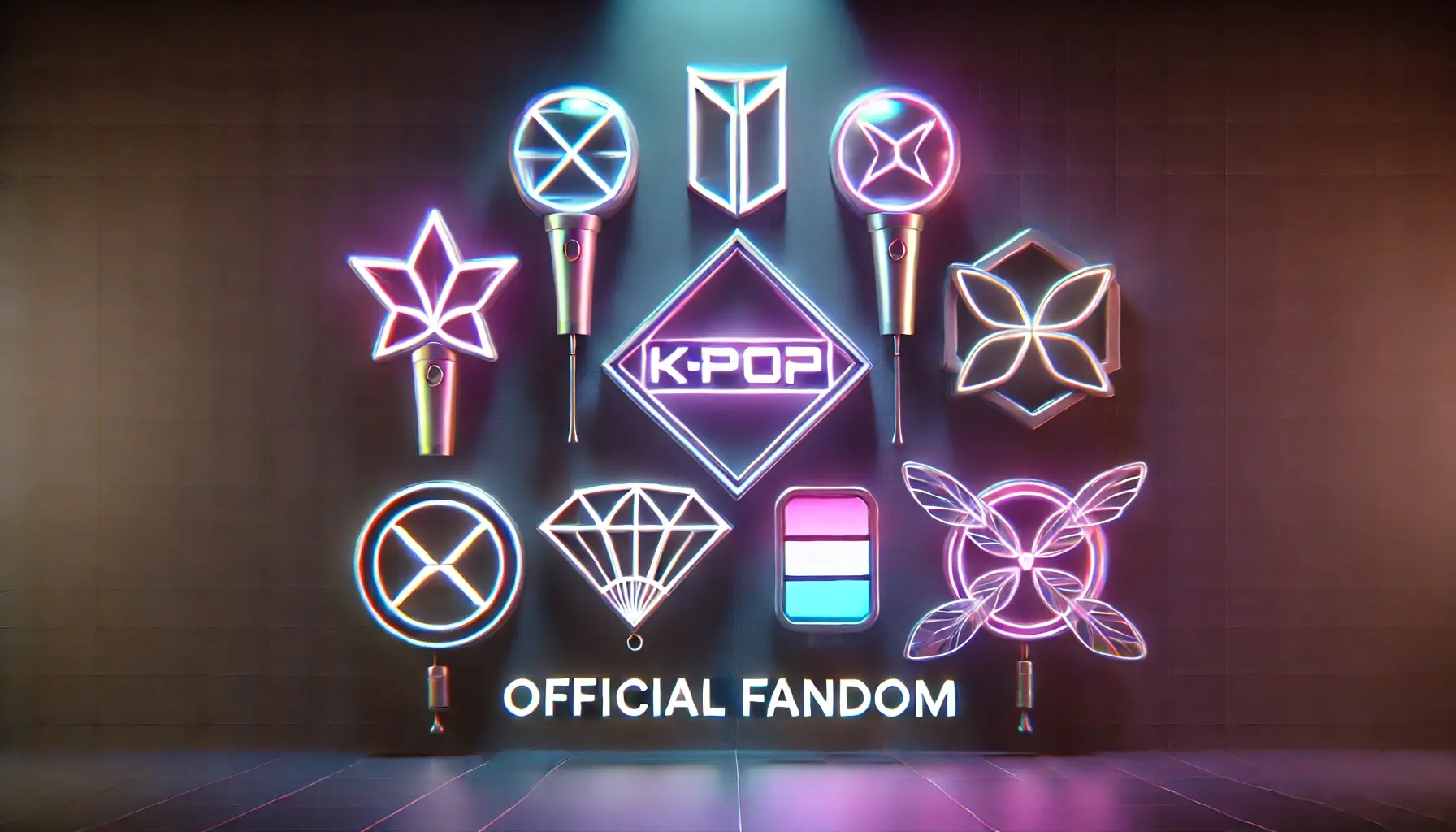
In the context of the 2026 K-pop industry, an ablume (a stylized vernacular for "album") refers to the complex, multi-component physical music package that serves as a collectible art piece, a branding tool, and a primary vehicle for fandom engagement. It represents the evolution of music media from simple storage devices into curated lifestyle objects essential for identity expression and chart performance.
The Etymology and Stylization of "Ablume"
While the term "album" remains the standard industry descriptor, the variation "ablume" has gained significant traction in digital fandom spaces, particularly on platforms like X (formerly Twitter), Instagram, and specialized K-pop community hubs. This linguistic shift is not merely a typographical quirk; it reflects a broader cultural movement within the international K-pop community to differentiate the South Korean "packaged experience" from Western-style jewel cases.
By 2026, the word "ablume" is often used to emphasize the "blooming" or unfolding nature of these products. Unlike a standard CD case, a K-pop ablume typically contains a photobook, random photocards, posters, stickers, and various "inclusions" that "bloom" out of the packaging upon unboxing. This aesthetic-focused terminology aligns with the high-production value that has defined the "Fifth Generation" and "Sixth Generation" of K-pop, where the physical product is treated as a premium luxury good rather than just a medium for audio.
The term also serves a functional role in the BST (Buy/Sell/Trade) community. Fans often use specialized spellings or "leetspeak" variations to navigate social media algorithms, curate specific aesthetic feeds, or signal their membership in niche collector circles. To "stray" from standard English nomenclature is a common tribal marker in online fandoms, fostering a sense of exclusivity and shared linguistic identity.
Historical Origins: From Cassettes to Concept Kits
The origins of the modern K-pop ablume are rooted in the early 2000s, but the true transformation began during the Third Generation (roughly 2012–2017). Prior to this, Korean music releases followed a more traditional format, transitioning from cassettes to CDs in standard plastic cases. However, as digital streaming began to cannibalize physical sales worldwide, the K-pop industry—led by pioneers like SM Entertainment and Big Hit Music (now HYBE)—pivoted toward "experiential packaging."
The 2013 release of BTS’s 2 Cool 4 Skool and EXO’s XOXO marked significant turning points where the photobook became as important as the disc. By the mid-2020s, the "ablume" had fully transitioned into a multi-version phenomenon. The strategy of releasing "A," "B," and "C" versions—each with unique visual concepts—turned music purchasing into a form of "gacha" or blind-box collecting.
By 2026, this history has culminated in the "Ablume 3.0" era, characterized by:
- Eco-Friendly Materials: A response to the 2023–2024 backlash against environmental waste.
- Digital Integration: The inclusion of NFC chips and QR codes that link to exclusive mobile content.
- Modular Design: Packaging that doubles as room decor, such as the "Ablume Display" frames popular in 2025.
The Anatomy of a Modern Ablume: More Than Just Music
To understand the role of the ablume in fandom culture, one must look at its physical and digital components. In 2026, a standard release is no longer just a box; it is a carefully engineered psychological experience designed to trigger the "unboxing" thrill that fuels social media content.
The Photobook
The heart of the ablume is the photobook. Usually ranging from 60 to 120 pages, these books are shot by world-class photographers and feature high-fashion concepts. For many fans, the music is secondary to the visual narrative told through these pages. The "ablume" concept emphasizes the visual "blossoming" of a group’s identity during a specific "comeback" cycle.
Random Inclusions (The "Pull")
The most culturally significant aspect of the ablume is the inclusion of random photocards (PCs). These credit-card-sized photos of individual group members have created a secondary economy. Fans do not just buy an ablume; they "pull" for their "bias" (favorite member). This randomness is the primary driver of bulk purchasing, a practice where a single fan might buy dozens of copies to ensure they receive a complete set of cards.
Digital-Physical Hybrids
In 2026, the "Platform Version" of an ablume has become a staple. These are smaller, often card-sized packages that contain no physical disc but provide a digital link to high-fidelity audio and exclusive videos. This format addresses the fact that most modern fans no longer own CD players, yet still desire a physical artifact to display.
Role in Fandom Culture: Identity and Social Currency
The ablume is the "social currency" of the K-pop world. Its role extends far beyond the point of purchase, influencing how fans interact with one another and how they perceive their status within the community.
Supporting the "Comeback"
In K-pop, a new release is called a "comeback." The success of a comeback is measured by first-week sales on charts like Hanteo and Circle (formerly Gaon). Buying an ablume is seen as a direct act of devotion. Fans organize "group orders" (GOs) to lower shipping costs and maximize chart impact. In this context, the ablume is a tool for collective action, allowing fans to demonstrate the "buying power" of their specific fandom.
The Ritual of Unboxing
The "Unboxing Video" is a cornerstone of K-pop YouTube and TikTok/Reels culture. These videos are often meditative, focusing on the tactile quality of the paper, the reveal of the photocards, and the "ASMR" sounds of the packaging. The ablume provides the raw material for this digital content, creating a cycle where physical goods drive digital engagement.
Interior Design and "Shelfies"
In 2026, the way a fan displays their "ablume collection" is a major part of their online identity. Specialized shelving units, color-coordinated spines, and "shrine" setups are common. The term "ablume" fits this aesthetic focus perfectly, as the product is viewed as a decorative "bloom" of color in a fan's personal space.
Comparison of Ablume Formats in 2026
The market has diversified significantly to cater to different types of collectors. The following table outlines the primary formats available in 2026.
| Format Type | Primary Components | Portability | Fandom Role |
|---|---|---|---|
| Standard Ablume | CD, Large Photobook, 2-3 Random PCs, Poster, Stickers. | Low (Heavy) | The "Core" collection piece; primary chart driver. |
| Platform/NFC Version | QR Code/NFC Card, Small Photobook, 1-2 PCs. | High (Pocket-sized) | Eco-conscious choice; focus on digital audio and PC collecting. |
| Limited/Collector's Edition | Vinyl-sized box, Hardcover Book, Rare "Lenticular" PCs, Merch (e.g., keychains). | Very Low (Display item) | High-status item; often sells out in pre-order within minutes. |
| POCA/Nemo Version | Cardboard sleeve, Digital Link, Random PC set. | Maximum | Minimalist; designed specifically for PC traders who don't want "bulk" waste. |
| Digipack | Member-specific cover, Small booklet, 1 PC. | Medium | Budget-friendly; used to collect specific member sets ("Solo stans"). |
The BST Economy: Buying, Selling, and Trading
The existence of the ablume has birthed a massive secondary market. Because inclusions are random, the community has developed a sophisticated trading system.
- Trading: Fans meet at "Cup Sleeve Events" or via social media to trade photocards. A "rare" card from a specific ablume can be worth hundreds of dollars, while the ablume itself (without the card) might be sold for a fraction of its original price.
- Selling "Unsealed" vs. "Sealed": A "sealed" ablume is one that hasn't been opened, keeping the randomness intact. "Unsealed" ablumes are sold without the random photocards, catering to fans who just want the photobook and the music.
- The "Tax" Phenomenon: In 2026, fans often refer to "Member Pricing" or "Bias Tax," where cards of more popular members are priced higher in the secondary market. The ablume's design, which encourages this disparity through randomness, is a constant point of debate regarding the ethics of "fan exploitation."
Sustainability and the 2026 Market Shift
As we move through 2026, the "ablume" concept is facing its biggest challenge: environmental sustainability. For years, the industry was criticized for "bulk buying" practices where fans bought hundreds of albums only to throw the paper and plastic away after extracting the photocards.
In response, "Green Ablumes" have become the gold standard. These use:
- Biodegradable Soy Ink: For printing all photobooks.
- FSC-Certified Paper: Ensuring responsible forestry.
- Digital-Only Discs: Moving away from plastic CDs entirely in favor of high-res digital downloads included via eco-friendly card stock.
This shift has changed the "meaning" of the ablume from a disposable commodity to a "legacy" item. Fans are now encouraged to buy one high-quality "Green Ablume" rather than dozens of plastic-heavy versions.
Why do fans call it an "ablume" instead of just an "album"?
The term "ablume" is largely a stylistic choice within Gen Z and Gen Alpha K-pop circles. It combines the word "album" with "bloom," emphasizing the aesthetic and visual nature of the product. It also serves as a "filter-proof" keyword in online marketplaces where standard terms might be buried by professional retailers or bots.
How do ablumes affect the Billboard and Circle charts?
In 2026, music charts have strict rules about what constitutes a "sale." To count, an ablume must meet specific pricing and distribution criteria. The multiple versions of a single ablume are usually "bundled" into one chart entry, allowing K-pop acts to compete with Western artists who may have higher streaming numbers but lower physical sales.
What are "POBs" and why are they important for ablume collectors?
POB stands for Pre-Order Benefit. These are exclusive photocards or gifts given only to those who purchase the ablume before its official release date. They are often store-specific (e.g., the Soundwave POB vs. the Apple Music POB), which encourages hardcore collectors to buy the same ablume from multiple different retailers to get all the exclusive "blooms."
Is the physical CD in an ablume still relevant in 2026?
Technically, the CD is becoming a "legacy inclusion." While many standard ablumes still include them for chart-tracking purposes, most fans consume the music via streaming services. The CD has essentially become a "collectible coaster," while the NFC and QR-based digital versions have become the practical way to listen to the album’s high-fidelity audio.
How should I store my K-pop ablumes to prevent damage?
Because ablumes are often made of paper and sensitive cardstock, they are prone to "sun-bleaching" and humidity damage. Collectors recommend storing them on shelves away from direct sunlight, using PVC-free and acid-free sleeves for the photocards, and keeping the books upright to prevent the spines from warping over time.
Recommended Actions for New Collectors
If you are just entering the world of K-pop collecting in 2026, start by identifying whether you are a "Completionist" or a "Casual Listener."
For completionists, the best path is to join a "Group Order" (GO) on social media. This allows you to "claim" a specific member's inclusions, ensuring you get your favorite member without having to buy multiple copies of the same ablume. For casual listeners, the "Platform Version" is the most sustainable and cost-effective way to own a piece of the comeback without taking up significant physical space. Always verify the seller's "proof of transactions" when buying on the secondary market to avoid the common "ablume scams" that target new fans.