Abercrombie & Fitch Co. has evolved from a 19th-century elite outdoor outfitter into a global fashion powerhouse and a case study in corporate turnaround. As of 2026, the company operates as a digitally-led, inclusive lifestyle retailer, maintaining a strong public presence on the New York Stock Exchange (NYSE: ANF) while targeting a sophisticated millennial and Gen Z demographic.
The Evolution of an American Icon: From 1892 to Today
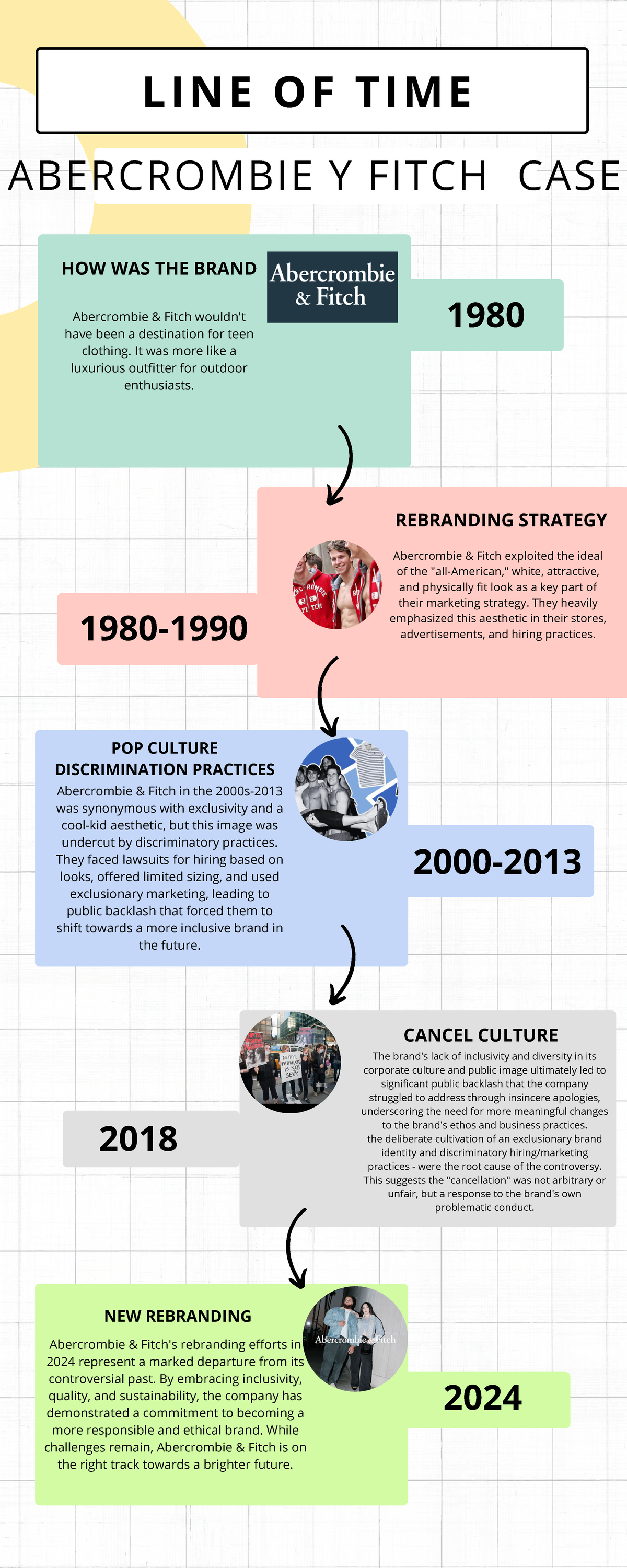
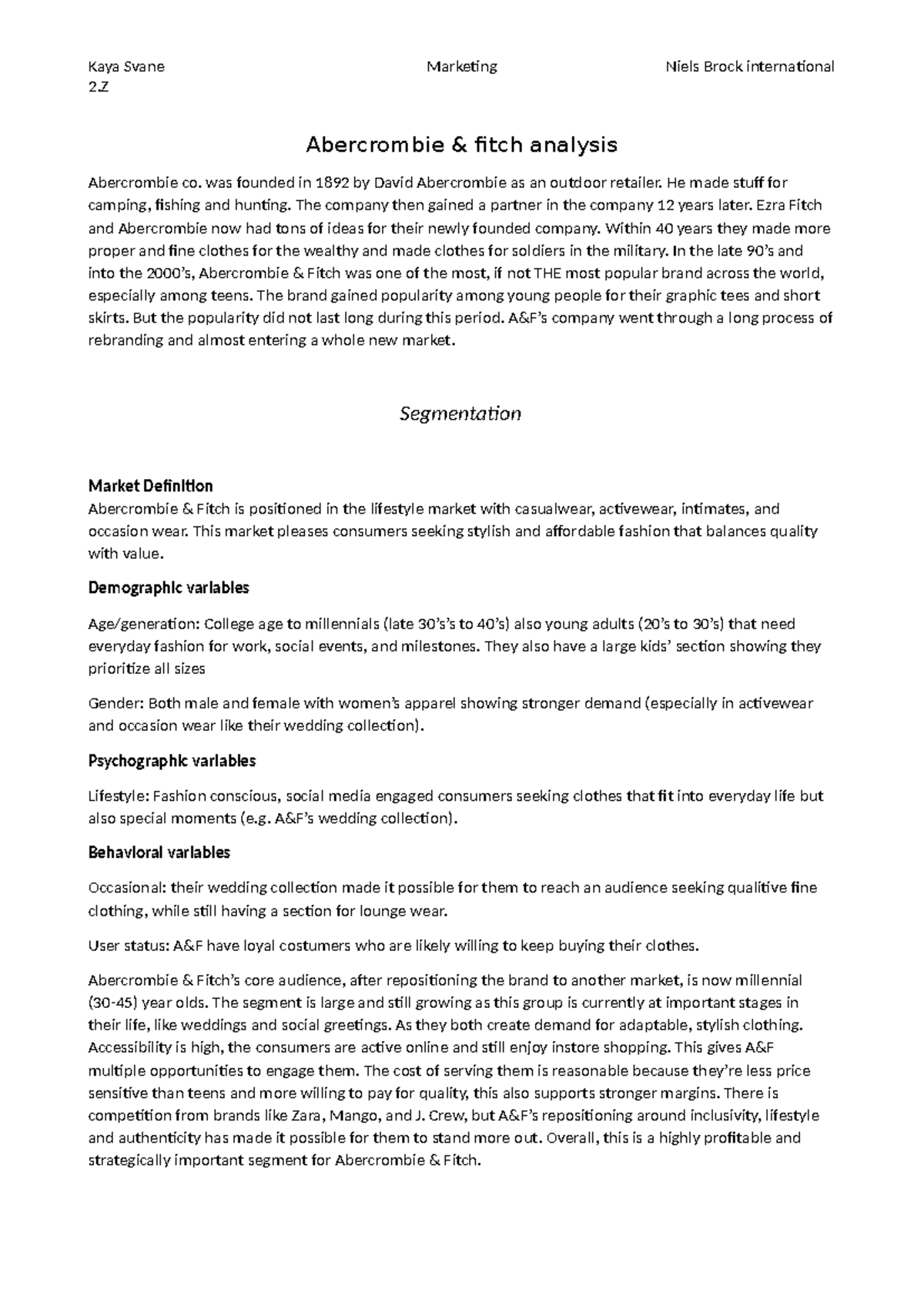
The history of Abercrombie & Fitch (A&F) is a three-act play of transformation. Founded in 1892 by David T. Abercrombie and Ezra Fitch, the original "Abercrombie & Fitch Co." was a luxury sporting goods store located in Manhattan. For much of the early 20th century, the brand was synonymous with high-end expedition gear, famously outfitting figures like Theodore Roosevelt, Ernest Hemingway, and Amelia Earhart. During this period, the brand was less about fashion and more about utility, craftsmanship, and the rugged American spirit.
The company faced its first major existential crisis in the 1970s, filing for Chapter 11 bankruptcy in 1977. It was subsequently purchased by Oshman’s Sporting Goods, but the brand struggled to find its footing until it was acquired by The Limited (now Bath & Body Works, Inc.) in 1988 under the leadership of Leslie Wexner. This acquisition marked the beginning of the brand’s second act. Wexner moved the headquarters to Ohio and shifted the focus from sporting goods to apparel, setting the stage for the controversial but highly profitable "Mike Jeffries era."
Under CEO Mike Jeffries, who took the helm in 1992, A&F was reinvented as a "near-luxury" lifestyle brand for the American teenager. The marketing became hyper-sexualized, elite, and intentionally exclusionary. By the early 2000s, A&F dominated the American mall landscape, characterized by dimly lit stores, loud music, and "looking-policy" requirements for staff. However, this strategy eventually led to a decline in sales and a barrage of lawsuits related to discriminatory hiring practices and a lack of inclusivity. By the time Jeffries departed in 2014, the brand's public image was tarnished, and its business model was failing in the face of fast-fashion competitors like Zara and H&M.
The Modern Transformation and Inclusive Rebrand
The third and current act of the brand began with the appointment of Fran Horowitz as CEO in 2017. Horowitz spearheaded a comprehensive "rebranding" that dismantled the exclusionary culture of the Jeffries era. The brand pivoted its target audience from status-obsessed teenagers to "post-collegiate" millennials and older Gen Z consumers. This shift involved a total overhaul of the product line, moving away from loud logos and toward high-quality, "quiet luxury" staples and versatile denim.
By 2026, this transformation is viewed as one of the most successful retail turnarounds in history. The brand now emphasizes body positivity, racial diversity, and social responsibility. The physical retail experience has also been modernized; the dark, cologne-heavy stores of the past have been replaced by bright, omnichannel-focused boutiques that prioritize convenience and digital integration. This cultural pivot was essential for the brand’s survival, as the modern consumer prioritizes ethical alignment and inclusivity alongside product quality.
The A&F Business Model: A Multi-Brand Powerhouse
Abercrombie & Fitch Co. does not operate as a single brand but rather as a portfolio of lifestyle brands, each targeting a specific market segment. This multi-brand strategy allows the company to capture a wide range of consumer spending throughout different life stages.
Brand Segmentation and Target Demographics
- Abercrombie & Fitch: The flagship brand targets the "Young Millennial" (ages 25–40). The focus is on elevated basics, professional-casual wear, and premium denim. It competes with brands like Madewell and Aritzia.
- Hollister Co.: Targeting the global teen market, Hollister leverages a Southern California lifestyle aesthetic. It remains a high-volume driver for the company, focusing on lower price points and trend-driven apparel.
- Gilly Hicks: Originally a lingerie brand, Gilly Hicks has been repositioned as a "gender-inclusive" activewear and loungewear brand, integrated into Hollister locations and standalone stores.
- Social Tourist: A trend-focused sub-brand created in collaboration with social media influencers, specifically designed to capture the "Gen Z Alpha" transition through digital-first marketing.
Omnichannel and Inventory Management
The business model in 2026 is heavily reliant on an omnichannel approach. A significant portion of sales—often exceeding 45-50%—is generated through digital channels. The company has invested hundreds of millions into its supply chain and data analytics to predict fashion trends more accurately, reducing the need for deep discounting. By maintaining low inventory levels and high full-price sell-through rates, the company has significantly improved its operating margins compared to the early 2010s.
Public Status and Financial Standing in 2026
Abercrombie & Fitch Co. is a publicly traded company listed on the New York Stock Exchange (NYSE) under the ticker symbol ANF. Its public status is characterized by high investor interest following a period of massive stock appreciation between 2023 and 2025.
As of the 2026 fiscal year, the company’s market capitalization reflects its status as a mid-cap retail leader. Financial analysts frequently cite A&F’s "fortress balance sheet," which features low debt and high cash reserves. This financial health has allowed the company to weather inflationary pressures and fluctuations in consumer discretionary spending. The company regularly communicates with shareholders through quarterly earnings calls and annual reports filed with the U.S. Securities and Exchange Commission (SEC).
Key Financial Indicators (2026 Performance Metrics)
The following table compares Abercrombie & Fitch Co.'s market position against its primary industry competitors in the 2026 retail landscape.
| Metric | Abercrombie & Fitch Co. (ANF) | American Eagle Outfitters (AEO) | Gap Inc. (GPS) |
|---|---|---|---|
| Primary Target | Millennials / Older Gen Z | Gen Z / Teens | Multi-generational |
| Digital Sales % | ~50% | ~45% | ~38% |
| Global Store Count | ~750-800 | ~1,100+ | ~2,500+ |
| Inventory Turnover | High (Efficient) | Moderate | Variable |
| Brand Sentiment | Highly Positive (Post-Rebrand) | Positive / Consistent | Neutral / Recovering |
Strategic Challenges and Market Risks
Despite its resurgence, Abercrombie & Fitch faces several strategic challenges in 2026. The retail sector remains highly sensitive to macroeconomic shifts, including interest rate changes and fluctuations in disposable income.
- Market Saturation: With the core A&F brand reaching peak popularity among millennials, the company must find new avenues for growth, potentially through international expansion in Asia and Europe, where its footprint is smaller than domestic rivals.
- Sustainability Mandates: By 2026, global regulators (particularly in the EU) have tightened requirements for "Fast Fashion" sustainability. A&F has committed to carbon neutrality in its operations, but transitioning a global supply chain to fully sustainable fabrics remains a costly and complex endeavor.
- The "Trend Cycle" Risk: Fashion is notoriously cyclical. The current "90s and Y2K" revival that fueled A&F’s growth may eventually give way to a new aesthetic that does not align as naturally with the brand’s heritage. The company’s ability to remain "cool" without returning to exclusionary marketing is its greatest ongoing test.
FAQ: Understanding the Modern Abercrombie & Fitch
Who currently owns Abercrombie & Fitch?
Abercrombie & Fitch Co. is a publicly traded corporation. It is not owned by a single individual or a parent conglomerate; instead, it is owned by institutional and individual shareholders. Major institutional holders typically include investment firms like Vanguard, BlackRock, and State Street.
Is Abercrombie & Fitch still considered "fast fashion"?
While A&F reacts to trends quickly, it is generally categorized as "mid-tier premium" or "aspirational retail" rather than pure fast fashion. Its price points and quality standards are higher than those of ultra-fast fashion entities like Shein or Primark. The brand's 2026 strategy focuses on "investment pieces" and durable denim rather than disposable garments.
What caused the brand’s massive stock surge in recent years?
The surge was driven by a successful "brand heat" restoration. By fixing the product (improving fit and style) and the culture (embracing inclusivity), the company saw a dramatic increase in full-price sales. This led to record-breaking operating margins and earnings per share (EPS) that far exceeded Wall Street’s expectations during the 2023-2025 period.
Does Abercrombie & Fitch still have a "look policy" for employees?
No. The controversial "look policy" of the Mike Jeffries era, which was the subject of numerous lawsuits and the 2022 Netflix documentary White Hot, has been abolished. In 2026, the company’s hiring practices emphasize diversity, equity, and inclusion (DEI), and employees are encouraged to express their individual styles within a broad professional framework.
Where is the Abercrombie & Fitch global headquarters located?
The company remains headquartered in New Albany, Ohio. The campus, often referred to as "The Home Office," is a sprawling, wooded facility that houses the design, marketing, and executive teams for all brands under the A&F Co. umbrella.
Assessing Brand Value and Next Actions for Consumers
For consumers and investors looking to engage with Abercrombie & Fitch in 2026, the brand represents a stable and high-value option within the retail sector. If you are a consumer, the best way to experience the "new" A&F is through their mobile app, which offers the most integrated loyalty rewards (the "myA&F" program) and early access to limited-run collections.
For those interested in the corporate side, monitoring the company’s ESG (Environmental, Social, and Governance) reports is essential. As the brand moves deeper into the 2020s, its ability to maintain its newfound cultural relevance while meeting aggressive sustainability targets will determine its long-term viability. Whether you are shopping for a pair of "Curve Love" jeans or evaluating the stock for a portfolio, Abercrombie & Fitch stands as a testament to the power of authentic corporate evolution.