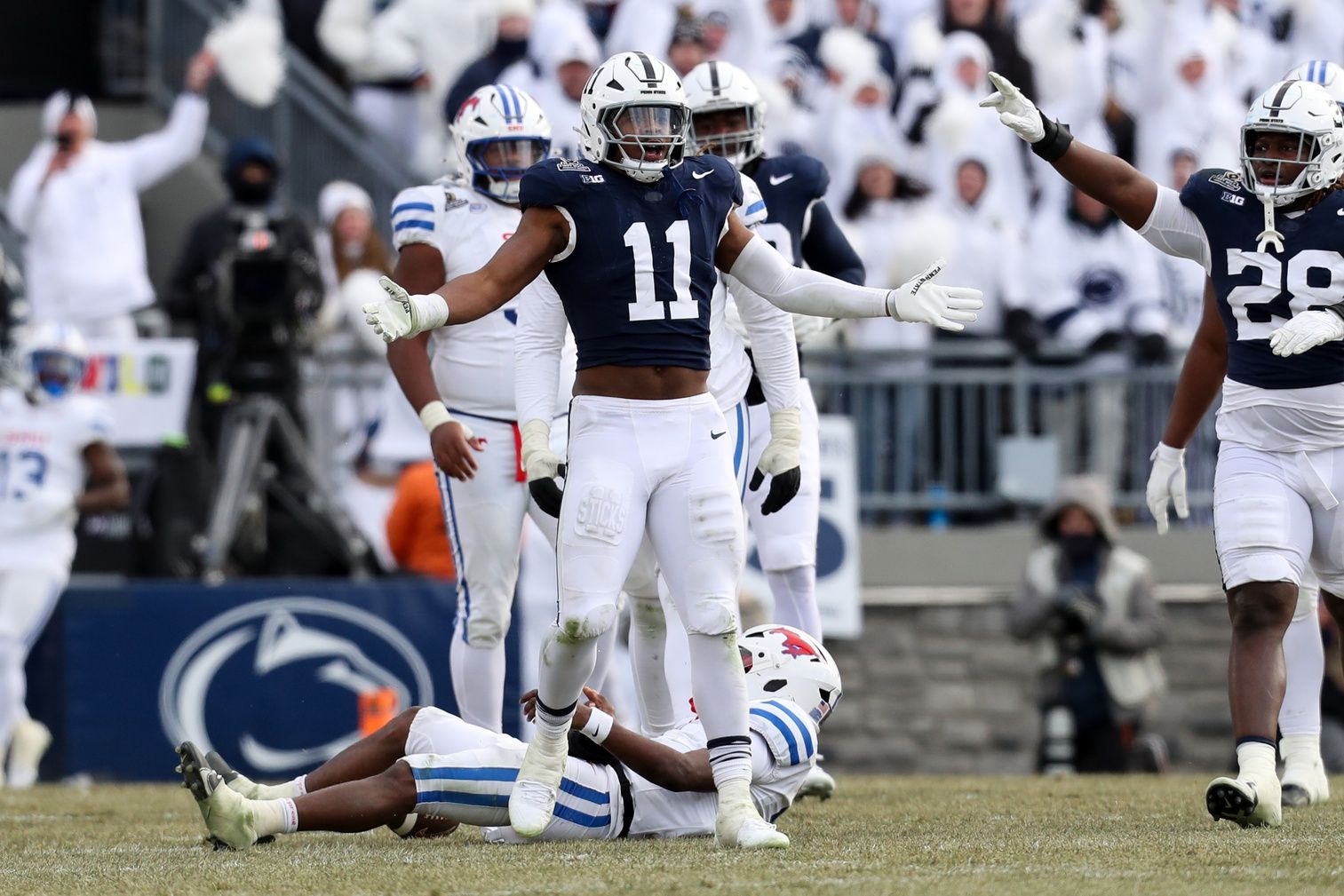
As of 2026, Abdul Carter’s net worth is estimated to be between $8 million and $12 million. This valuation is the result of a meticulously managed transition from high-stakes collegiate athletics to a professional career, augmented by a sophisticated portfolio of "Name, Image, and Likeness" (NIL) ventures, private equity investments, and strategic brand partnerships that define the modern athlete-entrepreneur.
The Foundation of Wealth: A Strategic Mindset
Abdul Carter’s rise to financial prominence is not merely a story of athletic talent; it is a case study in how a modern public figure can leverage personal branding to create a sustainable business ecosystem. From his early days at Penn State, Carter demonstrated an awareness of his market value that extended beyond the football field. In the current economic landscape of 2026, the line between "athlete" and "entrepreneur" has blurred, and Carter stands as a primary example of this evolution.
His journey began with a focus on disciplined growth. Unlike many who view professional sports as their only path to wealth, Carter treated his time in the Big Ten as an incubation period for his personal brand. By the time he entered the professional ranks in 2025, he had already established the Abdul Carter Group, a small but efficient team dedicated to managing his commercial interests. This proactive approach allowed him to bypass many of the financial pitfalls common to young earners, ensuring that his initial capital was preserved and reinvested rather than spent on depreciating assets.
The NIL Era: Forging an Entrepreneurial Path
The cornerstone of Carter’s early fortune was his mastery of the NIL (Name, Image, and Likeness) marketplace. During his collegiate years, Carter was one of the most sought-after defensive stars in the country, but his approach to endorsements was selective. Rather than pursuing a high volume of small deals, he focused on long-term partnerships with blue-chip brands in the automotive, tech, and wellness sectors.
Selective Brand Integration
Carter’s entrepreneurial strategy involved "sweat equity" and performance-based incentives. For instance, his partnership with a prominent regional sports nutrition company included not just a flat fee, but a percentage of sales generated through his unique digital storefront. This transformed a standard endorsement into a legitimate revenue-sharing business. By 2024, his NIL valuation had already crossed the seven-figure mark, providing the seed capital for his subsequent investment ventures.
Digital Presence and Content Ownership
Recognizing the power of owned media, Carter invested in high-quality content production early on. By owning the rights to his training documentaries and lifestyle content, he was able to license material to streaming platforms and social media networks. This move shifted his status from a "hired influencer" to a "content creator and owner," a distinction that significantly increased his profit margins and long-term valuation.
Professional Contracts and Financial Management
Upon entering the professional league in 2025, Carter secured a contract that provided the liquidity necessary to scale his entrepreneurial efforts. As a high-round draft pick, his rookie deal included a substantial signing bonus—a common feature for elite edge rushers of his caliber.
In 2026, the financial structure of a top-tier rookie contract typically includes:
- Guaranteed Signing Bonus: Often exceeding $10 million for top-10 selections.
- Performance Escalators: Clauses that increase base salary based on snap counts and statistical milestones.
- Rookie Salary Scale: Fixed four-year terms with a fifth-year team option, providing predictable cash flow for investment planning.
Carter’s financial team, consisting of certified wealth managers and tax specialists, implemented a "capital preservation" strategy. A significant portion of his professional salary is funneled into low-volatility index funds and municipal bonds, while his "entrepreneurial income" from endorsements and business ventures is used for high-growth, higher-risk investments. This dual-track system allows him to maintain his lifestyle while aggressively building a long-term empire.
The "Abdul Carter" Business Model: Diversification and Equity
What truly sets Abdul Carter apart as a self-made entrepreneur is his move into private equity and startup investments. By 2026, Carter has diversified his holdings across several key industries, moving away from simple cash-for-service deals toward equity-based partnerships.
| Asset Category | Estimated Weighting | Primary Objective |
|---|---|---|
| Professional Contract | 45% | Liquid capital and baseline security |
| Real Estate Portfolio | 20% | Passive income and tax depreciation |
| Venture Capital/Startups | 15% | High-growth equity in tech and fitness |
| Brand Partnerships | 10% | Ongoing cash flow and brand visibility |
| Public Equities (Stocks/Bonds) | 10% | Long-term retirement and stability |
Technology and Fitness Tech
Carter has taken a keen interest in the "FitTech" space. He currently holds equity stakes in two startups: an AI-driven scouting platform and a wearable recovery technology firm. By serving as both an investor and a primary tester/spokesperson, he adds value to these companies that far exceeds his financial contribution. This "strategic investor" role is a hallmark of his entrepreneurial identity.
Real Estate Holdings
In line with many successful self-made figures, Carter has channeled a portion of his wealth into residential and commercial real estate. Focusing on the Philadelphia and State College markets, his portfolio includes multi-family units that provide steady rental income. This serves as a hedge against the volatility of the tech sector and the physical risks inherent in a professional athletic career.
Tax Optimization and Wealth Protection
Building a fortune is only half the battle; preserving it requires sophisticated legal and tax structures. Carter operates through a series of Limited Liability Companies (LLCs) and trusts designed to minimize his tax burden and protect his assets from liability.
- Corporate Structuring: By routing his endorsement income through a corporate entity, he can deduct business expenses—such as travel, management fees, and production costs—before paying personal income tax.
- Philanthropic Integration: The Abdul Carter Foundation, while focused on community impact, also plays a role in his financial strategy. Contributions to his foundation help offset his taxable income while building significant "social capital" that enhances his brand value.
- Insurance and Risk Management: Given the physical demands of his profession, Carter carries high-value disability and "loss of value" insurance policies. These are treated as business expenses, ensuring that his net worth remains protected even in the event of an unforeseen career-ending injury.
Future Projections and Scalability
Looking beyond 2026, Abdul Carter’s net worth is projected to grow exponentially as his professional career matures and his private equity investments reach their "exit" phases. If he continues his current trajectory, the combination of a second, much larger professional contract and the potential IPO of his tech holdings could see his net worth exceed $50 million by the end of the decade.
The "Abdul Carter" model is now being studied by younger athletes and entrepreneurs as a blueprint for success in the 21st century. It emphasizes that while a specific talent (like football) may be the initial engine of wealth, the real "fortune" is built through ownership, equity, and a relentless commitment to learning the mechanics of finance.
How Abdul Carter Maintains Growth
- Continuous Education: Carter frequently attends executive education programs during the off-season to sharpen his understanding of venture capital.
- Networking: He has built a network of mentors including former athletes turned billionaires and Silicon Valley founders.
- Reinvestment: A strict rule of reinvesting at least 40% of all gross income back into his business ventures.
Is Abdul Carter’s Wealth "Self-Made"?
The term "self-made" is often debated, but in Carter’s case, it refers to the fact that his wealth was not inherited. He utilized his physical gifts to earn his first dollar and his intellectual curiosity to turn those dollars into an empire. In an era where many rely on luck or viral fame, Carter’s fortune is the result of a calculated, multi-year business plan.
Frequently Asked Questions
What was Abdul Carter's first major business deal?
His first significant venture was an NIL partnership with a regional automotive group during his sophomore year of college. This deal was unique because it included a performance-based bonus structure and a long-term commitment that lasted throughout his collegiate career, providing him with early financial stability.
Does Abdul Carter own his own clothing line?
Yes, in 2025, Carter launched "AC Elite," a performance apparel line. Rather than licensing his name to a major brand, he opted for an independent manufacturing and distribution model, allowing him to retain 100% ownership and a higher percentage of the profits.
How much of Abdul Carter's net worth comes from football?
As of 2026, approximately 45-50% of his total net worth is derived directly from his professional salary and signing bonuses. The remainder is composed of his NIL earnings, investment returns, and the valuation of his private business holdings.
Who manages Abdul Carter's investments?
Carter employs a multi-family office model, where a dedicated team of financial advisors, lawyers, and a business manager oversee his portfolio. He remains heavily involved in the decision-making process, particularly regarding venture capital and real estate acquisitions.
What are the main risks to Abdul Carter's fortune?
The primary risks include physical injury, which could impact his primary income stream (football), and the inherent volatility of the startup market. However, his diversified portfolio and extensive insurance coverage are designed to mitigate these specific threats.
Strategic Action for Aspiring Entrepreneurs
For those looking to emulate Abdul Carter’s success, the most critical step is the early diversification of income. Focus on building a personal brand that has value independent of your primary job. Invest in "human capital" through education and networking, and always prioritize equity ownership over one-time payments. As Carter has demonstrated, true wealth is found in the assets you own, not just the salary you earn.