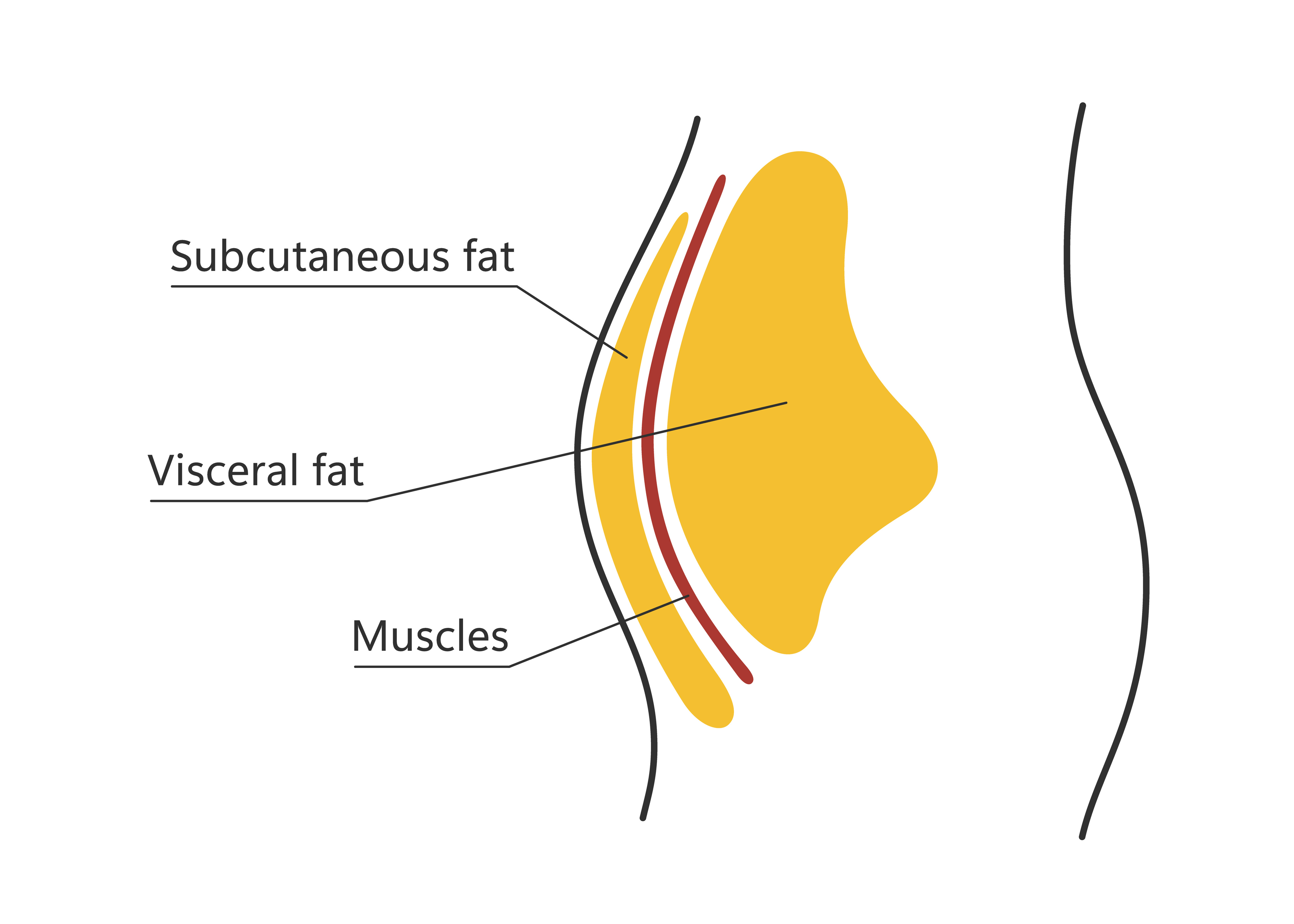
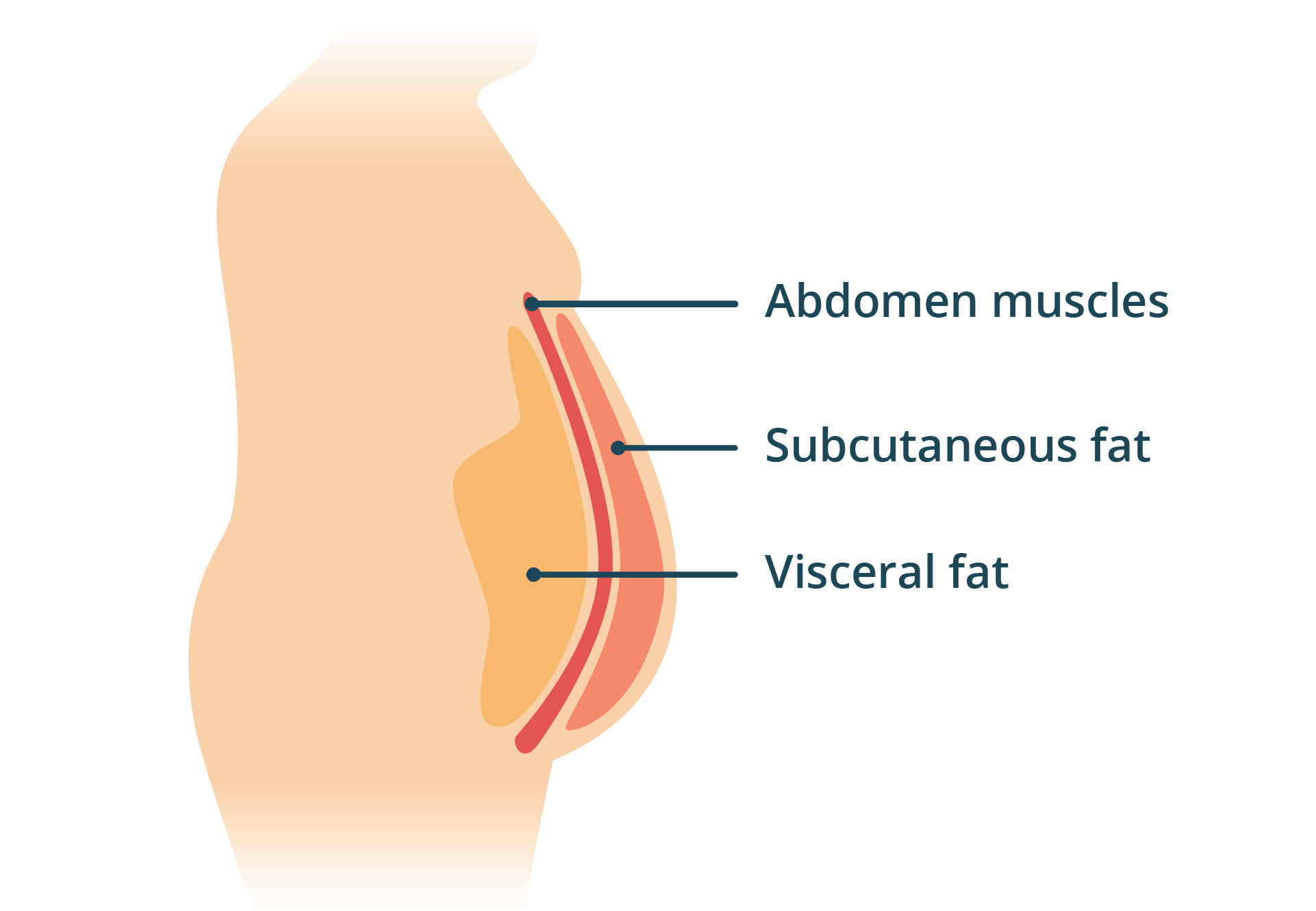
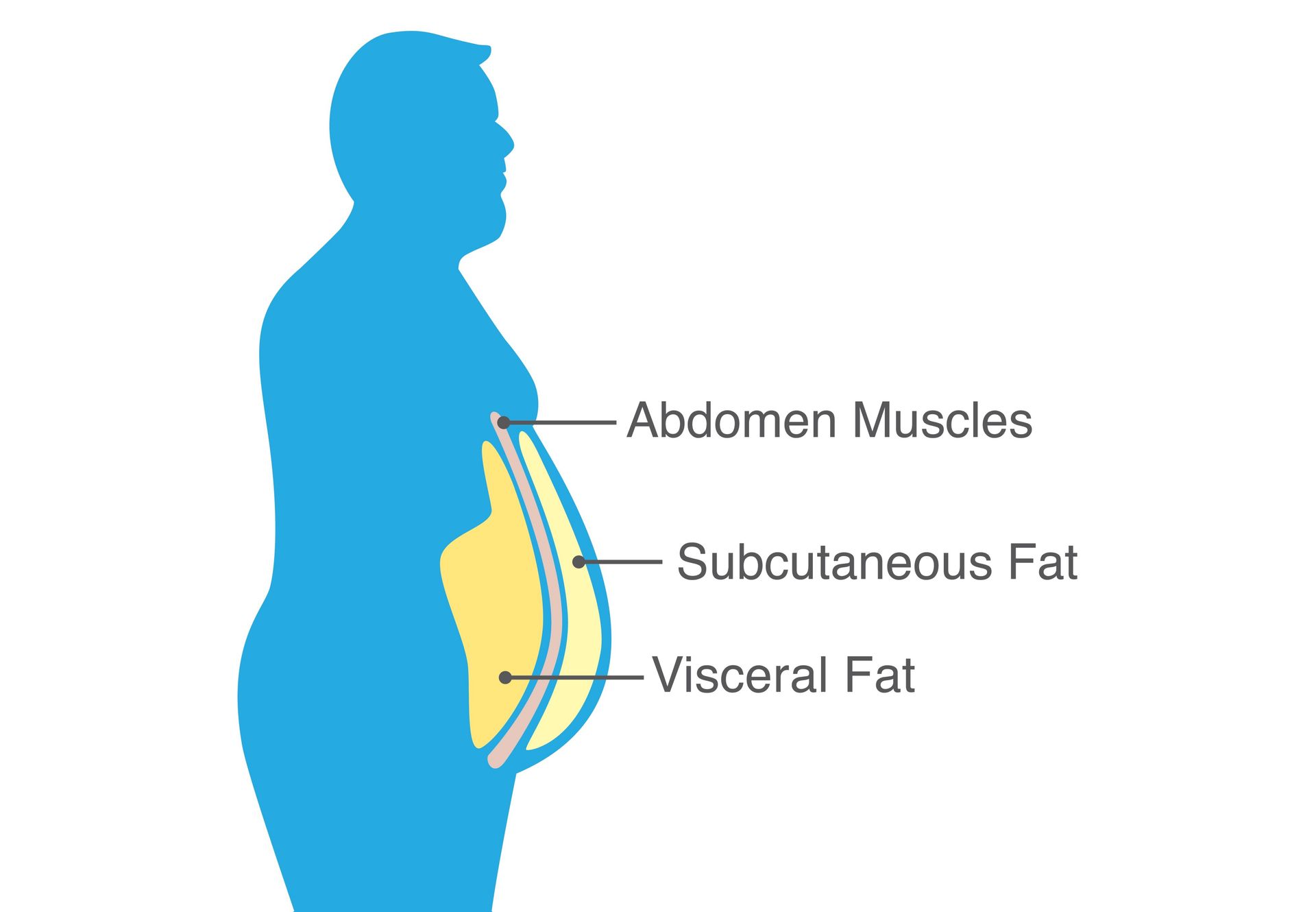
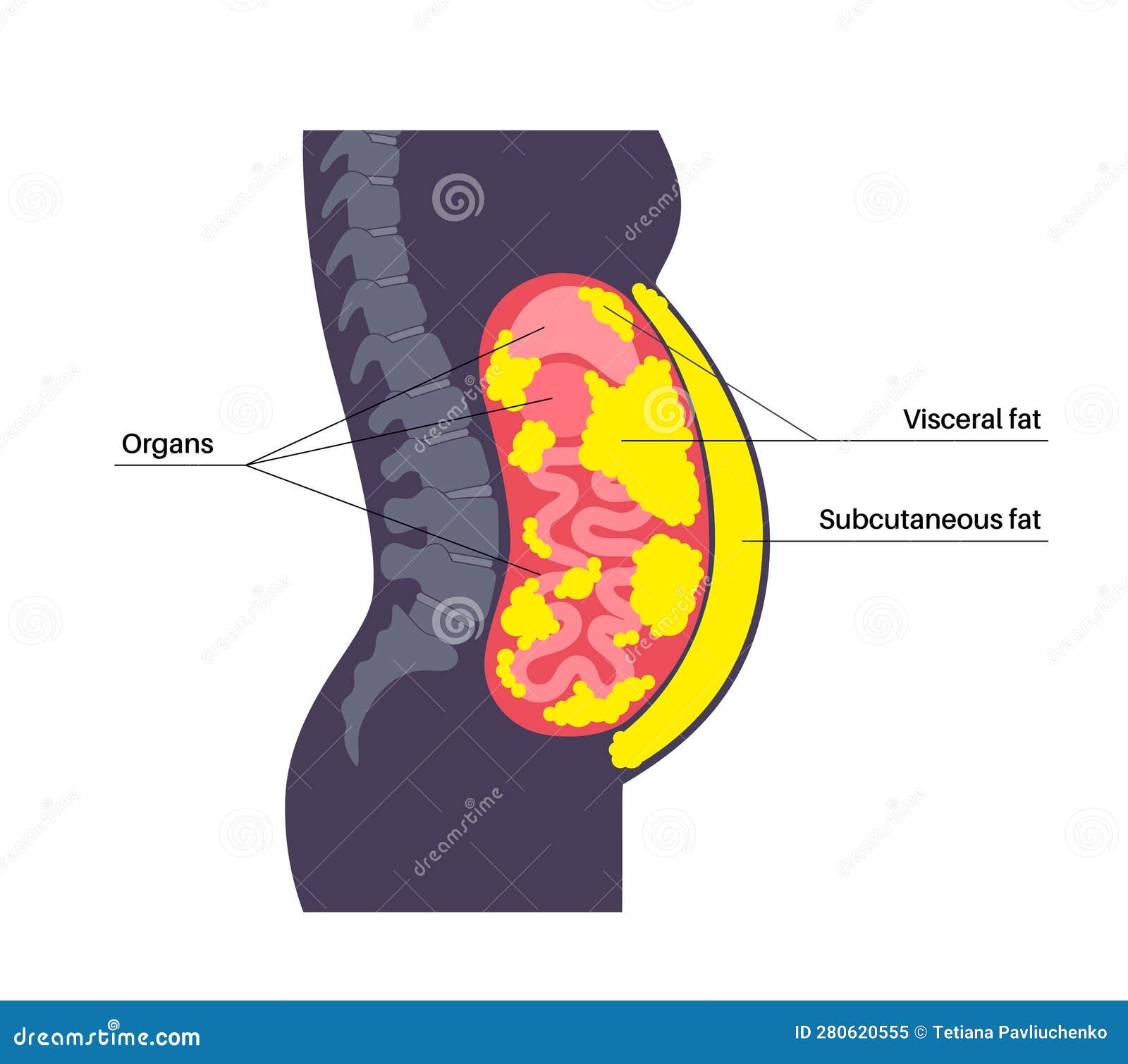
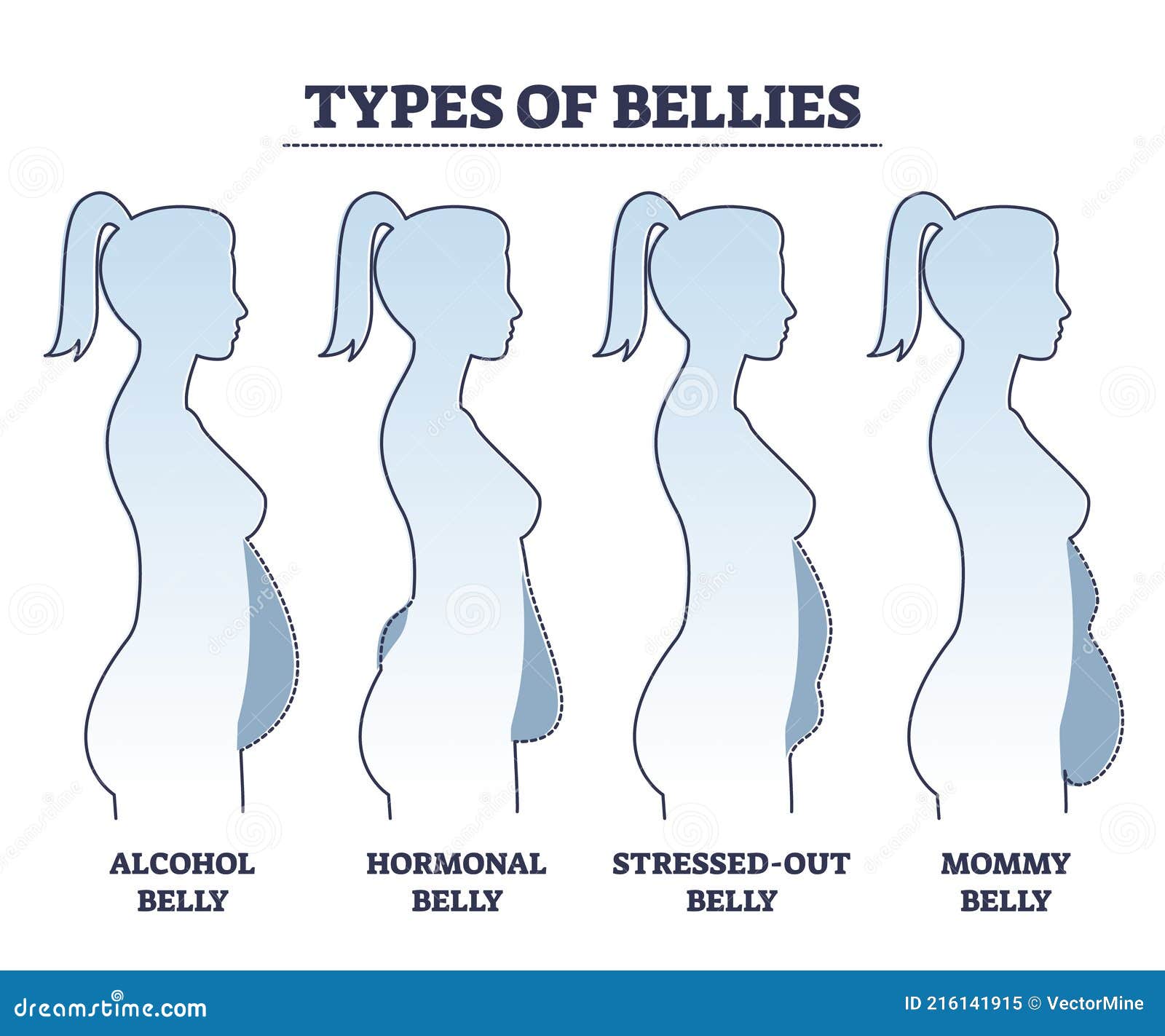
Abdominal fat is comprised of two distinct types of tissue: subcutaneous fat, located just beneath the skin, and visceral fat, which surrounds internal organs deep within the abdominal cavity. While subcutaneous fat is primarily a cosmetic concern, excess visceral fat is metabolically active and significantly increases the risk of cardiovascular disease, type 2 diabetes, and chronic inflammation. Effective management requires a multifaceted approach involving resistance training, high-protein nutrition, and cortisol regulation.
The Biological Distinction: Subcutaneous vs. Visceral Fat
To effectively address abdominal adiposity, one must distinguish between the two primary types of adipose tissue found in the midsection. While they may appear the same from the outside, their biological functions and health implications are vastly different.
Subcutaneous fat is the layer of adipose tissue located directly under the skin. It is the fat you can "pinch" with your fingers. Anatomically, its primary roles are energy storage, thermal insulation, and protection against physical impact. From an evolutionary perspective, subcutaneous fat served as a vital energy reserve during periods of food scarcity. In 2026, clinical consensus remains that while excess subcutaneous fat can contribute to joint strain and psychological distress, it is not the primary driver of metabolic dysfunction.
Visceral fat, or intra-abdominal fat, is located deep within the abdominal wall, wrapping around the liver, pancreas, and intestines. Unlike subcutaneous fat, visceral fat is considered an active endocrine organ. It secretes various hormones and inflammatory markers, known as adipokines and cytokines, which can interfere with normal bodily functions. Because of its proximity to the portal vein—the vessel that carries blood from the intestinal area to the liver—visceral fat releases free fatty acids directly into the liver. This can trigger a cascade of metabolic issues, including increased cholesterol production and insulin resistance.
The "apple-shaped" body profile, characterized by a firm, protruding abdomen, is often a clinical indicator of high visceral fat levels. Conversely, the "pear-shaped" profile, where fat is stored primarily in the hips and thighs, usually indicates a higher proportion of subcutaneous fat.
The Metabolic Consequences of Excess Abdominal Adiposity
The accumulation of abdominal fat, particularly the visceral variety, is a significant risk factor for metabolic syndrome. This condition is not merely a matter of carrying extra weight; it is a fundamental shift in how the body processes energy and manages inflammation.
One of the most concerning aspects of visceral fat is its role in insulin resistance. As visceral fat cells expand, they become less sensitive to insulin, the hormone responsible for regulating blood sugar. To compensate, the pancreas produces more insulin. Over time, the body’s cells become "numb" to the hormone, leading to chronically high blood sugar levels—the hallmark of type 2 diabetes. Furthermore, the inflammatory cytokines released by visceral fat, such as Interleukin-6 (IL-6) and Tumor Necrosis Factor-alpha (TNF-α), further exacerbate this resistance and promote systemic inflammation.
Cardiovascular health is also directly impacted. High levels of abdominal fat are strongly correlated with an increase in "bad" LDL cholesterol and triglycerides, and a decrease in "good" HDL cholesterol. This lipid profile promotes the buildup of arterial plaque, increasing the risk of hypertension, heart attacks, and strokes. In 2026, cardiologists emphasize that waist circumference is often a more accurate predictor of cardiac events than Body Mass Index (BMI), as BMI fails to distinguish between muscle mass and dangerous internal fat.
Recent research has also linked excess abdominal fat to cognitive decline and certain cancers. The chronic inflammation generated in the abdominal cavity can reach the brain, potentially contributing to neurodegenerative processes. Additionally, the hormonal activity of visceral fat can influence estrogen levels, which is a known risk factor for breast and colorectal cancers.
Measuring and Assessing Central Obesity
Because visceral fat is hidden, specialized methods are required to assess its volume and the associated risks. While advanced medical imaging is the "gold standard," several accessible metrics provide reliable data for daily health management.
- Waist Circumference: This remains the simplest and most cost-effective screening tool. Using a non-elastic tape measure, individuals should measure at the level of the umbilicus (belly button) while exhaling naturally. In 2026, the World Health Organization (WHO) guidelines maintain that a waist circumference greater than 102 cm (40 inches) for men and 88 cm (35 inches) for women indicates a high risk of metabolic complications.
- Waist-to-Hip Ratio (WHR): This metric helps differentiate between fat stored in the midsection versus the lower body. To calculate WHR, divide the waist measurement by the measurement of the widest part of the hips. A ratio above 0.90 for men or 0.85 for women is categorized as abdominal obesity.
- Waist-to-Height Ratio (WtHR): Many clinicians now prefer this over BMI. A general rule of thumb is to keep your waist circumference to less than half of your height. This provides a more personalized assessment of whether an individual's frame is supporting too much central fat.
- DEXA and Bioelectrical Impedance (BIA): Dual-Energy X-ray Absorptiometry (DEXA) scans provide a highly accurate breakdown of bone, muscle, and fat, including a specific reading for visceral adipose tissue (VAT). Modern 2026 consumer-grade smart scales utilize BIA to estimate body fat percentage; while less accurate than medical scans, they are useful for tracking trends over time.
Dietary Strategies for Reducing Visceral Fat
Dietary intervention is the cornerstone of abdominal fat reduction, but the focus has shifted from simple calorie counting to nutrient density and hormonal control. Reducing abdominal fat requires stabilizing insulin levels to allow the body to access stored fat for fuel.
A high-protein diet is essential for several reasons. Protein has a high thermic effect, meaning the body burns more energy digesting it compared to fats or carbohydrates. More importantly, protein promotes satiety and helps preserve lean muscle mass during a caloric deficit. In 2026, nutritional guidelines suggest prioritizing 1.6 to 2.2 grams of protein per kilogram of target body weight to optimize body composition.
Fiber intake, specifically soluble fiber, is another critical factor. Soluble fiber absorbs water and forms a gel that slows down food as it passes through the digestive system. This helps prevent rapid spikes in blood sugar and insulin. Studies consistently show that for every 10-gram increase in daily soluble fiber, visceral fat accumulation decreases by approximately 3.7% over five years. Foods such as legumes, oats, avocados, and flaxseeds are excellent sources.
The most vital dietary change is the reduction of ultra-processed foods (UPFs) and added sugars, particularly fructose. Fructose is processed almost exclusively by the liver. When consumed in excess—especially via sugar-sweetened beverages—the liver converts it into fat, much of which is deposited as visceral fat. By 2026, public health initiatives have increasingly highlighted the "hidden" sugars in condiments, breads, and "healthy" snacks that contribute to central adiposity.
The Role of Exercise and Physical Activity
While "spot reduction" (the idea that exercising a specific muscle will burn fat in that area) is a biological myth, specific types of exercise are exceptionally effective at mobilizing abdominal fat stores.
Resistance Training: Building muscle is one of the most effective ways to combat visceral fat. Muscle tissue is metabolically expensive, meaning it burns calories even at rest. Regular weightlifting or bodyweight resistance training improves insulin sensitivity, allowing the body to manage glucose more efficiently.
High-Intensity Interval Training (HIIT): HIIT involves short bursts of intense exercise followed by brief recovery periods. This form of training has been shown to be particularly effective at reducing visceral fat compared to steady-state cardio (like long, slow jogging). HIIT triggers a greater release of catecholamines (like adrenaline), which help mobilize fat from deep stores.
Non-Exercise Activity Thermogenesis (NEAT): This refers to the energy expended for everything we do that is not sleeping, eating, or sports-like exercise. Walking, standing, and fidgeting all contribute to NEAT. In a 2026 work environment dominated by digital interaction, increasing daily step counts to 8,000–10,000 remains a fundamental requirement for preventing the slow accumulation of abdominal fat that occurs with sedentary behavior.
Lifestyle Factors: Stress, Sleep, and Hormonal Balance
Diet and exercise are often undermined by two neglected pillars of health: sleep and stress management. Both exert a profound influence on the endocrine system, specifically the hormone cortisol.
Cortisol, often called the "stress hormone," is produced by the adrenal glands. In acute situations, it is beneficial for the "fight or flight" response. However, chronic stress leads to persistently high cortisol levels. Cortisol directly stimulates the accumulation of visceral fat and increases appetite, particularly for high-calorie, sugary foods. This creates a vicious cycle where stress leads to fat gain, and fat gain (which is inflammatory) leads to more internal stress.
Sleep deprivation is a major driver of this hormonal imbalance. Research in 2026 indicates that individuals who sleep fewer than six hours per night have a significantly higher risk of gaining visceral fat than those who get seven to nine hours. Poor sleep disrupts the balance of ghrelin (the hunger hormone) and leptin (the fullness hormone), leading to overeating and a preference for adipogenic foods. Furthermore, sleep is the primary time for tissue repair and hormonal recalibration; without it, the body remains in a pro-inflammatory state.
| Feature | Subcutaneous Fat | Visceral Fat |
|---|---|---|
| Location | Just beneath the skin | Deep in the abdominal cavity |
| Physical Texture | Soft, movable, "pinchable" | Firm, pushes the abdomen outward |
| Metabolic Impact | Relatively low; acts as storage | High; secretes inflammatory cytokines |
| Primary Health Risk | Joint strain, cosmetic concerns | Diabetes, heart disease, stroke |
| Responsiveness | Slower to respond to exercise | Highly responsive to lifestyle changes |
| Detection Method | Calipers, visual inspection | Waist measurement, DEXA, MRI |
Frequently Asked Questions
Can you lose abdominal fat by doing sit-ups?
No, sit-ups and other abdominal exercises strengthen the underlying muscles but do not directly burn the fat covering them. To lose abdominal fat, you must create a systemic caloric deficit and improve metabolic health through a combination of full-body exercise and nutrition. Once the total body fat percentage decreases, the muscles developed through sit-ups will become visible.
Why is abdominal fat harder to lose as we age?
As we age, hormonal shifts occur—specifically a decline in testosterone in men and estrogen in women (menopause). These changes often lead to a redistribution of fat from the limbs to the abdomen. Additionally, the natural loss of muscle mass (sarcopenia) slows the metabolism, making it easier to gain and harder to lose fat. Maintaining resistance training is crucial for counteracting these age-related changes.
Is "stress belly" a real medical condition?
While "stress belly" is not a formal clinical diagnosis, it describes the very real phenomenon of cortisol-induced abdominal weight gain. Chronic stress keeps cortisol levels high, which specifically targets the abdominal area for fat storage. Managing stress through meditation, breathing exercises, and adequate sleep is as important as diet for individuals with this fat distribution pattern.
Are there specific foods that "burn" belly fat?
No single food can target abdominal fat. However, certain foods support the metabolic processes that lead to fat loss. For example, green tea contains catechins that may slightly boost metabolism, and high-fiber foods help control insulin. The key is the total dietary pattern rather than any "miracle" food.
How long does it take to see a reduction in visceral fat?
Visceral fat is actually more metabolically active and "easier" to lose than subcutaneous fat. Many people notice improvements in waist circumference and metabolic markers (like blood pressure or fasting glucose) within 2 to 4 weeks of implementing a rigorous nutrition and exercise plan, even if their overall weight doesn't drop significantly.
Recommended Next Actions for 2026
To effectively manage and reduce abdominal fat, move beyond the scale and focus on metabolic health indicators. Begin by establishing a baseline using the waist-to-height ratio. If your waist is more than half your height, prioritize a high-protein, high-fiber diet to stabilize insulin levels.
Incorporate at least three sessions of resistance training per week to build metabolically active muscle, and aim for 7–9 hours of quality sleep to regulate cortisol levels. Consistency in these lifestyle habits is more effective than short-term "detoxes" or fad diets. For those with significant abdominal obesity, consult with a healthcare professional to screen for underlying issues like insulin resistance or fatty liver disease, which may require more specific clinical interventions.
Medical Disclaimer: This article is for informational purposes only and does not constitute medical advice. Consult with a qualified healthcare provider before making significant changes to your diet, exercise routine, or managing chronic health conditions.