In the 2026 television landscape, the typical ABC show length follows a standardized broadcast format: 30-minute slots generally contain 21 to 22 minutes of actual content, while 60-minute slots provide 42 to 44 minutes of footage. The remaining time is strictly allocated to national commercials, local station breaks, and network promos.
The Standard Programming Grid on ABC
Television scheduling on a major network like ABC (American Broadcasting Company) is governed by a rigid "clock" system. This system ensures that local affiliates across the United States can seamlessly transition between national programming and local news or advertising. Whether you are watching a legacy medical drama or a contemporary sitcom, the show length is determined more by the requirements of the broadcast hour than by the creative needs of the writers.
For the 2025-2026 broadcast season, ABC continues to utilize the traditional 30-minute and 60-minute windows. This modular approach allows the network to stack shows effectively, ensuring that viewers know exactly when a program will begin. However, the "perceived" length of a show and its "actual" content runtime are two different metrics. While a viewer might sit on their couch for an hour to watch a primetime drama, they are only viewing approximately three-quarters of that time in scripted content.
The precision of these lengths is managed by the network's Master Control. Every second is accounted for, including "black" (the tiny gaps between commercials) and "slugs" (placeholders for local inserts). If a show runs long by even five seconds, it can disrupt the entire evening's schedule, leading to truncated endings or delayed local news broadcasts—a situation ABC strives to avoid through rigorous editing and "timing out" during post-production.
Anatomy of a 30-Minute ABC Comedy
The half-hour sitcom remains a staple of the ABC lineup. Shows in this category typically occupy a 30-minute block but rarely exceed 21 minutes and 30 seconds of actual showtime. This specific ABC show length is a result of decades of optimization between narrative pacing and advertising revenue.
The Act Structure of Sitcoms
Most ABC comedies are written in a three-act or four-act structure, specifically designed to accommodate commercial breaks. A typical breakdown looks like this:
- Cold Open (1–2 minutes): A short, humorous segment before the title sequence intended to hook the viewer.
- Act 1 (6–8 minutes): Introduction of the episode's primary conflict.
- Act 2 (6–8 minutes): Rising action and the "B-plot" development.
- Act 3 (4–5 minutes): Resolution of the conflict.
- Tag (30–60 seconds): A final joke or button that plays during or just before the closing credits.
The Role of the "Tag" and Credits
In 2026, the way credits are handled has changed significantly to maximize viewer retention. ABC often uses "split-screen" credits, where the production roll occurs on one side of the screen while a "tag" or a preview for the next show plays on the other. This allows the network to squeeze every possible second of engagement out of the 30-minute window while still meeting the legal requirements for guild-mandated credits.
Breaking Down the 60-Minute ABC Drama
Hour-long dramas, such as ABC’s signature police procedurals or medical series, face even tighter constraints. While the slot is 60 minutes, the actual ABC show length for these programs usually settles between 42 and 44 minutes. This leaves roughly 16 to 18 minutes for non-program material.
The Five-Act and Six-Act Push
Historically, dramas were divided into four acts. However, to increase the frequency of commercial breaks (and thus the number of "first positions" for advertisers), many ABC dramas in 2026 utilize a five-act or even six-act structure. Each act ends on a "cliffhanger" or a beat of high tension, strategically placed to prevent the viewer from changing the channel during the commercial.
Production "Timing Out"
During the editing process, producers must hit a "delivery length." If a director’s cut of a drama comes in at 50 minutes, the editors must trim 6 to 8 minutes of footage to fit the ABC show length requirements. This often results in the removal of atmospheric shots or secondary character beats. Conversely, if a show is "running short," producers may use "padding" techniques, such as slower-paced transitions or extended musical montages, to ensure the program meets the minimum required length for the network.
Why ABC Show Lengths Vary: Special Formats
While sitcoms and dramas follow the 30/60 rule, other formats on ABC have different timing requirements. Reality television, news magazines, and live events do not always adhere to the same content-to-commercial ratios.
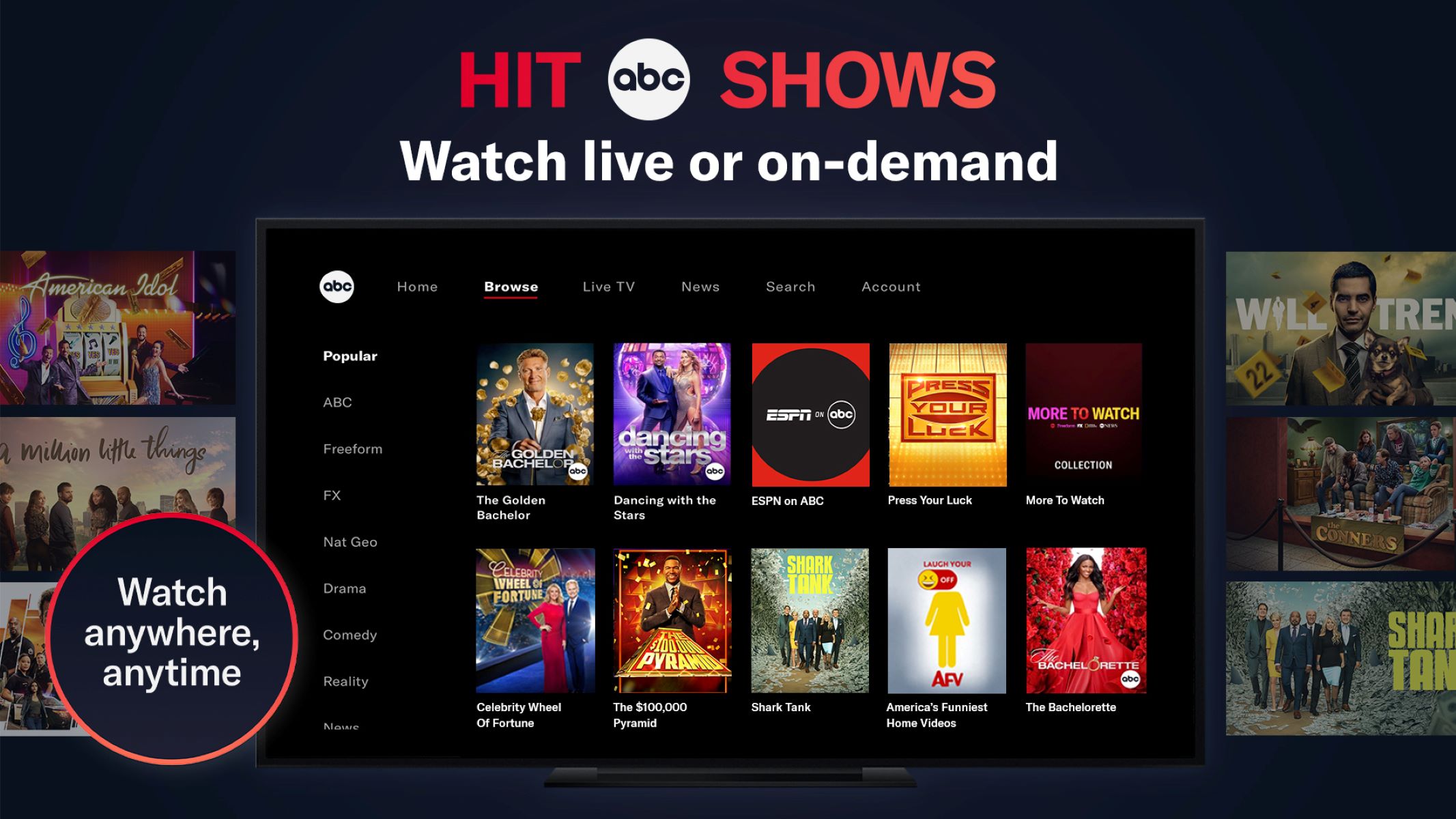
- Unscripted/Reality TV: Shows like The Bachelor or Shark Tank often have more fluid runtimes. Because these shows are cheaper to produce, the network may occasionally air an "extended" 90-minute episode. In these cases, the content length expands to roughly 63–66 minutes.
- News Magazines (20/20): These programs are designed for high flexibility. If a breaking news event occurs, segment lengths can be shifted in real-time. Typically, a one-hour 20/20 episode mirrors the drama runtime of 43 minutes.
- Late-Night Talk Shows: Programs like Jimmy Kimmel Live! have a unique length. While they occupy an hour, the "content" is often interrupted by more frequent, shorter commercial breaks to keep the energy high for a late-night audience.
Live Event Anomalies
Live broadcasts are the only time the standard ABC show length becomes unpredictable. The Academy Awards (The Oscars), which air on ABC, are notorious for exceeding their allotted three-hour window. In these instances, the network's contractual obligations to the live event override the standard scheduling grid, pushing the late-night news and subsequent programming back.
Broadcast Runtimes vs. Streaming on Hulu and Disney+
In 2026, many viewers consume ABC content through streaming platforms rather than linear broadcast. This has created a secondary definition of "show length." When an ABC show is uploaded to Hulu or Disney+, the runtime reflected is only the scripted content.
A "one-hour" drama will appear in the streaming interface as "43 minutes." For subscribers on ad-free tiers, this is the total duration of the experience. However, for those on ad-supported tiers, the streaming platform inserts its own commercials. Interestingly, these ad loads are often lighter than broadcast TV, sometimes totaling only 8–10 minutes per hour instead of the 16–18 minutes found on the ABC television network. This makes the streaming experience "faster" than the broadcast experience, even though the footage of the show itself is identical.
Technical Specifications for Content Delivery
For industry professionals, "ABC show length" is defined by a delivery document provided by the network's Standards and Practices department. This document dictates the exact minute-and-second requirements for every program.
| Program Type | Total Time Slot | Content Duration (Min) | Commercial/Promo Time (Min) |
|---|---|---|---|
| Standard Sitcom | 30:00 | 21:00 - 21:30 | 8:30 - 9:00 |
| Standard Drama | 60:00 | 42:00 - 44:00 | 16:00 - 18:00 |
| News Program | 30:00 | 22:00 | 8:00 |
| Reality/Competition | 60:00 | 41:00 - 43:00 | 17:00 - 19:00 |
| Late Night Talk | 60:00 | 40:00 - 42:00 | 18:00 - 20:00 |
High Definition and Frame Rates
Beyond the duration, the length is also impacted by frame rate standards. ABC broadcasts in 720p at 60 frames per second, which is the network's long-standing technical preference for sports and fast-moving action. This does not change the duration of the show, but it affects how the content is "pulled down" or converted from the 24fps (frames per second) cinematic standard used by most film directors.
The Impact of Commercial Loads on Narrative Flow
The reason "ABC show length" has stabilized at its current duration is largely economic. The Federal Communications Commission (FCC) does not strictly limit the number of commercials in general broadcast programming (though they do for children’s programming), but the market does.
If ABC increases the commercial load too far beyond 18 minutes per hour, viewer "churn" increases. People begin to tune out or switch to streaming. Conversely, if they decrease it, the network loses millions in potential ad revenue. In 2026, the network uses AI-driven scheduling to determine the optimal placement of these breaks, sometimes using "variable length" ads (6-second "bumper" ads vs. 60-second "storytelling" ads) to keep the viewer's attention while maintaining the strict 60-minute hour.
The "Squeeze-Back" Phenomenon
To maintain the integrity of the ABC show length while still satisfying advertisers, the network frequently uses "squeeze-backs." This is where the show continues to play in a small window while a commercial plays in a larger window. This counts as "content time" for the show's runtime but serves the purpose of advertising, a hybrid model that has become increasingly common in 2026.
Frequently Asked Questions
Why are ABC shows shorter than they were 30 years ago?
Television shows in the 1970s and 80s often had runtimes of 25–26 minutes for half-hour shows and 48–50 minutes for hour-long shows. Over the decades, the "commercial load" has increased significantly to offset rising production costs and the loss of viewers to digital platforms. This has forced creators to tell more condensed stories.
Does the 2026 ABC show length include the end credits?
Yes, the technical runtime includes everything from the first frame of the cold open to the final frame of the production logo at the end. However, the credits themselves are often sped up or minimized to allow more time for "network promos" for other ABC shows.
Do live sports on ABC follow these length rules?
No. Live sports (like NBA games or Monday Night Football, which sometimes simulcasts on ABC) are "open-ended." While they have a scheduled window, the game continues until it is finished. ABC builds in "buffer" programming after sports to account for this variability.
Is the show length the same on local ABC affiliates?
The length of the national program is identical across all affiliates. However, the "local breaks" (the commercials for local car dealerships or lawyers) occur at the same time across the country. If a local station has technical issues, they might accidentally cut into the show, making it seem shorter, but the master feed remains consistent.
Why do some ABC shows seem to have more commercials near the end?
This is a deliberate pacing strategy. Networks often front-load the first half of a show with longer segments of content to get the viewer invested. Once the viewer is "hooked" and wants to see the resolution, the network increases the frequency of breaks in the final 15 minutes.
Practical Steps for Viewers and Creators
If you are a viewer trying to manage your time, always assume a "one-hour" ABC show will take 60 minutes of your life on broadcast, but only 43 minutes if you record it and skip the commercials (or watch it on an ad-free streaming service).
For aspiring writers and producers, mastering the ABC show length means writing to the "clock." You must ensure your scripts follow the specific act-break structure required by the network. A script that doesn't provide natural "outs" for commercials will likely be rejected or heavily rewritten by the network's editorial team. Understanding the 21-minute and 42-minute benchmarks is the first step toward professional television production in the modern era.