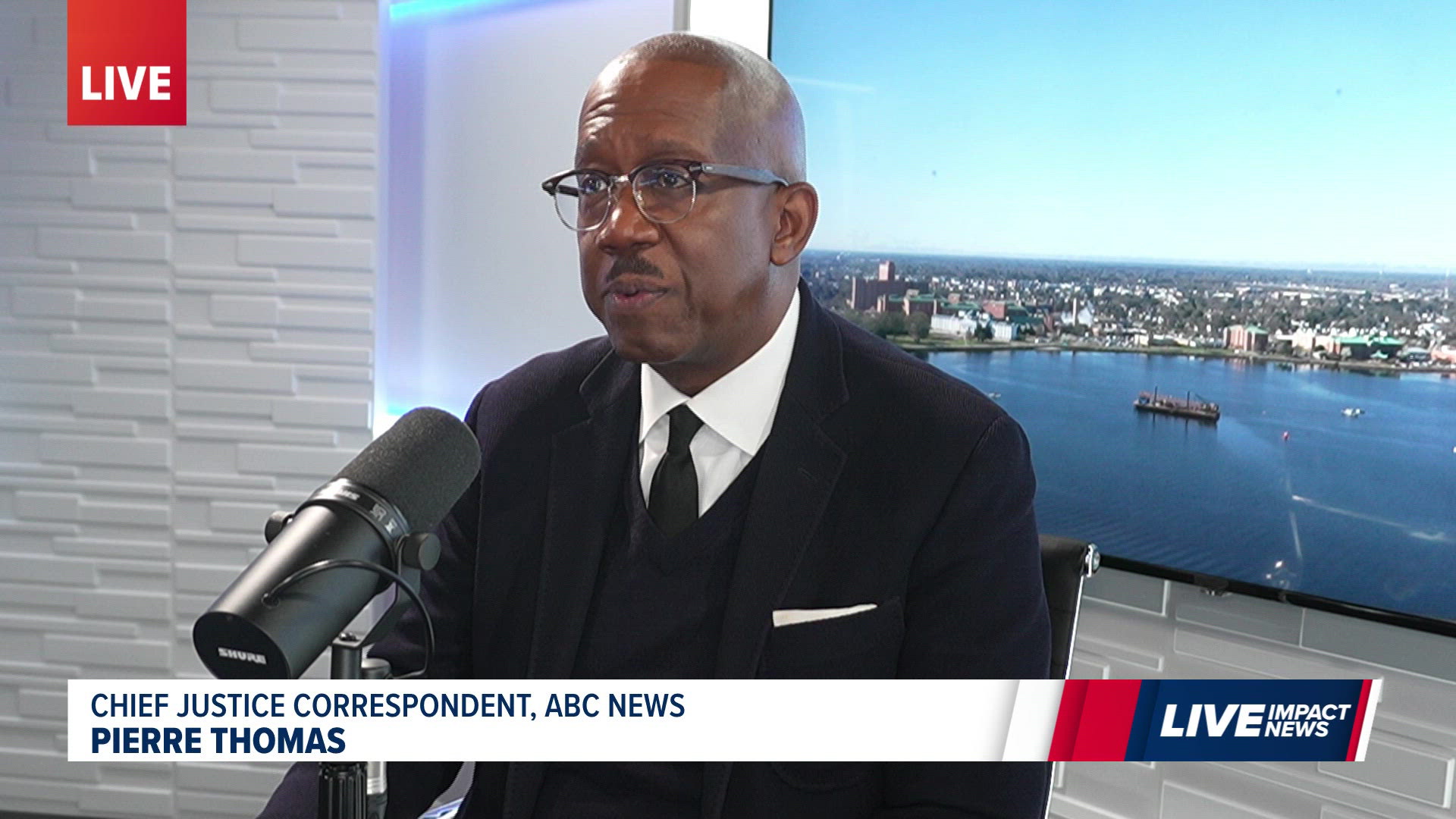
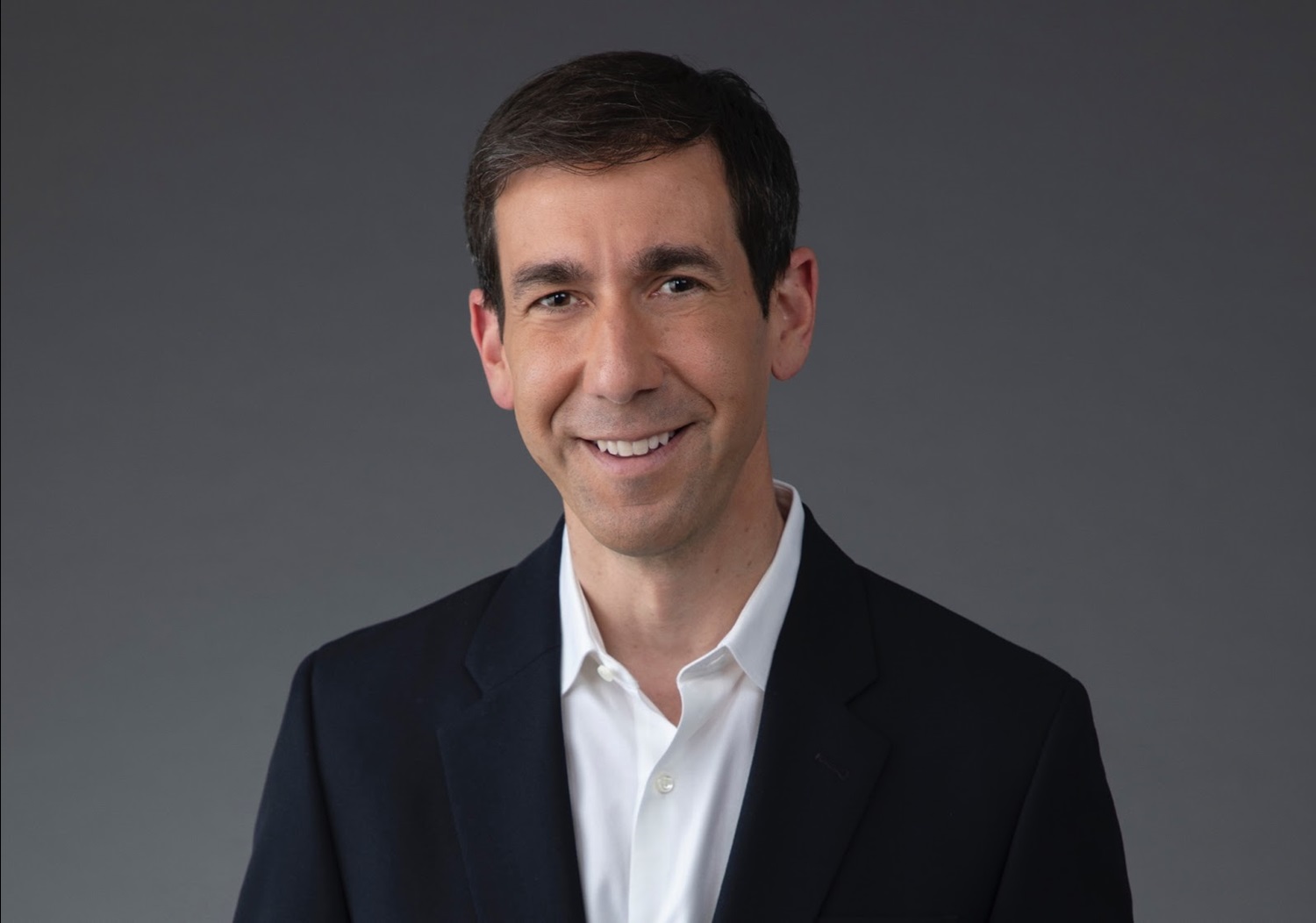
An ABC News correspondent is an on-air journalist employed by ABC News to investigate, gather, and report news across network television broadcasts, streaming services, audio platforms, and digital outlets. Operating from domestic bureaus, international posts, or mobile conflict zones, correspondents distill complex breaking events and in-depth investigations into live reports, daily news packages, and multi-platform digital stories.
The Role and Responsibilities of an ABC News Correspondent
Broadcast correspondents serve as the primary gathering force and public face of a television news organization's field operations. Unlike studio anchors who guide live programming from a main desk, correspondents operate primarily on location or within specialized beat environments such as the White House, the Supreme Court, capital markets, or active war zones.
At ABC News—the news division of The Walt Disney Company's Disney Entertainment unit—correspondents produce content for flagship broadcasts including World News Tonight with David Muir, Good Morning America, Nightline, This Week with George Stephanopoulos, and 20/20. In addition to traditional linear television, modern network correspondents deliver real-time reports for 24/7 digital streaming services like ABC News Live, produce segments for ABC News Radio, and contribute analytical pieces to digital publications.
Primary Operational Duties
- Field Investigation and Fact-Gathering: Interviewing eyewitnesses, government officials, subject-matter experts, and whistleblower sources to verify facts prior to publication.
- On-Camera Reporting: Delivering live hits (standups), narrative news packages, and specialized interviews under tight broadcast deadlines.
- Scriptwriting and Editorial Crafting: Writing clear, concise television copy tailored to visual storytelling, working within strict broadcast time constraints ranging from 45-second breaking news spots to multi-part investigative mini-documentaries.
- Cross-Platform Delivery: Adapting televised reporting into written digital articles, audio updates for radio affiliates, and contextual commentary for network podcasts.
- Safety and Ethics Compliance: Adhering to rigorous corporate journalistic standards, fair handling laws, and operational protocols when working in hostile environments or covering sensitive legal proceedings.
Anatomy of a Broadcast Assignment: From Field Gathering to Air
The process of bringing a correspondent's report to air involves a tightly synchronized workflow between field crews, newsroom editors, graphics designers, and network control rooms. Understanding this operational pipeline illustrates how broadcast journalism maintains speed and accuracy during fast-moving breaking news events.
- Story Pitch / Breaking Assignment
- Field Data & Interviews Gathered
- Script Writing & Audio Track Recording
- Editor & Producer Review / Compliance
- Video Editing & Graphics Integration
- Satellite / Fiber Feed to Control Room
- Live Air / Streaming Distribution
1. Pitching and Deployment
Assignments originate either from central desk assignment editors responding to breaking news wire reports or from correspondents pitching original investigative enterprise stories. Once greenlit, the correspondent deploys with a dedicated field team, which typically includes a field producer, a photojournalist (cameraperson), and an audio engineer or satellite truck technician.
2. On-Scene Reporting and Gathering
Upon arriving at the scene, the correspondent conducts recorded interviews and records visual b-roll (background video). The correspondent also films "standups"—segments where the reporter speaks directly into the camera on location to establish presence, transition between narrative segments, or summarize complex legal or geopolitical developments.
3. Scriptwriting and Editorial Approval
The correspondent drafts a television script combining voiceover track transcriptions, soundbites (sound-on-tape or SOTs), and visual cues. The script undergoes rigorous scrutiny by senior broadcast producers, executive producers, and legal teams (Standards and Practices) to ensure objectivity, factual accuracy, legal protection against defamation, and compliance with Federal Communications Commission (FCC) guidelines.
4. Post-Production and Broadcast Transmission
After script approval, the correspondent records the audio narration ("track"). A video editor cuts the visual footage, graphics, and soundbites around the narration to create a finished "package." This file or feed is transmitted to the network master control room via satellite link, cellular bonding units (such as LiveU), or fiber-optic connections to be cued up for broadcast.
Key Beats and Network Bureau Structures
Network news relies on specialized beats to ensure comprehensive coverage of political, economic, legal, and international developments. ABC News maintains major domestic bureaus in Washington, D.C., New York City, Los Angeles, and Chicago, along with key international bureaus in locations such as London, Beijing, and the Middle East.
Washington and Political Beats
The Washington, D.C. bureau is the largest domestic assignment hub. Correspondents assigned to the White House, Capitol Hill, the Pentagon, and the Department of Justice track federal policy, national elections, legislative debates, and national security matters. Journalists on these beats require deep institutional knowledge and extensive contact networks across congressional leadership and executive agencies.
Foreign and Conflict Beats
International correspondents operate out of foreign bureaus or deploy on short notice as "fly-in" reporters to international crisis locations. Overseas assignments require high resilience, localized cultural awareness, and adherence to safety protocols when reporting from active war zones, political uprisings, or natural disasters.
Enterprise and Specialized Beats
To cover complex technical fields, networks employ specialized correspondents focused on specific disciplines:
- Medical and Health: Led by board-certified physicians or veteran health journalists who translate complex clinical trials, public health emergencies, and epidemiological data for mass audiences.
- Law and Justice: Legal analysts and attorney-journalists who interpret Supreme Court rulings, major criminal trials, and regulatory actions.
- Technology and Business: Financial and consumer reporters covering macroeconomic trends, market fluctuations, artificial intelligence, and corporate accountability.
- Investigative Unit: Dedicated reporters focused long-term on corporate fraud, government corruption, systemic safety failures, and consumer protection abuses.
Comparing On-Air Editorial Roles in Network Television
To understand where correspondents fit within the broader television news ecosystem, it is helpful to compare their roles with other primary newsroom personnel:
| Role Title | Primary Work Location | Lead Responsibilities | Editorial Scope | Field Travel |
|---|---|---|---|---|
| Network Anchor | Studio / Main Desk | Hosts live broadcasts, conducts flagship interviews, introduces packages | Top-level editorial direction, lead show framing | Periodic (Major events) |
| Bureau Correspondent | Field / Bureau Beats | Conducts original reporting, writes packages, delivers live hits | Beat-specific depth, primary field reporting | Extensive |
| Investigative Correspondent | Field / Specialized Desk | Long-term investigative projects, document verification, deep sourcing | In-depth enterprise reporting, legal analysis | Project-dependent |
| Field Producer | Field / Off-camera | Logistics, pre-interviewing, scene coordination, script collaboration | Structural management, supporting reporting | Extensive |
| Bureau Chief | Bureau Office | Management of bureau budget, personnel deployment, regional strategy | Administrative and managerial oversight | Minimal |
Qualifications and Career Trajectories for Network Correspondents
Reaching the level of an ABC News correspondent requires extensive journalism experience, demonstrated high-pressure live reporting skills, and a strong record of editorial judgment.
- Undergraduate / Master's Journalism Education
- Small-Market Local TV Reporter (Markets 100+)
- Major-Market Local TV Anchor / Reporter (Top 20 Markets)
- Network Regional / Subsidiary Reporter (O&O Stations)
- Network Correspondent (National / Global)
Educational Background
Most network correspondents hold undergraduate or graduate degrees in journalism, communications, political science, international relations, or law from accredited institutions. Advanced degrees in specialized fields—such as public health or corporate law—are increasingly valued for specialized beat reporting.
Career Progression Steps
- Local Television News (Markets 100+): Early career journalists begin at small local television stations, serving as "multimedia journalists" (MMJs) who shoot, edit, write, and present their own stories under tight daily deadlines.
- Major Market Outlets (Top 20 Markets): Successful reporters advance to large local markets (such as New York, Los Angeles, Chicago, or Dallas) or network-owned-and-operated (O&O) local stations, handling major breaking news and regional investigative pieces.
- Network Bureau Entry: Proven local reporters are hired by major networks as bureau correspondents, regional stringers, or digital video reporters.
- Senior Beat Correspondent: With proven consistency, reliability, and exclusive source development, correspondents are assigned to high-profile beats or designated as chief correspondents (e.g., Chief White House Correspondent, Chief Global Affairs Correspondent).
Key Professional Competencies
- Live Under Fire Ability: Delivering clear, accurate, unscripted live reports during chaotic or rapidly evolving emergency situations.
- Source Cultivation: Developing reliable high-level contacts across political parties, law enforcement agencies, military commands, and private industries.
- Multimodality: Comfortably shifting between a 90-second television package, an interactive digital stream, a live podcast interview, and a print-style digital narrative.
- Ethical Judgment: Demonstrating strict compliance with editorial standards regarding attribution, subject consent, privacy protections, and non-partisan objectivity.
Ethics, Standards, and Contractual Frameworks
Network correspondents operate under stringent legal and professional guidelines established by their media parent organizations. At ABC News, journalists must follow official corporate editorial standards that govern broadcast practices:
Editorial Independence and Objectivity
Correspondents must maintain strict political impartiality. Network policies prohibit public political advocacy, campaign donations, active participation in political demonstrations, or endorsements of commercial products that could compromise the news division's perceived objectivity.
Source Protection and Verification
To protect journalistic integrity, news rules require multiple independent sources to verify unconfirmed breaking information before publication. Anonymous sources are permitted only when revealing identity exposes the source to harm or professional retaliation, and require approval from senior network executives and legal counsel.
Legal Considerations
Broadcast reports undergo rigorous pre-publication review to mitigate legal risk. Primary areas of legal risk include:
- Defamation and Libel: Ensuring all damaging assertions about individuals or organizations are factually provable and reported without reckless disregard for the truth.
- Privacy Laws: Respecting legal limits regarding intrusion upon seclusion, publication of private facts, and recording consent rules (which vary across federal, state, and international jurisdictions).
- Copyright and Fair Use: Verifying licensing agreements or proper legal fair-use framing before incorporating third-party video footage, images, or audio clips into broadcasts.
Frequently Asked Questions
How does an ABC News correspondent differ from a news anchor?
A news correspondent focuses on gathering news on location, interviewing sources, and writing packaged reports from the field. A news anchor primarily operates from a central television studio, guiding the overall live broadcast, introducing correspondents' packages, and interviewing studio guests.
What qualifications are required to become an ABC News correspondent?
Most network correspondents hold a bachelor’s or master’s degree in journalism, political science, or related fields, alongside 7 to 15 years of proven professional broadcast reporting experience. Candidates must demonstrate exceptional live reporting skills, script writing, source networks, and strict adherence to broadcast ethics.
Do network correspondents pitch their own stories or only accept assignments?
Network correspondents do both. While they frequently accept assignments from central assignment desks to cover breaking news or major global events, experienced correspondents actively pitch original enterprise stories, multi-part investigative series, and exclusive interviews to network executive producers.
What is the role of a field producer working with a correspondent?
A field producer works off-camera alongside the correspondent on location. The producer coordinates interview logistics, manages crew setups, conducts background research, pre-interviews subjects, checks facts, and collaborates on script structure while the correspondent focuses on reporting and on-camera delivery.
How do foreign correspondents ensure safety in active conflict zones?
Foreign correspondents undergo specialized Hostile Environment and First Aid Training (HEFAT). Networks deploy field security experts, supply protective gear (such as body armor and satellite communication systems), establish strict check-in protocols, and maintain real-time tracking with corporate security command centers when operating in hostile areas.
Next Steps for Aspiring Broadcast Journalists
For journalists seeking a career path toward network broadcast reporting:
- Build a Diverse Skill Set: Gain proficiency in camera operation, non-linear video editing (such as Premiere Pro or Avid), audio recording, and mobile reporting alongside traditional interviewing and writing skills.
- Develop a Specialized Beat Interest: Cultivate deep knowledge in complex fields like legal affairs, healthcare policy, climate science, cybersecurity, or economics to stand out to network hiring directors.
- Assemble a Professional Broadcast Reel: Maintain an up-to-date reel featuring diverse live shots, breaking news coverage, and highly structured, visually compelling packages.
- Study Network Standards: Review published standards guidelines from major journalistic institutions (such as the Radio Television Digital News Association and the Society of Professional Journalists) to understand modern ethical requirements and legal protections.