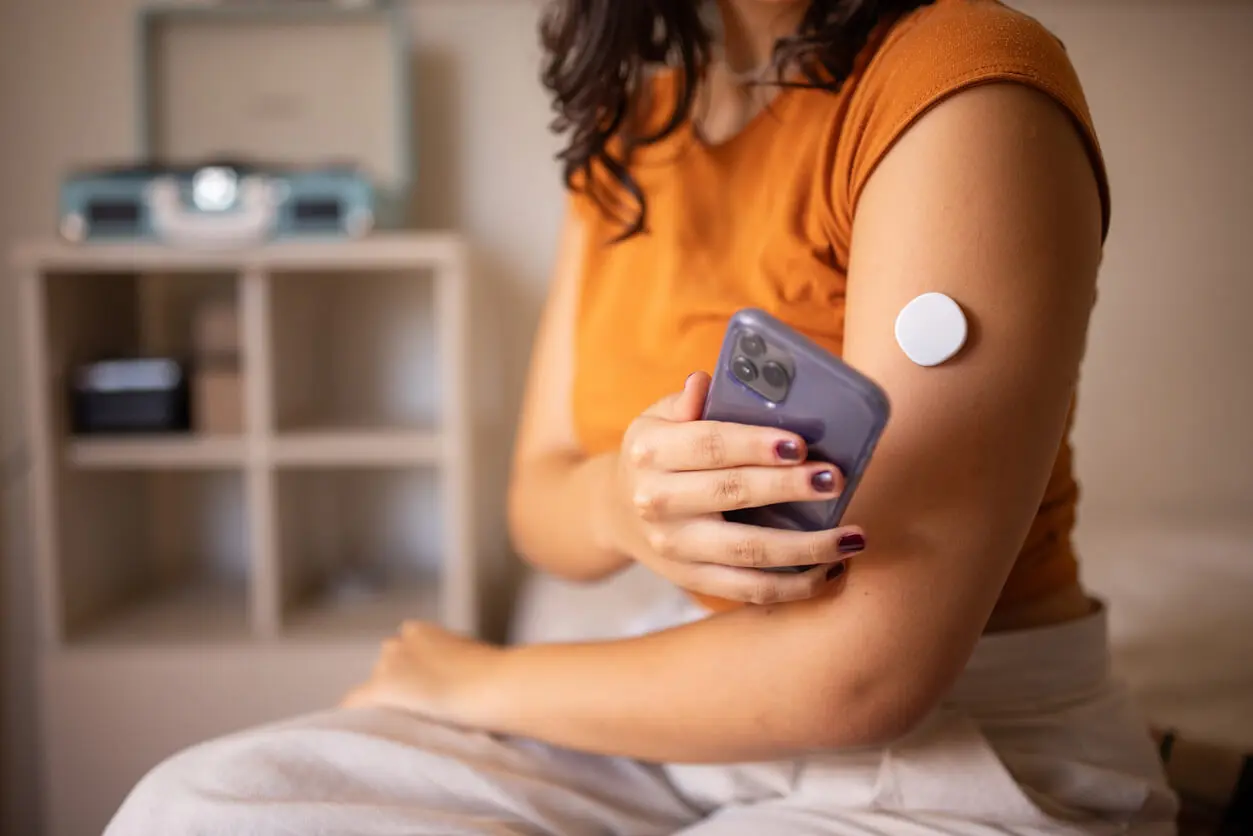
In 2024, Abbott issued a voluntary medical device correction—classified by the FDA as a Class I recall—for specific lots of FreeStyle Libre 3 sensors. If you possess an affected sensor, you must stop using it immediately, as it may provide incorrectly high glucose readings, potentially leading to unnecessary insulin administration and severe hypoglycemia.
The FreeStyle Libre 3 system is a cornerstone of modern diabetes management, providing minute-by-minute glucose data to millions of users globally. However, even the most advanced Continuous Glucose Monitoring (CGM) systems are subject to rigorous safety audits. This specific recall was initiated after Abbott identified a manufacturing issue that could cause a small percentage of sensors to report glucose levels higher than the user’s actual blood sugar. This guide provides the necessary steps to verify your hardware, understand the clinical risks, and navigate the replacement process as of 2026.
Understanding the Scope of the FreeStyle Libre 3 Recall
When the FDA designates a "Class I recall," it signifies the most serious type of recall, indicating that the use of the affected product could cause serious health consequences or death. In the case of the FreeStyle Libre 3, the concern was not that the device would stop working entirely, but rather that it would provide inaccurate data.
The recall specifically targeted sensors produced within a certain timeframe in 2024. It did not affect the FreeStyle Libre 3 reader or the mobile application itself, nor did it impact the older FreeStyle Libre 2 or Libre 14-day systems. The primary issue was isolated to the chemical or mechanical calibration of specific sensor lots, which resulted in "falsely high" readings. For a person with Type 1 or Type 2 diabetes, a falsely high reading is often more dangerous than a falsely low one, as it prompts the user to take a "correction dose" of insulin for a high blood sugar level that does not actually exist.
How to Identify Affected Sensors
To determine if your current inventory is part of the recall, you must check the serial numbers of your sensors. This can be done using the physical packaging or the software interface if the sensor is already applied.
Checking the Sensor Box
The most reliable way to verify your sensor is by looking at the side of the original packaging. Locate the serial number (SN), which is usually found near the expiration date and the 2D barcode. The serial number for the FreeStyle Libre 3 is an alphanumeric string.
Checking via the Mobile App
If you have already applied the sensor and discarded the box, you can still find the serial number through the FreeStyle Libre 3 app:
- Open the app on your smartphone.
- Navigate to the Main Menu (three horizontal lines).
- Select Help.
- Tap About.
- Scroll down to find the Sensor Serial Number.
Using the Abbott Verification Tool
Abbott maintains a dedicated web portal for recall verification. Users are encouraged to visit the official Abbott FreeStyle recall site and enter their serial numbers. This tool provides an instant "Affected" or "Not Affected" status. If the tool confirms your sensor is part of the recall, the website will guide you through the process of requesting a free replacement.
Clinical Risks and the Danger of Falsely High Readings
The physiological impact of an inaccurate CGM reading can be life-threatening. When a FreeStyle Libre 3 sensor reports a glucose level of 250 mg/dL, but the user's actual blood sugar is 110 mg/dL, the user may administer a bolus of rapid-acting insulin.
The Risk of Hypoglycemia
Insulin administered based on a falsely high reading will drive the actual blood sugar down into dangerous territory. This results in iatrogenic hypoglycemia (low blood sugar caused by medical treatment). Symptoms of severe hypoglycemia include:
- Confusion and disorientation.
- Dizziness or lightheadedness.
- Tremors or shaking.
- Rapid heartbeat (tachycardia).
- Seizures or loss of consciousness in extreme cases.
When to Perform a Finger-Stick Test
Even in 2026, clinical guidelines emphasize that CGM users should always have a standard blood glucose monitor (BGM) with test strips available. You should perform a finger-stick verification if:
- Your symptoms do not match your sensor readings (e.g., you feel "low" but the sensor says "normal").
- The sensor reports a rapid rise or fall that seems inconsistent with your recent activity or food intake.
- The sensor is in its first 12 hours of "warm-up" time, when accuracy is typically lower.
- You receive a "Check Blood Glucose" alert on your app.
Immediate Actions for Users and Caregivers
If you discover that you are wearing or holding a recalled FreeStyle Libre 3 sensor, follow these steps immediately to ensure your safety:
- Discontinue Use: If the sensor is currently applied to your arm, remove it immediately. If it is in its packaging, do not apply it.
- Switch to BGM: Revert to traditional finger-stick blood glucose monitoring using a handheld meter until you can apply a verified, non-affected sensor.
- Preserve the Sensor: Keep the affected sensor and its packaging. Abbott may provide a return kit so their engineering teams can analyze the faulty hardware to prevent future manufacturing errors.
- Contact Healthcare Providers: Notify your endocrinologist or primary care physician that your CGM data may have been inaccurate during the period you wore the affected sensor. This is particularly important if you have recently made changes to your insulin pump settings or basal rates based on that data.
- Submit a Replacement Request: Use the Abbott online portal to order your replacement. These are provided at no cost to the consumer, including shipping.
| Action Item | Priority | Method |
|---|---|---|
| Verify Serial Number | Urgent | Check box or App "About" section |
| Confirm Status | Urgent | Visit www.freestyleconfirm.com |
| Remove Sensor | Immediate | Peel off adhesive if serial number matches |
| Replacement Request | High | Complete online form on Abbott portal |
| Monitor Symptoms | Ongoing | Use BGM (finger-sticks) for 24-48 hours |
How to Obtain a Replacement Sensor from Abbott
Abbott has streamlined the replacement process to minimize the interruption in glucose monitoring for patients. Once you have confirmed your sensor is part of the recall via the online verification tool, the system will prompt you for your shipping information.
Generally, replacement sensors are shipped via expedited mail. While waiting for your replacement, it is vital not to rely on any other sensors from the same lot number if you have several in your "stockpile." If you have multiple sensors, verify each one individually, as lot numbers can span several boxes.
If you encounter difficulties with the online portal, you can contact Abbott’s Customer Service directly. In the United States, the FreeStyle Libre customer support line is available 7 days a week. Be prepared to provide your name, contact information, and the specific serial numbers of the faulty units.
Long-Term Reliability of the FreeStyle Libre 3 System
While recalls are concerning, they are also evidence of a functioning safety and regulatory ecosystem. The FreeStyle Libre 3 remains one of the most accurate sensors on the market in 2026, with a Mean Absolute Relative Difference (MARD) that is competitive with other major brands like Dexcom.
Manufacturing errors in medical devices, while rare, are addressed through these formal recall processes to ensure that the high standards of the FDA’s Quality System Regulation (QSR) are met. For users, this event serves as a reminder that while CGM technology is a massive leap forward in convenience, it is a tool that requires occasional manual verification.
To maintain long-term reliability:
- Store sensors correctly: Keep them in a cool, dry place between 36°F and 82°F.
- Check expiration dates: Never use a sensor past its "Use By" date.
- Update the App: Ensure your FreeStyle Libre 3 app is updated to the latest version to receive the most current safety alerts and software patches.
Frequently Asked Questions
Is every FreeStyle Libre 3 sensor being recalled?
No. Only specific lots manufactured during a specific window in 2024 are affected. Millions of other FreeStyle Libre 3 sensors are safe for use and continue to provide accurate readings. You must check your specific serial number to know if your device is involved.
What should I do if I think I took too much insulin because of a faulty reading?
If you suspect you have administered an overdose of insulin due to an incorrectly high reading, consume fast-acting carbohydrates (like glucose tabs or juice) immediately and monitor your blood sugar frequently with a finger-stick meter. If you experience symptoms of severe hypoglycemia, seek emergency medical attention or use a glucagon emergency kit if one was prescribed to you.
Can I get a refund instead of a replacement?
Abbott’s standard policy for medical device corrections is to provide a replacement product that meets safety specifications. If you have specific financial concerns or issues with your insurance coverage regarding these sensors, you should discuss them directly with Abbott Customer Service.
Does this recall affect the FreeStyle Libre 2?
No, the 2024 Class I recall was specific to the FreeStyle Libre 3 sensors. The FreeStyle Libre 2 and the older 14-day system use different manufacturing processes and sensor chemistries that were not impacted by this specific issue.
How long does it take to receive a replacement sensor?
Typically, Abbott processes replacement requests within 24 to 48 hours, with shipping taking an additional 3 to 5 business days. In some cases, they may offer expedited shipping for patients who have no remaining sensors in their supply.
Best Practices for Moving Forward
Navigating a medical device recall can be stressful, but taking methodical steps ensures your diabetes management remains on track. Your primary responsibility is to stop using the faulty data source and return to a verified method of testing.
Moving forward, always keep the original packaging of your sensors until they are fully used and discarded. This makes it significantly easier to track lot numbers in the event of future safety notifications. Furthermore, ensure your contact information is up to date with both your pharmacy and Abbott so that you can receive direct communications regarding any future safety alerts.
Notice: This article is for informational purposes and does not constitute medical advice. Always consult with a qualified healthcare provider regarding changes to your diabetes treatment plan or if you suspect you are experiencing a medical emergency.