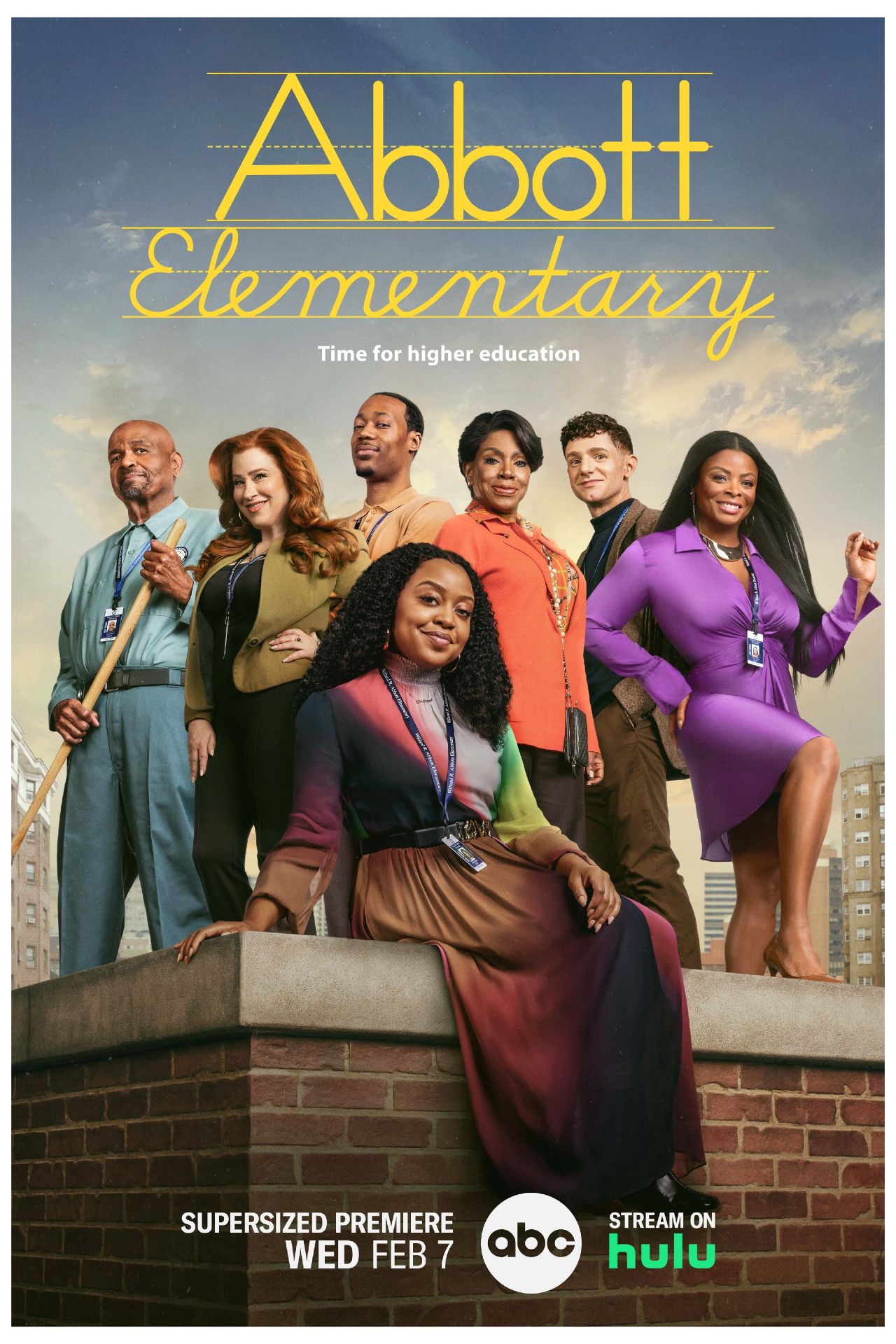
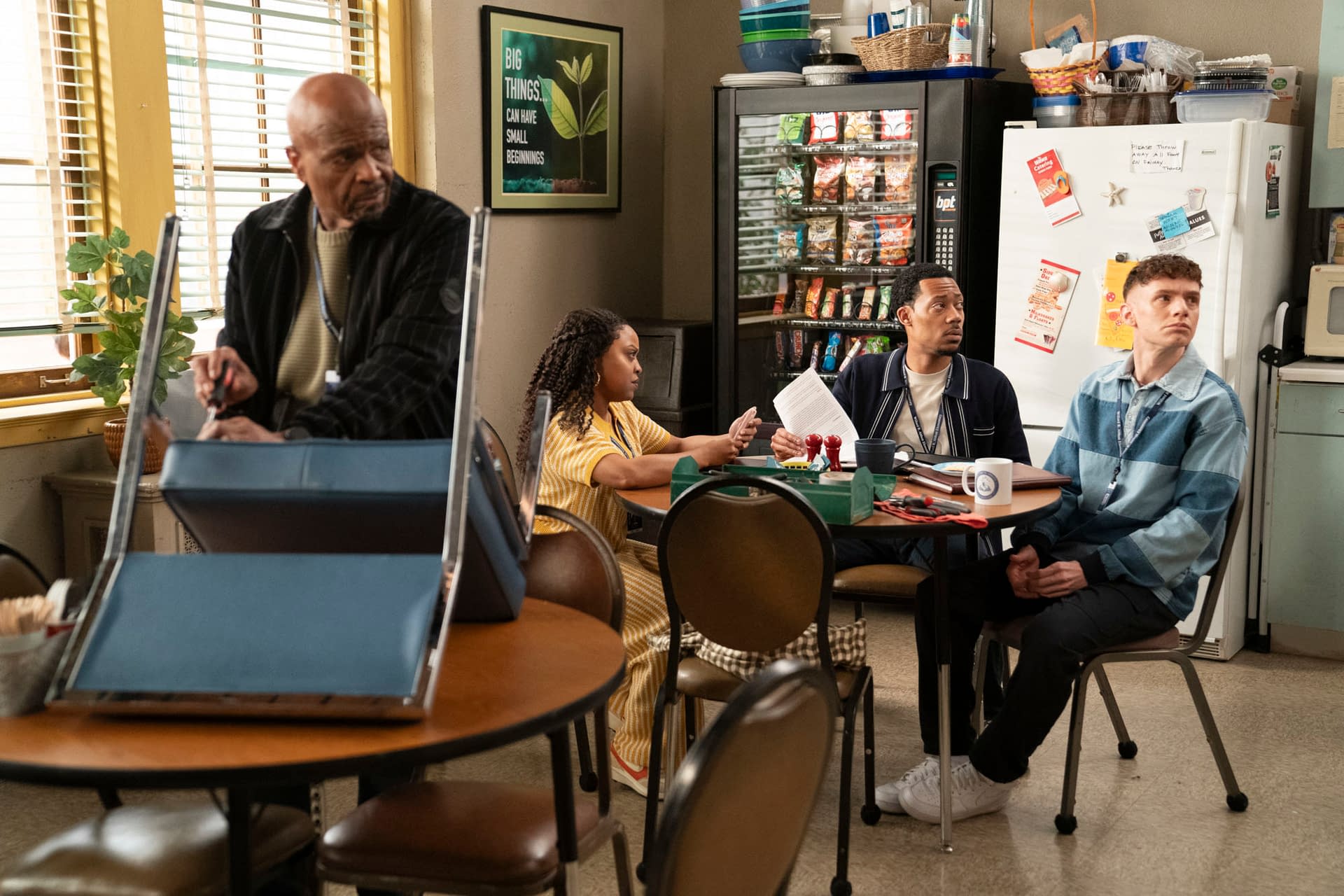
The ultimate crossover between Abbott Elementary and It's Always Sunny in Philadelphia bridges two fundamentally opposite ends of the sitcom spectrum: the optimistic, heartwarming mockumentary of a Philadelphia public school and the chaotic, cynical antics of Paddy's Pub. This guide breaks down the comedic styles, character dynamics, crossover history, and essential viewing list that connect television's two most iconic depictions of modern Philadelphia.
Two Sides of the City of Brotherly Love
Philadelphia has long served as a vibrant backdrop for American television, but rarely have two contemporary series captured its identity through such drastically different lenses. On one end stands ABC's critically acclaimed Abbott Elementary, created by Quinta Brunson. Set in a underfunded public school in West Philadelphia, Abbott relies on mockumentary-style heart, sharp social observational humor, and a fundamentally hopeful outlook on human nature. Its characters face systemic hurdles with resilience, humor, and genuine care for their community.
On the opposite end of the spectrum sits FXX's record-breaking It's Always Sunny in Philadelphia, created by Rob McElhenney and Glenn Howerton. Operating out of Paddy's Pub in South Philadelphia, "The Gang"—Dennis, Dee, Charlie, Mac, and Frank—represents the absolute pinnacle of narcissistic, misanthropic comedic chaos. Where the educators of Willard R. Abbott Elementary strive to build up their neighborhood, the proprietors of Paddy's Pub routinely burn down whatever progress comes within their reach.
Despite these polar-opposite worldviews, both shows share a deep reverence for Philadelphia's local culture, sports loyalty, distinctive dialect, and blue-collar pride. The contrast between Abbott's earnest idealism and Always Sunny's unhinged satire creates one of the richest dynamic pairings in modern television history, culminating in groundbreaking television history when the two worlds officially collided.
The Origin and Execution of the Historic Crossover
The idea of bringing together the wholesome faculty of Abbott Elementary with the deeply unhinged degenerate crew from Paddy’s Pub began as a dream fan scenario that quickly gained traction on social media. The tonal gulf between a network family-friendly sitcom and a cable boundary-pushing dark comedy seemed impassable to traditional network executives. However, mutual respect between showrunners Quinta Brunson and Rob McElhenney turned the theoretical mashup into reality during Abbott Elementary’s fourth season.
Behind the scenes, writing a crossover required delicate tone management. Abbott Elementary operates under traditional broadcast network standards, requiring high-energy optimism and accessible humor suitable for prime-time audiences. It's Always Sunny in Philadelphia, meanwhile, has built a two-decade legacy on extreme visual gags, unfiltered sociopathy, and adult themes. The creative teams resolved this hurdle by keeping the primary action within the production boundaries of Abbott Elementary, allowing "The Gang" to act as an unpredictable external disruption to the school’s daily routines.
THE TONAL SPECTRUM
| ABBOTT ELEMENTARY | IT'S ALWAYS SUNNY |
|---|---|
| Network TV (ABC) | Cable TV (FX/FXX) |
| Earnest & Heartwarming | Cynical & Dark Comedy |
| Community Improvement | Selfish Schemes |
| Mockumentary Realism | Surreal Satire |
The storyline brings the Paddy's Pub crew into the educational space under the guise of community service or a bizarrely conceived local business scheme. By placing Dennis, Dee, Charlie, Mac, and Frank inside a structured environment designed to protect children, the writers engineered maximum tension. The result allowed Abbott's core cast to react as the "sane" observers of the Gang’s outrageous behavior, flipping the standard Always Sunny dynamic where the outer world usually ignores Paddy's Pub altogether.
Character Pairing Breakdown: Optimism Meets Chaos
The magic of combining these two ensembles relies entirely on matching complementary and contrasting personalities. When high-minded educators interact with self-absorbed bar owners, every interaction exposes the extreme edges of both character groups.
| Abbott Character | Always Sunny Character | Dynamic Overview | Primary Comedic Conflict |
|---|---|---|---|
| Janine Teagues | Dennis Reynolds | Naïve Enthusiasm vs. Narcissistic Manipulation | Janine attempts to mentor or rehabilitate Dennis, completely blind to his psychological control tactics and sociopathic grandiosity. |
| Gregory Eddie | Mac (Ronald McDonald) | Rigid Professionalism vs. Desperate Need for Approval | Gregory's calm, rule-following demeanor infuriates Mac, who tries to prove his martial arts skills and physical dominance. |
| Ava Coleman | Frank Reynolds | Unfiltered Opportunism vs. Unhinged Wealth & Chaos | Ava and Frank immediately recognize each other's hustler energy, leading to a volatile corporate alliance or rivalry. |
| Melissa Schemmenti | Charlie Kelly & Mac | South Philly Toughness vs. Bizarre South Philly Delusions | Melissa's authentic local connections collide with Charlie's ill-informed urban legends and obsession with basement maintenance. |
| Barbara Howard | Dee Reynolds | Moral Authority & Faith vs. Desperate Vanity & Moral Decay | Barbara treats Dee with stern maternal disappointment, driving Dee into increasingly absurd attempts to gain respect. |
Janine Teagues and Dennis Reynolds
Janine's defining trait is her persistent, almost relentless belief that anyone can be redeemed through effort and proper guidance. Placing her across from Dennis Reynolds—a man whose entire identity is constructed around vanity, control systems, and psychological manipulation—provides an explosive narrative contrast. Janine attempts to engage Dennis in constructive community initiatives, while Dennis views Janine's earnestness as a challenge to his self-appointed superiority.
Ava Coleman and Frank Reynolds
Ava Coleman operates as Abbott's boundary-testing principal, constantly looking for personal perks, social media influence, and quick financial shortcuts. Frank Reynolds, backed by endless "fringe class" capital and zero ethical boundaries, represents the extreme evolution of Ava’s worldview. When the two enter a room together, they immediately evaluate how to leverage each other's resources, resulting in quick-witted banter and wildly inappropriate administrative decisions.
Melissa Schemmenti and the Local Culture
Melissa represents authentic, old-school South Philadelphia heritage. She has "a guy" for every problem, understands the unwritten rules of the neighborhood, and tolerates zero nonsense. Charlie Kelly and Mac, who also claim South Philly roots, operate entirely on urban myths, poor reasoning, and bizarre delusions. Seeing Melissa easily dismantle Charlie's nonsense about sewer management or Mac's boasts about neighborhood toughness highlights the difference between genuine grit and Paddy's Pub absurdity.
Philadelphia Cultural Lore in Both Series
Beyond the character writing, both sitcoms act as love letters to Philadelphia's distinctive culture, geography, and traditions. However, they approach local landmarks and traditions through completely different angles.
- Sports Fandom: In Abbott Elementary, sports are a unifying force for the faculty and students, celebrated through Eagles spirit days, Philly Phanatic appearances, and genuine community bond. In Always Sunny, sports fandom is an unhinged, high-stakes obsession characterized by tailgating riots, throwing beer bottles, and sneaking into stadium VIP boxes.
- Local Geography: Abbott highlights real-world neighborhood dynamics, local public school infrastructure, and recognizable North and West Philly spaces. Always Sunny showcases the darker, grittier side of South Philly alleys, vacant lots, public parks gone wrong, and dive bars.
- Philly Dialect and Delicacies: Both series feature iconic local references—from hoagies and soft pretzels to Wawa run debate and authentic Philly slang ("wooder," "jawn"). While Abbott uses these elements to ground its realism, Always Sunny weaponizes them for absurd parody.
Essential Viewing Guide: The Path to the Crossover
To fully appreciate the narrative mashup, fans of either show need a curated roadmap highlighting the thematic bridge between both series.
Essential Abbott Elementary Episodes for Sunny Fans
- "Pilot" (Season 1, Episode 1): Establishes the mockumentary format, the school's harsh realities, and Ava Coleman's unhinged leadership style, which Sunny fans will instantly appreciate.
- "Ava vs. Superintendent" (Season 1, Episode 9): Demonstrates the high-stakes bureaucracy and manipulative schemes that Ava uses to protect her job, reminiscent of a PG-rated Paddy's Pub scheme.
- "Desk Wars" (Season 2, Episode 3): Shows how minor personal grievances among the teachers can spiral into petty, school-wide chaos.
- "Eagles Key" (Season 2, Episode 3/Special elements): Highlights the city's intense football culture and community pride in full force.
Essential It's Always Sunny in Philadelphia Episodes for Abbott Fans
- "The Gang Gets Educational" / "The Gang Escapes": Episodes where the Paddy's crew attempts to interact with structured institutions or work as a team, predictably ending in complete failure.
- "Sweet Dee Has a Heart Attack" (Season 4, Episode 10): Features Charlie and Mac attempting to work standard corporate desk jobs, culminating in the famous "Pepe Silvia" mailroom breakdown.
- "The Gang Gives Back" (Season 2, Episode 5): The Gang is sentenced to community service coaching youth basketball, showing precisely how dangerous they are around children and community programs.
- "The World Series Defense" (Season 5, Episode 6): A masterclass in Philly sports madness, legal incompetence, and chaotic storytelling through secret tunnels under the stadium.
Frequently Asked Questions
Is the Abbott Elementary and Always Sunny crossover canon for both shows?
Yes, the crossover event is an official, canonical episode within Abbott Elementary Season 4, written and produced with the direct participation of the creators and main cast of both series.
Where can I watch both series?
As of 2026, Abbott Elementary airs on ABC and streams on Hulu and Max. It's Always Sunny in Philadelphia airs on FXX and streams its full catalog on Hulu.
Do you need to watch Always Sunny before watching the crossover episode?
No. The episode is crafted so that casual Abbott Elementary viewers can follow the story without prior knowledge of Always Sunny. However, familiarity with "The Gang" makes the character dynamics significantly funnier.
Why does Abbott Elementary use a mockumentary style while Always Sunny uses standard multi/single-camera setups?
Abbott Elementary uses the mockumentary format to mimic real-life educational documentaries, allowing characters to speak directly to the camera to express their inner thoughts. Always Sunny uses a standard single-camera setup to create an immersive, chaotic environment that feels like a raw, unedited glimpse into Paddy's Pub.
How did the showrunners overcome the rating differences between network and cable TV?
The crossover takes place primarily within Abbott Elementary, meaning the episode adheres to ABC's broadcast standards (TV-PG/TV-14). The writers captured the spirit of Always Sunny through clever dialogue, unhinged facial performances, and frantic behavior rather than explicit language or adult situations.
How to Enjoy the Ultimate Philly Sitcom Marathon
To experience the full arc of Philadelphia comedy, stream the series in paired thematic blocks rather than chronological binge-watching. Match episodes that share similar topics—such as school field trips, local sports championships, or administrative chaos—to contrast the wholesome resilience of Abbott Elementary directly against the unvarnished madness of It's Always Sunny in Philadelphia. This comparative viewing highlights how two different shows can take the same city, culture, and setting, yet create two of the most enduring comedies in modern television history.