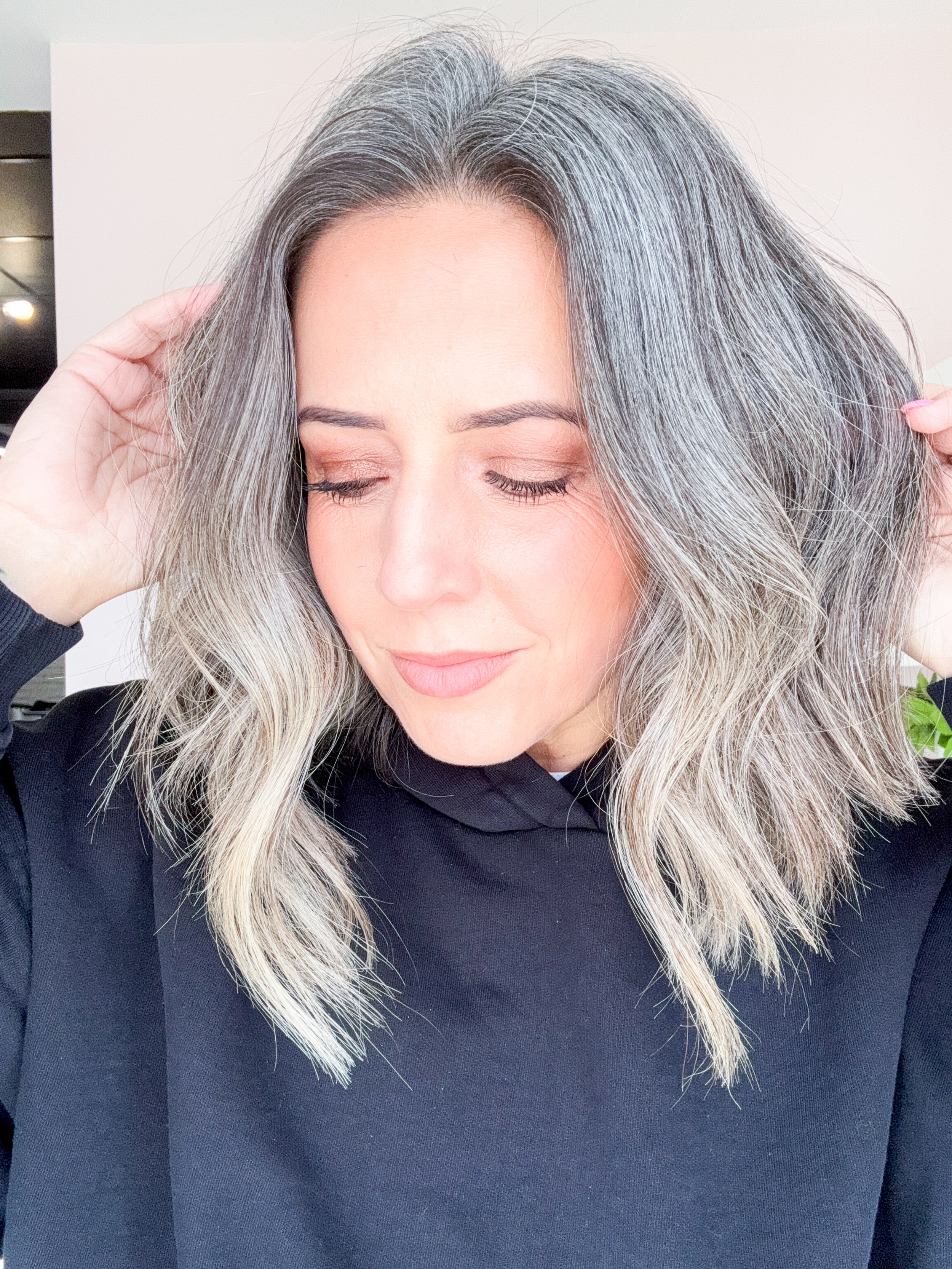
Abbey Yung’s signature curly hair routine centers on a science-backed, low-tension approach designed to enhance natural 2B–3A waves and curls without heavy buildup. By pairing gentle cleansing, targeted bond repair, weightless moisture application on soaking-wet hair, and controlled diffusion, this routine maximizes definition, volume, and long-term hair health.
Understanding the Science Behind Abbey Yung's Hair Care Philosophy
Abbey Yung built her reputation across social platforms by filtering popular beauty trends through evidence-based hair science and trichology principles. Unlike traditional curly girl methods that rely heavily on dense raw oils, heavy butter masks, and strict co-washing regimes, Yung advocates for a balanced framework that prioritizes scalp hygiene, cuticle integrity, and weightless product formulation.
Natural wave and curl patterns—specifically Type 2 (wavy) and Type 3 (curly)—possess structural characteristics that require specific handling. The curved structure of a curly hair follicle prevents natural sebum produced by the scalp from traveling down the hair shaft as easily as it does on straight strands. Consequently, the mid-lengths and ends of curly hair tend to suffer from chronic dryness, while the scalp can still accumulate sebum, dead skin cells, and product residue.
To address these conflicting needs, Yung’s philosophy balances three core physiological pillars:
- Scalp Microenvironment Maintenance: Clean follicles promote healthy growth cycles. Regular cleansing with appropriate surfactants removes lipid buildup, environmental pollutants, and styling polymers that block follicle openings.
- Targeted Bond Repair and Protein-Moisture Balance: Chemical treatments, heat exposure, and mechanical friction break disulfide bonds and deplete structural proteins within the cortex. Yung emphasizes precise protein and bond repair intervention without overloading fine or medium strands with excessive protein.
- Hydrodynamic Styling: Applying styling products to soaking-wet hair leverages water molecules to align hair fibers into uniform curl clumps. Water acts as a temporary plasticizer, allowing hydrogen bonds to reform around styling polymers as the hair dries.
Essential Products and Tools for the Signature Look
Achieving clean, Defined waves and soft, bouncy curls requires a carefully curated set of formulas and mechanical tools. Using overly heavy butter-based products can weigh down finer curl patterns, causing them to elongate and lose shape within hours of drying. Yung's recommended arsenal emphasizes lightweight hydration and flexible film-forming polymers.
| Core Styling Toolkit | Function |
|---|---|
| Clarifying Shampoo | Removes buildup & restores shine |
| Hydrating Shampoo & Conditioner | Balances moisture without weight |
| Bond Repair Treatment | Rebuilds internal hair structure |
| Lightweight Leave-In Spray/Cream | Distributes hydration evenly |
| Flexible Volumizing Mousse | Adds body and root support |
| Firm-Hold Styling Gel | Seals curl clumps & blocks frizz |
| Microfiber Towel / Cotton T-Shirt | Absorbs water without friction |
| Ionic Hair Dryer + Deep Diffuser | Sets style rapidly with low heat |
Cleansers and Treatments
- Clarifying Shampoo: A high-performing chelating or clarifying formula used weekly or bi-weekly. It removes hard water minerals, chlorine, and polymer buildup that cause dullness and weigh down curl patterns.
- Gentle Hydrating Shampoo: A sulfate-free or mild-surfactant daily shampoo that cleanses the scalp without stripping the natural lipid barrier of the hair shaft.
- Bond Repair Treatments: Formulations containing active bond-building molecules (such as bis-aminopropyl diglycol dimaleate or patented peptide chains) that repair damaged disulfide bonds inside the cortex.
- Lightweight Rinse-Out Conditioner: Formulated with fatty alcohols, slip-providing detanglers, and soluble silicones or light oils that seal the cuticle without leaving a greasy film.
Styling Formulations and Hardware
- Leave-In Conditioner or Curl Cream: A fluid spray or lightweight lotion designed to retain internal hydration without reducing volume.
- Styling Mousse and Strong-Hold Gel: Mousse provides root lift and airy volume, while a hard-cast gel encapsulates the curl clump to lock out ambient humidity and prevent atmospheric frizz.
- Wet Detangling Brush: A flexible-bristle brush designed to distribute product evenly through soaking-wet hair without pulling or causing mechanical breakage.
- Microfiber Towel or Cotton T-Shirt: Smooth-surfaced textiles that absorb excess water without disrupting the cuticle layer, unlike abrasive terrycloth towels.
- Diffuser Attachment with Ionic Technology: A broad bowl diffuser attachment paired with a temperature-controlled ionic dryer to dry curls gently while preserving clump structure.
Step-by-Step Breakdown of Abbey Yung’s Curly Styling Routine
Executing the signature look involves a structured sequence of preparation, washing, wet application, and controlled drying. Omitting a step or applying products out of order can compromise curl longevity and definition.
- Step 1: Pre-Wash & Scalp Prep
- Apply pre-poo oil to mid-lengths/ends; gently detangle.
- Step 2: Cleansing & Conditioning
- Double wash (clarify or hydrate); apply rinse-out conditioner.
- Step 3: Soaking-Wet Product Application
- Apply leave-in spray & curl cream to dripping-wet hair; brush to clump.
- Step 4: Layering Hold & Definition
- Scrunch in volumizing mousse followed by strong-hold styling gel.
- Step 5: Water Removal & Micro-Plopping
- Gently cupping excess water with a microfiber towel.
- Step 6: Diffusing & Scrunching Out the Cast
- Hover-diffuse roots, cup-diffuse ends, then break hard gel cast with lightweight oil.
Step 1: Pre-Wash Protection and Scalp Care
Before entering the shower, evaluate the condition of your lengths. If your hair suffers from hygral fatigue (damage caused by repeated swelling and contracting of the hair shaft during washing), apply a small amount of a penetrating pre-shampoo oil (such as coconut or babassu oil) or a protective pre-poo serum strictly to the mid-lengths and ends. This creates a hydrophobic shield that limits excessive water absorption while preventing surfactant stripping.
Step 2: Double Cleansing and Conditioning
Begin by wetting the hair completely with lukewarm water.
- First Wash: Apply a palm-sized amount of shampoo directly to the scalp. Use the pads of your fingers—never fingernails—to massage the scalp in circular motions, lifting oil and dead skin cells. Rinse thoroughly.
- Second Wash: Repeat the cleansing process to fully break down residual polymers and environmental pollutants. If it is a clarifying day, use your dedicated deep-cleanser for this phase.
- Conditioning: Apply rinse-out conditioner from the mid-lengths down to the ends. Use your wet brush or fingers to gently detangle from ends upward toward the roots. Allow the conditioner to sit for 2 to 3 minutes to smooth the cuticle layer before rinsing completely with cool-to-lukewarm water.
Step 3: Application on Soaking-Wet Hair
Do not towel-dry your hair upon stepping out of the shower. The core secret to achieving smooth, frizz-free curl clumps lies in working with dripping wet strands.
While standing over the sink or tub, mist a lightweight leave-in conditioner evenly throughout the hair. Work a small dime-sized amount of curl cream between your palms and smooth it over your lengths using "prayer hands" (sandwiching hair sections between flat palms). Pass your detangling brush through the hair away from the scalp to encourage uniform ribboning and natural section clumping.
Step 4: Layering Hold Products (Mousse and Gel)
To create long-lasting structure without heaviness, use a dual-product layering technique:
- Layer 1 (Mousse): Pump a generous amount of volumizing styling mousse into your hands. Gently scrunch the mousse upward from the ends toward the scalp. Listen for a wet, squishing sound, which confirms that water and product are bonding effectively.
- Layer 2 (Gel): Apply a nickel-to-quarter-sized amount of strong-hold gel over the mousse using the prayer-hands method to coat the outside of each clump. Scrunch upward once more to seal the pattern. The gel creates a stiff outer shell, known as a cast, which protects the curl shape as it dries.
Step 5: Micro-Plopping and Water Removal
Once products are evenly distributed, take your microfiber towel or cotton T-shirt. Lay the towel flat in your hands, cup your hair sections from the ends, and gently push the hair up toward the scalp in a scrunching motion. Hold each scrunch for 3 to 5 seconds to absorb excess water without roughing up the cuticle. Avoid traditional towel wrapping or twisting, which breaks apart curl clumps and introduces instant frizz.
Step 6: Controlled Diffusing and Breaking the Cast
Drying your hair with a diffuser ensures maximum volume, rapid dry times, and long-lasting curl pattern retention.
- Hover Diffusing: Set your hair dryer to medium heat and medium airflow. Hold the diffuser 3 to 6 inches away from your head, moving it around your roots and perimeter. This sets the exterior gel cast without disturbing the physical shape of the curls.
- Cup Diffusing: Once the outer layer feels slightly firm to the touch (about 50% dry), tilt your head to the side. Gather sections of hair into the diffuser bowl, lift them up to the scalp, and turn the dryer on for 30-second bursts. Repeat across all sections until your hair is 90% to 100% dry.
- Scrunching Out the Cast (SOTC): Once hair is completely dry, it will feel stiff or "crunchy" due to the set gel cast. Dispense 1 to 2 drops of a lightweight hair oil (such as jojoba, squalane, or a light silicone serum) into your palms. Rub your hands together to warm the oil, then gently scrunch your curls upward to break the cast. This reveals soft, shiny, fully defined curls with zero crunch.
Method Comparison: Heavy Moisture vs. Abbey Yung's Weightless Routine
Understanding why traditional curly routines fail for fine or medium hair types requires comparing product selection, application methods, and performance outcomes.
| Feature / Metric | Traditional Heavy Moisture Method | Abbey Yung’s Weightless Style Method |
|---|---|---|
| Primary Cleanser | Co-wash conditioners or low-foaming creams | Alternating hydrating & clarifying shampoos |
| Key Hydrating Ingredients | Shea butter, raw coconut oil, heavy plant lipids | Water-soluble humectants, light esters, light silicones |
| Application Timing | Damp or damp-towel-dried hair | Dripping wet / soaking-wet hair |
| Styling Technique | Heavy shingling, finger-coiling each section | Wet brushing, prayer hands, up-scrunching |
| Drying Method | Prolonged air drying or prolonged heavy diffusing | Hover diffusing followed by cup diffusing |
| Volume Potential | Low to moderate (often roots lie flat) | High (roots remain lifted and weightless) |
| Longevity of Hold | 1–2 days before severe sagging or buildup | 3–5 days with minimal morning refresh |
| Scalp Health Risk | Higher risk of scalp buildup & folliculitis | Low; regular cleansing maintains scalp balance |
How to Adapt the Routine for Different Hair Types
While Abbey Yung’s method works exceptionally well for fine-to-medium wavy and curly hair (2B to 3A patterns), adjustments can optimize results for other structural hair types.
| Porosity & Density Matrix | Low Porosity | High Porosity |
|---|---|---|
| Fine | • Use liquid spray leave-ins• Rely heavily on mousse• Avoid heavy natural oils | • Incorporate bond builders• Use creamy leave-in bases• Focus on protein balance |
| Thick | • Clarify frequently• Apply products in sections• Use lightweight gel formulas | • Apply rich, firm-hold gels• Layer creams under gels• Seal with multi-oil blends |
Low Porosity Hair
Low-porosity hair features tightly sealed cuticle scales that resist water penetration and trap product on the outer surface.
- Adjustment: Skip heavy curl creams entirely. Rely on ultra-lightweight liquid spray leave-in conditioners. Use heat while deep conditioning to open the cuticle layer, and prioritize clarifying every 7 to 10 days to prevent surface film formation.
High Porosity or Chemically Treated Hair
High-porosity strands have raised or damaged cuticles due to bleaching, heat styling, or environmental degradation. Water enters and exits the cortex rapidly, leading to quick dry times and instant humidity-induced frizz.
- Adjustment: Incorporate a bond-repairing treatment into your weekly schedule. Layer a creamier leave-in conditioner underneath your gel to trap moisture inside the cortex. You can also use slightly heavier silicone-based finishing serums to seal compromised cuticles against external humidity.
Fine-Density Curls
Fine strands have a small strand diameter and are easily overwhelmed by oil mass, causing curl patterns to pull flat against the scalp.
- Adjustment: Rely primarily on styling mousse for hold and structure, using gel only as an outer finishing layer on the bottom half of the length. Keep all styling creams away from the roots, starting application at least two inches down from the scalp.
Common Mistakes That Ruin Curl Definition
Even with high-quality products, subtle mechanical errors during application can compromise your results. Avoid these common pitfalls to maintain defined, long-lasting curls:
- Applying Products to Towel-Dried Hair: When hair is partially dry before product application, frizz sets in instantly. Hair must be wet enough to form smooth, glass-like ribbons when brushed; otherwise, products seal in existing frizz rather than smooth hydration.
- Skipping Regular Clarifying Washes: Gentle sulfate-free cleansers cannot completely remove modern styling polymers, hard water minerals, and natural sebum. Over time, built-up residue forms an impermeable layer on the hair shaft, blocking hydration and turning curls dull and sticky.
- Touching Hair While Diffusing or Air Drying: Disrupting the hair while the gel cast is forming breaks down polymer bonds prematurely, causing instant surface frizz. Keep your hands off your hair completely until it is 100% dry and ready to be scrunched out.
- Over-Oiling the Scalp: Applying heavy natural oils directly to the scalp can block hair follicles, disrupt the scalp microbiome, and cause yeast proliferation (such as Malassezia), leading to itching, flaking, and inflammation. Reserve oils strictly for sealing dry ends.
- Using High Heat without Hovering: Pressing a hot diffuser bowl directly against wet, bare hair can cause localized heat damage and break wet hydrogen bonds unevenly. Always hover the dryer around your head first to establish a protective outer cast before pressing the diffuser bowl against your lengths.
Frequently Asked Questions
What curl pattern is Abbey Yung's routine best suited for?
This routine is designed for Type 2A–2C waves and Type 3A fine-to-medium curls. Its lightweight product layering provides structural hold and bounce without weighing down loose or medium wave patterns.
How often should you use clarifying shampoo in a wavy-curly routine?
Most individuals should clarify their hair once every 1 to 2 weeks. If you live in an area with hard water, use heavy silicone products, or scalp oil naturally quickly, clarify weekly. If your hair is exceptionally dry or minimally styled, clarifying every two weeks is sufficient.
Can fine hair handle bond repair treatments like K18 or Olaplex?
Yes. Fine hair benefits significantly from bond repair treatments because fine strands have less cortex mass and are more prone to mechanical damage and breakage. Follow manufacturer instructions precisely, avoid over-applying product, and do not use deep protein masks immediately after concentrated bond treatments unless necessary.
How do you prevent gel casts from feeling crunchy or stiff?
A stiff cast is an intentional intermediate step that locks in defined curls during drying. Once your hair is completely 100% dry, squeeze the crunch away by scrunching upward with 1 to 2 drops of a lightweight hair oil or silicone serum spread across your hands.
Is diffusing better than air drying for wavy and curly hair?
Diffusing offers several advantages over air drying. It shortens dry time, minimizes the duration hair remains in a vulnerable wet state (reducing hygral fatigue), sets styling polymers instantly for enhanced volume, and prevents gravity from elongating wave patterns while damp.
Optimizing Your Daily Hair Strategy
Transitioning to Abbey Yung’s signature curly hair method requires shifting focus from heavy cosmetic oils to structural hair health and smart product weight management. Begin by auditing your current shelf: replace dense butter masks with fluid, water-soluble formulas, introduce a dedicated clarifying shampoo, and switch to soaking-wet application methods.
To track your progress effectively, adjust one variable at a time. Introduce a hard-hold gel first to test your cast formation, then refine your diffusing technique to maximize root volume. By honoring the physical mechanics of your hair strands and maintaining a clean, balanced scalp environment, you can achieve consistent, defined, bouncy, and frizz-resistant curls every wash day.