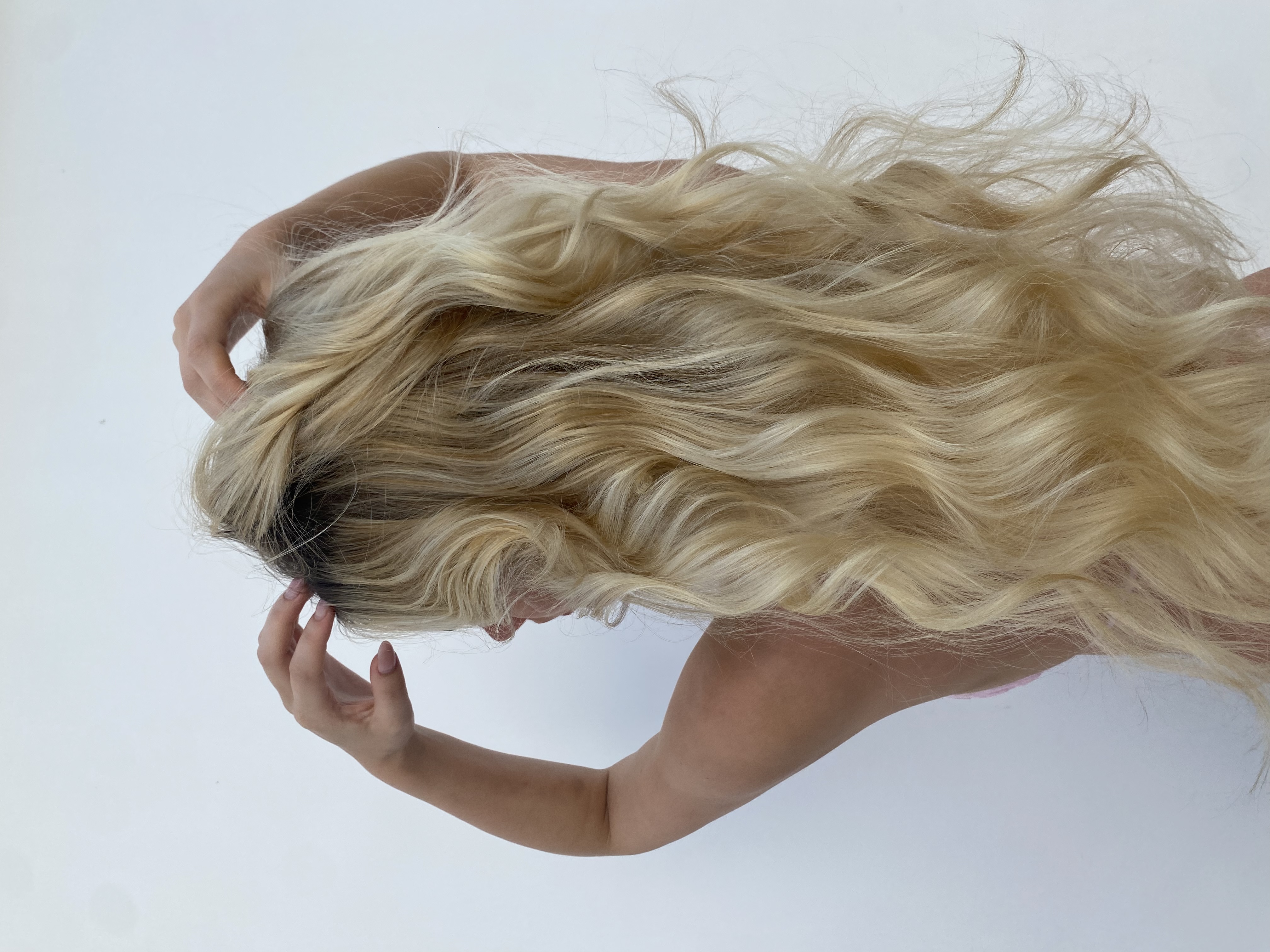
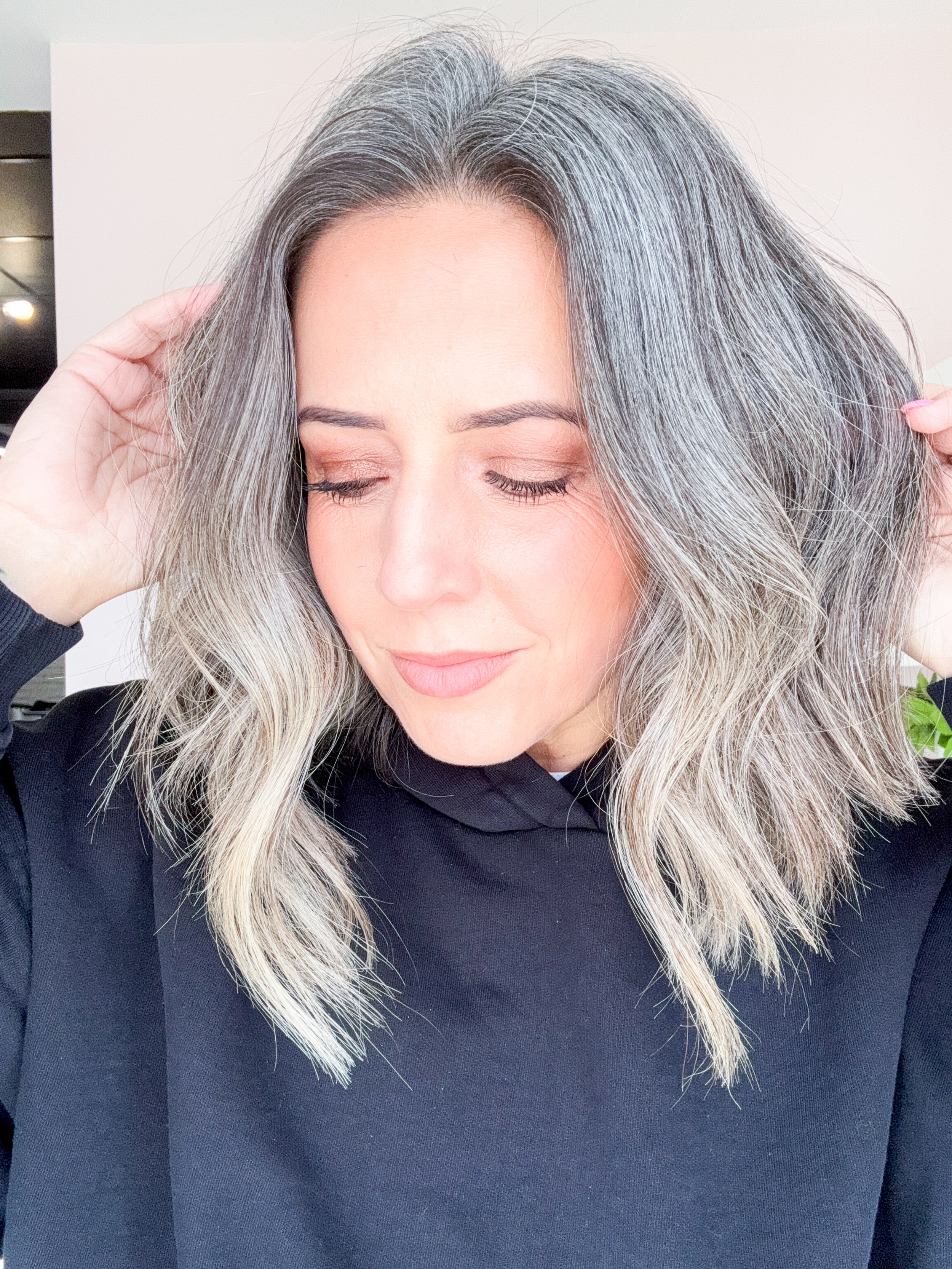
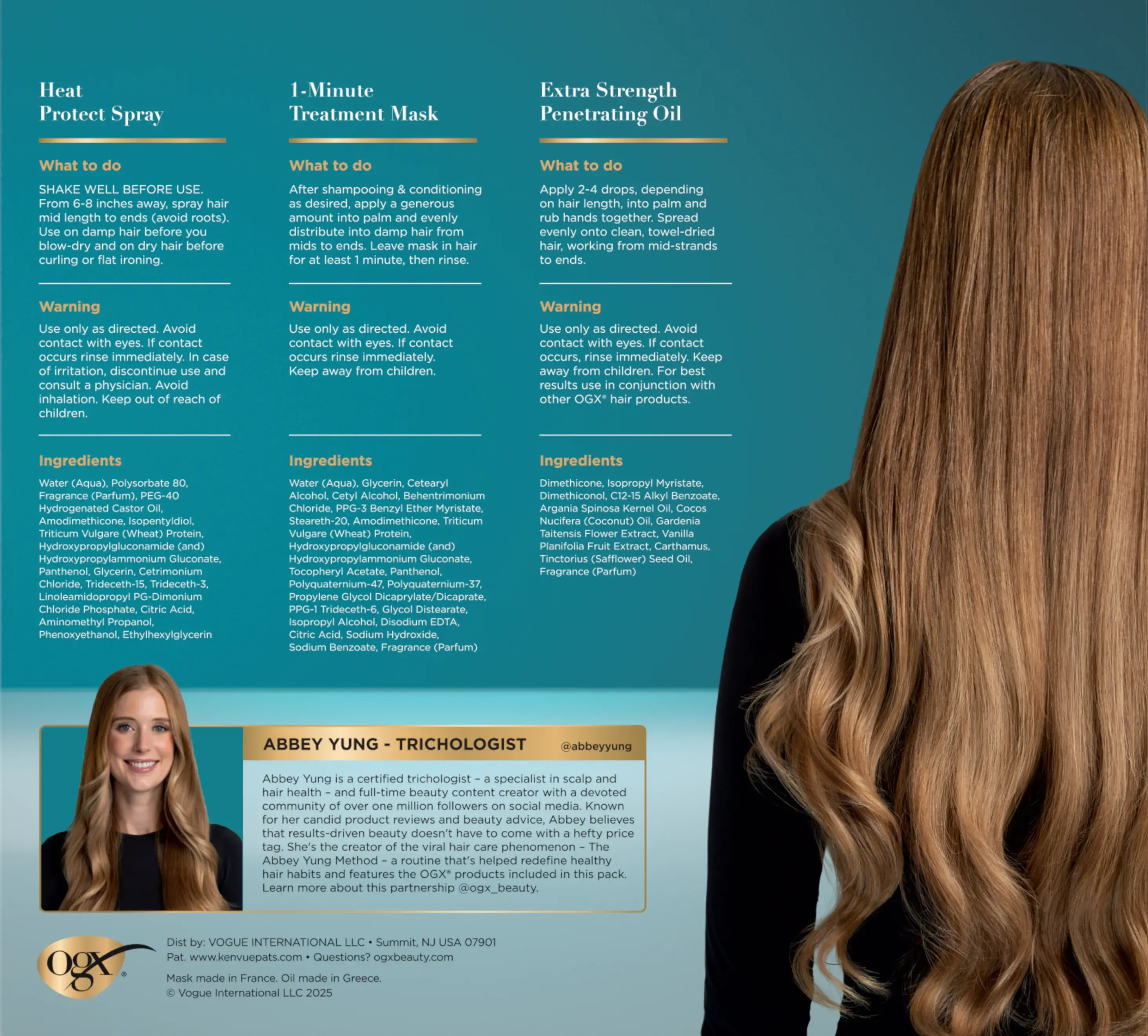
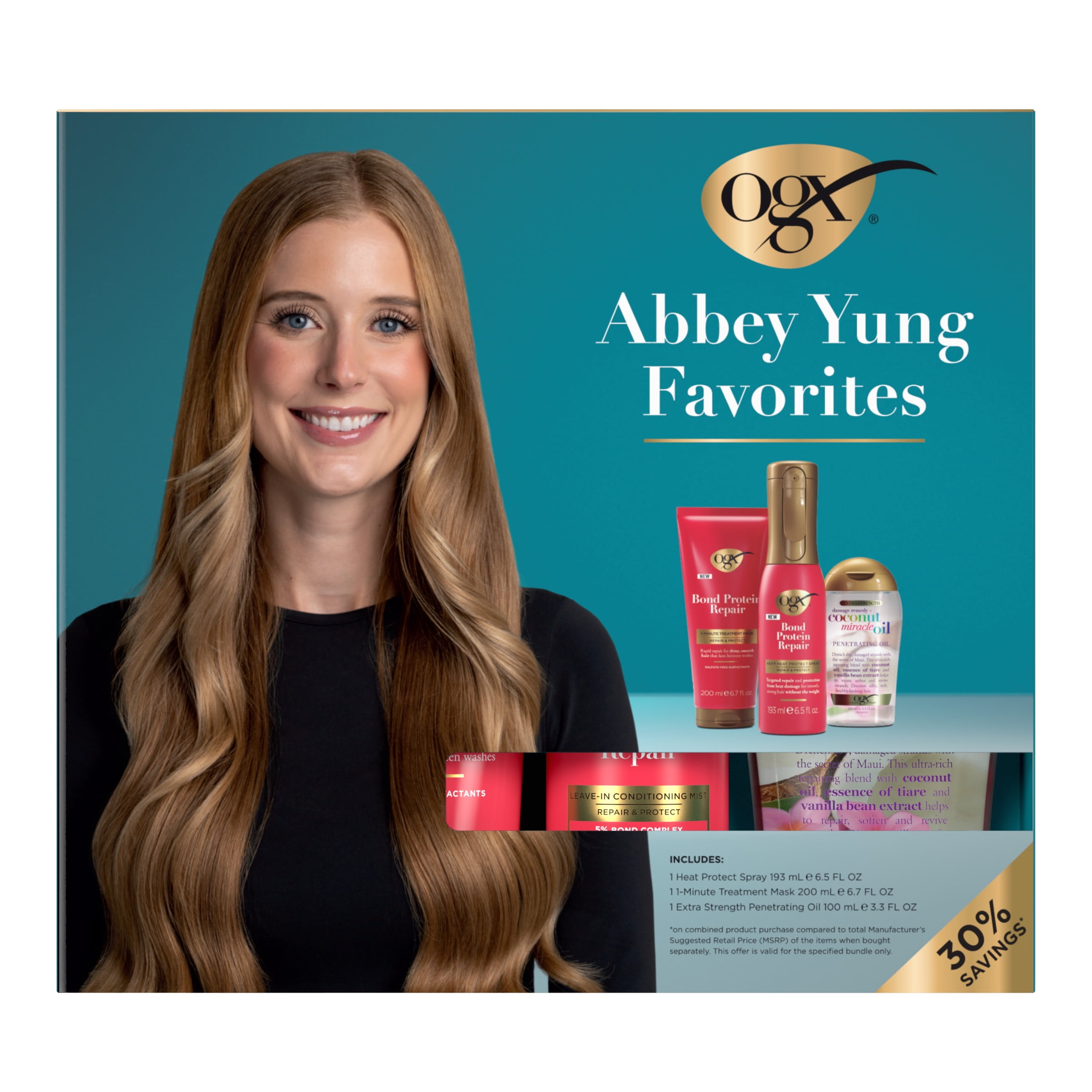
Popularized by hair care creator Abbey Yung, science-backed hair styling focuses on pairing current aesthetic trends with damage mitigation. By prioritizing scalp health, bond repair, heat protection, and low-tension styling techniques, you can achieve popular looks like sleek buns, bouncy blowouts, and soft waves without compromising your hair's structural integrity or growth potential.
The Science-First Approach to Modern Hair Styling
For years, mainstream styling advice prioritized quick visual results over the long-term health of the hair fiber. Achieving a smooth finish often meant applying extreme thermal heat, using drying alcohol-based sprays, or pulling hair tight into high-tension updos. Abbey Yung's approach flips this paradigm by grounding styling methods in trichology and cosmetic chemistry. Hair is treated not as an infinitely malleable fabric, but as a dead keratinized structure that requires structural preservation.
Every strand of hair consists of three main layers: the innermost medulla, the cortical layer (cortex) which provides strength, color, and elasticity, and the outermost cuticle, composed of overlapping shingle-like cells. When hot tools or aggressive styling techniques strip the natural lipid layer (the 18-MEA layer) or crack the protective cuticle, hair loses its ability to retain moisture. This structural degradation leads to high porosity, frizzy texture, split ends, and breakage.
Integrating scientific principles into your daily hair routine ensures that aesthetic choices support—rather than compromise—hair health. Healthy hair naturally retains more shine, holds styling curls longer due to intact hydrogen and disulfide bonds, and requires significantly less heat manipulation to look refined. By shifting the goal from temporary styling fixes to sustainable fiber preservation, you can participate in modern hairstyle trends without sacrificing density or hair length.
Pre-Styling Prerequisites: Preparing Hair for Safe Styling
Before introducing thermal tools or mechanical tension, hair must be chemically and physically prepared to withstand stress. Skipping preparation steps leaves the hair cortex vulnerable to heat degradation and moisture loss. A sound pre-styling protocol focuses on deep hydration, structural bond support, and adequate thermal shielding.
- Cleansing & Conditioning: Reset scalp; restore moisture balance.
- Bond Preservation: Apply leave-in treatment to reinforce cortex.
- Thermal Protection: Film-forming polymers shield up to 450°F.
- Mechanical Prep: Detangle gently from tips to roots with slip.
1. Bond Preservation and Deep Moisture Restoration
High-heat styling breaks the temporary hydrogen bonds that give hair its shape, but excessive heat can also permanently damage the disulfide bonds that give hair its core tensile strength. Incorporating targeted bond-building treatments—such as those utilizing bis-aminopropyl diglycol dimaleate or biomimetic peptides—helps rebuild disrupted polypeptide chains before styling. Follow bond treatments with acidic bonding conditioners or moisture-rich masks to seal the cuticle layer flat.
2. The Non-Negotiable Role of Heat Protectants
Never apply heat tools directly to unshielded hair. Effective heat protectants rely on high-performing silicones (such as dimethicone, amodimethicone, or cyclopentasiloxane) and heat-stable polymers. These ingredients create a thin, uniform film over the cuticle, slowing heat conduction into the inner cortex and preventing water within the hair shaft from reaching a flash-boil state. Ensure your chosen protectant offers verified protection up to the maximum temperature of your hot tool, typically between 300°F (148°C) and 450°F (232°C).
3. Gentle Detangling Protocols
Attempting to style hair that contains knots or micro-tangles leads to mid-shaft breakage under tension. Always detangle hair starting from the ends and moving upward toward the roots using a flexible-bristle wet brush or a wide-tooth comb. Spray a leave-in conditioner containing sufficient slip (panthenol, behentrimonium chloride, or light oils) to minimize mechanical friction.
Step-by-Step Protocols for Low-Damage Trendy Hairstyles
Modern hair trends continuously evolve, but several key styles dominate social channels: the slicked-back sleek bun, 90s-inspired voluminous blowouts, and soft heatless waves. Below are refined, health-conscious execution methods for achieving these popular aesthetics without causing mechanical breakage or thermal distress.
The Low-Damage Sleek Bun
The standard approach to a sleek, glass-hair bun often involves strong-hold alcohol gels, fine-tooth teasing combs, and tight elastic bands. This creates immense friction along the hairline and mid-lengths, frequently triggering traction alopecia or mechanical snapping.
| Traditional Method | Low-Damage Protocol |
|---|---|
| Alcohol-heavy gels | Hydrating leave-in cream / mask |
| Tight elastic bands | Silk or satin scrunchies |
| Teasing / harsh pulling | Soft boar-bristle brush |
| Rigid daily tension | Low-position, low-tension wrap |
- Base Preparation: Start with dry or 80% dry hair. Apply a generous layer of a hydrating leave-in conditioner, hair mask, or oil-based styling cream throughout the roots and mid-lengths instead of drying alcohol gel.
- Smoothing: Use a soft boar-bristle or fine nylon brush to smooth the hair smooth gently toward the nape of the neck or mid-crown. Avoid pulling tightly on the delicate baby hairs along the frontal hairline.
- Securing: Secure the ponytail using a soft silk, satin, or thick micro-fiber scrunchie. Avoid thin rubber bands without fabric covers.
- Forming the Bun: Twist the length of the ponytail loosely into a coil and pin it into place using U-shaped hairpins rather than tight bobby pins. This distributes weight evenly without pinching individual hair strands.
Heatless 90s Blowout Waves
You do not need high-heat curling irons to achieve lush, voluminous waves. Heatless curling methods utilize moisture resetting—relying on the breaking and reforming of hydrogen bonds as wet hair dries—to set long-lasting shape.
- Dampness Level: Ensure your hair is approximately 85% to 90% dry. If the hair is soaking wet, it will not dry thoroughly around the wrap, resulting in limp waves; if it is completely dry, the hydrogen bonds will not set.
- Product Layering: Apply a lightweight setting mousse or leave-in spray that provides medium flexible hold without feeling crunchy.
- Wrapping Technique: Using a silk or satin heatless curling ribbon, wrap medium sections of hair away from your face. Keep the tension firm but comfortable to avoid strain on the scalp.
- Setting and Finishing: Allow hair to set for at least 4 to 6 hours, or overnight. Gently unwrap the ribbon, shake out the waves with your fingers, and seal the ends with 2–3 drops of a lightweight hair oil (such as jojoba or argan oil) to eliminate frizz and add shine.
Voluminous Layered Blowout with Controlled Heat
For occasions where a traditional blow-dry brush or round brush blowout is preferred, controlling airflow directional movement and temperature limits damage significantly.
- Pre-Drying: Rough-dry hair using a ionic blow dryer on warm or cool settings until it is 80% dry. Never attempt to use a round brush on soaking wet hair, as wet hair stretches up to 50% beyond its normal length, making it extremely prone to snap under tension.
- Sectioning & Heat Guard: Apply your silicone-based heat protectant evenly across all layers. Divide hair into manageable 1-to-2-inch sub-sections.
- Technique: Place a ceramic or boar-bristle round brush underneath the section. Direct the dryer nozzle downwards—parallel to the hair shaft—from roots to ends. Keep the nozzle moving continuously to avoid concentrating heat on one spot.
- Cool Shot Lock: Once a section is dry, wrap it around a velcro roller or hit it with the dryer's "cool shot" button for 10-15 seconds before releasing. The rapid cooling locks the hydrogen bonds into the curved shape for all-day volume.
Comparing Styling Approaches: Traditional vs. Science-Backed
Choosing between traditional styling habits and hair-health-focused protocols has a direct impact on hair retention, elasticity, and scalp condition over time.
| Feature / Goal | Traditional Styling Approach | Abbey Yung-Inspired Health Approach | Primary Long-Term Benefit |
|---|---|---|---|
| Sleek Updos | High-alcohol gels, tight elastic bands, firm pulling | Leave-in conditioners/masks, soft bristle brushes, silk scrunchies | Prevents edge breakage and traction alopecia |
| Thermal Protection | Optional or applied unevenly right before high heat | Applied systematically; film-forming silicones up to 450°F | Prevents cortex boiling and keratin structural breakdown |
| Volumizing Waves | Daily 400°F+ curling irons or hot wands | Satin heatless curling rods or cool-shot round brushing | Preserves natural moisture and disulfide bond strength |
| Detangling Technique | Brushing top-to-bottom on dry or unconditioned hair | Bottom-to-top detangling with slip-enhancing leave-in | Eliminates mid-shaft snapping and split end propagation |
| Scalp Care | Heavy dry shampoo layering over multi-day styles | Regular double-cleansing and clarifying treatment schedules | Prevents follicle congestion and maintains optimal growth environment |
Common Styling Mistakes That Cause Hidden Damage
Even when following updated trends, minor errors in technique can accumulate into noticeable damage over time. Addressing these common pitfalls protects hair strength and texture.
1. Applying Thermal Heat to Wet or Damp Hair
Using a flat iron or curling wand on damp hair causes water trapped within the cortex to instantly turn into steam. This rapid expansion creates microscopic cavities inside the hair shaft, a condition known in dermatology as "bubble hair." Always ensure hair is 100% dry before touching it with hot plates or curling irons.
2. Excessive Heat Settings
Hot tools often feature heat settings reaching up to 450°F (232°C), designed primarily for thick, coarse, or chemically unprocessed textures. Fine, color-treated, or bleached hair should generally not be styled above 300°F–350°F (148°C–176°C). Using excessive heat on delicate fibers denatures keratin proteins almost instantly.
| Hair Type | Recommended Max Temperature |
|---|---|
| Fine / Chemically Treated | 275°F - 325°F (135°C - 162°C) |
| Normal / Medium Texture | 325°F - 375°F (162°C - 190°C) |
| Thick / Coarse / Virgin | 375°F - 400°F (190°C - 204°C) |
3. Relying Exclusively on Dry Shampoo
Dry shampoo is an effective cosmetic fix for absorbing surface sebum, but it does not cleanse the scalp. Overusing starches and aerosol powders can mix with natural oils and dead skin cells, clogging hair follicles and creating scalp inflammation. Limit dry shampoo to once or twice between wash days and incorporate clarifying shampoos regularly to reset the scalp environment.
4. Over-manipulating Weakened Ends
The ends of your hair are the oldest, thinnest, and most fragile parts of the strand. Frequent backcombing, teasing, or running hot irons repeatedly over the bottom 2 inches strips away remaining cuticles, accelerating split ends that travel up the hair shaft.
Frequently Asked Questions
Can you wear a sleek bun every day without causing hair damage?
Wearing a sleek bun daily can cause damage if pulled tightly with harsh elastics or heavy alcohol gels. However, if you use a hydrating leave-in mask instead of drying gel, secure the hair loosely with a silk scrunchie, and vary the placement of the bun to reduce continuous strain on the same hair follicles, you can wear the style safely without risking mechanical breakage or traction alopecia.
Are heatless curlers suitable for all hair types?
Heatless curlers work exceptionally well for naturally straight, wavy, and slightly coarse textures. Fine hair often gets crisp, long-lasting curls from heatless methods, while thick hair may require longer drying times. Those with very tight coil patterns (Type 4) may need to stretch their hair with a blow-dryer on low heat first to get smooth, defined heatless waves.
How do bond builders differ from standard leave-in conditioners during styling?
Standard leave-in conditioners primarily work on the outer cuticle layer, offering surface lubricity, smoothing, and moisture retention. Bond builders contain specialized active molecules capable of penetrating into the deeper hair cortex to repair broken ionic and disulfide bonds. While leave-in conditioners improve immediate feel and slip, bond builders work structurally to restore strength and elasticity.
How often should you use clarifying shampoo if you style your hair frequently?
If you regularly use silicone-based heat protectants, hairsprays, or styling creams, apply a clarifying shampoo once every 1 to 2 weeks (or every 3 to 4 washes). This thoroughly breaks down product buildup, minerals from hard water, and scalp sebum, allowing hydrating conditioners and bond treatments to penetrate the hair shaft effectively.
What should you do if your hair feels gummy or stretchy when wet?
Gummy or overly stretchy hair is a classic indicator of severe protein loss and damaged structural cortex integrity, often caused by excessive bleaching or high thermal damage. Immediately reduce heat styling, avoid tight updos, and introduce targeted protein treatments alongside bond-building complexes to help restore structural stiffness and elasticity.
Actionable Strategy: Building a Health-Conscious Styling Routine
To maintain trendy hairstyles while encouraging long-term hair health, adopt a balanced weekly care framework focused on protection, structural reinforcement, and low-tension manipulation.
- Audit Your Styling Products: Check your existing routine for high-performing silicone heat protectants, flexible-hold alcohol-free styling creams, and silk or satin hair accessories. Replace metal-clasped elastics and fine plastic combs with wide-tooth combs, soft bristle brushes, and non-snag ties.
- Establish a Heat Budget: Limit high-heat thermal styling (flat irons, curling wands) to no more than 1–2 times per week. Utilize heatless styling techniques like satin ribbon wraps or braid-outs for mid-week style refreshes.
- Optimize Wash-Day Prep: Never skip conditioning after cleansing. Integrate a weekly or bi-weekly clarifying wash followed by a deep conditioning mask or bond treatment to reset the fiber surface and restore elasticity.
- Monitor Temperature and Tension: Set your hot tools to the lowest effective temperature for your hair texture, and consciously lower tension when pulling hair back. By prioritizing structural protection today, you ensure full density, length retention, and style versatility for years to come.